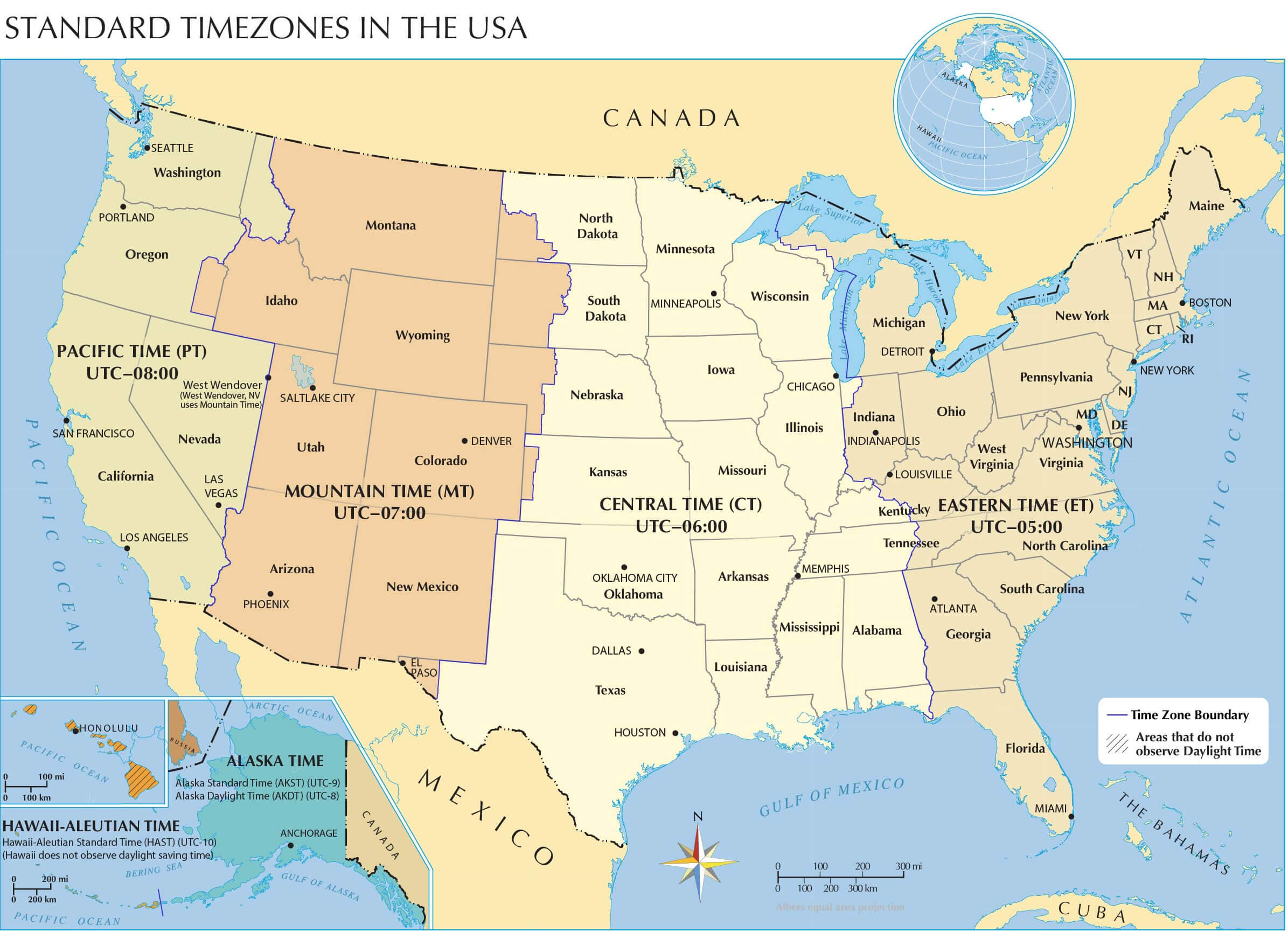
Navigating time zones across the Intermountain West requires precision, especially when coordinating interstate business, scheduling transport logistics, or planning travel. For anyone asking about the time zone for Utah in 2026, the state predominantly operates under Mountain Time. However, due to its geographic expanse and cultural proximity to neighboring regions, understanding the exact boundaries, seasonal adjustments, and exceptions is essential for seamless synchronization.
Understanding Utah's Primary Time Zone Classification
Utah falls entirely within the Mountain Time Zone of North America. Like other states in this region, the local time is determined by its offset from Coordinated Universal Time. During the standard winter months, the state observes Mountain Standard Time, and during the warmer months, it transitions to Mountain Daylight Time.
To maintain synchronization with national schedules, Utah strictly observes Daylight Saving Time, shifting clocks forward in the spring and backward in the autumn. This seasonal adjustment ensures that daylight aligns more closely with standard waking hours across commercial, agricultural, and educational sectors.
- Mountain Standard Time (MST): UTC-7, observed from early November to mid-March.
- Mountain Daylight Time (MDT): UTC-6, observed from mid-March to early November.
- Federal Compliance: Governed by the Uniform Time Act of 1966, regulated by the United States Department of Transportation.
Geographic Boundaries and Exceptions Within Utah
While the vast majority of Utah operates on Mountain Time, a notable geographic and cultural exception exists in the extreme northwestern corner of the state. Understanding these micro-regions prevents scheduling errors when traveling or communicating across county lines.
The West Wendover Exception
Although officially located within Tooele County, Utah, the city of West Wendover operates on Pacific Time. This occurs because the community functions as an economic and social extension of Wendover, Nevada. To maintain seamless daily operations, commerce, and school districts between the twin cities split by the state line, the Department of Transportation officially granted West Wendover an exemption to remain on Pacific Time.
Border Proximity Considerations
Travelers near the northern border with Idaho and the southern border with Arizona must also remain vigilant. While all of Idaho south of the Salmon River (including Idaho Falls and Pocatello) shares Utah's Mountain Time, parts of northeastern Arizona (specifically the Navajo Nation) observe Daylight Saving Time, while the non-Navajo portions of Arizona do not. Because the Navajo Nation extends into southeastern Utah (San Juan County), local residents and visitors navigate a uniform time zone structure, yet cross-border tribal commerce requires careful attention during the spring and autumn transition weeks.
Comparative Overview of Intermountain West Time Zones
To clarify how Utah's time zone interacts with surrounding states in the western United States during 2026, the following reference table outlines regional standards and Daylight Saving Time (DST) observances.
| State / Region | Standard Time (Winter) | Daylight Time (Summer) | Observes DST in 2026? |
|---|---|---|---|
| Utah (Most Areas) | Mountain Standard Time (UTC-7) | Mountain Daylight Time (UTC-6) | Yes |
| West Wendover, Utah | Pacific Standard Time (UTC-8) | Pacific Daylight Time (UTC-7) | Yes |
| Nevada (Most Areas) | Pacific Standard Time (UTC-8) | Pacific Daylight Time (UTC-7) | Yes |
| Wyoming | Mountain Standard Time (UTC-7) | Mountain Daylight Time (UTC-6) | Yes |
| Colorado | Mountain Standard Time (UTC-7) | Mountain Daylight Time (UTC-6) | Yes |
| Arizona (Most Areas) | Mountain Standard Time (UTC-7) | Mountain Standard Time (UTC-7) | No |
Daylight Saving Time Schedule for 2026
As a jurisdiction that follows federal mandates for Daylight Saving Time, Utah clocks shift forward and backward on standardized dates. Failing to account for these transitions can result in missed flights, delayed digital meetings, and logistical errors for supply chain operations crossing state lines.
Spring Forward Directive Date of Transition: Sunday, March 8, 2026. At 2:00 AM local standard time, clocks are advanced by one hour to 3:00 AM local daylight time, resulting in a temporary loss of one hour of sleep and shifting the UTC offset from -7 to -6.
Fall Back Directive Date of Transition: Sunday, November 1, 2026. At 2:00 AM local daylight time, clocks are turned backward by one hour to 1:00 AM local standard time, restoring the UTC offset to -7 and granting an extra hour.
Practical Steps to Avoid Time Zone Confusion in Utah
When scheduling virtual meetings, booking flights through Salt Lake City International Airport (SLC), or organizing freight delivery across state lines, implementing a standardized verification process prevents costly mistakes.
- Verify Device Settings: Ensure that smartphones, computers, and digital calendars are set to automatically update time zones using network-provided data rather than manual configurations.
- Confirm Regional Exceptions: If traveling to Tooele County near the Nevada border, double-check whether your appointment is governed by Utah Mountain Time or West Wendover Pacific Time.
- Check Coordinated Universal Time (UTC) for Remote Teams: When scheduling cross-border enterprise software releases or international conferences, reference UTC-7 or UTC-6 directly to bypass local naming confusion.
- Account for Transition Weekends: Build a buffer into travel itineraries during the March and November shift weekends to accommodate devices that may fail to synchronize automatically.
Frequently Asked Questions
What exact time zone is Salt Lake City in?
Salt Lake City is in the Mountain Time Zone, observing Mountain Standard Time (UTC-7) in the winter and Mountain Daylight Time (UTC-6) in the summer. This applies to all major metropolitan areas along the Wasatch Front, including Provo, Ogden, and Logan.
Does the entire state of Utah observe Daylight Saving Time?
Yes, nearly the entire state observes Daylight Saving Time, with the sole exception of West Wendover, which follows Pacific Time and observes DST in alignment with Nevada.
Is Utah in the same time zone as Denver?
Yes, Utah shares the exact same time zone as Denver, Colorado. Both regions operate on Mountain Time and shift simultaneously during the spring and autumn transition periods.
What is the time difference between Utah and California?
Utah is one hour ahead of California year-round. When it is 12:00 PM noon in Salt Lake City, it is 11:00 AM in Los Angeles, as California operates in the Pacific Time Zone while Utah operates in the Mountain Time Zone.
How does Utah's time zone affect airline travel through Salt Lake City International Airport?
All flight schedules, boarding passes, and arrival times published by carriers operating through Salt Lake City International Airport are displayed in local Utah time. Travelers arriving from Pacific or Central time zones must adjust their personal itineraries accordingly.
Streamlining Your Schedule Across Mountain Time
Managing schedules across Utah's geography requires an understanding of its primary Mountain Time classification, regional exceptions like West Wendover, and federal Daylight Saving Time rules. By leveraging automated device synchronization and keeping UTC offsets in mind for professional coordination, you can eliminate scheduling friction. For enterprise logistical support or tailored scheduling consultations regarding regional operations in Utah, reach out to our logistics and systems integration team today.