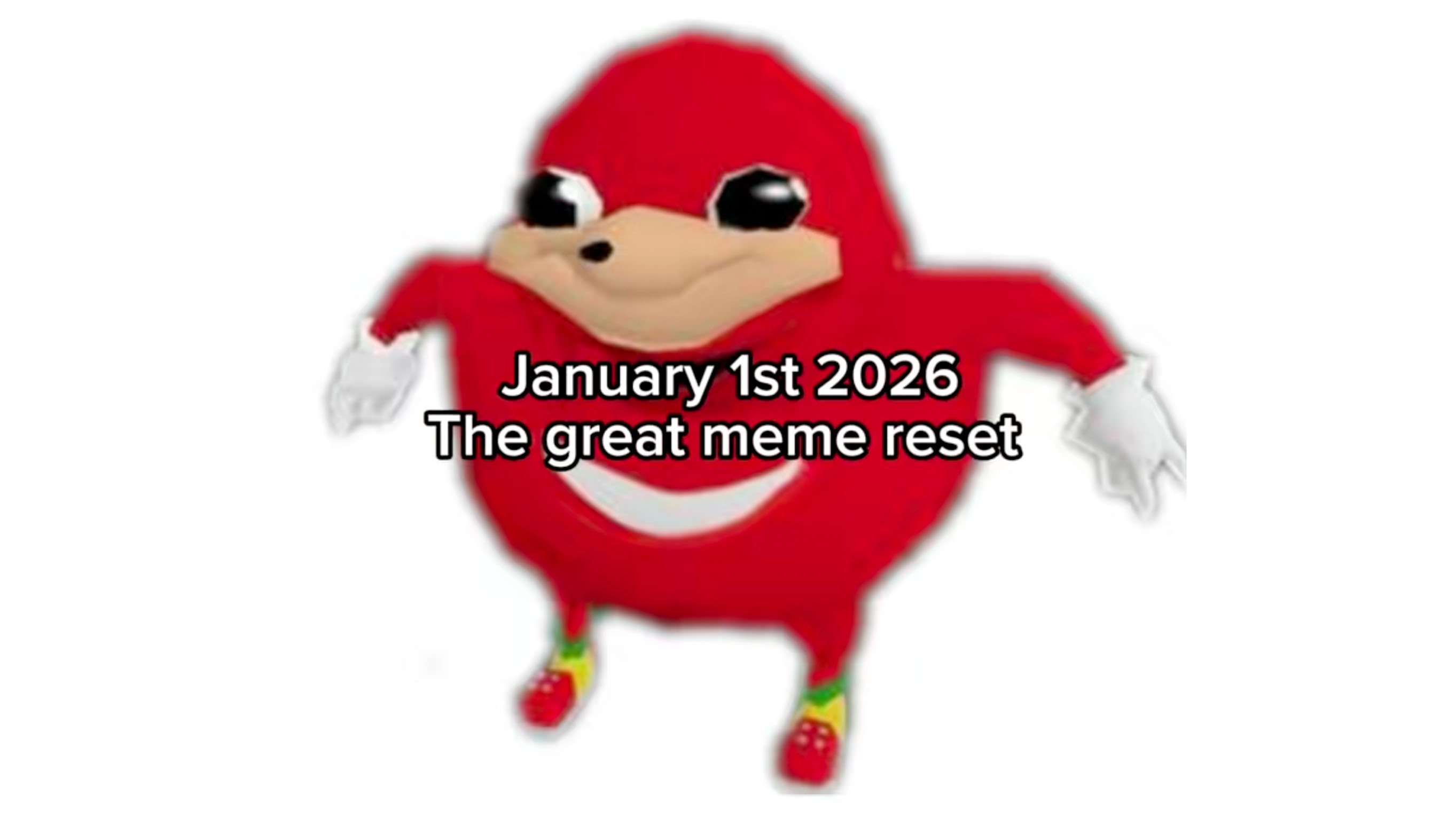
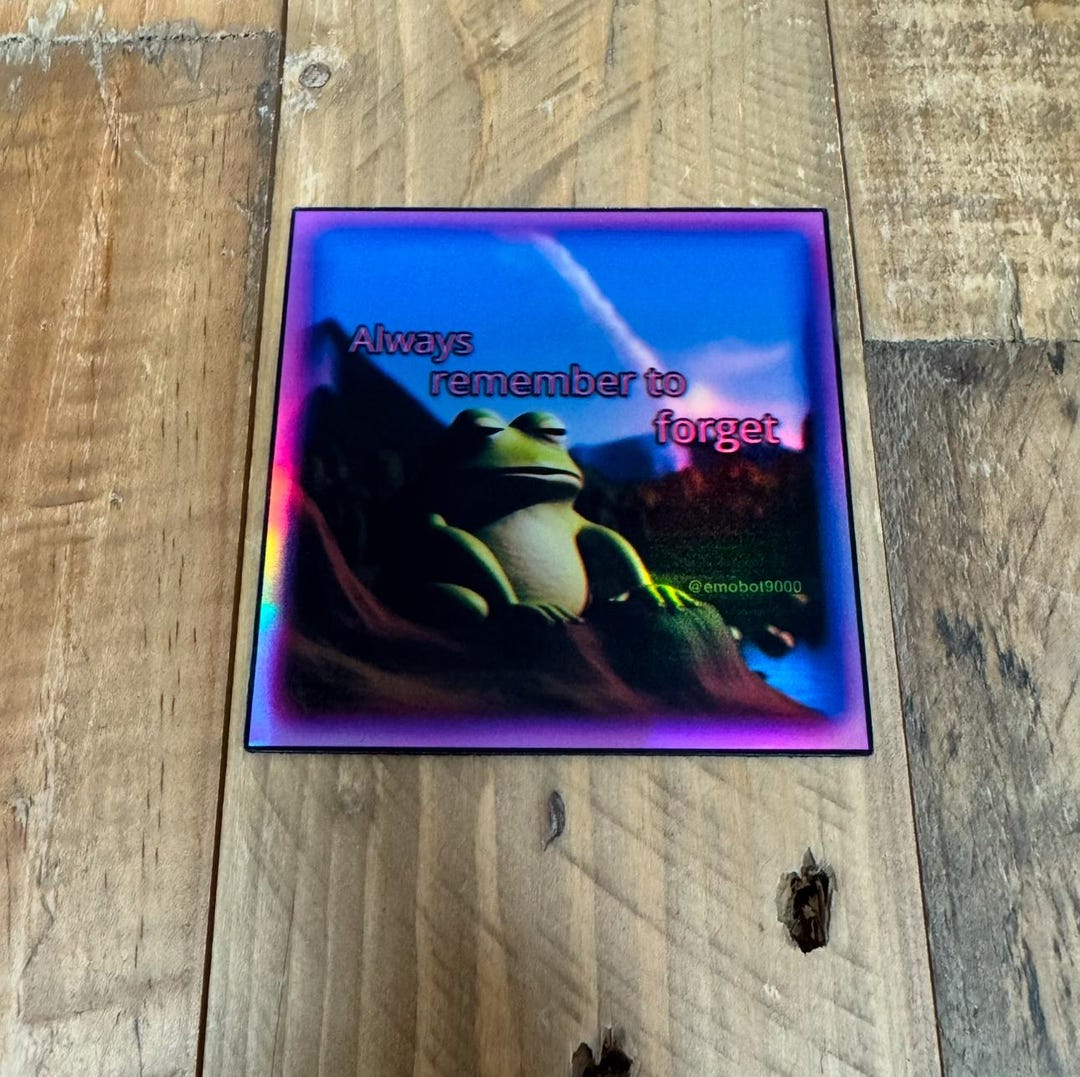
The phrase "always meme" captures the modern digital reality where internet culture, communication, and commercial marketing are continuously filtered through rapid-fire humor, visual repetition, and remixed media. Far from being a passing fad, meme-driven communication has become a foundational linguistic framework across social networks, shaping how human beings process news, express emotion, and build digital communities.
The Genesis and Evolution of Internet Memes
To understand the concept of "always meme," one must first examine how internet humor evolved from static image macros into complex, multi-layered multimedia ecosystems. In the early days of web culture, memes were relatively simple, highly predictable units of information. Platforms like early Reddit, 4chan, and specialized forum boards relied on repeating specific text formats overlaid onto standardized photographs—such as the classic "Advice Animals" or "Demotivational Posters." These early iterations operated much like inside jokes shared among niche technology enthusiasts and early adopters.
As broadband internet speeds increased and smartphones democratized content creation, the velocity of meme generation accelerated exponentially. The introduction of dedicated micro-blogging and media-sharing platforms changed the landscape entirely. Vine, Twitter (now X), Instagram, and TikTok transformed memes from static pictures into moving, audio-driven, and interactive experiences.
Today, the phrase "always meme" reflects a state of perpetual cultural commentary. Users do not simply look at memes; they use meme logic to interpret real-world events, political crises, economic shifts, and personal milestones. This continuous loop of creation, deconstruction, and re-appropriation means that digital communication is now permanently saturated with ironic detachment, hyper-referential humor, and rapid visual shorthand.
Core Characteristics of Modern Meme Culture
Modern memes are defined by specific structural and psychological attributes that separate them from traditional forms of satire or folklore. Recognizing these traits explains why digital discourse feels structurally distinct from historical communication models.
Intertextuality and Hyper-Referentialism
Modern internet culture rarely builds jokes from a clean slate. Instead, contemporary memes rely heavily on intertextuality—referencing dozens of prior memes, viral videos, movie quotes, and historical internet events simultaneously. A single image or short video clip can contain multiple layers of irony, making the content legible only to those deeply immersed in online subcultures. This creates digital ingroups and outgroups based on media literacy and platform participation.
Speed and Ephemerality
The lifespan of an individual meme has compressed dramatically. Where a meme might once have remained culturally relevant for months, contemporary viral formats can emerge, saturate public consciousness, and become obsolete within a matter of days—or even hours. This fast-paced cycle forces creators to innovate constantly, pushing humor into surreal, absurd, or hyper-niche directions just to capture attention in crowded social media feeds.
Emotional Regulation and Coping Mechanism
Humor has always served as a psychological shield against hardship, but "always meme" culture takes this to an unprecedented extreme. Faced with systemic anxieties—ranging from economic instability and housing crises to climate change and political polarization—digital natives routinely deploy self-deprecating, absurd, or dark humor. Memes allow individuals to externalize collective stress, transforming overwhelming geopolitical or personal struggles into shared, manageable comedic formats.
Memes in Marketing, Media, and Professional Communication
It is impossible to discuss the pervasiveness of meme culture without examining how corporate entities, media outlets, and political campaigns attempt to harness it. What began as grassroots internet rebellion has been thoroughly institutionalized by brand marketing departments.
| Era / Phase | Primary Medium | Corporate / Institutional Adoption |
|---|---|---|
| Early Web (2000s) | Forums, Image Boards, Blogs | Non-existent or deeply awkward |
| Social Media Growth | Facebook, Twitter, Tumblr | Basic promotional image macros |
| Short-Form & Video Era | TikTok, Instagram Reels, X | Native integration, "brand voice" |
When brands attempt to participate in "always meme" culture, they frequently risk alienating their target audiences through what internet users label "cringe" marketing. Successful corporate integration requires an acute understanding of platform-specific nuances, timing, and an ability to avoid sounding overly rehearsed or desperate for engagement. Conversely, brands that successfully adopt a self-aware, ironic tone—often pioneered by fast-food chains and entertainment companies on social media—can build immense consumer loyalty by speaking the native language of digital consumers.
Psychological and Sociological Impacts of Perpetual Memeification
While meme culture fosters global community and rapid creative expression, living in an environment of constant internet humor carries notable psychological and social consequences.
The Erosion of Nuance
Because memes rely on extreme simplification, hyperbole, and visual shorthand to convey ideas quickly, complex socio-political issues are frequently reduced to binary punchlines. Nuanced arguments struggle to gain traction in algorithmic feeds designed to prioritize high-engagement emotional triggers. Consequently, important debates can become flattened into shallow cultural warfare fought with reaction images and screenshots.
Irony Poisoning and Sincerity
Prolonged exposure to layers of layered irony can lead to what internet critics call "irony poisoning"—a psychological state where an individual becomes incapable of expressing genuine sincerity, earnest emotion, or straightforward enthusiasm. When every statement is cushioned by layers of detachment or a preemptive joke, authentic human connection can degrade into performance-based cynicism.
Community Building and Belonging
On a positive note, shared humor provides profound emotional validation for marginalized or isolated individuals. Finding a digital micro-community that immediately understands a hyper-specific joke creates a powerful sense of belonging. For millions of people across the globe, meme communities serve as primary social support structures, bridging geographical distances through shared cultural touchstones.
Frequently Asked Questions About Meme Culture
What does "always meme" mean in digital communication?
It describes a cultural state where humor, internet memes, and ironic commentary are the default lenses through which people process news, express emotions, and interact online. It highlights how visual culture has replaced traditional text-heavy discourse in many digital spaces.
Why do memes change and die out so quickly?
The rapid evolution of memes is driven by algorithmic saturation and user fatigue. Once a meme format becomes mainstream or overused by brands, digital natives lose interest and intentionally push humor into more absurd, complex, or ironic territories to maintain a distinct subcultural identity.
How do corporations safely participate in internet meme culture?
Successful brand participation requires authenticity, self-awareness, and a willingness to avoid heavy-handed sales pitches. Brands that employ community managers who deeply understand platform-specific humor tend to succeed, while those that force outdated templates usually face public mockery.
Can memes be considered a legitimate form of modern art?
Many cultural critics and sociologists argue that contemporary memes represent a decentralized, collaborative folk art form. They combine graphic design, creative writing, performance, and audience participation in ways that break traditional artistic boundaries.
Practical Guidance for Navigating Digital Media Literacy
As internet culture continues to evolve, maintaining healthy digital habits requires conscious media literacy. To navigate an information landscape defined by rapid-fire humor and constant memeification, consider the following practical steps:
- Separate Humor from Fact: Recognize when a piece of media is operating under meme logic versus factual reporting. Do not mistake satirical or hyper-exaggerated content for objective journalism, regardless of how widely it is shared.
- Evaluate the Source and Context: Before sharing viral content, understand its origin. Many memes are intentionally stripped of context to provoke specific emotional reactions or political alignments.
- Balance Irony with Earnestness: Guard against total cynicism. Allow yourself spaces—both online and offline—where communication is sincere, direct, and unshielded by ironic detachment.
- Curate Your Digital Environment: Actively manage your social media feeds to ensure a healthy balance of creative humor, educational material, and constructive community engagement rather than endless algorithmic outrage loops.