Understanding how monkeys mate requires looking into a complex intersection of ethology, evolutionary biology, and social anthropology. Primates exhibit a staggering diversity of mating systems, courtship behaviors, and reproductive physiologies that have been meticulously documented by field primatologists through 2026. This guide breaks down the behavioral mechanics, social structures, and physiological adaptations that govern how monkeys reproduce across various species.
Evolutionary Drivers of Primate Mating Systems
Primate mating strategies are fundamentally shaped by ecological pressures, resource distribution, and the necessity of offspring survival. Unlike many other mammals, most primates rely heavily on learned behaviors and complex social hierarchies to determine reproductive access. Field research reflects that these strategies are not static; rather, they adapt continuously to environmental changes, habitat fragmentation, and shifting population densities.
The primary determinants of monkey reproductive behavior include:
- Resource Distribution: The availability of food and shelter dictates female ranging patterns, which in turn influences how males distribute themselves to secure mating opportunities.
- Predation Pressure: Species living in high-risk environments often form larger multi-male, multi-female groups, diluting individual predation risk while altering competitive dynamics.
- Infanticide Risk: In species where dominant males are frequently overthrown, counter-strategies such as promiscuous mating obscure paternity to protect infants from incoming alpha males.
- Sexual Dimorphism: Physical differences between sexes often correlate directly with the intensity of male-male competition and the prevailing mating system.
Behavioral Typologies: Monogamy, Polygyny, and Polyandry
Primate mating systems fall into distinct categories, each dictating how pairs or groups interact during the reproductive cycle. Recognizing these structures helps clarify the physical and social processes of mating.
| Mating System | Social Structure | Primary Example Species | Key Reproductive Characteristic |
|---|---|---|---|
| Monogamy | Male-female pairs with dependent offspring | Titi monkeys, Owl monkeys | High paternal investment; minimal sexual dimorphism. |
| Polyny | One dominant male with multiple females | Gorillas, Patas monkeys, Hamadryas baboons | Intense male-male competition; extreme sexual dimorphism. |
| Polyandry | One breeding female with multiple males | Marmosets, Tamarins | Cooperative breeding; shared infant-carrying responsibilities. |
| Multi-Male/Multi-Female | Fission-fusion or large troops | Chimpanzees, Rhesus macaques, Ring-tailed lemurs | Sperm competition; dominance hierarchies with shifting alliances. |
Courtship Rituals and Behavioral Cues
Before copulation occurs, monkeys engage in precise behavioral signaling to assess partner quality, readiness, and receptivity. These rituals minimize conflict and synchronize physiological states.
Visual and Olfactory Signaling
Females across many species advertise ovulation through prominent physiological changes. In Old World monkeys such as baboons and macaques, sexual swellings—engorged, brightly colored perineal tissues—signal peak fertility. In New World monkeys, olfactory cues play a far more dominant role. Males use specialized scent-glands or urine-washing behaviors to assess female estrus status.
Vocalizations and Postural Displays
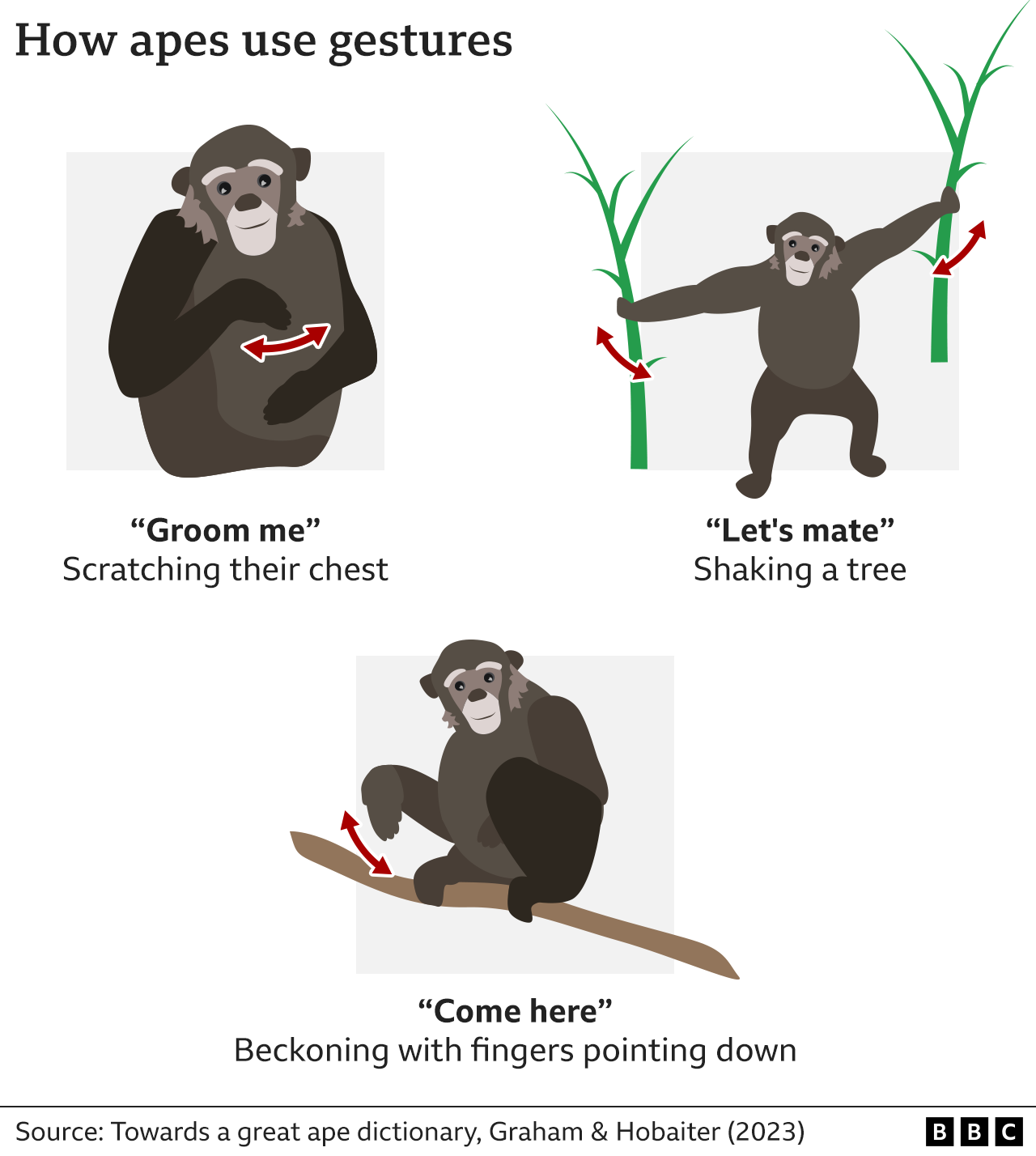
Acoustic signaling is critical in dense forest environments where visual contact is limited. For instance, male howler monkeys use specialized laryngeal adaptations to broadcast their physical condition, deterring rivals while attracting potential mates. Behavioral solicitations often involve subtle eye contact, lip-smacking, head-bobbing, and presentation postures that signal submission or readiness.
The Mechanics of Copulation Across Diverse Species
The physical act of mating varies significantly based on anatomical adaptations, ecological niches, and social dynamics. While the fundamental biological mechanics remain mammalian, the behavioral context surrounding copulation is deeply nuanced.
Duration and Frequency
Primate copulation events are typically brief, lasting from a few seconds to several minutes, but they can occur with high frequency during peak estrus. In species with multi-male, multi-female systems, a female may mate with multiple males in rapid succession. This behavioral adaptation dilutes paternity certainty, effectively reducing the risk of infanticide by dominant males who cannot be certain the infant is not their own.
Post-Copulatory Behaviors
Following mating, species-specific behaviors help reduce tension and reinforce social bonds. Grooming often immediately follows copulation in species like chimpanzees and macaques, serving to pacify the participants and reaffirm social hierarchies. In monogamous pairs, partners remain in close spatial proximity, maintaining contact through mutual grooming and coordinated foraging.
Operational Field Note on Primate Observation: Modern behavioral research utilizes non-invasive hormone tracking via fecal sample collection alongside continuous focal animal sampling. This methodology allows primatologists to correlate exact hormonal surges with specific courtship displays without disrupting natural mating behaviors or inducing stress.
Comparative Analysis: Reproductive Strategies in Old World vs. New World Monkeys
The evolutionary split between Old World monkeys (Catarrhines) and New World monkeys (Platyrrhines) resulted in distinct physiological and behavioral adaptations regarding reproduction.
Old World Monkeys (Cercopithecidae) - Prominent sexual swellings in females - Ischial callosities (sitting pads) facilitating prolonged ground-based mating - Strict dominance hierarchies dictating mating priority New World Monkeys (Platyrrhines) - Heavy reliance on olfactory and vocal communication - Often exhibit twinning (common in Callitrichids) - Extensive paternal and alloparental infant care networks
Step-by-Step Guide: How Field Researchers Study Primate Reproduction
Ethologists and wildlife biologists follow rigorous scientific protocols to document and analyze primate mating behaviors in natural habitats.
- Habituation: Researchers spend months or years quietly following a specific troop until the animals ignore human presence, ensuring natural behavioral baselines.
- Identification and Census: Every individual in the study group is cataloged by age, sex, genealogical lineage, and physical markings.
- Focal Animal Sampling: Observers track a single target individual for predetermined intervals, recording every social interaction, movement, and mating event down to the second.
- Biological Sample Collection: Non-invasive collection of urine and fecal samples provides cortisol and gonadal steroid hormone profiles to verify estrus timing and stress levels.
- Data Synthesis: Behavioral logs are cross-referenced with ecological data, weather patterns, and resource availability to model the evolutionary pressures driving reproductive success.
Frequently Asked Questions
How do monkeys know when a female is ready to mate?
Monkeys rely on a combination of visual, olfactory, and behavioral signals to detect estrus. Old World species often feature conspicuous perineal swellings, while New World species utilize distinct scent markings and vocalizations to advertise fertility.
Are all monkey species monogamous?
No, the vast majority of monkey species are polygynous or live in multi-male, multi-female societies. True monogamy is relatively rare among primates, found primarily in smaller arboreal species such as titi monkeys and owl monkeys.
How long does monkey pregnancy last?
Gestation periods vary widely based on body size and species, ranging from roughly four to five months in smaller New World monkeys like marmosets up to eight or nine months in larger baboons and macaques.
Do male monkeys help raise the offspring?
Paternal care varies drastically by mating system. In polyandrous species like tamarins, males bear the primary burden of carrying and protecting infants, whereas in polygynous species, male investment is generally limited to territory defense and protection against predators.
Why do some female monkeys mate with multiple males?
Mating with multiple males is an evolutionary strategy known as paternity confusion. By mating with several males in a troop, a female prevents any single incoming alpha male from identifying and committing infanticide against her offspring.
Conclusion and Further Research
The reproductive strategies of primates offer profound insights into the evolutionary roots of social behavior, hierarchy, and resource management. As field methodologies advance through technological integration, our understanding of how monkeys navigate the complexities of mate selection continues to deepen. Protecting these species requires ongoing commitment to habitat preservation and continued behavioral monitoring in their native ecosystems.