Navigating the exact Shabbat candle lighting times in New York for 2026 requires precise astronomical calculations combined with established halachic (Jewish legal) traditions. Because New York spans a significant geographic and latitudinal range—from the East End of Long Island to the peaks of the Adirondacks—sunset times vary noticeably across the state. This comprehensive guide details the official sunset data, calculation methodologies, local rabbinic standards, and practical preparations required for a seamless transition into Shabbat and Jewish holidays throughout 2026.
Understanding the Halachic Calculation of Shabbat Candle Lighting
The standard custom across Ashkenazic and Sephardic communities in New York is to light Shabbat candles exactly 18 minutes before sunset on Friday evening. However, certain communities in specific regions, most notably Jerusalem, observe a 40-minute window, while localities like Haifa observe 22 minutes. In New York, the 18-minute standard is universally recognized by mainstream Orthodox, Conservative, and Reform synagogues, though individual households may choose an earlier time for stringency (chumrah).
Sunset (Shkiah) is defined by astronomical algorithms that measure the exact moment the upper limb of the sun dips below the western horizon, adjusted for local atmospheric refraction and elevation. Because New York operates on Eastern Standard Time (EST) during the winter months and Eastern Daylight Time (EDT) beginning on the second Sunday of March (March 8, 2026), these transitions dramatically alter clock times from week to week.
Observance Accuracy Note: Relying on generic weather apps often introduces errors because they may calculate sunset based on a flat horizon rather than topographical elevation or standard rabbinic safety margins. Always consult certified Orthodox Union (OU), Chabad, or Hebrew Calendar (Luach) tables specific to your exact ZIP code within New York State.
Regional Variations Across New York State in 2026
While New York City (Manhattan, Brooklyn, Queens, the Bronx, and Staten Island) serves as the baseline for most published calendars, communities upstate or on Long Island experience noticeable temporal shifts. The tilt of the earth's axis means that during the long summer days of June, northern New York experiences significantly later sunsets, whereas winter days in December feature remarkably early candle lighting times.
| New York Region | Spring/Summer Variation (June) | Fall/Winter Variation (December) | Standard Halachic Offset |
|---|---|---|---|
| New York City & Westchester | Approx. 8:11 PM - 8:15 PM EDT | Approx. 4:12 PM - 4:18 PM EST | 18 Minutes Before Sunset |
| Long Island (Hamptons/Montauk) | 3 to 5 minutes earlier than NYC | 2 to 4 minutes earlier than NYC | 18 Minutes Before Sunset |
| Hudson Valley & Catskills | Within 1 minute of NYC baseline | Within 1 minute of NYC baseline | 18 Minutes Before Sunset |
| Capital District (Albany/Troy) | 2 to 5 minutes earlier in summer | 2 to 5 minutes earlier in winter | 18 Minutes Before Sunset |
| Central/Western NY (Syracuse/Buffalo) | 10 to 20 minutes later than NYC | 8 to 15 minutes later than winter NYC | 18 Minutes Before Sunset |
Strategic Planning for New York's Seasonal Shifts
Preparing for Shabbat in New York demands an adaptable weekly workflow, particularly given the drastic seasonal swings between the winter solstice and summer solstice. In mid-December 2026, candle lighting in New York City occurs as early as 4:12 PM, requiring professionals to leave work significantly early to ensure all melacha (prohibited labor) ceases before the deadline. Conversely, in late June 2026, candle lighting stretches past 8:15 PM EDT, allowing for extended summer evenings but requiring late dinner preparations.
- Winter Preparation Protocol: On short winter Fridays, check lighting times by Thursday morning. Establish a remote or automated timer system for home lighting and heating if necessary, and ensure that all cooking is completed well before the mid-afternoon deadline.
- Summer Preparation Protocol: During long daylight saving months, ensure that young children have appropriate rest schedules, as Shabbat dinner frequently begins after 9:00 PM once evening services conclude.
- Yom Tov Intersections: When Shabbat coincides with or immediately precedes a major festival (Yom Tov) such as Rosh Hashanah, Sukkot, Passover, or Shavuot, candle lighting procedures and preparation rules undergo specific modifications that must be verified through local rabbinic authorities.
Step-by-Step Guide to Friday Evening Lighting Procedures
Fulfilling the mitzvah of lighting Shabbat candles involves a precise sequence of physical actions and verbal declarations. The act formally welcomes the sanctity of the day and transforms the home into a sanctuary of peace.
- Preparation and Cleansing: Cleanse the dining area, set the Shabbat table with a festive tablecloth and challah cover, and ensure at least two candles are securely placed in fire-safe holders.
- Timing Execution: Consult the verified 2026 New York candle lighting schedule and ignite the wicks no later than the designated minute (typically 18 minutes prior to sunset).
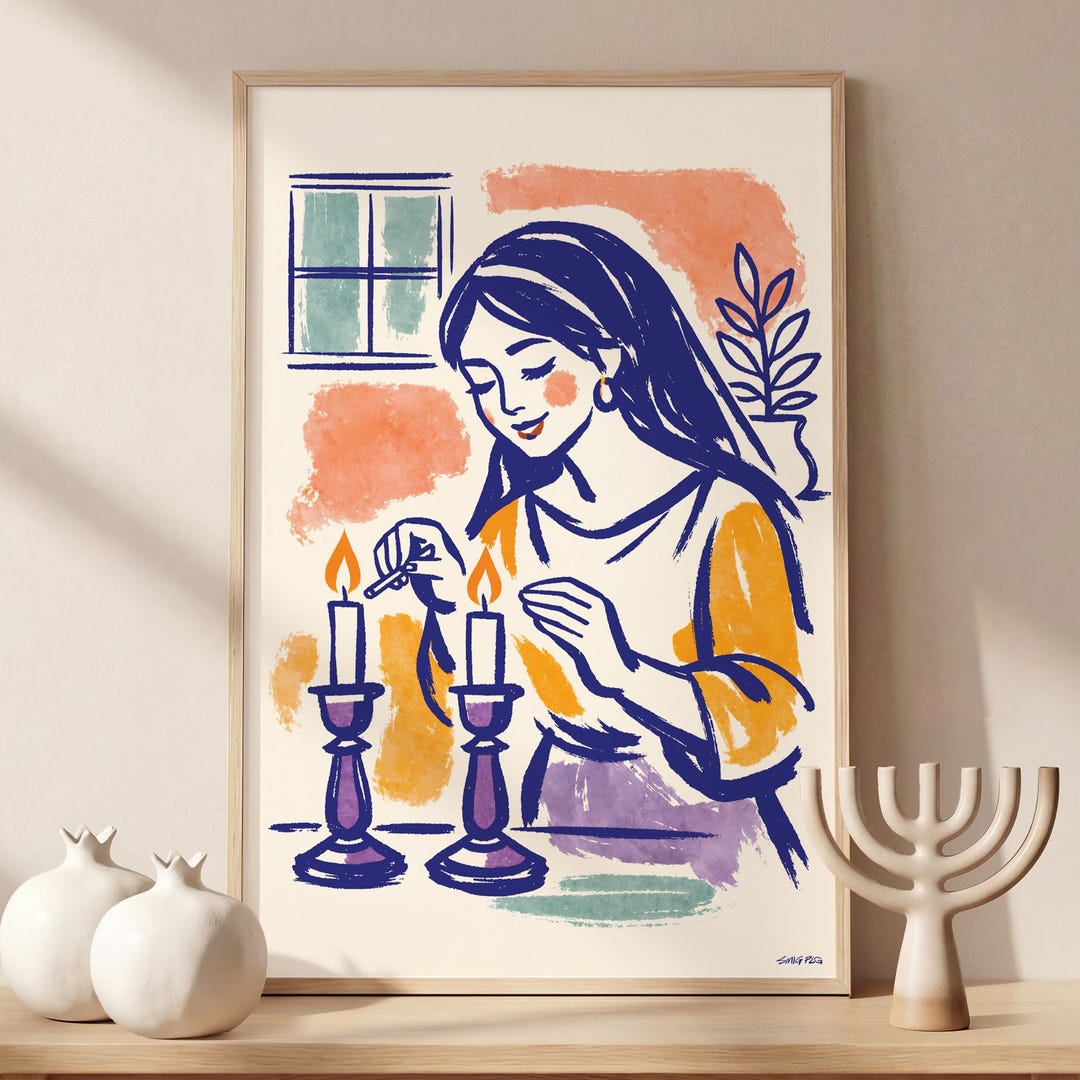
- The Lighting Motion: Light the flames. Afterward, wave your hands in a circular motion toward your face three times to symbolically draw in the warmth and light of Shabbat.
- Covering the Eyes: Gently cover your eyes with your hands so you do not benefit from the light before reciting the blessing.
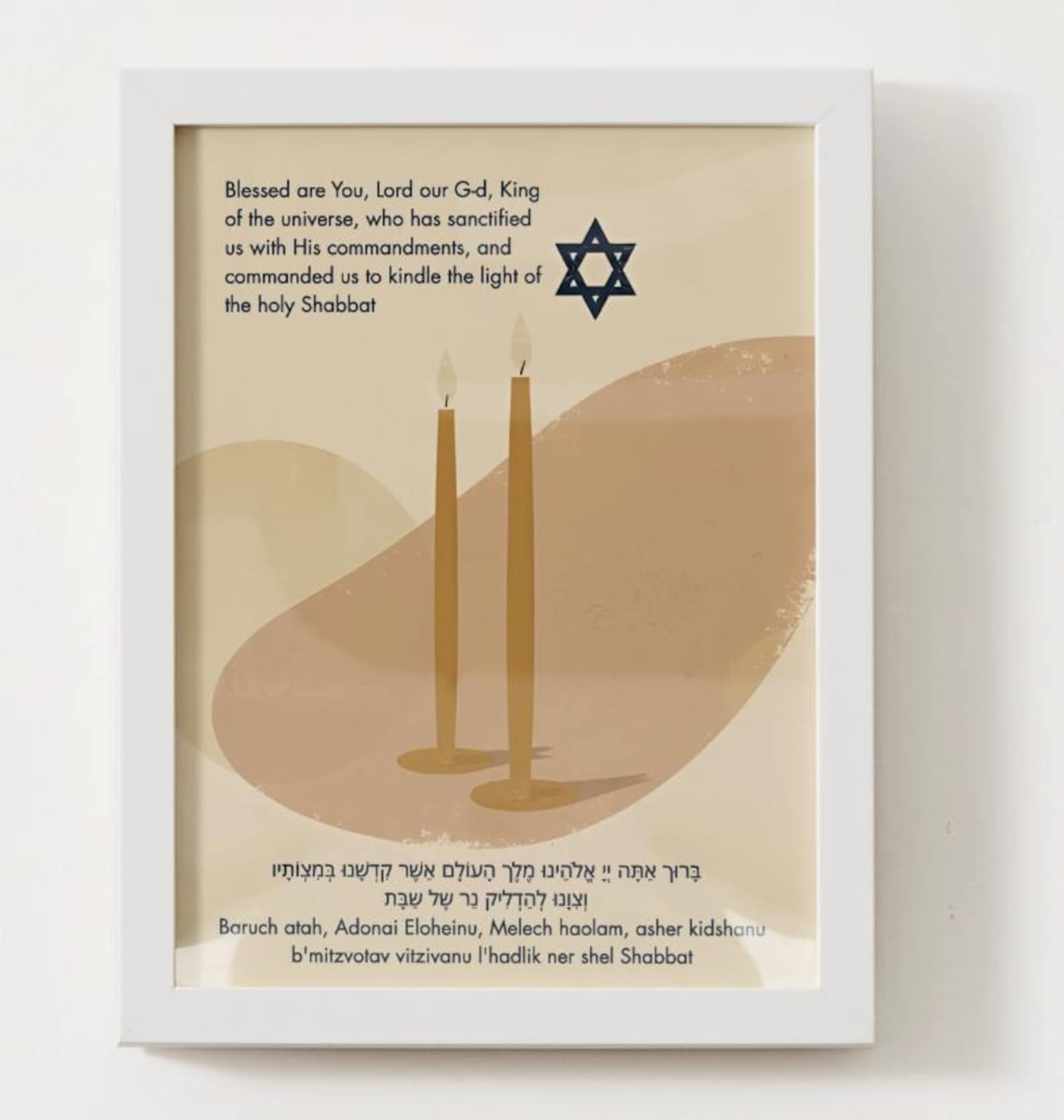
- Reciting the Blessing: Recite the traditional Hebrew blessing: Baruch atah Adonai, Eloheinu Melech ha-olam, asher kid'shanu b'mitzvotav v'tzivanu l'hadlik ner shel Shabbat. (Blessed are You, Lord our God, King of the universe, who has sanctified us with His commandments and commanded us to kindle the light of Shabbat.)
- Personal Supplications: Keep your eyes covered for a brief moment to offer personal prayers for family health, peace, and spiritual clarity before uncovering your eyes and looking upon the lit candles.
Frequently Asked Questions About New York Candle Lighting Times
What time is Shabbat candle lighting in New York this week?
Shabbat candle lighting in New York typically occurs 18 minutes before local sunset, which ranges from approximately 4:12 PM EST in mid-winter to 8:15 PM EDT in mid-summer. Because exact times shift by a minute or two nearly every week, consult a reliable 2026 New York Jewish calendar or local synagogue bulletin for the precise minute.
Can I light candles earlier than the official Newru York schedule?
Yes, individuals may accept Shabbat early—often referred to as Kabbalat Shabbat early—by lighting candles up to an hour or more before the standard time, provided they specify this intent mentally. Once you accept Shabbat early, all restrictions on labor apply immediately to you, even if the rest of the community is still working.
What happens if I miss the candle lighting deadline in New York?
If sunset has not yet arrived and you have missed the 18-minute mark, you may still light candles immediately without reciting the formal blessing, as long as the sun is still above the horizon. If sunset has already passed, consult a local Orthodox rabbi regarding emergency halachic protocols for that specific evening.
Do New York candle lighting times change based on borough?
While the differences between Manhattan, Brooklyn, Queens, and the Bronx are negligible (measured in fractions of a minute), Long Island and regions further north or west experience more pronounced variances. Utilizing a zip-code-specific calculation tool ensures absolute precision for your exact neighborhood.
How do Daylight Saving Time changes affect New York Shabbat times?
In 2026, Daylight Saving Time ends on November 1, causing sunset times to fall back by an entire hour overnight. This sudden shift moves candle lighting times from around 5:45 PM EDT in late October to roughly 4:45 PM EST in early November, requiring significant adjustments to Friday afternoon schedules.
Is the 18-minute rule mandatory across all New York congregations?
The 18-minute offset is a universally accepted rabbinic fence (safeguard) adopted across traditional Jewish communities in New York. While some individuals choose 20, 22, or 30 minutes for personal stringency, 18 minutes remains the minimum accepted baseline for standard communal observance.
Ensuring Proper Observance in the Empire State
Mastering the rhythm of Shabbat candle lighting in New York throughout 2026 requires balancing astronomical precision with personal lifestyle management. By staying informed of weekly shifts driven by seasonal daylight changes and geographic boundaries, you can ensure a peaceful, compliant, and spiritually elevating entry into every day of rest. For customized local alerts, real-time updates, and community synagogue schedules, consult your local Orthodox Union, Chabad emissary, or neighborhood rabbi.