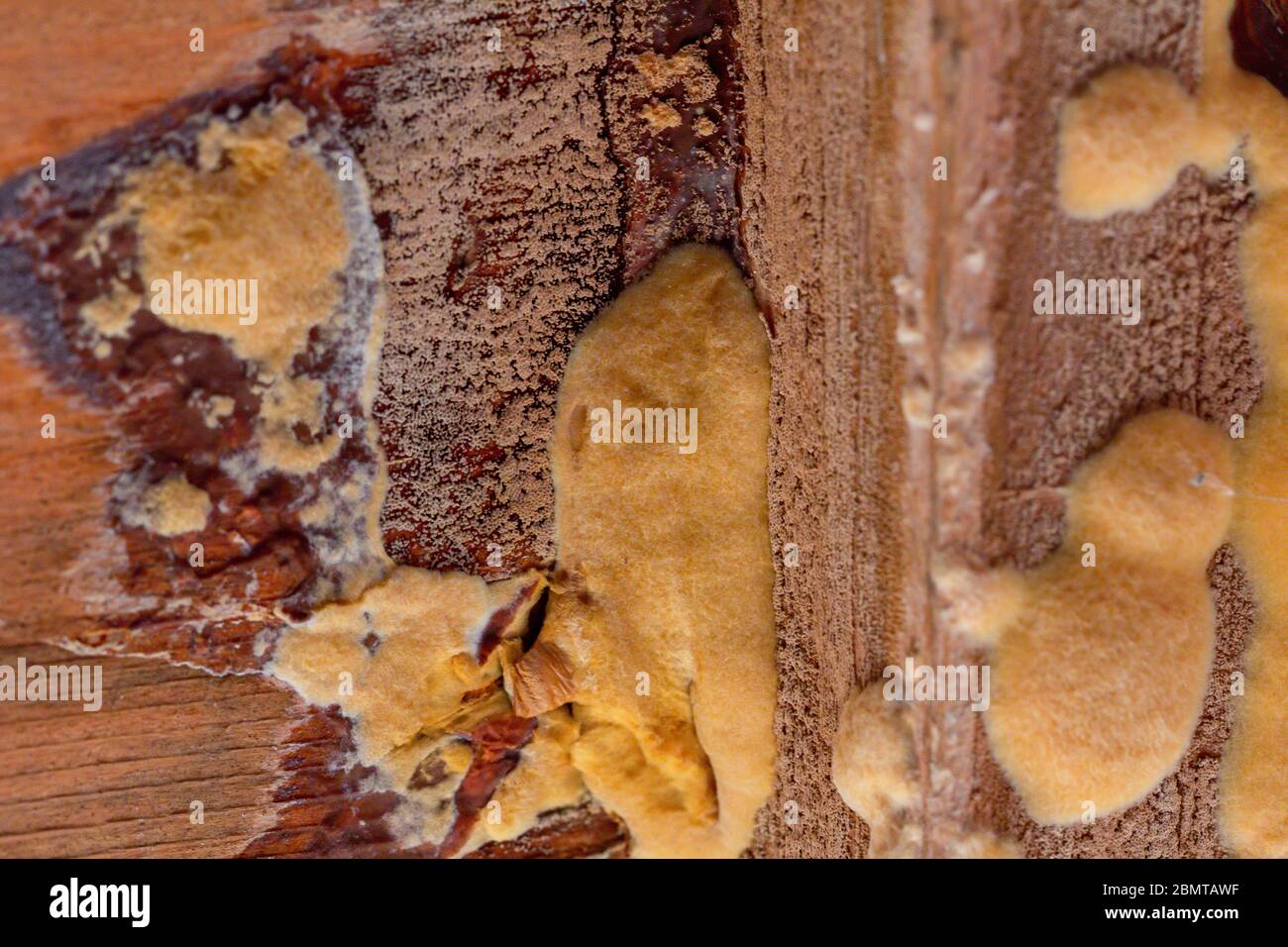
Discovering white mould in a backyard shed is an alarming development for any property owner. Sheds naturally create an environment prone to moisture accumulation, temperature fluctuations, and poor ventilation, making them prime incubation zones for fungal growth. Addressing this issue requires a strategic approach that goes beyond simply wiping away surface spores. Maintaining a structurally sound, healthy outdoor storage space in 2026 demands a thorough understanding of building science, safe remediation protocols, and preventative moisture management techniques.
Identifying White Mould and Assessing Shed Vulnerability
Distinguishing white mould from other surface residues, such as efflorescence or mineral deposits, is the essential first step in structural remediation. White mould typically appears as a powdery, fluffy, or cotton-like substance clinging to organic materials like wood framing, particleboard, cardboard boxes, and fabric items. Unlike crystalline mineral deposits that dissolve in water, mould will smear or smudge when touched with a damp cloth, though physical contact should be minimized to avoid releasing airborne spores.
Sheds constructed from untreated wood, oriented strand board (OSB), or poorly sealed metals are especially susceptible. When relative humidity inside the shed exceeds 60 percent for extended periods, fungal spores activate and colonize organic surfaces. Common structural vulnerabilities include leaking roofs, unsealed foundation slabs that wick ground moisture, gaps in door and window weatherstripping, and the total absence of cross-ventilation.
Professional Building Assessment Rule When evaluating a shed for fungal contamination, always inspect hidden zones such as floor joists resting directly on unsealed concrete, corners shielded by stacked storage bins, and the underside of roof decking where condensation tends to collect during seasonal temperature drops.
Health Risks and Structural Implications
Ignoring white mould inside an enclosed outdoor structure carries significant consequences for both human health and building integrity. While sheds are separate from primary living spaces, individuals frequently enter them to retrieve tools, gardening supplies, or seasonal gear. Inhaling or touching concentrated fungal spores can trigger allergic reactions, chronic nasal congestion, skin irritation, and respiratory distress, particularly for individuals with asthma or compromised immune systems.
From a structural standpoint, certain wood-decaying fungi that appear white in their early or intermediate development stages can consume cellulose, the primary structural component of lumber. Over time, untreated infestations weaken wall studs, ruin plywood flooring, and compromise the load-bearing capacity of overhead rafters. Early intervention stops this biological degradation before it requires major structural rebuilding.
Step-by-Step Remediation Protocol for Sheds
Successfully eradicating white mould requires personal protection, proper containment, and targeted cleaning agents. Implementing a methodical workflow ensures that spores are eliminated rather than dispersed to unaffected areas of the property.
- Equip Proper Personal Protective Equipment (PPE): Before stepping inside, put on an N95 or P100 respirator mask, safety goggles without ventilation holes, nitrile gloves, and disposable coveralls to prevent direct contact with spores.
- Isolate the Work Area: If the shed features interior dividing walls, seal off unaffected sections. Keep exterior doors and windows wide open during the cleaning process to maximize cross-ventilation and lower airborne spore concentrations inside the workspace.
- Discard Porous, Heavily Infested Items: Throw away severely damaged cardboard boxes, soaked insulation, and rotting particleboard shelving. Porous materials with deep-seated mycelium cannot be fully sanitized and will continue to harbor mould.
- Clean Non-Porous and Semi-Porous Surfaces: Scrub wood framing and hard surfaces using a mixture of warm water and a specialized anti-mould solution or commercial detergent. Avoid traditional chlorine bleach on raw wood, as bleach fails to penetrate porous surfaces and leaves behind water content that feeds future growth.
- Dry the Structure Completely: Deploy heavy-duty industrial dehumidifiers and high-velocity air movers inside the shed for a minimum of 48 to 72 hours until wood moisture content meters read below 15 percent.
Comparison of Common Mould Remediation Solutions
Selecting the correct cleaning agent depends heavily on the affected substrate material within the shed environment.
| Treatment Method | Best Suited For | Primary Mechanism | Pros | Cons / Limitations |
|---|---|---|---|---|
| Commercial Anti-Mould Solution | Wood framing, plywood, and exterior siding | Enzymatic or quaternary ammonium compounds | Penetrates porous surfaces, kills roots, and inhibits future growth | Requires careful adherence to manufacturer safety data sheets |
| White Vinegar Solution | Minor surface growth on painted metal and plastic bins | Mild acetic acid disrupts mould cell structures | Inexpensive, non-toxic, and safe for household use | Ineffective against severe deep-seated wood infestations |
| Hydrogen Peroxide (3%) | Hard surfaces, tools, and sealed shelving | Oxidation destroys fungal cellular walls and spores | Leaves no toxic residue; effective deodorizer | Bleaching action may discolor dark wood finishes |
| Chlorine Bleach | Non-porous concrete slabs and metal elements | Chemical oxidation and protein destruction | Rapidly whitens and disinfects surface stains | Ineffective on porous wood; produces harmful volatile organic compounds |
Advanced Moisture Management and Prevention Strategies
Eliminating existing mould solves the immediate problem, but long-term success relies entirely on altering the microclimate inside the shed. Moisture control is the single most effective deterrent against future infestations.
- Install Passive or Active Ventilation: Mount gable vents, soffit vents, or a solar-powered roof exhaust fan to promote continuous airflow, preventing stagnant, humid air from trapping moisture against cold surfaces.
- Upgrade Foundation and Drainage: Grade surrounding soil so that rainwater flows away from the shed perimeter. Install a vapor barrier over bare earth crawlspaces or seal concrete slabs with a moisture-resistant epoxy coating.
- Improve Interior Storage Practices: Never stack storage boxes, bags of soil, or timber directly against exterior walls. Maintain a minimum two-inch gap between stored goods and walls to allow free air circulation.
- Seal Envelope Leaks: Inspect roofing felt, flashing, and shingle integrity annually. Apply exterior-grade silicone caulk around windows, door frames, and wall joints to block wind-driven rain.
Frequently Asked Questions
Can white mould in a shed spread to my house?
While mould spores travel easily on the wind, spores from a backyard shed rarely migrate into a primary residence in high enough concentrations to cause an indoor infestation unless items are directly transferred indoors while heavily contaminated. Maintaining proper distance and cleaning stored items before bringing them inside prevents cross-contamination.
Is white mould always toxic?
Not all white mould species produce mycotoxins, but many can still trigger severe allergic reactions, asthma attacks, and irritation upon exposure. Treating all unexpected fungal growth with the same level of caution and protective equipment is the safest practice.
Does cold winter weather kill shed mould?
Cold winter temperatures cause mould to go dormant, but freezing conditions do not kill the spores or the underlying mycelium. Once spring temperatures rise and humidity increases, the mould will resume active growth.
Can I paint over white mould to hide it?
Painting over active mould without thorough cleaning, sanitizing, and drying is completely ineffective. The mould will continue to consume the underlying substrate, break down the paint film, and eventually push through the new paint layers.
What is the ideal humidity level to prevent shed mould?
Keeping the relative humidity inside the shed consistently below 50 percent prevents mould spores from germinating and thriving on organic surfaces.
When should I hire a professional remediation contractor?
Property owners should consider hiring certified specialists if the mould contamination covers a cumulative surface area greater than 10 square feet, if the HVAC or electrical systems within the shed are compromised, or if occupants experience severe health symptoms when entering the structure.
Protecting outdoor assets from fungal damage requires vigilance, structured maintenance, and prompt action at the first sign of dampness. By controlling indoor humidity and sealing structural gaps, property owners can ensure their storage spaces remain clean, dry, and structurally secure for years to come.