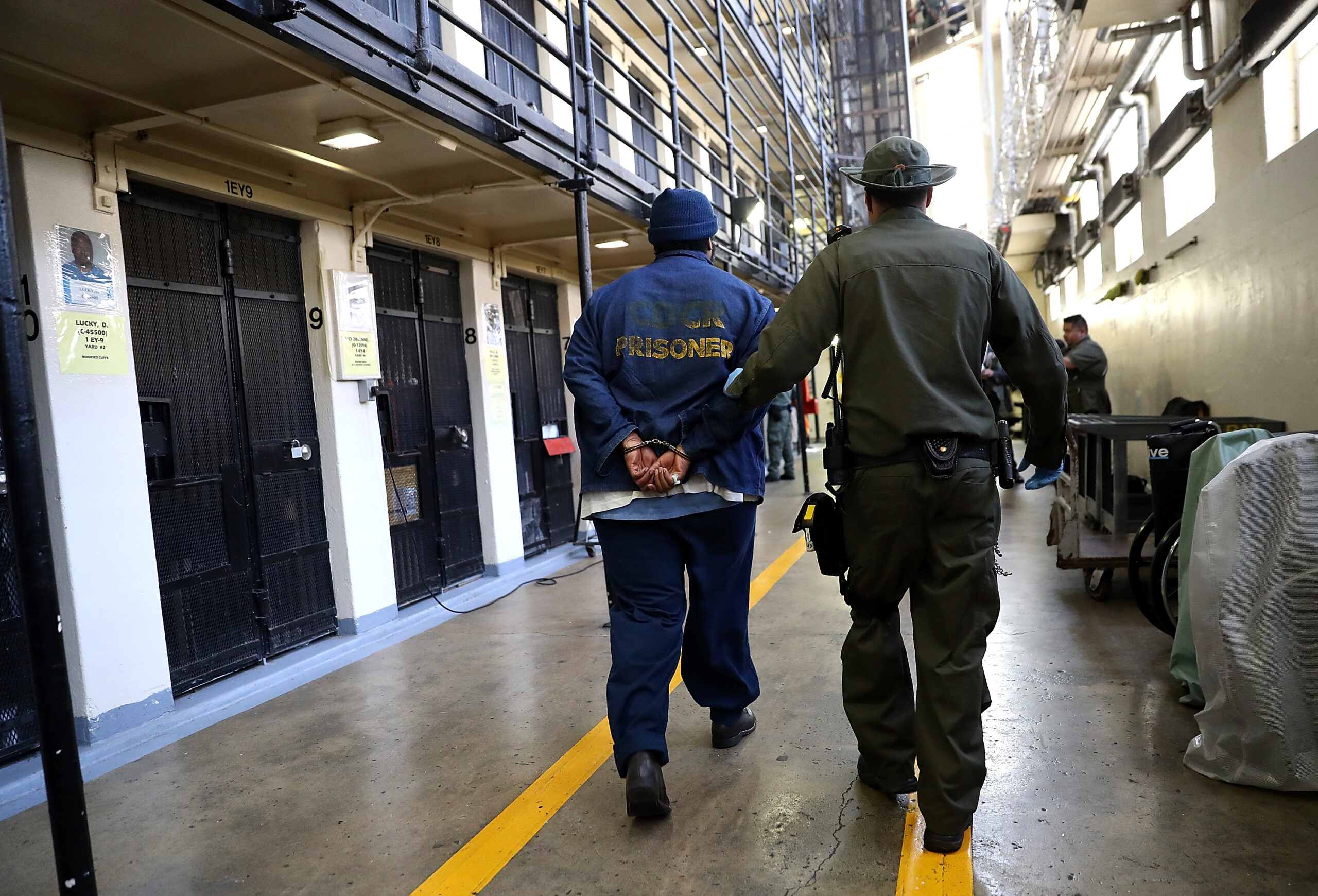
Locating and supporting a CDCR inmate requires navigating the complex regulatory framework of the California Department of Corrections and Rehabilitation. To succeed, you must use the official Public Inmate Locator tool, understand the tiered visitation system, and adhere to strict communication and financial protocols managed by third-party vendors like Viapath and GTL.
The California Department of Corrections and Rehabilitation (CDCR) is one of the largest state prison systems in the United States, managing dozens of adult institutions, conservation camps, and community correctional facilities. For family members, legal representatives, and the general public, interacting with this system can be daunting. As of 2026, the department has transitioned almost entirely to digital-first communication and scheduling, making it essential to understand the current digital platforms and physical requirements for inmate interaction.
How to Locate an Inmate in the CDCR System
The first step in any interaction is identifying the exact location and status of the individual. The CDCR provides a centralized, web-based tool known as the Public Inmate Locator. This database is updated daily and covers all individuals currently incarcerated in California state prisons.
Using the Public Inmate Locator
To search effectively, you generally need one of two things: the inmate’s legal name or their CDCR Number. The CDCR Number is a unique, six-digit alphanumeric identifier assigned to every individual upon entry into the system. Using this number is the most accurate method, as it eliminates confusion between individuals with similar or identical names.
When performing a search by name, the system requires at least a last name. Providing a first name or a partial first name can help narrow down results in a large system like California’s. The locator provides the following essential data points:
- Current Location: The specific institution where the inmate is housed (e.g., San Quentin Rehabilitation Center, Pelican Bay State Prison).
- CDCR Number: The primary identifier for all future correspondence.
- Age and Admission Date: Useful for verifying the identity of the individual.
- Parole Eligibility: While not a guarantee of release, this date indicates when the individual may first be considered for parole by the Board of Parole Hearings.
Understanding "Active" vs. "Inactive" Status
If an individual does not appear in the search results, they may have been released, transferred to a federal facility, or are currently being held in a county jail awaiting transfer. The CDCR locator only tracks individuals currently under the jurisdiction of the state prison system. If an inmate was recently paroled or discharged, they may appear in a separate "Recently Released" search or may not appear at all due to privacy and safety regulations.
Communication Channels and Regulations
Communication is vital for the rehabilitation process, but it is heavily monitored and regulated for the safety of the institution and the public. In 2026, the CDCR utilizes a combination of traditional mail and modern digital messaging.
The CDCR Tablet Program
Over the last several years, the CDCR has expanded its tablet program to nearly every institution. Inmates are issued tablets that allow for secure messaging, phone calls, and access to educational materials. These devices do not have open access to the internet; they operate on a closed network managed by authorized vendors such as Viapath (formerly GTL).
- Messaging: Similar to email, these messages are screened for contraband or prohibited content. There is typically a small fee per message, often referred to as "stamps."
- Phone Calls: Inmates can make outgoing calls during designated hours. As of 2026, many of these calls are provided at a significantly reduced rate or are free under specific state mandates, though you must still have a registered account with the vendor to receive them.
- Video Visiting: This is distinct from in-person visiting and allows families to connect remotely. These must be scheduled in advance through the vendor portal.
Traditional Mail and Packages
Physical mail remains a cornerstone of inmate support, but it is subject to the rules of Department Operations Manual (DOM). All mail must include the inmate’s full name, CDCR number, and the facility’s address, including the housing unit if known.
Prohibited Items in Mail:
- Stickers or tape of any kind.
- Perfumed paper or envelopes.
- Polaroid photos (only standard printed photos are allowed).
- More than 10 photos per envelope (subject to specific facility rules).
- Cash, checks, or money orders (these must be sent via approved financial vendors).
All mail is opened and inspected for contraband before delivery. In some high-security units, mail is scanned and delivered digitally to the inmate's tablet to prevent the introduction of drug-soaked paper into the facility.
Visitation Procedures and Requirements
Visiting a CDCR inmate is a privilege that requires a formal approval process. You cannot simply show up at a facility and request a visit.
The Visitor Application Process
Before you can schedule a visit, you must be an Approved Visitor. This involves filling out the CDCR Form 106. The background check looks for criminal history that might pose a threat to the institution. If you have been previously incarcerated in a California state prison, you may face additional hurdles or need special permission from the Warden.
Once approved, your name is added to the inmate’s visiting list. You will remain on this list until the inmate removes you or your visiting privileges are revoked due to a rule violation.
Scheduling via the VSA
In 2026, all in-person visits are scheduled through the Visitor Scheduling Application (VSA). Slots are typically released on a specific day of the week for the following weekend. Because demand often exceeds capacity, it is recommended to log in as soon as the window opens.
| Visit Type | Duration | Frequency | Requirements |
|---|---|---|---|
| In-Person (Contact) | 2–6 Hours | Every Weekend (if eligible) | Approved application, valid ID, dress code compliance. |
| Video Visit | 30–60 Minutes | Scheduled Slots | Registered vendor account, compatible device, quiet background. |
| Non-Contact | 1–2 Hours | Specific Cases | Often for disciplinary or high-security housing (behind glass). |
| Family (Overnight) | Up to 72 Hours | Limited (Qualifying Inmates) | Extensive vetting, specific relationship requirements (spouse/children). |
Dress Code and Conduct
CDCR facilities enforce a strict dress code to prevent contraband smuggling and ensure the safety of visitors and staff. Prohibited items generally include:
- Clothing that resembles inmate attire (denim on denim, forest green, or tan).
- Clothing that resembles staff uniforms (law enforcement styles).
- Excessively sheer or revealing clothing.
- Certain colors associated with gang activity (may vary by institution).
- Underwire bras (due to metal detectors) are often discouraged; sports bras are a common alternative for ease of processing.
Financial Support: Sending Money to an Inmate
Inmates need funds to purchase items from the Canteen (the prison store), such as hygiene products, snacks, and supplemental clothing. They also use funds for phone calls and messaging "stamps."
Approved Trust Vendors
You cannot send money directly to an inmate via cash or personal check. You must use one of the three state-approved vendors:
- JPay
- Access Corrections
- Viapath / GTL
These services allow you to deposit money into the inmate’s "Trust Account" using a credit or debit card, either online, via a mobile app, or at a physical walk-in location like 7-Eleven or CVS.
Restitution and Deductions
It is important to note that if an inmate owes court-ordered restitution to victims, the CDCR will automatically deduct a percentage (often 50% or more) from any incoming deposit. For example, if you send $100, the inmate may only see $45 in their spendable account after restitution and administrative fees are applied. Always factor this in when providing financial support for essential items.
Health, Welfare, and Rehabilitative Programs
The CDCR has shifted its focus heavily toward rehabilitation over the last decade. Inmates have access to various programs designed to reduce recidivism and prepare them for re-entry into society.
Medical and Mental Health Care
The California Correctional Health Care Services (CCHCS) manages medical care within the prisons. Inmates are entitled to a community standard of care. If a family member is concerned about an inmate’s health, they can file a "Family Inquiry" through the institution’s Public Information Officer (PIO). However, due to HIPAA laws, the facility cannot release specific medical details without a signed waiver from the inmate.
Educational Opportunities
Inmates are encouraged to pursue education through the Integrated Services Strategy. This includes:
- Adult Basic Education: Preparation for the GED or High School Equivalency.
- College Programs: Many institutions partner with California Community Colleges and Universities (like CSU Sacramento) to offer face-to-face and correspondence degrees.
- Vocational Training: Programs in HVAC, auto repair, coding, and carpentry.
Participation in these programs can often earn an inmate Milestone Completion Credits, which may slightly reduce their time served, depending on the nature of their offense and current state sentencing laws.
Legal Rights and Parole Information
Navigating the legal status of a CDCR inmate involves staying informed about their "Release Date" and "Board of Parole Hearings" (BPH) schedule.
Parole Suitability Hearings
For inmates serving "life with the possibility of parole" or those eligible under "Youth Offender" or "Elderly Parole" laws, the BPH conducts hearings to determine if the individual no longer poses a threat to public safety. These hearings are high-stakes and involve a panel of commissioners.
Family members and victims can participate in these hearings, either in person or via video conference. The results are usually "Grant," "Denial" (for a period of 3, 5, 7, 10, or 15 years), or "Stipulation" (where the inmate admits they are not yet ready for parole).
Legal Mail
Communication with an attorney is protected and is handled differently than personal mail. Legal mail must be clearly marked "Legal Mail" and is opened in the presence of the inmate to check for contraband but is not read by prison staff. This ensures the confidentiality of the attorney-client privilege.
Common Challenges and Troubleshooting
The CDCR system is massive, and delays are common. If you encounter issues, here is how to resolve them:
- Transfer Delays: When an inmate is transferred between facilities, their "property" and "trust account" may take several weeks to follow them. During this "layover" period, they may have limited access to phones or the canteen.
- Lockdowns/Modified Programs: If a facility experiences a security incident, it may go into a "Modified Program." This typically cancels visitation and limits phone access. Check the CDCR Facility Status page before traveling for a visit.
- Incorrect Information: If the Inmate Locator shows the wrong information, the inmate must usually resolve this through the "Appeals" or "Grievance" process (Form 602) within the institution.
Frequently Asked Questions
How do I find an inmate's CDCR number?
You can find an inmate's CDCR number by using the Public Inmate Locator on the official CDCR website. You will need to enter their legal first and last name. If the name is common, you may need to look through the results to find the correct individual based on their age or the facility where they are being held.
Can I send a care package to a CDCR inmate?
Yes, but only through "Approved Quarterly Package Vendors." You cannot send a package you put together yourself at home. Companies like Access Securpak, Union Supply Direct, and Walkenhorst’s are authorized to ship pre-approved items (food, clothing, electronics) directly to the facility. Inmates are generally allowed one package per quarter, and the weight limit depends on their privilege group.
What should I do if a family member in prison is having a medical emergency?
If you receive information that a family member is in immediate medical danger, contact the institution's main phone number and ask to speak with the "Medical Duty Officer" or the "Public Information Officer." While they may not be able to give you specific details due to privacy laws, they can confirm if the inmate is being treated or has been transported to an outside hospital.
Why was my visitation application denied?
The most common reasons for denial include failing to disclose a prior criminal record on the application, being a victim of the inmate’s crime, or having an active warrant. If denied, you will receive a letter explaining the reason, and you may have the right to appeal the decision to the Warden of the facility.
How do I stop receiving unwanted calls from an inmate?
If you are receiving harassing or unwanted calls from a CDCR facility, you can follow the prompts on the call itself to block the number. Alternatively, you can contact the CDCR’s "Inmate Collect Call Intercept" service or the vendor (Viapath/GTL) to place a permanent block on your phone number.
Summary of Actionable Steps
To effectively support a CDCR inmate in 2026, you should:
- Verify Location: Use the Public Inmate Locator to confirm the facility and CDCR number.
- Register with Vendors: Create accounts on GTL/Viapath for messaging and JPay/Access Corrections for funds.
- Apply to Visit: Submit Form 106 early, as background checks can take 30 to 90 days.
- Monitor Status: Regularly check the CDCR facility status website for any lockdowns that might cancel scheduled visits.
By following these procedures, you ensure that your communication and support remain consistent while complying with the strict safety regulations of the California prison system.