When you experience a Met-Ed outage, your primary goal is to report the issue promptly to the utility provider and maintain safety until service is restored. Metropolitan Edison (Met-Ed), a subsidiary of FirstEnergy, provides electricity to a significant portion of eastern and central Pennsylvania. If your power goes out, the most efficient path to restoration is verifying the scope of the outage via the official FirstEnergy outage map, reporting your specific address through their online portal or mobile app, and following established safety protocols until crews arrive to perform repairs.
Understanding Your Electrical Service and Outage Responsibilities
Metropolitan Edison, known as Met-Ed, serves over 500,000 customers across Pennsylvania. As a regulated utility provider, Met-Ed is responsible for maintaining the electrical grid, including transformers, power lines, and substations. When a service interruption occurs—whether caused by severe weather, equipment failure, or accidental damage—the utility company relies on a combination of automated grid monitoring systems and individual customer reports to identify the exact location of the fault.
It is a common misconception that simply waiting for the utility to "notice" an outage is the fastest approach. While smart meters (Advanced Metering Infrastructure) notify the utility when power is lost at a specific home, reporting your outage manually provides redundant verification, especially in rural areas or during major regional events where the system may be flooded with data. By proactively notifying the utility, you ensure your residence is included in the restoration priority list, which is generally structured based on repairing major infrastructure that restores the highest number of customers first, followed by smaller circuits and individual service lines.
How to Properly Report an Outage to Met-Ed
In 2026, Met-Ed maintains several channels for reporting service interruptions. Using these official channels is critical for ensuring your information enters the utility’s dispatch system accurately.
The Online Outage Reporting Tool
The most direct way to report an outage is via the official FirstEnergy website. Once you navigate to the report page, you will be prompted to enter your primary phone number, your account number, or the address associated with the service. This system cross-references your information with the grid database to confirm the service point. If the system already acknowledges an outage in your area, it will provide the latest status updates and estimated restoration times (ERTs).
Mobile Application and Text Messaging
For those who prefer mobile interaction, the FirstEnergy mobile app offers a "Report Outage" feature. This is particularly useful during storms if your home internet is down but cellular data is active. Additionally, Met-Ed supports text message reporting. By texting "OUT" to their designated shortcode, you can initiate a report. Ensure your mobile number is registered within your online account profile beforehand to make this process seamless during an emergency.
Telephone Reporting
If you lack internet access or are uncomfortable using digital tools, you can call the Met-Ed customer service line. During high-volume outage events, phone lines may experience long wait times. It is recommended to use the automated phone system rather than waiting to speak to a human representative, as the automated system is directly integrated into the outage management software.
Interpreting Outage Map Data and Restoration Times
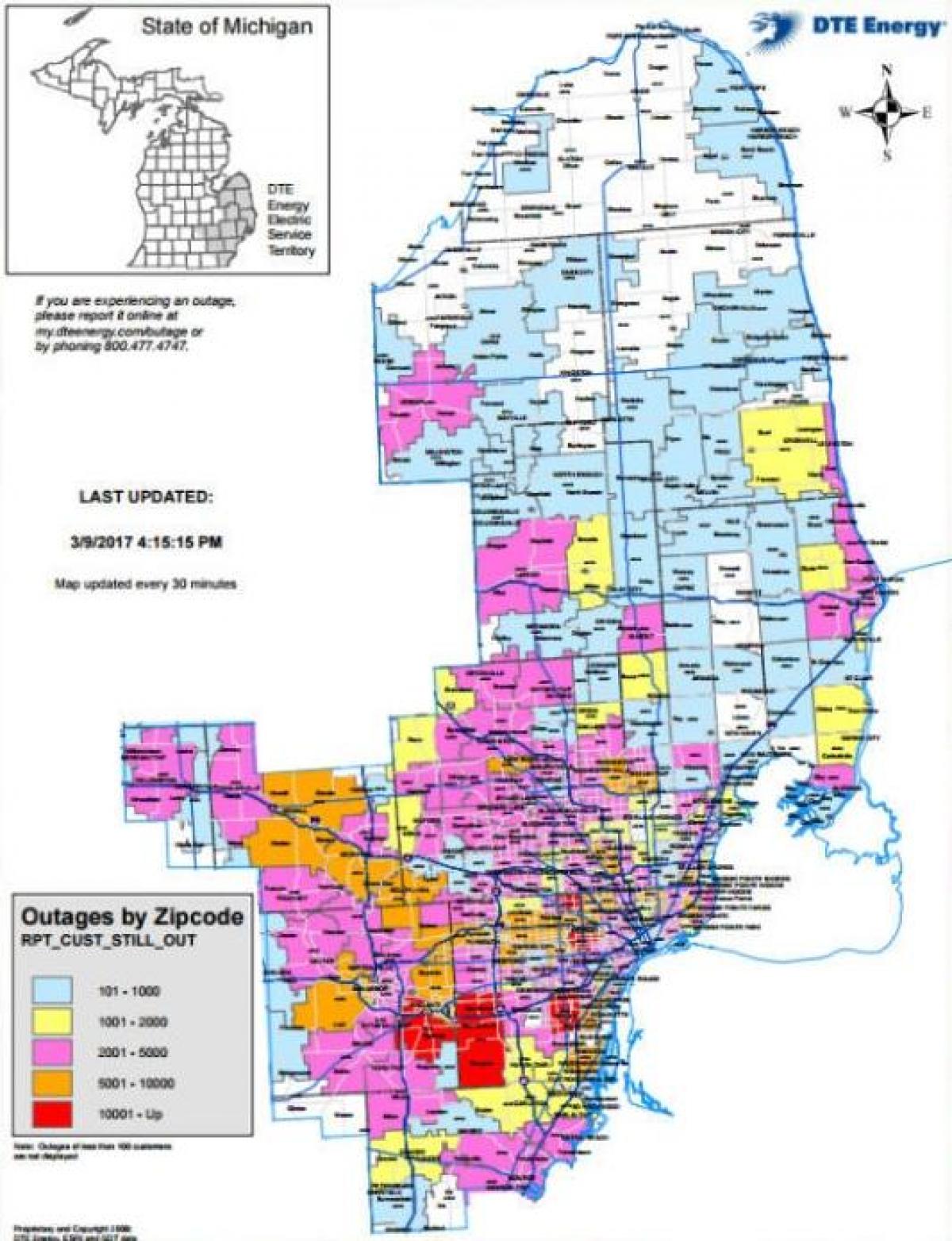
The Met-Ed outage map is a critical resource for situational awareness. When viewing this map, you will see clusters of colored icons representing active incidents. These icons typically signify the size of the outage, the number of customers affected, and the current status of the repair crew.
Understanding Estimated Restoration Times (ERT)
The Estimated Restoration Time provided on the map is a calculation based on historical data and initial field assessments. It is important to treat the ERT as an estimate rather than a guarantee. Factors such as unforeseen damage to underground cables, difficult terrain, or the need for specialized equipment (such as bucket trucks or line clearing crews) can cause this time to fluctuate. If an outage is extensive, the utility may update the ERT as crews gain a better understanding of the necessary repairs.
Status Indicators
- Crew Assigned: A repair crew has been dispatched to your specific area.
- Assessing/Investigating: The utility is determining the cause and extent of the damage.
- Repairing: Crews are physically working on the equipment required to restore power.
- Power Restored: The system detects that the service line is energized.
| Status | What It Means for You | Action Required |
|---|---|---|
| Investigating | Damage is being located | None; monitor updates |
| Crew Assigned | Logistics are in motion | Keep area clear for trucks |
| Repairing | Active physical work | Stay away from power lines |
| Restored | Service should be live | Check breakers; report if off |
Essential Safety Protocols During an Outage
Safety is the absolute priority during any electrical emergency. Improper behavior around downed power lines or within a darkened home can lead to severe injury or fatality.
Avoiding Downed Power Lines
Always assume that any downed power line is live and dangerous. Never approach a fallen line, and keep children and pets at a significant distance. If you see a downed line, report it immediately to Met-Ed or local emergency services. Do not attempt to move tree limbs or debris that may be tangled in power lines, as these can conduct electricity even if the line does not appear to be sparking.
Electrical Equipment and Appliances
During an outage, it is advisable to turn off or unplug sensitive electronic equipment, such as computers, televisions, and HVAC systems. When power is restored, it can sometimes arrive with a brief "surge" or voltage spike that can damage sensitive electronics. Wait until the power has been stable for a few minutes before reconnecting these items. If you are using a portable generator, ensure it is properly vented and never connected directly to your home’s main electrical panel without a transfer switch installed by a licensed electrician, as this creates a dangerous "backfeed" that can electrocute utility workers.
Food Safety and Temperature Control
Keep refrigerator and freezer doors closed as much as possible. A full freezer will typically keep food frozen for approximately 48 hours if kept closed, while a refrigerator will keep food cold for about 4 hours. If the outage lasts longer than this, use dry ice or move perishable goods to a cooler with ice to prevent foodborne illness.
Troubleshooting Your Home Service
Sometimes, a power issue is localized to your home rather than the grid. Before assuming it is a widespread Met-Ed outage, perform a quick check of your own electrical systems.
- Check Your Breaker Panel: Look for tripped breakers or blown fuses. If a main breaker has tripped, resetting it might restore power. If it trips again immediately, do not force it to stay on, as this indicates a short circuit that requires professional electrical inspection.
- Consult Neighbors: If your neighbors have power but you do not, the issue is likely specific to your service drop (the line connecting your house to the pole). Report this as an individual outage.
- Check for "Partial" Power: If some lights are dim or some outlets are working while others are not, you may be experiencing a dropped neutral line. This is a hazardous condition that should be reported to Met-Ed immediately, as it can cause damage to your appliances and presents a fire risk.
Frequently Asked Questions
Why does my neighbor have power, but I don't?
Power is distributed through circuits and lateral lines. A single tree limb or equipment failure might affect one transformer or a specific section of the circuit, leaving houses on the same street with different service statuses. Report your outage specifically so the utility knows your service point is affected.
Can I get a credit on my bill for the time the power was out?
Under standard utility regulations in Pennsylvania, Met-Ed is not generally required to provide bill credits for power outages caused by weather or external factors. Credits are typically reserved for billing errors or specific regulatory non-compliance issues.
How often should I check for updates on the outage map?
Checking the map every 30 to 60 minutes is usually sufficient. During major storms, the utility may update the page at a slower interval. If you are signed up for text or email alerts, the utility will notify you automatically when the status changes.
Is it safe to use candles during a long outage?
No. Candles are a significant fire hazard. It is highly recommended to use battery-operated lanterns, LED flashlights, or headlamps. These provide better illumination and eliminate the risk of accidental fire if a candle is knocked over.
What should I do if my power comes back on but flickers?
If you notice flickering, humming, or burning smells shortly after power restoration, turn off your main breaker immediately and contact a licensed electrician. This could indicate a loose connection or damaged equipment at your service entrance.
Preparing for Future Outages
The most effective way to deal with future outages is preparation. Maintain an "emergency kit" that includes extra batteries, a hand-cranked radio, bottled water, non-perishable food, and a list of emergency phone numbers. Ensure that your account contact information is current with Met-Ed, as they use this data to send proactive alerts about estimated restoration times. By understanding the infrastructure and the reporting process, you can move from a state of uncertainty to one of managed action, ensuring your home and family remain safe until the grid is fully restored.
If you suspect your electrical issue is not part of a grid-wide outage—such as a burning smell from your panel or a sparking meter—contact your local emergency services (911) immediately, then call Met-Ed to request an emergency safety disconnection.