Navigating the compensation landscape for public employees in the Evergreen State requires a clear understanding of transparent government databases, collective bargaining agreements, and localized pay structures. (Note: This article focuses exclusively on public sector compensation managed by the State of Washington, including state agencies, higher education institutions, and public school districts.) Washington State maintains a robust open-government philosophy, making public employee salaries accessible, highly regulated, and tied directly to legislative appropriations and economic indices for the year 2026.
Understanding the Washington State Employee Salary Database
Public transparency laws in Washington mandate that compensation data for state workers remain accessible to taxpayers and researchers alike. The Office of Financial Management (OFM) oversees the statewide human resources and payroll systems, compiling comprehensive records of state employee earnings.
State positions are classified under a uniform system overseen by the Washington State Department of Human Resources (DHR). Each job title is assigned to a specific salary range based on market rates, duties, and required qualifications.
- Ranges and Steps: State positions typically utilize a salary schedule featuring multiple ranges and incremental steps. Employees generally advance one step annually, provided their performance is satisfactory, until they reach the top step of their assigned range.
- Higher Education Variances: Personnel at public universities such as the University of Washington and Washington State University operate under distinct higher education salary schedules that reflect faculty rankings, research contributions, and specialized professional credentials.
- Exempt vs. Classified Service: Classified employees enjoy civil service protections and rigid step-based salary progressions, whereas exempt employees serve at the pleasure of leadership and have compensation rates set directly by agency heads or governing boards within statutory caps.
Current Economic Drivers and 2026 Compensation Trends
Inflationary pressures, cost-of-living adjustments (COLAs), and persistent labor competition heavily influence the 2026 fiscal budget. State lawmakers and union representatives negotiate multi-year collective bargaining agreements that establish baseline wage increases across various state agencies.
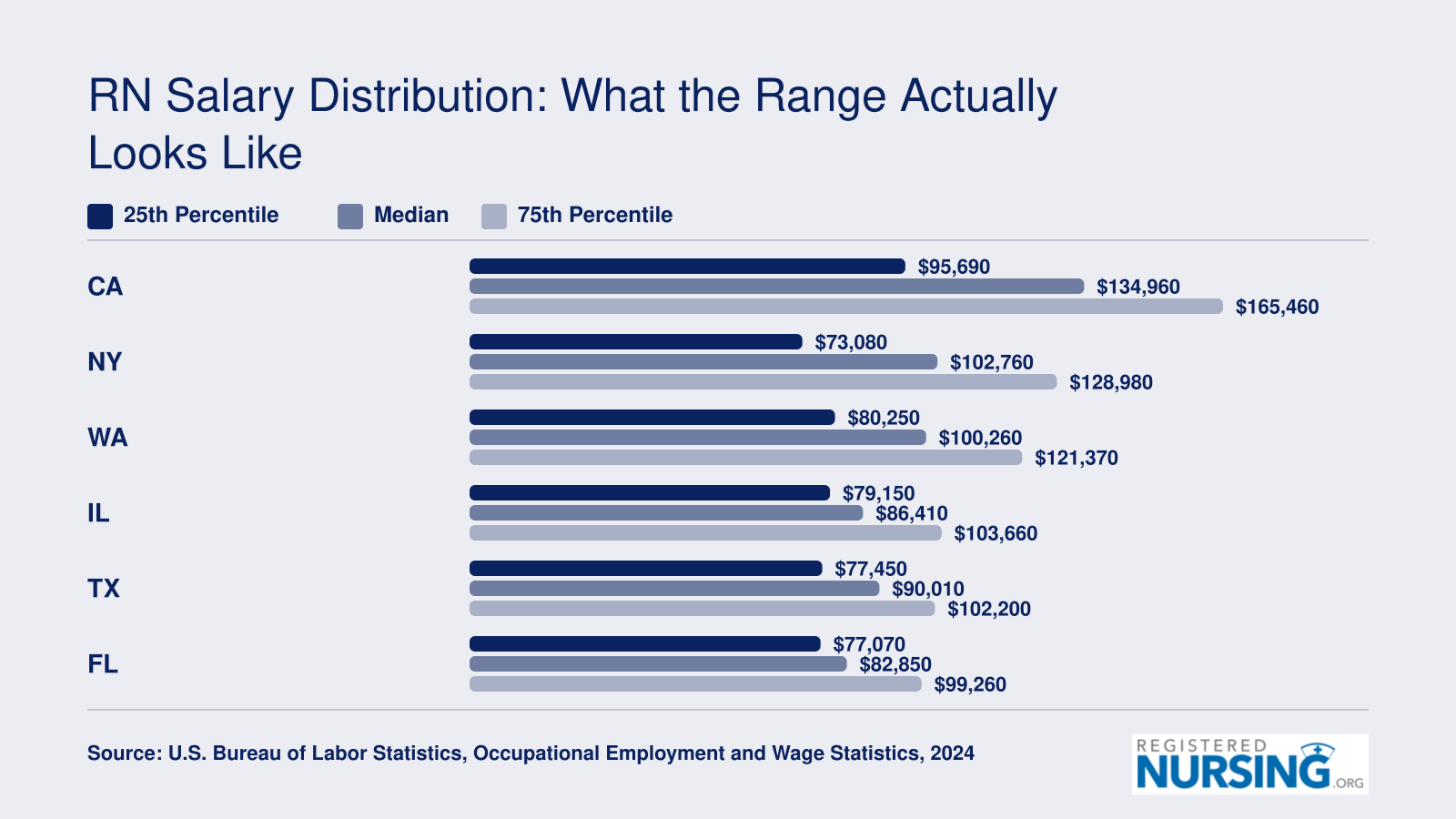
The state government competes directly with the private technology and healthcare sectors concentrated in the Puget Sound region. Consequently, recruitment and retention challenges have pushed wage benchmarks higher for IT specialists, registered nurses within state-operated psychiatric facilities, and licensed civil engineers.
| Sector / Classification | Average Base Salary Range (2026) | Primary Cost Drivers & Adjustments |
|---|---|---|
| Administrative Support | $45,000 - $68,000 | Regional cost-of-living adjustments, localized minimum wage policies. |
| Professional & Technical | $70,000 - $115,000 | High demand for technical skills, market rate alignment studies. |
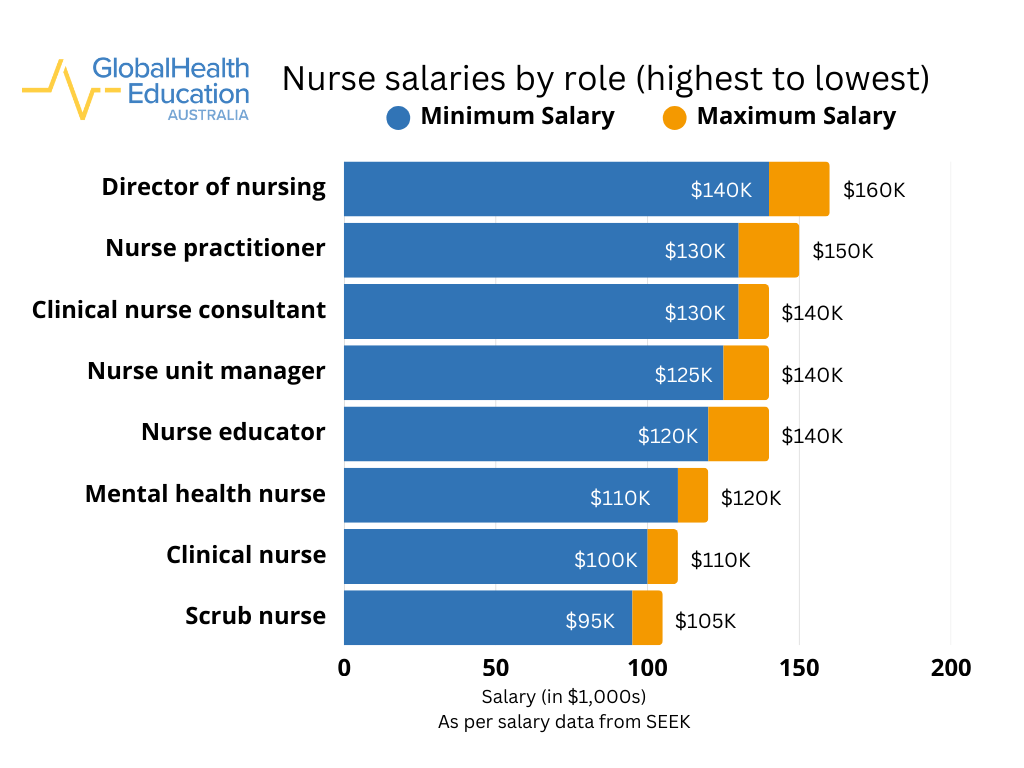
| Healthcare & Nursing | $85,000 - $155,000 | Specialized credentialing, shift differentials, critical shortage premiums. |
| Higher Education Faculty | $80,000 - $175,000 | Academic rank, peer institution benchmarking, research grants. |
| Senior Management | $120,000 - $210,000 | Executive responsibility scope, statutory caps, legislative approval. |
How to Search and Verify State of Washington Salaries
Publicly available tools allow citizens, journalists, and job seekers to look up specific state worker earnings. Transparency portals provide itemized breakdowns of base pay, overtime, lump-sum payments, and total compensation packages.
Step-by-Step Lookup Process
- Identify the Agency: Determine whether the worker is employed by a state cabinet agency, higher education institution, or local municipality, as database portals vary by jurisdiction.
- Access the Official Portal: Navigate to the Washington State Office of Financial Management (OFM) Transparent Washington database or the Washington State Employee Salary Database hosted by independent news organizations.
- Input Search Parameters: Enter the employee's full name, specific job title, or employing agency into the search fields.
- Analyze Total Compensation: Review beyond the base salary figure to account for employer-paid benefits, retirement contributions through the Department of Retirement Systems (DRS), and medical insurance through the Public Employees Benefits Board (PEBB).
Benefits, Allowances, and Total Compensation Packages
A raw salary figure tells only part of the story for Washington public servants. The total compensation framework incorporates comprehensive fringe benefits that often bridge the gap between public and private sector pay differentials.
Public Employees Benefits Board (PEBB) Standards: Washington state employees benefit from robust healthcare plans, including comprehensive medical, dental, and vision coverage. The state covers a significant portion of the monthly premium for eligible employees and their dependents, providing substantial indirect value beyond the standard paycheck.
Retirement security represents another critical component. Most state workers participate in the Public Employees' Retirement System (PERS) or specialized plans like the Law Enforcement Officers' and Fire Fighters' (LEOOF) retirement system, which offer defined benefit pensions or hybrid retirement options depending on the hire date.
Pros and Cons of Public Sector Employment in Washington
Choosing a career within Washington state government involves a strategic weighing of financial stability, workplace culture, and career trajectory against private sector alternatives.
Advantages
- Job Security: Civil service regulations provide robust protections against arbitrary termination and economic volatility.
- Predictable Wage Progression: Transparent step increases ensure steady income growth over time without requiring aggressive individual salary negotiations.
- Work-Life Balance: Generous paid time off, state holidays, and structured telework policies support personal well-being.
- Defined Pensions: Guaranteed retirement income streams reduce exposure to market-driven investment risks.
Disadvantages
- Lagging Top-End Pay: Highly specialized professionals, particularly in executive tech and senior medical roles, may earn significantly less than their private sector counterparts in Seattle and Bellevue.
- Bureaucratic Constraints: Promotion timelines can be rigid, heavily dictated by civil service exams and classification rules rather than rapid merit-based advancement.
- Budgetary Vulnerabilities: State salary adjustments and general wage increases remain subject to political negotiations and tax revenue fluctuations during legislative sessions.
Frequently Asked Questions
Where can I find official records of Washington state employee salaries?
Official salary records are maintained by the Washington State Office of Financial Management (OFM) and published through state transparency databases. Public citizens can search these databases online to view gross wages and job titles for virtually all state agency workers.
Do Washington state employees receive annual cost-of-living adjustments?
Cost-of-living adjustments are not automatic; they are determined through legislative appropriations and collective bargaining agreements between the state and public employee unions. These negotiated increases typically take effect at the start of each fiscal biennium or annual cycle.
How are salary ranges established for new state job classifications?
The Washington State Department of Human Resources conducts comprehensive salary surveys and market analyses to compare public sector roles against regional labor markets. These studies dictate whether a job classification requires a range adjustment to remain competitive.
Are public university professors' salaries paid by state taxes included in public databases?
Yes, employees at public higher education institutions, including the University of Washington and Washington State University, are public servants whose compensation is fully disclosed in state salary databases. However, portions of their funding may derive from grants, tuition, and endowments rather than direct tax revenues.
What is the difference between base salary and total compensation for state workers?
Base salary reflects the direct annual pay before taxes and deductions, whereas total compensation includes the monetary value of state-paid health insurance, retirement contributions, life insurance, and other fringe benefits provided by the employer.
Securing Your Public Sector Career Path
Evaluating state of wa salaries for 2026 reveals a transparent, structured compensation system designed to balance fiscal responsibility with market competitiveness. Whether you are analyzing public spending or pursuing employment within a state agency, utilizing official OFM resources and understanding the nuances of step-based progression will provide an accurate picture of Washington's public workforce economics. Review current job openings and explore the transparent salary schedules directly through state agency career portals to take the next step in your professional journey.