Clinical Disambiguation Note This operational guide covers outpatient phlebotomy, specimen logistics, and diagnostic testing at UR Medicine Labs (University of Rochester Medical Center network). If your objective is simply interpreting an individual personal lab report from an outside commercial lab, this resource provides panel-by-panel clinical reference ranges alongside Rochester-area facility access protocols.
Routine phlebotomy forms the foundation of modern preventative and acute diagnostic medicine. UR Medicine Labs represents the largest clinical laboratory network in upstate New York, processing over 10 million diagnostic tests annually across Monroe, Ontario, Livingston, Wayne, and surrounding counties. Navigating blood work orders, fasting requirements, walk-in availability, and electronic medical record (EMR) portals requires practical knowledge of regional clinical operations.
Whether your physician ordered a comprehensive metabolic evaluation through the Strong Memorial network or you are preparing for specialized autoimmune titers, proper pre-analytical preparation directly impacts specimen accuracy. Hemolysis, lipemia, and dehydration remain leading causes of rejected specimens and erroneous analyte reads. Understanding the workflows of UR Medicine blood labs ensures an efficient visit and clinically valid results.
Navigating the UR Medicine Laboratory Network in Upstate New York
UR Medicine Labs operates dozens of outpatient blood draw stations strategically distributed to serve primary care clinics, specialty centers, and regional hospitals including Strong Memorial Hospital, Highland Hospital, F.F. Thompson Hospital, and Golisano Children's Hospital.
Key Blood Draw Locations and Operational Profiles
Most outpatient patient service centers (PSCs) operate on a walk-in basis, while select high-volume sites offer scheduled appointments via MyURMedicine (powered by Epic Systems).
- Strong Memorial Hospital Outpatient Phlebotomy (Rochester): Located within the main hospital complex at 601 Elmwood Avenue. Ideal for immediate post-clinic visits, specialty hematology/oncology draws, and dynamic endocrine testing requiring timed blood draws.
- Sawgrass Outpatient Surgical & Diagnostic Center (Henrietta): Located at 180 Sawgrass Drive. High-throughput center with dedicated pediatric phlebotomists, accessible surface parking, and extended weekday morning hours.
- Midtown/Downtown Clinical Centers (Rochester): Convenient for urban professionals, offering standard specimen collection alongside pre-employment screening.
- Suburban Outpatient Hubs (Greece, Pittsford, Webster, Penfield): Located inside multi-specialty practices (e.g., Calkins Corporate Park in Henrietta or Clocktower Commons in Penfield), minimizing transit times for routine monitoring.
Standard operating hours at high-traffic suburban centers typically run from 6:30 AM or 7:00 AM to 5:00 PM Monday through Friday, with select locations offering Saturday morning service between 7:30 AM and 12:00 PM. Arriving during peak fasting hours (between 7:00 AM and 9:30 AM) generally involves longer queue times; mid-afternoon windows offer shorter waits for non-fasting orders.
Core Blood Panels: Clinical Significance, Biomarkers, and Fasting Parameters
Physicians order specific groupings of blood tests to evaluate organ function, systemic inflammation, metabolic health, and cellular counts. Standardizing specimen collection conditions prevents false elevations or depressions of sensitive physiological markers.
| Panel Name | Primary Biomarkers Measured | Fasting Requirement | Turnaround Time (Routine) | Primary Clinical Objective |
|---|---|---|---|---|
| Complete Blood Count with Differential (CBC w/ Diff) | White Blood Cells (WBC), Red Blood Cells (RBC), Hemoglobin, Hematocrit, Platelets, Differential | Non-Fasting (Hydration Recommended) | 2 to 6 Hours | Detect anemia, active infection, bone marrow disorders, and clotting risks. |
| Comprehensive Metabolic Panel (CMP) | Glucose, Calcium, Sodium, Potassium, CO2, Chloride, BUN, Creatinine, Total Protein, Albumin, Bilirubin, AST, ALT, Alkaline Phosphatase | Strict 8–12 Hour Fast (Water Permitted) | 4 to 8 Hours | Assess kidney and liver integrity, electrolyte balance, and glycemic control. |
| Lipid Panel | Total Cholesterol, HDL-C, LDL-C (Calculated or Direct), Triglycerides, Non-HDL Cholesterol | Strict 9–12 Hour Fast | 6 to 12 Hours | Cardiovascular risk stratification and monitoring lipid-lowering pharmacotherapy. |
| Hemoglobin A1c (HbA1c) | Glycated Hemoglobin Percentage | Non-Fasting | 4 to 12 Hours | Monitor 90-day glycemic averages for type 1 and type 2 diabetes management. |
| Basic Coagulation Panel (PT/INR, PTT) | Prothrombin Time, International Normalized Ratio, Partial Thromboplastin Time | Non-Fasting | 2 to 4 Hours | Monitor anticoagulant therapy (Warfarin), preoperative bleeding risk assessment. |
| Thyroid Stimulating Hormone (TSH) with Reflex Free T4 | TSH, Free Thyroxine (if TSH is aberrant) | Non-Fasting (Morning Preferred) | 12 to 24 Hours | Screen for hypothyroidism, hyperthyroidism, and dosage titration of levothyroxine. |
Physiological Nuances of Fasting and Hydration
Fasting means total caloric deprivation. Coffee (even black), teas, smoking, and chewable supplements trigger enzymatic pathways, stimulate gallbladder contraction, and temporarily alter serum glucose and triglyceride concentrations.
Hydration with plain water is mandatory unless your physician has placed you on strict fluid restrictions for congestive heart failure or end-stage renal disease. Dilute veins are significantly easier to palpate, reducing venipuncture trauma and eliminating sample hemolysis—the cellular breakdown that releases intracellular potassium into the serum, causing erroneous hyperkalemia reports.
Step-by-Step Patient Workflow: From Requisition to Specimen Collection
Securing accurate diagnostic data involves several sequential stages. Following this standard operational protocol avoids common administrative and clinical bottlenecks.
Phase 1: Requisition Verification
- Check Electronic Placement: Verify with your ordering provider that an electronic lab order has been signed and transmitted through Epic/MyURMedicine. If a paper requisition is provided, inspect it for the ordering physician's National Provider Identifier (NPI), signature, and exact International Classification of Diseases (ICD-10) diagnosis codes. Missing diagnostic indications lead to billing denials or specimen processing holds.
- Verify Special Collection Handling: Certain tests (such as Cortisol, Renin, Adrenocorticotropic Hormone [ACTH], or Cryoglobulins) necessitate collection at precise times of the day, immediate placement on wet ice, or warm bath transport. Confirm with your provider if specialized handling applies.
Phase 2: Day-of-Draw Execution
- Hydrate Early: Consume two glasses of plain water 45 to 60 minutes before arriving at the laboratory.
- Medication Management: Unless specifically directed by your prescribing physician to hold medications (for therapeutic drug level monitoring, such as Digoxin, Lithium, or Levothyroxine), take your daily prescription medications with plain water.
- Check-in and Identity Verification: State laws and College of American Pathologists (CAP) standards require two distinct patient identifiers (full legal name and date of birth) before any phlebotomist applies a tourniquet or places a barcode on a tube. Always present a physical photo ID and active insurance cards.
Phase 3: Post-Draw Care and Bruising Prevention
- Direct Pressure: Keep direct, firm pressure on the puncture site with the provided gauze for a minimum of three continuous minutes. Bending the elbow does not apply adequate pressure to the vein and increases the incidence of hematoma formation.
- Avoid Heavy Lifting: Keep the punctured arm free from carrying heavy bags or performing strenuous resistance exercises for at least two hours following venipuncture.
Accessing and Deciphering Blood Test Results via MyURMedicine
Test results generated across the UR Medicine laboratory network route through the central automated core laboratory at 211 Bailey Road in West Henrietta or local hospital core labs.
Electronic Result Delivery Timelines
Most routine panels (CBC, CMP, basic urinalysis, cardiac troponins, and basic coagulopathy profiles) populate the online portal within 4 to 24 hours of draw completion. Complex testing—such as flow cytometry, molecular genetics, viral loads, and surgical pathology specimens—requires extended run times, ranging from 48 hours to two weeks.
Federal rules under the 21st Century Cures Act mandate immediate electronic release of clinical diagnostic notes and laboratory findings to patients as soon as finalized by the testing analyzer. You may view an abnormal result before your ordering clinician has had an opportunity to review and contextualize the report.
Deciphering the Standard Reference Range
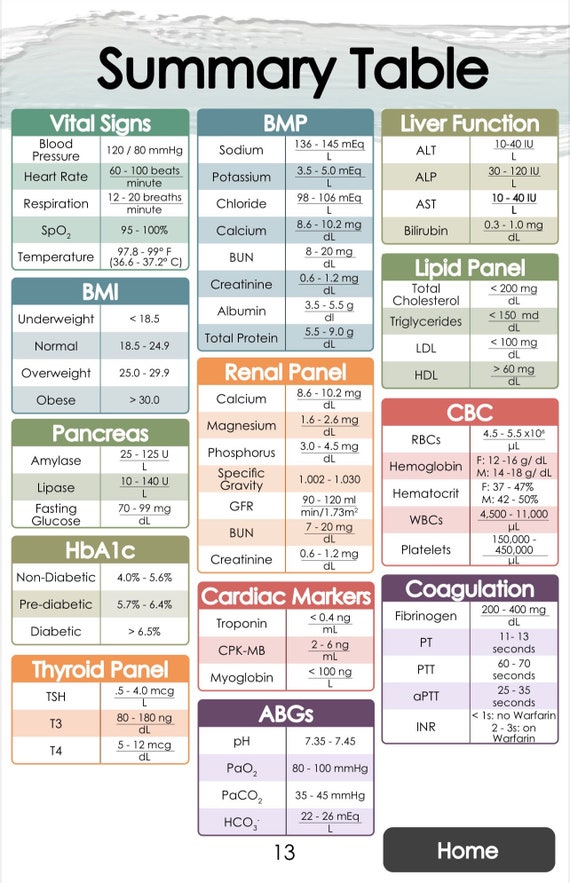
Clinical laboratories calibrate reference ranges based on healthy reference populations within standardized standard deviations.
- Flagged Results (High/Low): A result labeled outside the reference window does not automatically indicate pathology. Minor deviations occur due to seasonal variation, rigorous baseline exercise (which raises AST and creatine kinase), or individual baseline biology.
- Critical Alert Values: If an analyte falls into a life-threatening tier (e.g., Potassium below 2.8 mmol/L or above 6.2 mmol/L; Platelets below 20,000/uL), the laboratory protocol dictates an immediate verbal phone call from the technologist directly to your physician's office or emergency contact team for rapid clinical intervention.
Insurance Participation, Out-of-Pocket Transparency, and Financial Regulations
Billing dynamics for diagnostic work hinge on medical necessity documentation and active in-network health plan contracts across the Western New York and Finger Lakes regions.
Major In-Network Insurance Carriers
UR Medicine Labs maintains active diagnostic participating provider agreements with major commercial, state, and federal payers, including:
- Excellus BlueCross BlueShield
- MVP Health Care
- Aetna Commercial and Medicare Advantage
- UnitedHealthcare (Commercial and Community Plan)
- Traditional Original Medicare (Part B covers outpatient clinical laboratory tests at 100% of the approved fee schedule when medically necessary)
- New York State Medicaid and affiliated Managed Medicaid plans
Cost Mitigation Protocols and Self-Pay Structure
If you carry high-deductible health plans (HDHPs) or lack clinical diagnostic coverage, obtain the Current Procedural Terminology (CPT) codes from your doctor before collection. For routine wellness evaluations, commercial insurers generally cover annual preventive screenings (such as fasting glucose and lipid panels) without cost-sharing. However, tests categorized as diagnostic rather than preventive (e.g., evaluating chronic fatigue, hormone balancing, or Vitamin D screening without documented deficiency) are routinely subject to deductibles and co-insurance.
Frequently Asked Questions
Can I complete my UR blood labs at any outpatient location, or must I go where my doctor practices?
You can have your blood drawn at any certified UR Medicine Labs outpatient service center regardless of which network clinic submitted the order. Because all network sites utilize a unified electronic health record system, phlebotomists access your requisition digitally across the entire regional system.
Detailed records are tied to your central medical record number, meaning a requisition placed by a clinician in Canandaigua can be drawn at a site in Greece, Webster, or downtown Rochester without manual paper transfers. Always bring your photo ID and insurance card to verify your identity.
What should I do if my blood test results appear flagged as abnormal in my patient portal?
Do not make sudden changes to your prescription medications or diet based on a flagged value before consulting your healthcare team. Flagged parameters frequently represent minor physiological fluctuations, baseline individual variations, or non-critical chronic baseline values.
Your physician evaluates your results alongside your physical exam, history, and current symptoms. If a result represents an acute medical risk, the laboratory directly contacts the ordering provider's on-call clinical team, who will notify you immediately with appropriate medical instructions.
Why do some lab tests require fasting while others do not?
Fasting standardizes the physiological state of the blood by clearing recently absorbed nutrients, lipids, and sugars from systemic circulation. Ingesting food causes acute spikes in blood glucose and triglycerides, and can induce turbidity (lipemia) in serum that optically interferes with automated testing instruments.
Panels evaluating cardiovascular risk (lipid panels) and metabolic regulation (fasting blood glucose) rely on steady-state baseline parameters. For non-fasting tests like a complete blood count or thyroid panel, cellular components and hormone levels remain stable regardless of recent meals, eliminating the need for dietary restrictions.
How much water should I drink before my blood draw?
Drink two to three glasses of plain, unflavored water one hour prior to your visit. Well-hydrated veins are visibly engorged and resist collapsing when the vacuum collection tube fills, making the draw faster and minimizing bruising.
Adequate hydration also reduces the likelihood of vasovagal episodes (fainting or dizziness) during or immediately following venipuncture. Unless you have medical instructions limiting fluids due to kidney disease or heart conditions, arriving well-hydrated is standard best practice.
Can I take my regular medications on the morning of a fasting blood test?
In most cases, you should take all daily maintenance prescriptions with water, but verify specific guidelines if you take thyroid or diabetes medications. Blood pressure, cardiac, and seizure medications must not be omitted unless your physician specifically directs you to withhold them.
If you are undergoing therapeutic drug monitoring (e.g., checking blood levels of lithium, digoxin, or anti-seizure drugs), you may be instructed to complete the blood draw precisely at trough level—immediately before your next scheduled dose. Clarify this timing with your doctor prior to your morning appointment.
Optimize Your Next Clinical Laboratory Visit
Diagnostic blood work provides the objective foundation for your medical care. Preparing properly through accurate fasting and hydration ensures that your UR Medicine laboratory results reflect your true health baseline. Review your digital requisitions through MyURMedicine prior to departure, choose an outpatient center that aligns with your schedule, and follow up directly with your primary care team once your completed analytical panels populate your patient chart.