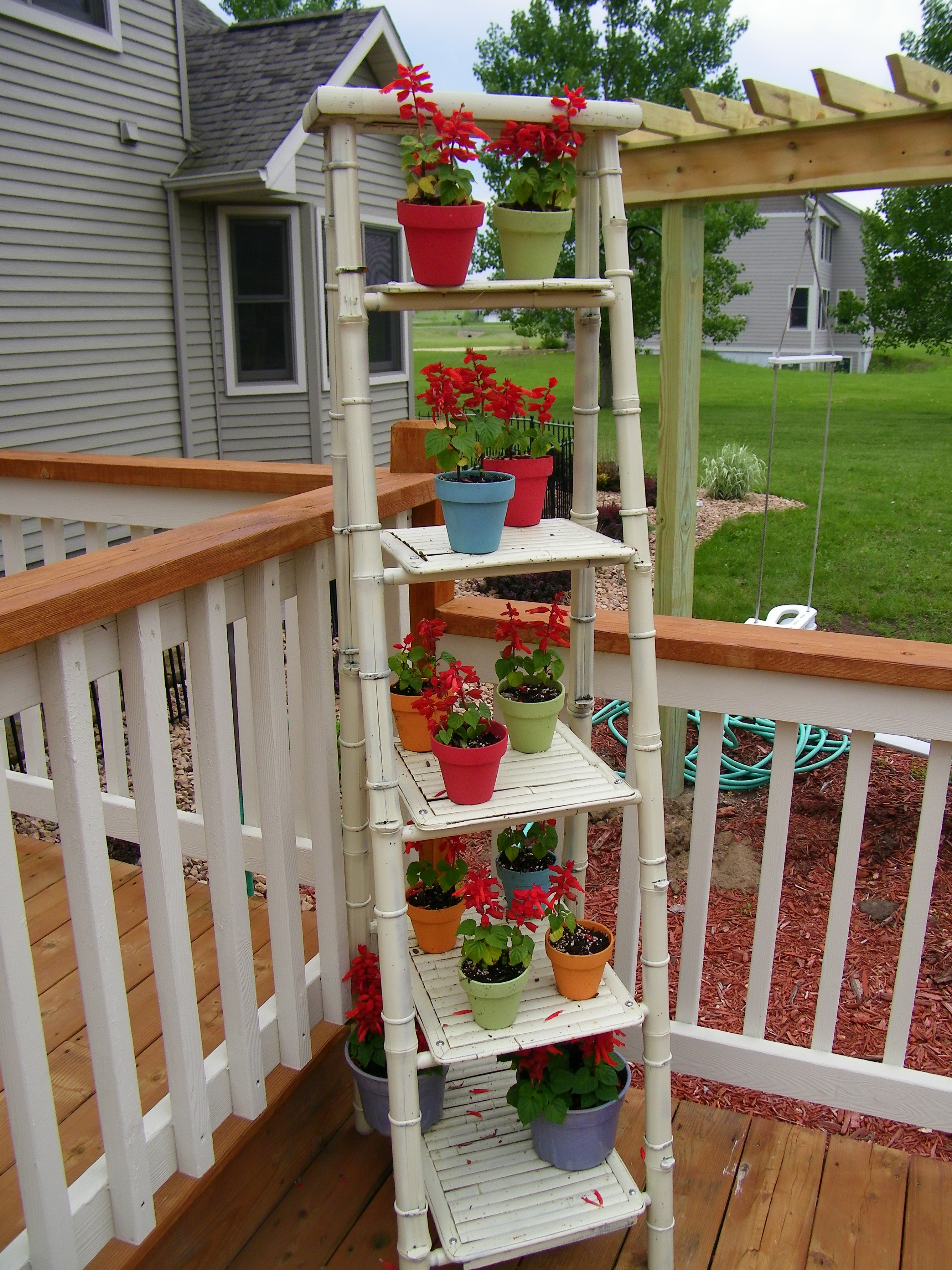
Choosing the right railing system at Menards requires navigating a diverse inventory that spans materials from pressure-treated wood and vinyl to decorative aluminum and composite options. Whether you are building a new deck, renovating an existing porch, or meeting local safety code requirements for stairways, selecting the appropriate railing involves balancing aesthetic preferences, structural integrity, maintenance commitments, and your specific project budget.
Understanding the Menards Railing Inventory
Menards operates as a primary retail destination for DIY enthusiasts and contractors by stocking a wide range of railing brands and materials. Unlike specialty deck builders who may focus on a single manufacturer, Menards offers a selection that allows for comparative shopping within a single visit or online session.
Core Material Categories
- Pressure-Treated Wood: The most traditional option, often selected for its affordability and ease of customization. It requires consistent staining or sealing to prevent checking, splitting, and rot over time.
- Vinyl Railing: Known for its low-maintenance profile, vinyl is popular for suburban decks. It is weather-resistant and does not require painting, though it can become brittle in extreme cold and may be susceptible to staining or mold growth in humid environments.
- Aluminum Railing: Gaining significant market share for its durability and modern, minimalist appearance. Aluminum systems sold at Menards are typically powder-coated to resist corrosion and fading, making them a long-term solution for various climates.
- Composite and Railing Systems: These are often manufactured to match composite decking materials. They provide a high-end look that mimics wood grain without the maintenance requirements, though they carry a higher upfront cost.
Evaluating Your Project Requirements
Before purchasing components, you must define the scope of your project. A railing is not merely a decorative element; it is a critical safety component governed by specific building codes. In 2026, most residential building departments adhere to the International Residential Code (IRC), which dictates strict standards for railing height, baluster spacing, and structural load resistance.
Code Compliance and Safety Standards
- Height Requirements: Most residential decks situated more than 30 inches above grade require a guardrail system at least 36 inches high. If you are working on a commercial project or specific local jurisdictions, this may increase to 42 inches.
- The Four-Inch Rule: The most critical safety measurement is the "sphere rule." Balusters (or pickets) must be spaced so that a 4-inch sphere cannot pass through any opening. This prevents children from becoming trapped.
- Structural Load: Railing systems must be capable of withstanding a concentrated load of 200 pounds applied at any point along the top rail. This testing standard ensures that the railing will hold under pressure.
Comparative Analysis of Railing Materials
Choosing between materials involves evaluating trade-offs between initial investment and long-term upkeep.
| Material Type | Maintenance Level | Installation Difficulty | Typical Lifespan | Cost Tier |
|---|---|---|---|---|
| Pressure-Treated | High (Annual) | Moderate | 10–15 Years | $ |
| Vinyl | Low | Moderate | 20+ Years | $$ |
| Aluminum | Very Low | Low (Pre-fab) | 30+ Years | $$$ |
| Composite | Low | Moderate | 25+ Years | $$$$ |
Note: Lifespan estimates assume proper installation and environmental conditions standard for the Midwest and broader United States.
The Installation Process: A Systematic Approach
Installing a railing system from Menards generally follows a consistent sequence, regardless of the material. However, always prioritize the manufacturer's specific instructions included in your purchased kit over general advice.
1. Planning and Permits
Before purchasing, draw a diagram of your deck layout. Mark the location of all posts and transitions. Check with your local building department to determine if you need a building permit. Even for simple railing replacements, some municipalities require an inspection to verify that the mounting hardware meets modern safety standards.
2. Post Installation and Structural Mounting
The stability of your railing depends entirely on the posts. If you are mounting posts to a deck surface, ensure you are using proper blocking underneath the deck frame. Never rely on the deck board surface alone; the pressure must be transferred to the joists via structural blocking or specialized post-mounting hardware.
3. Measuring and Cutting Rails
For kits that come with pre-cut rails, this step is minimized. If you are using standard-length rails, measure twice before making a single cut. Remember that the baluster spacing must remain consistent relative to the post. If you cut a rail too short, you risk violating the 4-inch sphere rule at the ends near the posts.
4. Securing Balusters and Top Rails
Modern railing kits often utilize snap-together systems or hidden bracket systems. Ensure that every baluster is locked into the top and bottom rails securely. If you are using wood, ensure you use screws that are rated for pressure-treated lumber (specifically those coated to prevent corrosion when in contact with copper-based wood treatments).
Common Mistakes to Avoid
- Using Interior Fasteners: Standard zinc-plated screws will corrode quickly when exposed to rain or the chemicals in pressure-treated wood. Always use stainless steel or high-quality polymer-coated fasteners recommended by the railing manufacturer.
- Ignoring Railing "Deflection": If the top rail flexes significantly when pushed, your posts may be improperly secured or the rail spans may be too wide. Consult the manufacturer’s documentation for maximum span requirements.
- Overlooking Stair Railing Codes: Stairs have specific requirements regarding handrail height (usually 34 to 38 inches) and grip diameter. A top rail for a deck guard is not always suitable for use as a graspable handrail on stairs.
Maintenance and Longevity
To maximize the life of your Menards railing, establish an annual inspection schedule. In the spring, inspect all connections to ensure fasteners have not loosened due to seasonal expansion and contraction.
- For Wood: Sand away splinters and apply a high-quality water repellent or stain every 1–2 years.
- For Vinyl and Aluminum: Use a mild soap and water solution to remove dirt, pollen, and mildew. Avoid abrasive scrubbers, which can scratch the protective powder coating of aluminum or the surface finish of vinyl.
- For Composite: Use specialized composite cleaners if organic growth (like algae or mold) appears, especially in shaded areas of the deck.
Frequently Asked Questions
Does Menards provide design assistance for deck railings?
Menards offers an online "Deck Designer" tool that allows users to input deck dimensions and select railing styles. This tool helps generate a materials list, which ensures that you purchase the correct number of posts, sections, and hardware packages for your specific layout.
Can I mix and match railing components from different brands?
It is strongly recommended to use a single brand for an entire railing system. Hardware, brackets, and rail dimensions are rarely standardized across manufacturers. Mixing brands can result in safety hazards, unstable connections, and the voiding of any product warranties.
What is the most durable railing option for harsh climates?
Aluminum railing systems are generally the most durable in extreme temperature fluctuations. Unlike wood, which warps, or vinyl, which can become brittle, powder-coated aluminum is engineered to withstand significant thermal movement and moisture without structural degradation.
How do I ensure my baluster spacing meets code?
Most pre-manufactured railing kits from Menards are designed to comply with the 4-inch sphere rule automatically. If you are building a custom railing, ensure your balusters are spaced so that the clear distance between any two pickets, or between a picket and a post, is less than 4 inches.
Are there specific tools required for installation?
For most systems, you will need a power drill with appropriate bits, a miter saw (or circular saw) for cutting rails, a level, and a tape measure. If you are mounting posts to concrete, you will also need a hammer drill and masonry anchors.
Next Steps for Your Project
To move forward, begin by measuring your deck’s perimeter accurately and checking your local jurisdiction’s specific guardrail height requirements. Visit the Menards website or a local store to examine samples of the materials you are considering. Pay close attention to the texture and color of the products in person, as lighting can significantly impact how these materials appear in your specific outdoor environment. Once you have a final plan, use the store’s inventory check feature to ensure all necessary components—including the often-overlooked mounting brackets and post caps—are available before you begin your project.