The intersection of plant biochemistry and pest management represents one of the most promising frontiers in sustainable agriculture for 2026. As regulatory pressures mount against synthetic neurotoxic insecticides and consumers demand residue-free produce, researchers and growers are turning their attention to natural defense mechanisms inherent in fruits. Among these mechanisms, polyphenols—secondary metabolites synthesized by plants in response to biotic and abiotic stress—play a critical role in deterring herbivores, inhibiting pathogen colonization, and modulating insect physiology. Understanding how these chemical compounds function allows agronomists, organic farmers, and pest control professionals to harness fruit-derived properties for targeted crop protection.
Biochemical Mechanisms of Plant Polyphenols in Pest Deterrence
Polyphenols are a structurally diverse group of organic compounds characterized by multiple hydroxyl groups attached to aromatic rings. In the context of pest defense, these molecules act far beyond simple nutritional deterrents. When phytophagous insects consume plant tissue rich in polyphenols, specific biochemical cascades disrupt their digestive processes, enzymatic activities, and overall metabolic health.
The primary modes of action through which fruit-derived and plant-associated polyphenols manage insect populations include:
- Protein Precipitation: Condensed tannins and other high-molecular-weight polyphenols bind rapidly to dietary proteins in the insect midgut, rendering them indigestible and starving the pest of essential amino acids.
- Digestive Enzyme Inhibition: Specific flavonoids and phenolic acids deactivate critical insect enzymes, including trypsin, chymotrypsis, and alpha-amylase, halting the breakdown of carbohydrates and proteins.
- Oxidative Stress Induction: Auto-oxidation of polyphenols inside the alkaline insect gut generates reactive oxygen species (ROS), causing cellular damage to the midgut epithelium and reducing longevity.
- Feeding Deterrence and Antixenosis: Volatile and non-volatile phenolic compounds alter the taste and olfactory profiles of the host plant, signaling unpalatability and driving pests to seek alternative hosts.
Major Classes of Fruit Polyphenols Utilized in Pest Management
Different fruits concentrate specific types of polyphenols that exhibit varying degrees of efficacy against chewing, sucking, and boring pests. Identifying the precise chemical profile of these compounds is essential for formulating effective bio-pesticides and implementing companion planting strategies.
| Polyphenol Class | Representative Fruits | Primary Target Pests | Mechanism of Action |
|---|---|---|---|
| Flavonoids (e.g., Quercetin, Rutin) | Citrus fruits, Apples, Berries | Aphids, Whiteflies, Spider Mites | Disrupts cellular respiration and acts as a feeding deterrent. |
| Condensed Tannins | Pomegranates, Persimmons, Grapes | Lepidopteran Larvae (Caterpillars) | Binds digestive enzymes and precipitates gut proteins. |
| Phenolic Acids (e.g., Chlorogenic Acid) | Blueberries, Kiwi, Stone Fruits | Leafhoppers, Beetles | Inhibits larval growth and causes oxidative gut damage. |
| Stilbenes (e.g., Resveratrol) | Grapes, Mulberries | Fungal pathogens and secondary wood-boring insects | Antifungal phytoalexin that deters fungal-farming insects. |
Comparative Analysis: Synthetic Pesticides Versus Polyphenol-Based Bio-Controls
Transitioning from conventional synthetic treatments to bio-based polyphenol solutions requires a clear understanding of operational efficacy, environmental impact, and cost-benefit ratios. While synthetics often offer immediate knockdown, they carry significant ecological liabilities that modern regulatory frameworks penalize heavily.
Operational Reality of Bio-Pesticides Integrating polyphenol-based pest control into commercial operations demands a shift from curative eradication to preventative management. Because these natural compounds rely on physiological disruption rather than acute neurotoxicity, timing applications during early life stages of the pest is critical for maximum efficacy.
The following comparison illustrates the core operational differences between synthetic options and polyphenol-derived treatments:
- Speed of Action: Synthetic neurotoxins typically achieve mortality within hours; botanical polyphenols require 24 to 72 hours to induce mortality via starvation, metabolic exhaustion, or antifeedant effects.
- Environmental Persistence: Synthetics often leave persistent chemical residues in soil and groundwater; fruit-derived polyphenols degrade rapidly via natural photolysis and microbial action, leaving zero harmful residues.
- Resistance Development: Insects rapidly develop genetic resistance to single-site synthetic molecules, whereas multi-target phenolic mixtures make resistance mutation statistically improbable.
- Non-Target Safety: Broad-spectrum synthetics devastate beneficial insect populations including bees and predatory mites; targeted polyphenol formulations spare beneficial pollinators when applied during low-activity windows.
Practical Implementation Guide for Applying Fruit-Derived Polyphenols
Harnessing the power of fruit properties for pest control involves extracting, stabilizing, and applying these active compounds or encouraging their endogenous production within crops. Growers can follow a structured implementation protocol to maximize success.
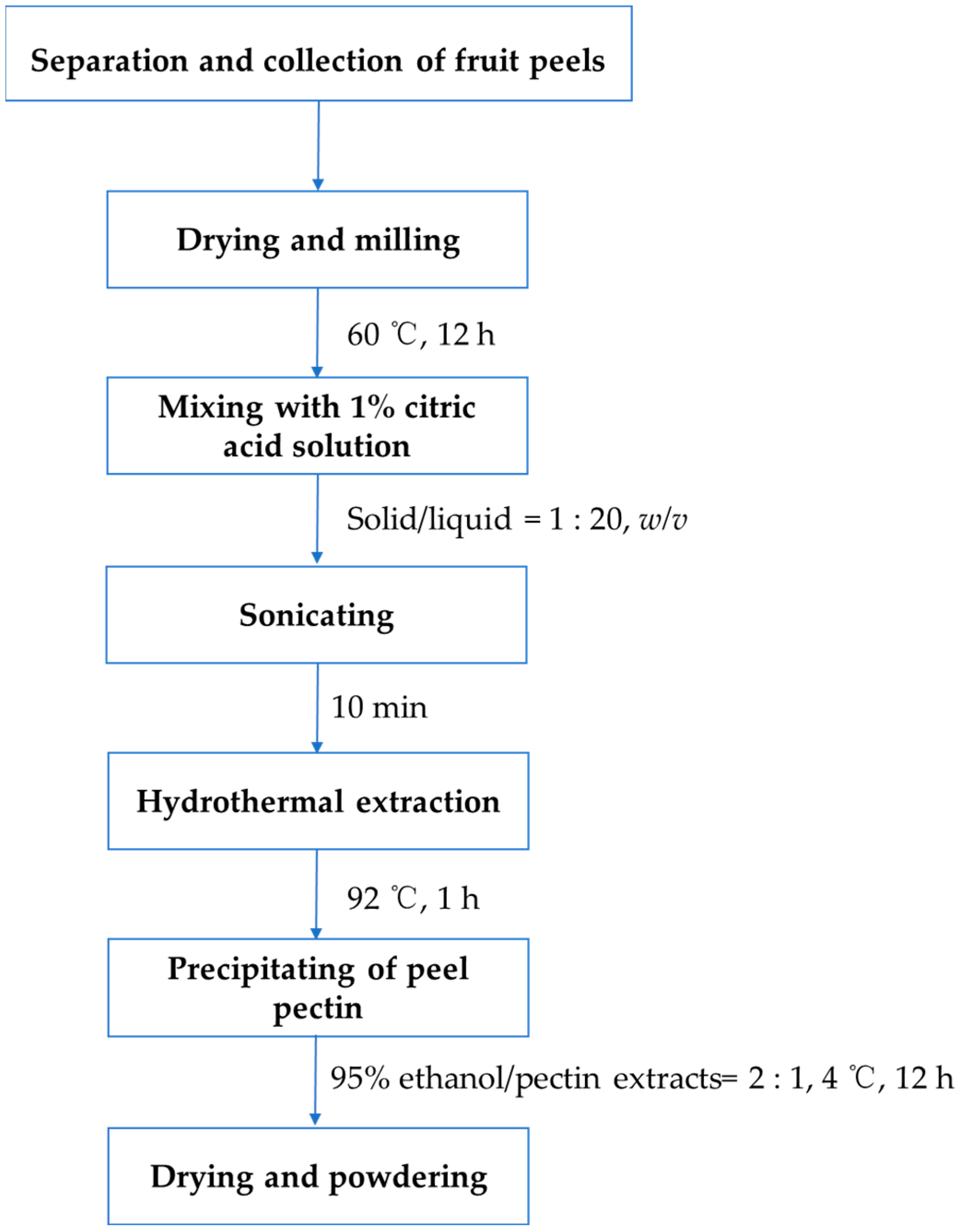
- Source Identification and Extraction: Gather polyphenol-rich fruit byproducts (such as apple pomace, grape skins, or citrus peels) to utilize circular economy principles. Use cold-water or food-grade ethanol extraction to preserve heat-sensitive phenolic rings.
- Formulation and Standardization: Standardize the extract to guarantee a consistent concentration of active markers, such as total phenolic content expressed in gallic acid equivalents (GAE).
- Adjuvant Integration: Add a natural surfactant or horticultural soap to lower surface tension, ensuring the phenolic solution adheres evenly to waxy leaf cuticles without running off.
- Application Timing: Spray during early morning or late evening hours to prevent rapid ultraviolet degradation of the active compounds before they interact with target pests.
- Monitoring and Reassessment: Evaluate pest pressure using sticky traps and scouting logs 48 hours post-application to determine if a secondary booster spray is necessary.
Frequently Asked Questions About Polyphenol Pest Control
How do fruit polyphenols kill pests without harming beneficial insects?
Fruit polyphenols work primarily through digestive interference and protein binding in specific insect guts, meaning beneficial predators with different dietary habits or physiological tolerances are largely unaffected. Furthermore, targeted application methods ensure non-target species encounter minimal exposure.
Can I make effective polyphenol pest sprays at home using kitchen scraps?
Yes, steeping citrus peels, bruised apples, or dark grape pomace in water can extract mild water-soluble flavonoids and phenolic acids suitable for small garden use. However, home extractions lack concentration standardization compared to commercially formulated botanical extracts.
Do polyphenols degrade quickly in bright sunlight?
Many phenolic compounds are susceptible to UV photodegradation, which reduces their residual activity after a few days. Incorporating natural UV-blockers or applying treatments at dusk significantly extends their active window in the field.
Are polyphenol-based treatments certified for organic farming standards?
Most naturally derived botanical extracts and fruit-waste byproducts comply with major organic agricultural standards, provided no synthetic chemical solvents were used during the extraction process. Always verify input compliance with local organic certifiers before large-scale application.
What is the shelf life of liquid polyphenol extracts used in agriculture?
Standardized commercial extracts typically remain stable for 12 to 24 months when stored in cool, dark, and airtight containers. Exposure to heat and oxygen accelerates the oxidation and polymerization of phenolic molecules, reducing their efficacy.
Optimizing Sustainable Crop Protection Strategies
Leveraging the natural defensive properties of fruit polyphenols offers a scientifically robust, environmentally safe methodology for modern pest management. By aligning agronomic practices with the biochemical defenses naturally perfected by plants, growers can protect yields, preserve beneficial ecosystems, and meet stringent 2026 residue standards without relying on harmful synthetic chemicals.