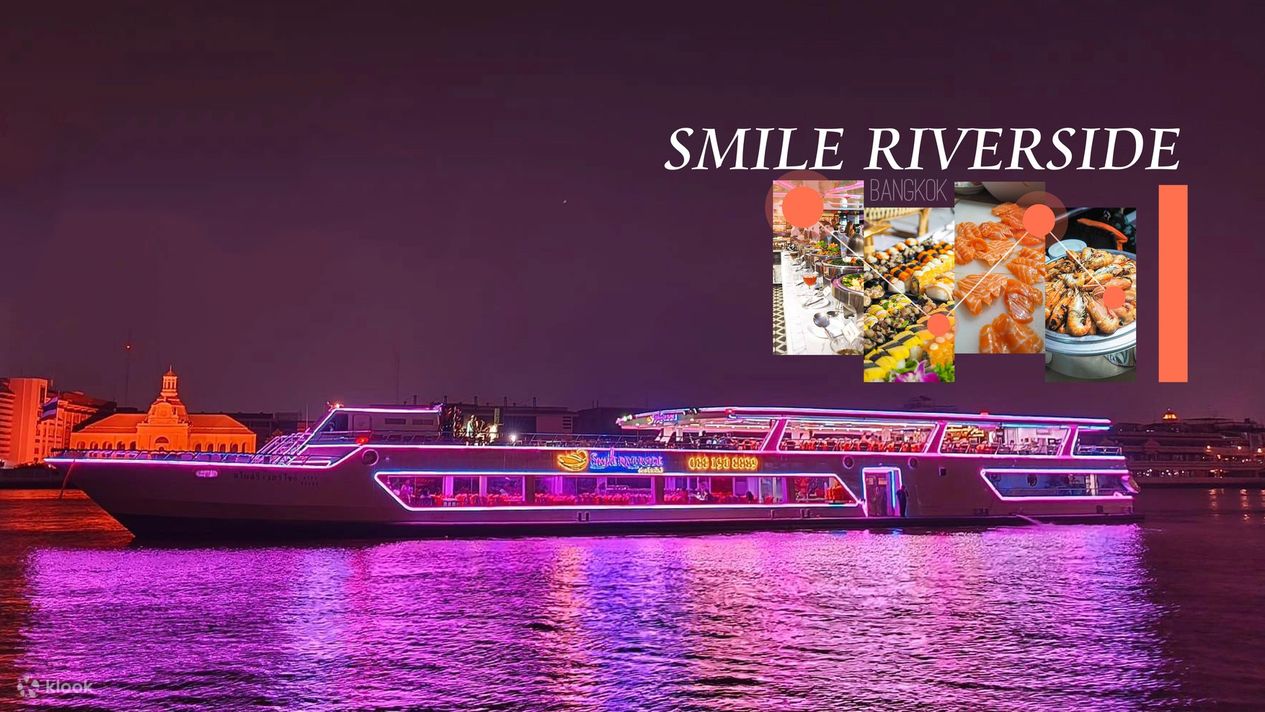
Planning a riverside dinner combines the rustic charm of natural water bodies with refined culinary execution, creating an immersive dining experience that relies heavily on microclimate management, local environmental regulations, and precise logistical coordination. Whether you are orchestrating a private culinary event on the banks of a major metropolitan river or establishing a pop-up fine dining concept, mastering the operational nuances of waterfront hospitality is essential for success in 2026.
Environmental Dynamics and Microclimate Management
Hosting a successful outdoor dining event next to a moving body of water requires a deep understanding of hydrological patterns and atmospheric physics. Unlike static inland venues, riverbanks introduce distinct environmental variables that directly impact guest comfort, food safety, and structural integrity.
- Thermal Radiation and Humidity: Water bodies act as thermal moderators, but they also significantly increase local relative humidity. In the evening, as ambient temperatures drop, moisture rising from the river can rapidly condense on glassware, linens, and plating surfaces.
- Vector Control: Standing or slow-moving eddies along riverbanks frequently attract mosquitoes and other biting insects. Integrated pest management protocols must be established well in advance of service.
- Wind Shear Dynamics: Open river corridors often create natural wind funnels. Temporary structures, open flames, and lightweight paper goods require heavy-duty ballasting and wind-resistant anchoring systems.
Operational Advisory: Always consult regional hydrological authorities and local watershed protection boards before placing temporary electrical generators or heavy kitchen staging equipment within FEMA-designated flood zones or riparian buffer strips.
Regulatory Compliance and Riparian Permitting
Navigating legal frameworks is the most critical hurdle for any waterfront hospitality event. Because rivers are protected natural resources subject to federal, state, and local municipal oversight, failing to secure the correct permits can result in immediate shutdowns and heavy fines.
- Environmental Impact and Riparian Zones: Many jurisdictions prohibit temporary structures, staking, or high-decibel audio equipment within 50 to 100 feet of the mean high-water mark to protect local flora and fauna habitats.
- Sound Ordinances and Noise Mitigation: Sound travels efficiently over water. Amplified music and public address systems require strict adherence to decibel limits, particularly if residential properties sit on the opposing bank.
- Temporary Food Service Permits: Local health departments enforce rigorous standards for mobile or remote catering operations, specifically regarding wastewater disposal, potable water transport, and temperature control compliance.
Culinary Design and Menu Engineering for Waterfront Settings
Designing a menu for a riverside environment demands a departure from traditional indoor banquet structures. The sensory input of rushing water, shifting breezes, and natural aromas should complement—rather than compete with—the food on the plate.
Flavor Profiles and Ingredient Selection
The menu should leverage fresh, regional ingredients that harmonize with the natural landscape. Heavy, overly cream-based sauces can feel cloying in humid river environments, whereas acid-forward, herb-infused, and smoke-kissed preparations perform exceptionally well.
- Appetizers: Chilled seafood crudos, citrus-cured ceviche, and crisp heirloom vegetable crudités that withstand initial outdoor exposure without wilting.
- Entrées: Hardwood-grilled proteins finished with bright herb chimichurris or reductions that retain their integrity even if a sudden gust of wind cools the plate.
- Beverages: Crisp, high-acid white wines, dry rosés, and botanical-forward cocktails featuring local herbs like mint, rosemary, or tarragon.
Equipment and Temperature Control Logistics
Maintaining proper food safety temperatures outdoors is challenging when ambient conditions fluctuate. Chefs must rely on calibrated blast chillers, insulated transport holding cabinets, and portable induction burners rather than open-flame grills alone, which are prone to flare-ups caused by riverside wind gusts.
Comparative Overview of Riverside Dining Formats
Choosing the correct structural format dictates your budget, equipment loadout, and permitting complexity. The following breakdown compares three primary modalities utilized by event planners and restaurateurs in 2026.
| Parameter | Pop-Up Al Fresco Setup | Semi-Permanent Pavilions | Luxury Yacht & Dockside Hybrid |
|---|---|---|---|
| Permitting Complexity | High (Requires special event permits per instance) | Very High (Zoning approval and permanent structural review) | Moderate (Maritime and port authority clearance) |
| Weather Vulnerability | Extreme (Highly dependent on short-term forecasts) | Low to Moderate (Provides solid overhead protection) | Moderate (Subject to tidal surges and wake action) |
| Initial Capital Outlay | Low to Moderate | High | High (Vessel charter or dock lease fees) |
| Guest Capacity Limits | Typically capped at 50–100 due to infrastructure | Scalable up to 300+ based on permanent build-out | Strictly limited by vessel or dock weight capacity |
Step-by-Step Logistics and Execution Blueprint
Executing a flawless riverside dining experience requires a meticulously timed production schedule. Every phase of setup must account for the physical constraints of moving heavy equipment across uneven terrain and soft soil.
- Site Survey (T-Minus 30 Days): Inspect the exact coordinates for soil compaction, slope gradient, access roads for catering vehicles, and proximity to municipal water and power hookups.
- Infrastructure Build (T-Minus 2 Days): Install commercial-grade tenting, heavy-duty flooring panels to prevent sinking into mud, and whisper-quiet backup generators positioned downwind to eliminate exhaust odors.
- Safety and Lighting Audit (T-Minus 4 Hours): Rig low-voltage path lighting along uneven river paths to prevent trip-and-fall liabilities. Test all grounding fault circuit interrupters (GFCIs) exposed to potential ground moisture.
- Service Execution: Maintain real-time communication between front-of-house management, culinary leads, and meteorological tracking apps to anticipate sudden squalls or shifting wind directions.
Frequently Asked Questions
What are the primary safety concerns when planning a dinner near a river?
The primary safety concerns include slip-and-fall hazards on wet mossy rocks, unpredictable water level surges, lack of adequate lighting along paths, and unanchored furniture blowing away in sudden gusts. Establishing clear physical barriers and hiring professional security personnel mitigates these risks effectively.
How do you handle sudden weather changes during an outdoor riverside event?
Always establish a solid weather contingency plan that includes a clear shelter-in-place structure or a fully enclosed marquee tent with transparent, wind-rated sidewalls. Real-time radar monitoring apps should be utilized by the event manager throughout the service window.
Are open-flame cooking methods permitted directly on riverbanks?
Many local environmental and forestry departments strictly prohibit open-flame campfires or uncontained charcoal grills near riparian zones to prevent brush fires and soil erosion. Planners must utilize self-contained, certified gas combustion units or prepare components off-site in commercial kitchens.
What is the best way to manage insect control without ruining the dining ambiance?
Deploying silent, propane-powered mosquito traps downwind well before guest arrival, alongside burning natural citronella or lavender torches, significantly reduces pest presence without using harsh chemical sprays that disrupt the dining experience.
How do you calculate proper power requirements for a remote river site?
Calculate the total wattage of all refrigeration units, cooking equipment, lighting arrays, and sound systems, then multiply that sum by a safety factor of 1.25. Rent quiet, inverter-style generators with sufficient fuel reserves to run continuously without voltage drops.
Conclusion and Strategic Next Steps
Executing a memorable riverside dinner in 2026 demands meticulous attention to regulatory compliance, environmental safety, and advanced culinary logistics. By anticipating the unique challenges of waterfront microclimates and deploying robust structural and operational safeguards, you can deliver an exceptional guest experience that bridges raw natural beauty with high-end hospitality. Begin your venue scouting and permit applications at least three to six months in advance to secure your ideal waterfront location.