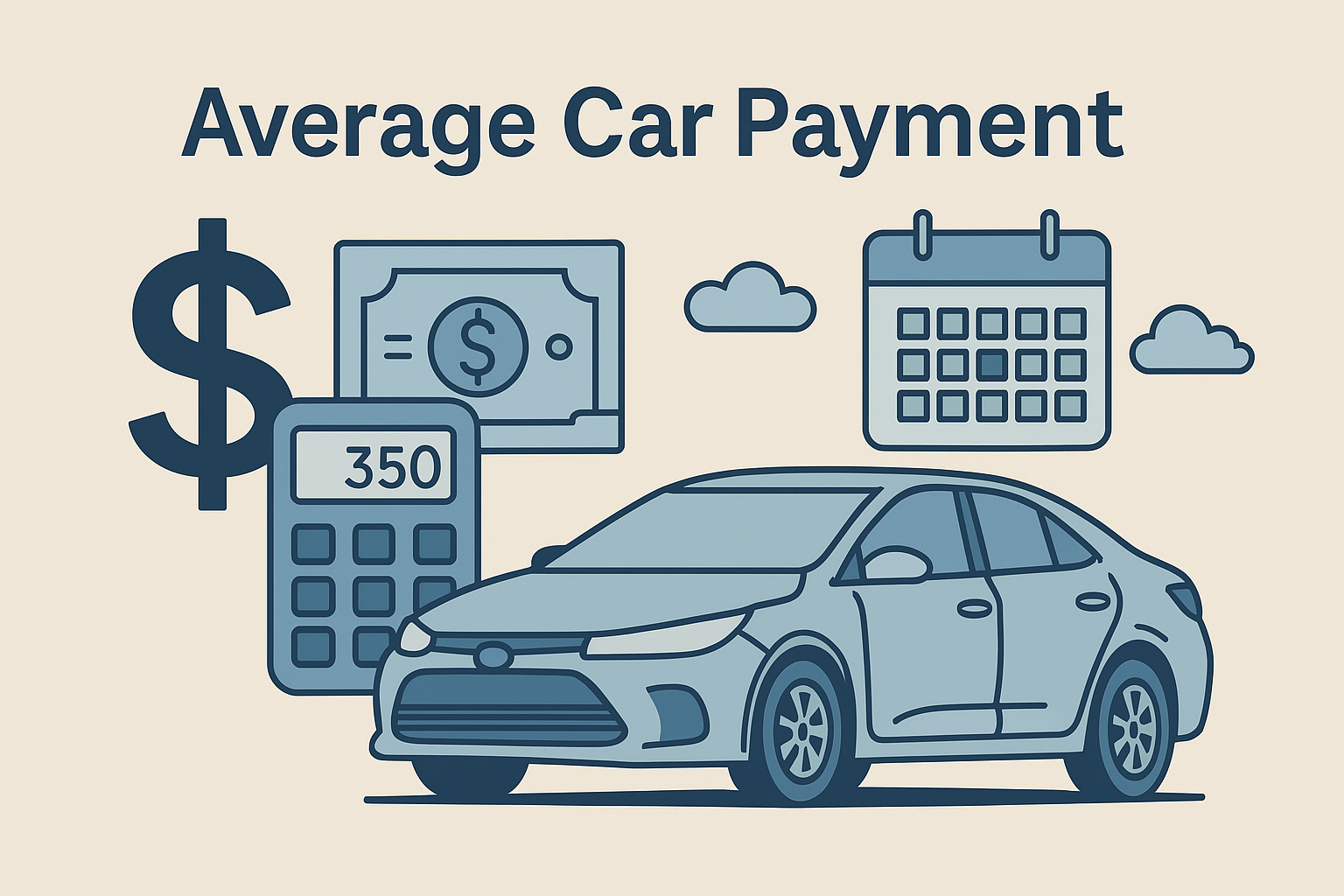
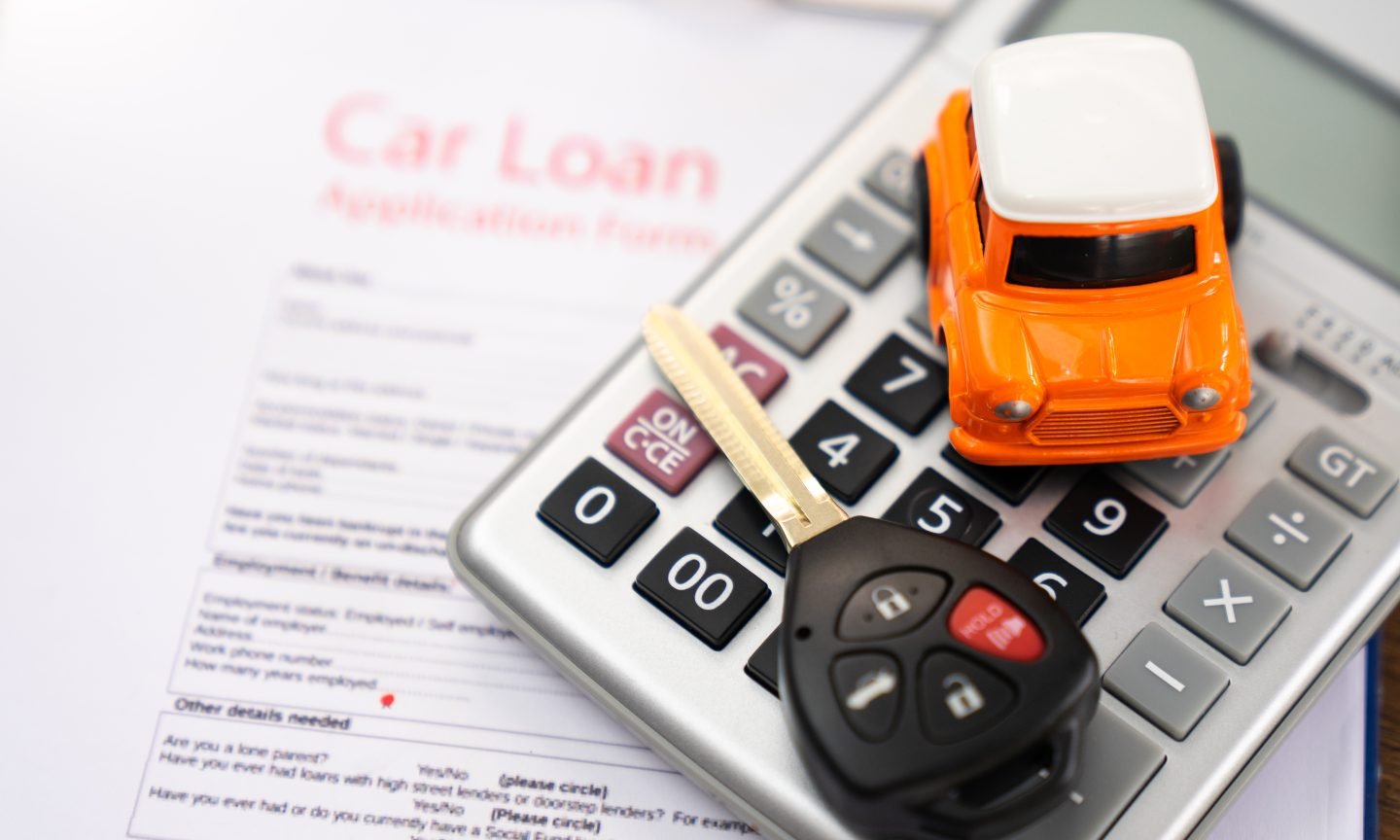
A car payment is a monthly financial obligation required to repay an auto loan used to purchase a vehicle. It consists of the principal amount borrowed plus interest charges and applicable fees. Your specific payment is determined by the vehicle’s purchase price, your down payment, the loan term, and the interest rate (APR) provided by your lender.
Understanding the mechanics of a car payment is essential for maintaining long-term financial health. As of 2026, the automotive market continues to evolve with a mix of traditional internal combustion engines and an expanding electric vehicle (EV) sector, each bringing unique financing considerations. Whether you are a first-time buyer or looking to refinance an existing loan, mastering the variables that dictate your monthly outflow can save you thousands of dollars over the life of the loan.
The Anatomy of a Car Payment: Breaking Down the Costs
A car payment is not a monolithic figure; it is a calculated sum of several distinct components. To manage your payment effectively, you must understand how these elements interact.
The Principal
The principal is the actual amount of money you borrowed to purchase the vehicle. For example, if you buy a car for $35,000 and provide a $5,000 down payment, your initial principal is $30,000. Each month, a portion of your payment goes toward reducing this balance. In the early stages of a simple-interest loan—the most common type in 2026—a smaller percentage of your payment hits the principal compared to the interest.
Interest (APR)
The Annual Percentage Rate (APR) represents the cost of borrowing the money. It is expressed as a percentage and is heavily influenced by your credit score, the lender’s policies, and current central bank benchmarks. In 2026, interest rates have stabilized following the fluctuations of previous years, but they remain a primary driver of total loan costs. Because most auto loans are "amortized," interest is calculated based on the remaining principal balance each month.
Loan Term
The term is the duration over which you agree to repay the loan, typically measured in months. Common terms in 2026 range from 36 to 84 months. While a longer term (e.g., 72 or 84 months) reduces the monthly car payment, it significantly increases the total interest paid over the life of the loan. Conversely, shorter terms have higher monthly payments but lower total costs.
Taxes and Fees
In many jurisdictions, sales tax, registration fees, and documentation fees are rolled into the loan amount if they aren't paid upfront. While this reduces your immediate out-of-pocket costs, it increases your principal, meaning you are effectively paying interest on your taxes.
How to Calculate Your Monthly Car Payment
Calculating a car payment manually requires a standard amortization formula. While most consumers use online calculators, understanding the underlying math helps you visualize how changing one variable impacts the others.
The standard formula for a monthly payment ($M$) is: M = P [ i(1 + i)^n ] / [ (1 + i)^n – 1 ]
- P = Principal loan amount
- i = Monthly interest rate (Annual Rate divided by 12)
- n = Number of months (loan term)
For example, if you have a $30,000 loan with a 6% APR for 60 months:
- i = 0.06 / 12 = 0.005
- n = 60
- P = 30,000
Plugging these into the formula yields a monthly payment of approximately $579.98. Over five years, you would pay a total of $34,798.80, with $4,798.80 consisting entirely of interest.
Factors That Influence Your Car Payment Amount
Several external and internal factors dictate what you will eventually see on your monthly billing statement.
Credit Score and Financial History
Your credit score remains the most influential factor in determining your APR. Lenders use tiered pricing models where "Super Prime" borrowers (scores above 780) receive the lowest rates, while "Subprime" borrowers (scores below 600) may face rates three to four times higher. In 2026, lenders also look closely at your debt-to-income (DTI) ratio to ensure you aren't overextended.
The Down Payment
The down payment is your first line of defense against high monthly payments. By contributing more cash upfront, you reduce the principal. Furthermore, a substantial down payment (typically 20% or more) can sometimes trigger better interest rate offers because it reduces the lender’s "loan-to-value" (LTV) risk. If the vehicle is repossessed, the lender is more likely to recoup the remaining loan balance if the initial loan was significantly lower than the car’s market value.
New vs. Used Vehicles
Generally, new cars qualify for lower interest rates than used cars. This is because new cars are easier for lenders to value and have higher resale predictability. However, new cars depreciate faster. In 2026, the gap between new and used car interest rates has narrowed slightly due to better data modeling on used vehicle longevity, especially for certified pre-owned (CPO) units.
Trade-In Equity
If you are trading in a previous vehicle, its value acts as a down payment. However, if you owe more on your current car than it is worth—known as being "underweight" or having negative equity—that balance is often rolled into your new car payment. This is a dangerous financial move as it inflates your new payment and puts you further into debt.
Comparison of Loan Terms and Total Costs
The following table illustrates how different terms and interest rates affect a $35,000 loan.
| Loan Term (Months) | Interest Rate (APR) | Monthly Payment | Total Interest Paid | Total Cost of Loan |
|---|---|---|---|---|
| 36 Months | 5.0% | $1,048.82 | $2,757.52 | $37,757.52 |
| 48 Months | 5.5% | $814.39 | $4,090.72 | $39,090.72 |
| 60 Months | 6.0% | $676.65 | $5,599.00 | $40,599.00 |
| 72 Months | 7.0% | $597.24 | $8,001.28 | $43,001.28 |
| 84 Months | 8.5% | $554.49 | $11,577.16 | $46,577.16 |
Note: Figures are estimates based on standard amortization; actual rates in 2026 depend on individual credit profiles and lender policies.
The Financial "Golden Rules" for Car Payments
To avoid "car-poor" scenarios where your vehicle expenses prevent you from hitting other financial goals, many experts recommend the 20/4/10 Rule:
- 20% Down Payment: Put at least 20% down to avoid negative equity and secure better rates.
- 4-Year Term: Limit the loan duration to no more than 48 months (4 years). This ensures you aren't paying for the car long after its prime years.
- 10% of Income: Your total monthly transportation costs—including the car payment, insurance, fuel/charging, and maintenance—should not exceed 10% of your gross monthly income.
While the 2026 market occasionally sees 84-month loans, these should be approached with extreme caution. A car's value drops the moment it leaves the lot; a long-term loan increases the risk that you will owe the bank more than the car is worth for the majority of the loan's life.
Managing and Reducing Your Car Payment
If you already have a car payment that feels burdensome, or if you want to optimize your current debt, there are several strategies to consider.
Refinancing
If your credit score has improved significantly since you first took out the loan, or if market interest rates have dropped, refinancing can be a powerful tool. By taking out a new loan with a lower APR to pay off the old one, you can reduce your monthly car payment or shorten the remaining term to save on interest.
Bi-Weekly Payments
Instead of making one payment per month, you can pay half of your monthly amount every two weeks. Because there are 52 weeks in a year, this results in 26 half-payments, or 13 full monthly payments per year. This extra payment goes directly toward the principal, reducing the total interest and shortening the loan life without a major lifestyle change.
Principal-Only Payments
Check with your lender to see if they allow "principal-only" payments. If you have an influx of cash—such as a tax refund or a work bonus—applying it directly to the principal reduces the balance upon which future interest is calculated. Ensure the lender does not charge a prepayment penalty, a fee sometimes hidden in the fine print of subprime loans.
Dealing with Financial Hardship and Missed Payments
Life events such as job loss or medical emergencies can make it difficult to meet your monthly obligation. It is vital to act proactively rather than simply missing a payment.
The Grace Period
Most lenders offer a grace period (usually 10 to 15 days) before a late fee is assessed. However, even if a late fee isn't charged immediately, being late can still impact your credit score if the payment is delayed by 30 days or more.
Deferment and Forbearance
Many lenders in 2026 have established "hardship programs." If you contact them before you miss a payment, they may allow you to defer a payment to the end of the loan or provide a temporary period of interest-only payments. This prevents repossession and protects your credit score.
Repossession Risks
An auto loan is a secured debt, meaning the vehicle serves as collateral. In many jurisdictions, a lender can legally repossess a vehicle after just one or two missed payments without prior court intervention. Repossession stays on your credit report for seven years and usually results in a "deficiency balance"—you may still owe money if the lender sells the car at auction for less than your remaining loan balance.
Future Trends: Car Payments in 2026
By 2026, the landscape of car payments has been altered by technology and shifting consumer habits.
- Subscription Models: Some manufacturers now offer all-inclusive monthly "subscriptions" that bundle the car payment, insurance, and maintenance into a single fee. While convenient, these are often more expensive than traditional financing.
- EV Incentives: Federal and state tax credits for electric vehicles are increasingly being applied "at the point of sale." This means the credit can be used as an immediate down payment, directly lowering the monthly car payment from day one.
- Digital Lending: The rise of blockchain-verified credit profiles and AI-driven underwriting has made getting a car payment quote instantaneous, allowing consumers to shop for financing before they ever step into a dealership.
Financial Advice Limitation: This article provides general financial information for educational purposes and does not constitute professional financial, legal, or investment advice. Lending laws and interest rates vary by jurisdiction and individual credit profile. Always consult with a qualified financial advisor or credit counselor before making significant debt commitments.
Frequently Asked Questions
Can I change my car payment due date?
Most major lenders allow you to change your monthly due date once or twice during the life of the loan to better align with your paychecks. However, this may result in a one-time interest adjustment because the number of days between payments changes for that specific month. You should contact your lender’s customer service department to see if they offer this flexibility.
Does a car payment include insurance?
No, a standard car payment only covers the principal and interest of the loan. Car insurance is a separate legal and financial requirement. However, lenders require you to carry "full coverage" (comprehensive and collision) insurance as a condition of the loan to protect their collateral. Some specialty "bundled" programs or leases may include insurance, but these are exceptions rather than the rule.
What is "Gap Insurance" and do I need it in my payment?
Gap insurance covers the "gap" between what you owe on your car loan and the actual cash value (ACV) of the vehicle if it is totaled or stolen. Because cars depreciate quickly, you might owe $25,000 on a car that insurance only values at $20,000. If you put down less than 20% or have a loan term longer than 48 months, adding gap insurance to your monthly costs is highly recommended to avoid paying for a car you can no longer drive.
Can I pay off my car loan early?
In most cases, yes. Paying off a loan early saves you money on interest. However, you must verify that your loan agreement does not include a "prepayment penalty." Most modern simple-interest loans do not have these penalties, but some "precomputed interest" loans (often found at "buy-here-pay-here" lots) charge the full interest regardless of when you pay the balance.
How does a trade-in with a loan balance affect my new payment?
If you trade in a car that still has a loan, the dealer will pay off that loan. If your car is worth $15,000 and you owe $12,000, you have $3,000 in "positive equity" to use as a down payment. If you owe $18,000, you have $3,000 in "negative equity," which is added to your new loan principal, thereby increasing your new monthly car payment and total interest costs.
Practical Next Action
Before visiting a dealership, obtain a pre-approval from a credit union or bank. This gives you a baseline interest rate and a clear understanding of what your car payment will be, allowing you to shop as a "cash buyer" and avoid the potentially higher markups often found in dealership-arranged financing.