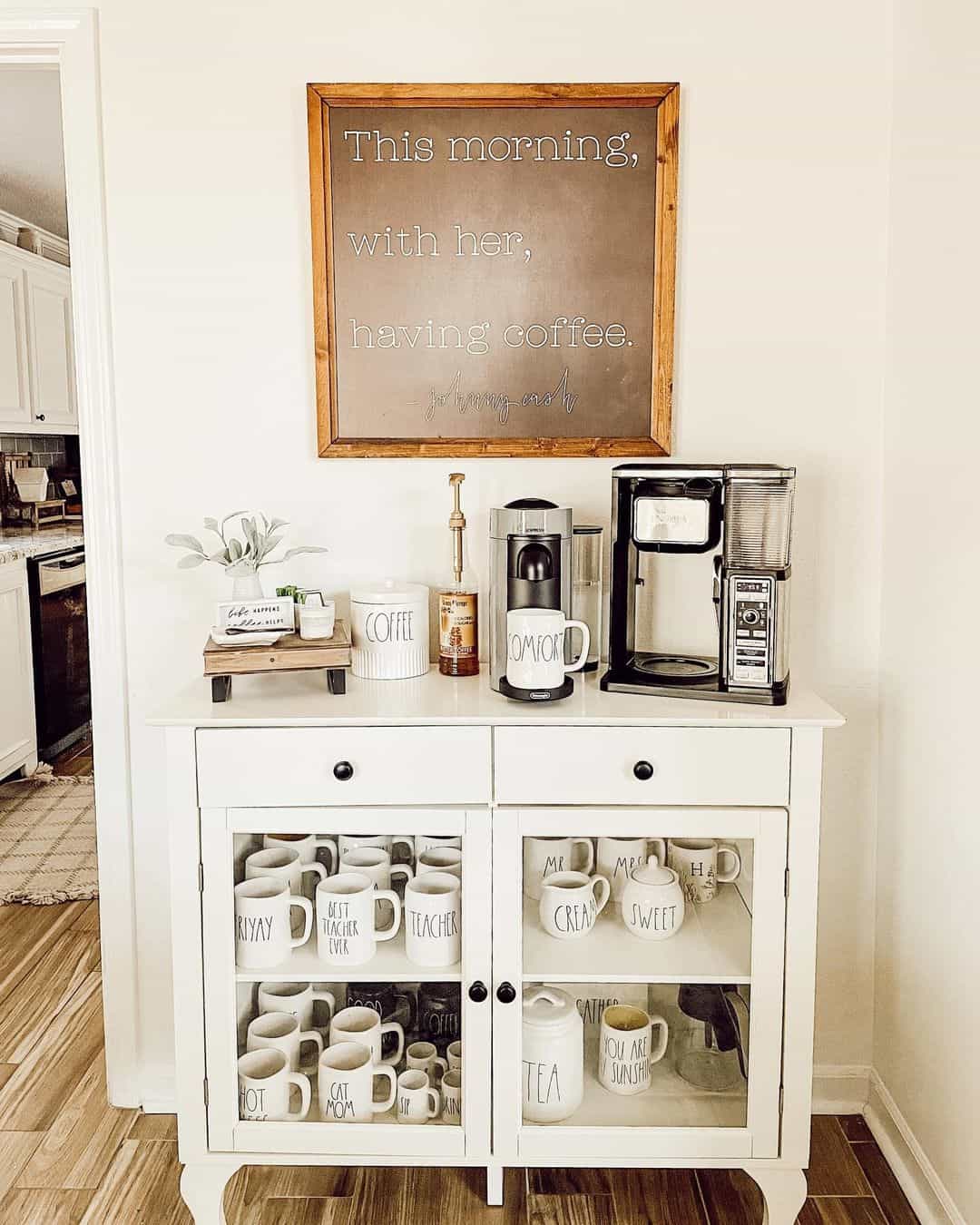
Note: This article focuses on the micro-retail hospitality strategy of establishing and scaling a compact "coffee corner" within an existing commercial footprint or as an independent boutique coffee shop.
The modern landscape of specialty coffee in 2026 demands a precise balance between spatial efficiency and exceptional sensory execution. A coffee corner coffee shop represents a targeted retail model that maximizes low square footage while delivering high-margin, artisanal craft beverages. Consumers today expect seamless ordering, sustainable sourcing transparency, and micro-lot extraction profiles, all delivered within minutes. Navigating this niche requires understanding commercial espresso mechanics, workflow ergonomics, spatial zoning, and operational cost structures to maintain viability in a competitive market.
Architectural Layout and Workflow Ergonomics for Compact Footprints
Designing a high-performing coffee counter requires meticulous adherence to ergonomic principles. In a compact coffee corner, every linear inch dictates speed of service and barista fatigue mitigation. The operational workflow must follow a linear sequence: order intake, grinding, extraction, texturing, and handoff.
The primary equipment zone must minimize physical movement. Placing the grinder directly adjacent to the commercial espresso machine group heads reduces transit time for the portafilter. The milk refrigerator should sit immediately beneath or beside the steam wands, housing dairy and alternative plant-based milks at optimal storage temperatures between 34 degrees Fahrenheit and 38 degrees Fahrenheit.
- Primary Extraction Zone: Houses the multi-boiler volumetric espresso machine, dedicated grinders for house blends and single-origin rotating options, and precise tamping stations.
- Milk and Texturing Station: Positioned alongside the espresso group heads, equipped with dedicated steaming pitchers, rinsing sinks, and temperature-controlled refrigeration bases.
- Service and Handoff Zone: Isolated from the active brewing area to prevent customer congestion, featuring integrated POS terminals, lid organizers, napkin dispensers, and pickup ledges.
Commercial Equipment Specifications and Technical Standards
Operating a reliable micro-retail coffee shop relies on heavy-duty commercial hardware capable of sustaining thermal stability under peak loads. Residential equipment fails quickly under commercial duty cycles, leading to pressure fluctuations and inconsistent extraction yields.
When outfitting a coffee corner in 2026, operators must evaluate volumetric control, plumbed water filtration systems, and electrical load requirements. Most commercial espresso machines require a dedicated 220V single-phase or 380V three-phase electrical circuit, alongside dedicated water supply lines fitted with multi-stage reverse osmosis and carbon filtration systems to prevent scale buildup.
| Equipment Category | Standard Specification | Operational Function | Maintenance Interval |
|---|---|---|---|
| Espresso Machine | Multi-boiler, PID temperature control, volumetric dosing | Thermal stability for high-volume extraction | Backflush daily, descale annually |
| Commercial Grinder | Flat or conical burrs (64mm to 83mm), timed dosing | Consistent particle size distribution for extraction | Calibrate monthly, replace burrs per 500kg |
| Water Filtration | Reverse osmosis with mineral re-injection buffer | Removes total dissolved solids (TDS) and scale | Filter replacement every 6 months |
| Point of Sale (POS) | Cloud-synced terminal with contactless NFC reader | Order processing, inventory tracking, and tax reporting | Software updates weekly |
Supply Chain Management and Specialty Bean Procurement
The foundation of any successful coffee shop is its green bean sourcing strategy and roast profile consistency. In 2026, consumers prioritize ethical transparency, direct trade verifications, and origin traceability. Establishing direct relationships with micro-roasters or investing in a localized roasting partnership ensures green coffee freshness and seasonal rotation.
Inventory rotation must follow a strict First-In, First-Out (FIFO) methodology. Roasted specialty coffee experiences peak degassing between 7 and 21 days post-roast, after which volatile aromatic compounds degrade rapidly. Maintaining airtight, UV-protected storage containers with one-way degassing valves preserves flavor profiles. Alternative milks—including oat, almond, soy, and pea protein formulations—require strict stock management due to fluctuating regional supply chains and specific barista texturing requirements.
Financial Modeling and Operational Cost Analysis
Evaluating the profitability of a compact coffee corner requires tracking key performance indicators (KPIs) unique to beverage retail. While overhead costs for real estate are minimized through a smaller footprint, labor and ingredient costs demand precise control to safeguard operating margins.
> **Financial Viability Framework** > > **Prime Cost Threshold:** Labor and COGS (Cost of Goods Sold) combined should ideally not exceed 60% of gross monthly revenue to maintain operational sustainability in urban markets. > > **Average Ticket Value (ATV):** Expanding the menu to include artisanal pastries, grab-and-go breakfast items, and branded retail beans significantly increases ATV beyond baseline beverage sales.
- Fixed Costs: Commercial rent allocation, business insurance, equipment leasing agreements, software subscription fees, and baseline utility expenses.
- Variable Costs: Green coffee bean procurement, dairy and alternative milks, syrups, biodegradable cups, lids, stirrers, and waste management services.
- Labor Efficiency: Utilizing lean staffing models where a single cross-trained barista manages the entire station during off-peak hours, scaling to two staff members during morning rushes.
Pros and Cons of Operating a Micro-Format Coffee Corner
Choosing a compact footprint model presents distinct strategic advantages alongside unique operational limitations. Business owners must weigh these factors against their long-term growth objectives and capital availability.
Advantages
- Lower Capital Expenditure: Reduced square footage significantly lowers leasehold improvement costs, security deposits, and interior design expenditures.
- Streamlined Staffing Requirements: Minimalist footprints require fewer employees on shift simultaneously, simplifying scheduling and lowering payroll overhead.
- High-Density Location Potential: Compact layouts fit easily into non-traditional retail spaces such as lobbies, bookstores, transit hubs, and boutique hotel reception areas.
Disadvantages
- Capacity Bottlenecks: Limited counter space restricts the volume of simultaneous orders, creating potential throughput caps during peak morning windows.
- Limited Seating Options: Small footprints often lack customer seating, shifting the business model almost entirely to takeaway and pickup sales.
- Inventory Storage Constraints: Minimal back-of-house space requires frequent daily deliveries and strict supply chain coordination to prevent stockouts.
Step-by-Step Launch Blueprint for Your Coffee Corner
Executing a seamless launch requires a structured timeline that coordinates equipment procurement, health department permitting, staff training, and marketing initialization.
- Site Selection and Compliance Review: Secure a high-foot-traffic commercial niche and verify local municipal health, plumbing, and electrical zoning laws regarding food and beverage service.
- Engineering and Equipment Procurement: Finalize the counter layout blueprints, order commercial-grade espresso machinery, refrigeration units, and certified water filtration systems.
- Permitting and Health Inspection: Submit architectural plans and operational menus to the local department of health for food service plan review and operational licensing.
- Supplier Onboarding: Establish supply contracts with specialty coffee roasters, dairy distributors, and packaging vendors for branded cups and collateral.
- Workflow Testing and Staff Training: Conduct rigorous dry runs to calibrate extraction times, test grinder retention, and train staff on customer service standards and speed drills.
- Soft Launch and Grand Opening: Execute a controlled soft launch inviting local stakeholders to stress-test the POS and brewing systems before opening to the general public.
Frequently Asked Questions About Coffee Corner Operations
What is the ideal square footage for a micro coffee corner?
A functional coffee corner can operate efficiently in spaces ranging from 80 to 200 square feet, provided the layout follows strict ergonomic and linear workflow principles. This compact footprint houses the core espresso engine, refrigeration, and POS terminals without sacrificing speed of service.
How much electrical power is required to run a commercial espresso machine?
Most commercial espresso machines require a dedicated 220V to 240V single-phase electrical connection drawing between 30 and 50 amps. High-volume multi-group machines may require specialized three-phase power configurations, which must be verified with a licensed electrician prior to lease signing.
What are the most effective ways to increase average ticket size?
Operators can successfully raise average ticket values by bundling specialty beverages with high-margin artisanal food items such as pastries, breakfast sandwiches, and protein boxes. Additionally, offering retail bags of whole-bean coffee and branded brewing accessories at the checkout counter encourages impulse purchases.
Why is specialized water filtration critical for commercial espresso setups?
Tap water contains dissolved minerals like calcium and magnesium that precipitate under heat, forming scale deposits inside espresso machine boilers and heating elements. Installing a professional multi-stage filtration system prevents catastrophic equipment failure, extends machinery lifespan, and ensures optimal mineral extraction for superior flavor clarity.
How do I manage inventory for alternative milks without incurring high waste?
Alternative milks have varying shelf lives once opened and behave differently during steaming, making accurate demand forecasting essential. Tracking daily sales velocity through your cloud-based POS system allows you to order exact weekly quantities, minimizing spoilage and controlling variable costs.
What is the most critical factor in maintaining barista speed during morning rushes?
Equipment placement and tactile organization are the primary drivers of speed. Keeping the tamper, knock box, grinder, and group heads within arm's reach eliminates wasted motion, allowing baristas to execute continuous cycles of extraction and texturing seamlessly.
Conclusion and Strategic Next Steps
Building a successful coffee corner coffee shop in 2026 requires unwavering commitment to operational efficiency, equipment reliability, and sensory excellence. By prioritizing ergonomic workflow design, robust water filtration, and disciplined financial cost controls, independent operators can build highly profitable ventures even within minimalist footprints. Begin your journey by auditing potential retail locations, consulting with commercial equipment specialists, and establishing direct relationships with specialty roasters to lay the groundwork for long-term market success.