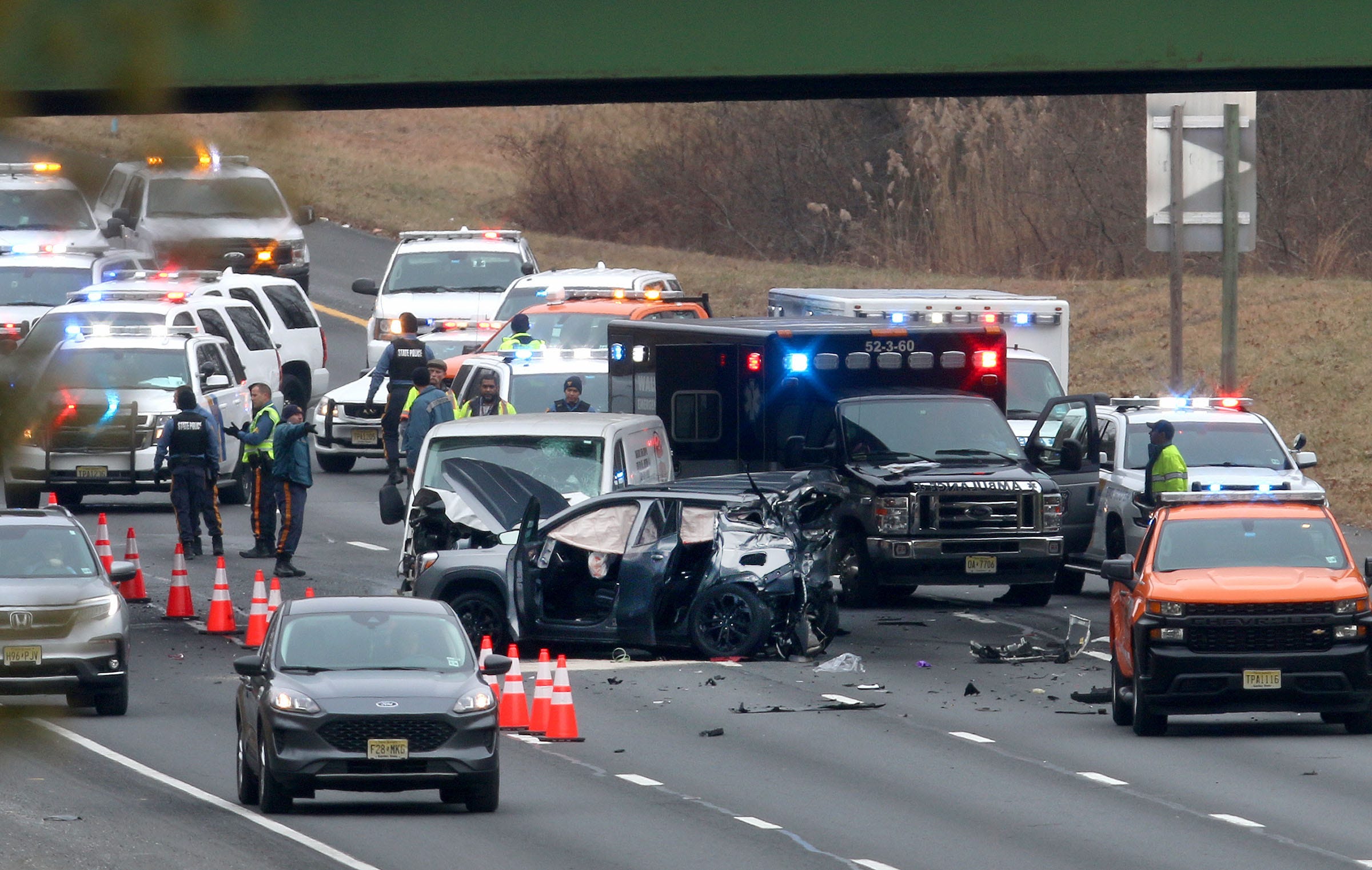
If you are searching for information regarding car accidents in NJ today, you are likely seeking real-time traffic updates, accident reporting protocols, or guidance on post-collision legal and insurance requirements. In New Jersey, official real-time data is centralized through the New Jersey Department of Transportation’s 511 system, while legal obligations for reporting and documentation are governed by state statutes regarding motor vehicle safety and liability.
Understanding Real-Time Traffic and Accident Reporting in New Jersey
When an accident occurs on New Jersey’s extensive network of highways, turnpikes, and local roads, identifying the current status of traffic is the first priority for commuters and first responders. The State of New Jersey maintains the NJ511 traveler information system, which serves as the authoritative source for road closures, construction delays, and active incident reports.
Navigating this system effectively requires understanding the difference between public safety notifications and real-time congestion mapping. NJ511 provides a live map that aggregates data from the New Jersey State Police, the New Jersey Turnpike Authority, and local law enforcement. If you are checking for accidents to determine your commute route, the "Traffic Camera" and "Alerts" features are the most reliable tools.
It is important to distinguish between information for navigation and legal requirements. If you have been involved in an accident, checking a public website is not a substitute for formal reporting. Under New Jersey law, all accidents resulting in injury, death, or property damage exceeding $500 must be reported to the police. Relying on digital traffic boards or apps is useful for general awareness, but if you are at the scene of a crash, you must follow established safety and legal steps rather than simply monitoring online traffic status.
Legal Requirements Following a Car Accident in New Jersey
New Jersey is a "no-fault" insurance state, which dictates how personal injury claims and property damage are handled. Understanding these rules is essential if you are currently dealing with the aftermath of a collision.
The Mandatory Police Report
In New Jersey, a police officer must be summoned to the scene if there is any sign of physical injury or if the vehicle damage is significant. Even in minor fender benders, obtaining a police report is critical. This document serves as a neutral record of the incident, capturing the identities of the drivers, the presence of witnesses, and the officer’s initial observations regarding road conditions or potential traffic violations. Without this documentation, you may face significant challenges when filing a claim with your insurance provider.
Information Exchange
State law mandates that operators of motor vehicles involved in an accident must exchange specific information. Failure to do so can lead to criminal charges, including "leaving the scene of an accident." You must be prepared to provide and receive:
- Full name and residential address.
- Driver’s license number and state of issuance.
- Vehicle registration details.
- Insurance company name and policy number.
- Contact information for any passengers or witnesses present.
Managing Post-Accident Insurance and Liability
Because New Jersey utilizes a Personal Injury Protection (PIP) system, your own insurance policy—regardless of who was at fault for the accident—is the primary source of coverage for medical expenses.
Personal Injury Protection (PIP) Explained
PIP coverage is mandatory for all New Jersey drivers. It is designed to pay for medical treatment resulting from an accident, along with potential lost wages and essential services, up to the limits specified in your policy. Because this is a no-fault system, you typically file a claim with your own insurance company first. The benefit of this system is that it allows for immediate access to medical care without waiting for a determination of liability, which can take months or years in a traditional "at-fault" legal system.
Tort Thresholds: "Verbal Threshold" vs. "Zero Threshold"
When selecting your insurance policy, you likely chose a "tort threshold" option. This is a critical factor in determining your right to sue for "pain and suffering."
- Limitation on Lawsuit (Verbal Threshold): You are restricted from suing for non-economic damages unless your injury meets specific criteria, such as permanent disability, disfigurement, or death.
- No Limitation on Lawsuit (Zero Threshold): You retain the right to sue for pain and suffering regardless of the severity of your injuries.
Understanding which option you selected is vital for your next steps if you are pursuing compensation beyond your PIP coverage.
Comparing Incident Documentation Methods
| Documentation Type | Primary Purpose | Authority/Source |
|---|---|---|
| NJ511 Real-Time Map | Traffic avoidance and routing | NJ Department of Transportation |
| Police Accident Report | Establishing legal record of crash | Local/State Law Enforcement |
| Insurance Claim File | Initiating medical/repair coverage | Private Insurance Carrier |
| Medical Evaluation | Documenting bodily injury | Licensed Healthcare Provider |
| Witness Statements | Establishing objective narrative | Independent Third Parties |
Steps to Take at the Scene of an Accident
If you are at the scene of a crash today, your priority is safety. Follow this sequence to protect your health and your legal rights:
- Ensure Safety: If possible, move your vehicle to the shoulder to avoid secondary collisions. Turn on hazard lights. Do not exit your vehicle if you are in a high-traffic lane until it is safe to do so.
- Assess for Injuries: Check yourself and passengers for injuries. If anyone is injured, call 911 immediately. Do not attempt to move someone who is unconscious or complaining of neck or back pain.
- Contact Authorities: Even if the accident seems minor, calling the police is the standard procedure to ensure an official report is generated.
- Gather Evidence: While waiting for the police, take photos of the vehicle positions, damage to all involved cars, road conditions, and any relevant traffic signs or signals.
- Seek Medical Attention: Even if you feel "fine," some injuries, such as concussions or internal soft-tissue damage, may not present symptoms until hours or days later. A formal medical assessment establishes a paper trail for potential insurance claims.
Common Pitfalls and Mistakes
Many drivers fall into traps that compromise their ability to recover costs after an accident. Avoiding these common mistakes can protect your interests:
- Apologizing or Admitting Fault: At the scene, remain polite but avoid discussing the details of the crash with the other driver. Do not apologize or admit fault, as this can be used against you during the insurance investigation.
- Delaying Medical Care: Insurance companies often look for gaps in treatment. If you wait a week to see a doctor, they may argue your injuries were not caused by the accident.
- Ignoring Policy Deadlines: New Jersey insurance policies have strict notification deadlines. Failure to report an accident to your insurer within the timeframe specified in your policy can result in a denial of coverage.
- Neglecting to Document Personal Expenses: If you are missing work or paying for help due to your injuries, keep a detailed log. These are reimbursable under your PIP coverage in many cases.
Supporting Documentation and Official Resources
When you are managing the aftermath of an accident, you may need to interact with several state entities. Below are the primary sources for official guidance in New Jersey:
- New Jersey Motor Vehicle Commission (MVC): The MVC provides information regarding accident reporting requirements and vehicle title or registration concerns following an incident.
- New Jersey Department of Banking and Insurance (DOBI): This department oversees consumer protection regarding insurance claims and disputes. If you believe your insurer is acting in bad faith, DOBI provides resources for filing a formal consumer complaint.
- New Jersey State Police (NJSP): For accidents occurring on major expressways or toll roads managed by the state, the NJSP is the primary responding agency. You can request copies of official accident reports directly through their records division or the state’s online portal.
Frequently Asked Questions (FAQ)
1. How do I get a copy of my police accident report in New Jersey? Most local police departments provide reports online through platforms like CrashDocs or BuyCrash. For accidents on state highways, you can request the report through the New Jersey State Police records office. You will typically need the date of the accident, the location, and the case number provided by the responding officer.
2. Does New Jersey's no-fault law mean I can't sue for anything? No. While PIP handles medical bills and lost wages regardless of fault, you can still pursue a lawsuit for pain and suffering if you have the "no limitation on lawsuit" (zero threshold) option on your policy, or if your injuries meet the "verbal threshold" criteria for permanent harm.
3. What if the other driver does not have insurance? New Jersey law requires all drivers to carry Uninsured Motorist (UM) coverage. If you are hit by an uninsured driver, your own insurance policy’s UM provision should cover your damages up to your policy limits.
4. How long do I have to report an accident to my insurance company? While you should report an accident as soon as possible, your policy contract will specify the "prompt notice" requirement. It is generally best to report the incident within 24 to 48 hours to ensure that investigators can collect evidence while it is still fresh.
5. Can I use the NJ511 app to report a new accident I see? The NJ511 system is for information dissemination. If you see an accident that has not been reported, you should call 911 or the local police non-emergency line to alert them, rather than attempting to upload the information to a traveler information portal.
Final Recommendations and Next Actions
If you are currently involved in a car accident in New Jersey, prioritize your physical safety and the collection of accurate documentation. Immediately secure a police report, seek medical evaluation, and notify your insurance carrier within the first 48 hours. If you are merely seeking information on current traffic conditions, utilize the official NJ511 portal to verify real-time data before embarking on your commute. Always maintain a printed or digital copy of your insurance policy documents, including your declaration page, which specifies your coverage limits and tort threshold, as this information is essential if you find yourself in an accident situation today.