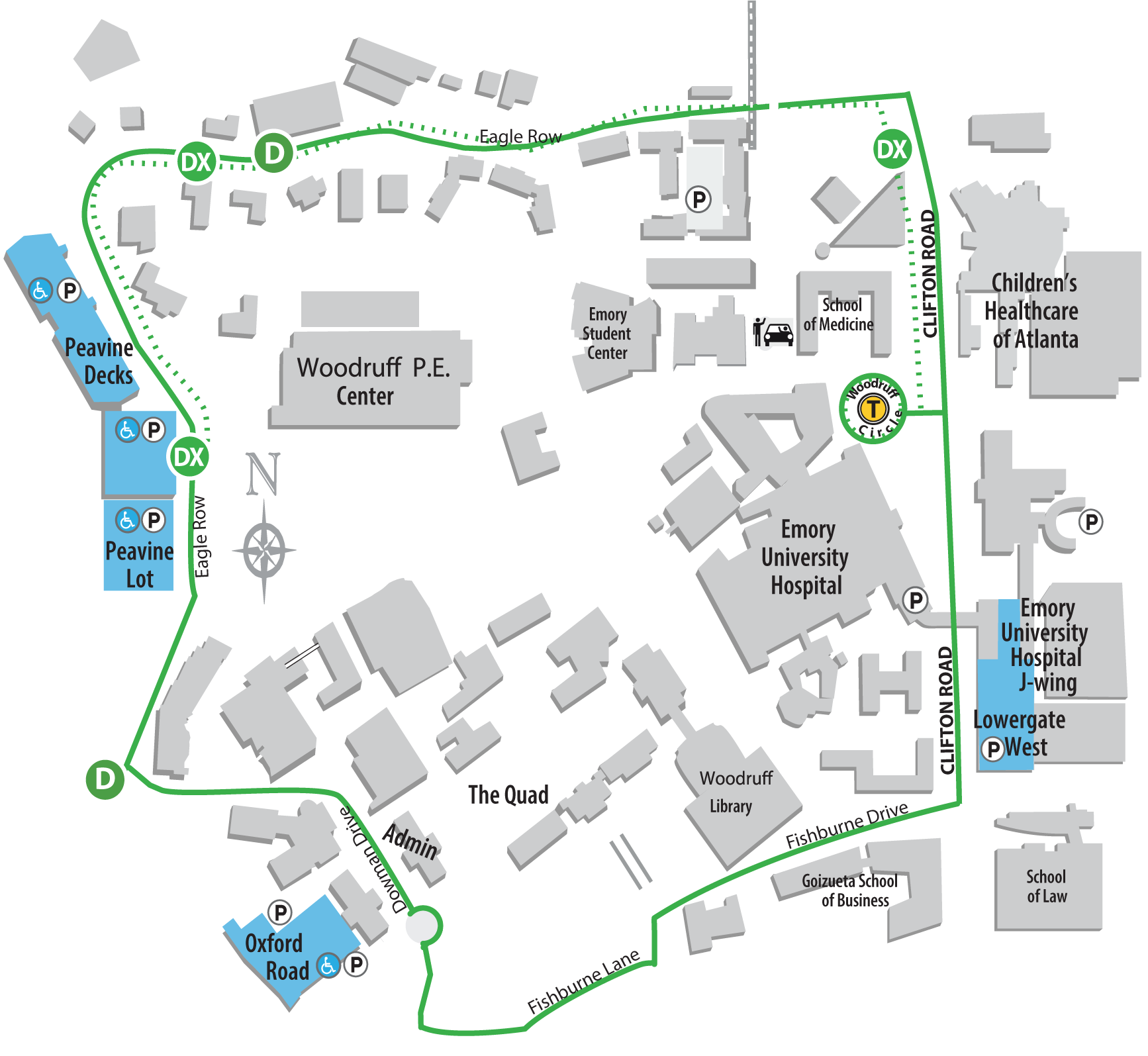
(Note: This article focuses exclusively on the official transportation network operated by Emory University and Emory Healthcare in Atlanta, Georgia. For regional transit or private charter services outside of Emory's campus footprint, alternative municipal options must be consulted.)
Navigating a major academic and medical hub requires a reliable, structured transit framework. The Emory Shuttle network—often referred to locally as the Cliff shuttle system—serves as the circulatory backbone for Emory University's campuses, its sprawling healthcare complexes, and surrounding residential nodes. For students, staff, patients, and visitors arriving in 2026, understanding this transit infrastructure is essential for efficient daily commuting and timely clinical arrivals.
Operating under strict institutional standards, the Emory transportation grid integrates modern fleet technologies, real-time GPS tracking, and ADA-compliant accessibility features to move thousands of passengers daily across DeKalb County and the city of Atlanta.
Core Structure and Architecture of the Emory Transit Network
The Emory Shuttle infrastructure is engineered to connect disparate geographic zones that include the historic Druid Hills campus, the Clifton Corridor medical complex, the Yerkes National Primate Research Center, and various off-site administrative and student housing locations. Managed centrally by Emory Transportation and Parking Services, the system coordinates multiple routes designated by specific color codes and alpha-numeric identifiers.
To maintain service reliability, the fleet utilizes a mix of traditional diesel-electric buses and an expanding inventory of zero-emission electric vehicles, aligning with Emory University's institutional sustainability goals for 2026. Each vehicle undergoes rigorous monthly safety inspections compliant with Federal Transit Administration (FTA) guidelines and Georgia Department of Transportation (GDOT) safety standards.
Operational Standard Compliance All Emory shuttle operators possess commercial driver's licenses (CDL) with passenger endorsements and undergo specialized situational awareness training, defensive driving certifications, and accessibility equipment handling protocols.
Key Route Classifications
- Intra-Campus Routes: Designed primarily for undergraduate and graduate movement between academic quads, residence halls, and athletic facilities.
- Medical Center Connectors: High-frequency lines prioritizing rapid transit between Emory University Hospital, Emory University Hospital Midtown, Winship Cancer Institute, and adjacent parking decks.
- Off-Campus Commuter Lines: Longer-distance routes linking remote parking lots, MARTA rapid transit rail stations (such as the Lindbergh Center and Decatur stations), and satellite research facilities.
Real-Time Tracking and Operational Schedules for 2026
Predictability is vital for clinical staff managing strict shift schedules and students rushing to morning lectures. In 2026, the Emory Shuttle system relies on advanced telematics, providing live bus locations accessible via official mobile applications and digital signage across campus hubs.
Passengers can monitor vehicle proximity through the TransLoc-powered tracking platform embedded in the official Emory mobile app or via web-based portal interfaces. These systems offer estimated times of arrival (ETAs) calculated via live traffic feeds along Clifton Road, Decatur, and surrounding arterial roadways.
Operational Timetable Overview
- Weekday Peak Hours (06:00 - 09:30 and 15:30 - 19:00): High-frequency service running at 5-to-10-minute intervals on primary medical corridor routes.
- Weekday Off-Peak Hours (09:30 - 15:30): Standard service running at 15-to-20-minute intervals across all active routes.
- Evening and Night Service (19:00 - 03:00): Reduced route configurations supplemented by demand-responsive safe-ride programs.
- Weekend and Holiday Schedules: Modified loops focusing on essential residential and medical center access points with 30-minute headways.
Accessibility, Safety, and Passenger Protocols
Accessibility is a fundamental pillar of the Emory Shuttle design. Every active vehicle in the fleet features low-floor boarding ramps, secure wheelchair tie-down stations, and audible stop-announcement systems compliant with the Americans with Disabilities Act (ADA).
Safety enforcement relies on a collaborative framework between Emory Transportation Services and the Emory Police Department (EPD). Emergency call buttons are installed inside every vehicle, and direct radio links connect drivers to dispatchers and campus law enforcement.
Standard Passenger Code of Conduct
- Valid Emory University ID (EmoryCard) or clinical visitor credentials may be requested upon boarding specific restricted routes, though primary campus loops remain open to the public and patients.
- Folding strollers and small personal mobility devices are permitted, provided they do not obstruct emergency aisles or wheelchair securement zones.
- Service animals are welcome aboard all vehicles in accordance with federal regulations; emotional support animals must remain securely contained within approved carriers.
Comparative Overview of Emory Transit Options
Choosing the right transit method depends on user affiliation, time constraints, and destination coordinates. The following matrix details the operational characteristics of the primary transit options available within the Emory ecosystem.
| Service Type | Primary Users | Typical Operating Hours | Fare Structure | Real-Time Tracking Available |
|---|---|---|---|---|
| Clifton Corridor Shuttles | Students, Staff, Patients | 06:00 - 01:00 (Varies by route) | Free (No fare required) | Yes (Official App) |
| Evening On-Demand Safe Ride | Students, Faculty | 17:00 - 06:00 | Free | Yes (App-dispatched) |
| MARTA Public Bus Connections | General Public | Aligned with regional schedules | Standard MARTA Fare | Via MARTA See & Say / Transit Apps |
| Emory Point Circulator | Shoppers, Residents | 10:00 - 22:00 | Free | Yes |
Step-by-Step Guide: Navigating Your First Trip on the Emory Shuttle
Planning a transit route through the Emory ecosystem requires a systematic approach to ensure timely arrival, particularly when connecting to medical appointments or time-sensitive academic exams.
- Identify Your Origin and Destination: Determine the exact building or nearest landmark. For instance, traveling from the Dobbs Common Table to the Winship Cancer Institute requires a direct connection via the Clifton Corridor medical route.
- Check Live Tracking Tools: Open the official Emory mobile application prior to leaving your building to verify that your designated shuttle is actively running and to view real-time delays caused by Clifton Road congestion.
- Arrive at the Designated Stop Early: Stand visibly at the marked Emory Shuttle stop shelter at least three to five minutes before the scheduled arrival time. Ensure your hand or signal is visible to the driver as the vehicle approaches.
- Board and Verify: Step onto the low-floor boarding area. If boarding a restricted night or inter-campus route, have your EmoryCard ready for quick visual verification by the driver.
- Monitor Your Stop: Listen for the automated audio announcements or monitor the digital interior display. Press the interior stop-request ribbon or button if your stop is designated as a request-only location.
Advantages and Disadvantages of the Emory Shuttle System
Evaluating the pros and cons of utilizing the Emory transit infrastructure helps commuters decide when to rely on the shuttle versus driving personal vehicles or utilizing rideshare services.
Advantages
- Cost Efficiency: All standard routes within the Emory shuttle network are entirely free for students, staff, patients, and visitors.
- Parking Mitigation: Alleviates the severe scarcity and high cost of vehicular parking across the densely packed Clifton campus.
- Environmental Impact: Reduces individual carbon footprints by utilizing electric and high-efficiency hybrid fleet additions.
- Direct Healthcare Integration: Drops passengers off directly at major clinical thresholds, minimizing walking distances for patients with mobility challenges.
Disadvantages
- Traffic Vulnerability: Shuttles share public roadways with regular commuter traffic, making them susceptible to peak-hour gridlock along Clifton Road and Houston Mill Road.
- Capacity Constraints: High demand during shift change times (typically 07:00 and 19:00) at major hospitals can lead to crowded cabins and potential pass-bys if vehicles reach maximum capacity.
- Limited Late-Night Coverage: While evening and night routes exist, complete 24/7 coverage is restricted, requiring reliance on on-demand safe ride programs during early morning hours.
Frequently Asked Questions
Do I need an Emory ID to ride the shuttle?
Standard daytime campus and medical shuttle routes are free and open to the public, meaning an Emory ID is not required. However, certain specialized night routes or inter-campus express lines may require visual verification of an EmoryCard or clinical appointment confirmation.
Are the Emory shuttles completely ADA accessible?
Yes, every vehicle in the active fleet is equipped with hydraulic wheelchair lifts or low-floor boarding ramps, designated securement areas, and automated audio-visual stop announcements.
How can I track the shuttles in real-time?
You can track all active shuttles live by downloading the official Emory mobile application or by accessing the TransLoc web portal, which provides accurate ETAs and route status updates.
Are pets allowed on the Emory shuttle?
Certified service animals are permitted on all vehicles in compliance with ADA guidelines. Pets and emotional support animals must be kept inside secure, fully enclosed travel carriers at all times.
What should I do if I leave an item behind on a shuttle?
If you misplace a personal belonging on a vehicle, contact Emory Transportation and Parking Services immediately with your route name, the approximate boarding time, and a detailed description of the item.
Does the shuttle operate during university holidays and inclement weather?
The shuttle operates on modified holiday schedules during official university closures, such as Thanksgiving or winter break. During severe weather events, real-time alerts regarding route suspensions or delays are published via official Emory emergency channels and transit tracking apps.
Optimizing Your Emory Transit Experience
Maximizing the efficiency of your daily travel across the Emory University and healthcare ecosystem requires utilizing available digital tools and maintaining flexibility during peak traffic windows. By integrating live tracking applications into your daily routine and understanding route schedules, you can navigate the Clifton Corridor seamlessly throughout 2026. For specific route adjustments, service inquiries, or parking permit tie-ins, consult the official Emory Transportation and Parking Services office online or reach out via campus communication channels.