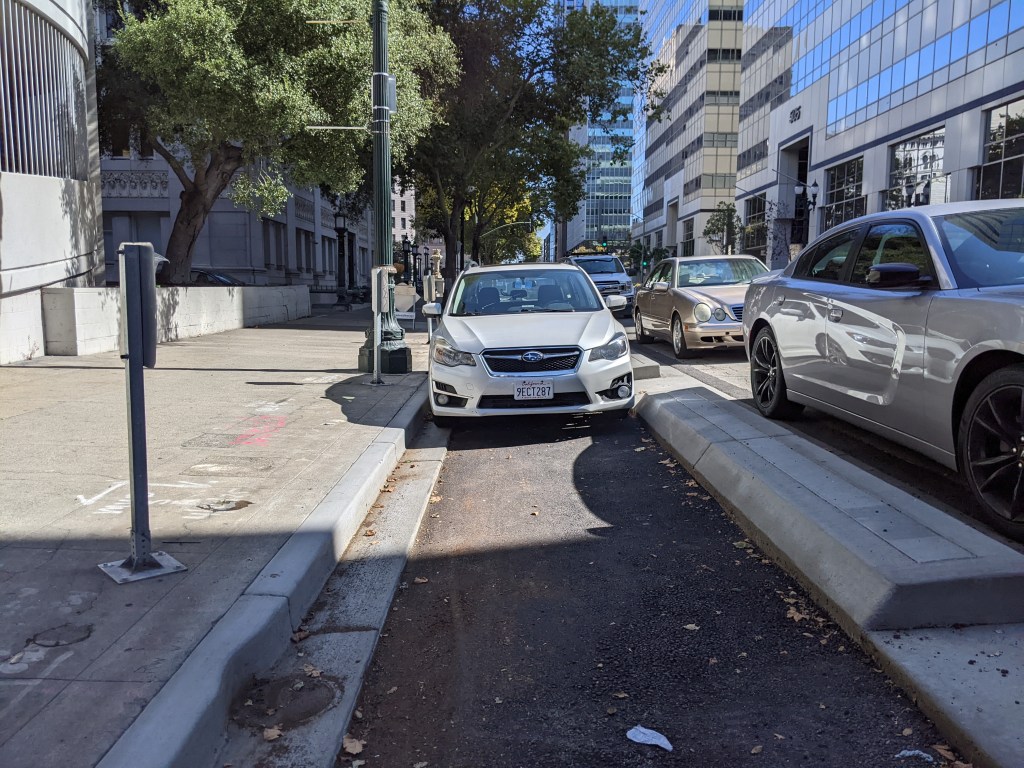
Urban mobility has evolved rapidly, transforming how municipalities manage curb space, reduce congestion, and maintain traffic flow. On-street parking enforcement in 2026 relies far less on traditional chalk marks and paper tickets, shifting toward an integrated ecosystem of automated license plate recognition (ALPR), Internet of Things (IoT) sensors, and dynamic pricing models. Municipal transportation departments face mounting pressure to balance economic vitality for local businesses with strict compliance demands that keep emergency lanes clear and public transit moving efficiently.
The Technological Evolution of Curb Management
The operational backbone of contemporary parking enforcement has transitioned from manual patrols to automated, data-driven systems. Cities no longer depend solely on parking enforcement officers walking beats with mechanical timers. Instead, advanced hardware and software work in tandem to monitor space turnover in real time.
- Automated License Plate Recognition (ALPR): Mounted on enforcement vehicles or deployed via mobile handheld units, ALPR cameras scan parked vehicle plates and cross-reference them instantly against payment databases, permits, and hotlists.
- IoT Ground Sensors: Magnetic and optical sensors embedded in individual parking stalls detect vehicle presence, transmitting occupancy data directly to cloud platforms and enforcement routing software.
- Digital Permit Management: Physical hangtags and stickers are largely obsolete. Virtual permits tied to vehicle identification numbers (VINs) allow officers to verify authorization instantly via mobile terminals.
- Pay-by-Plate Integration: Centralized backend systems link meter payments directly to vehicle plates, eliminating the need to display physical receipts on dashboards.
Operational Workflows for Modern Enforcement Officers
Executing effective on-street parking management requires standardized operational protocols. Modern enforcement workflows minimize officer discretion, reduce dispute rates, and maximize compliance through clear, digitized procedures.
- Route Optimization: Enforcement vehicles utilize predictive analytics software to target high-violation zones during peak turnover hours rather than driving static, arbitrary routes.
- Digital Citation Issuance: Upon detecting an expired session or unauthorized parking, officers capture photographic evidence, which automatically populates a digital ticket linked to the state Department of Motor Vehicles database.
- Real-Time Data Syncing: Citations are transmitted instantly to municipal finance servers, allowing motorists to view and pay fines via smartphone applications within seconds of issuance.
- Booting and Towing Coordination: Repeat offenders with multiple unpaid citations are flagged automatically, dispatching specialized removal crews equipped with GPS tracking to locate and immobilize vehicles swiftly.
Traditional Enforcement Versus Automated Systems
Evaluating the transition from legacy methods to modern digital frameworks highlights significant operational differences across key performance indicators.
| Evaluation Metric | Traditional Manual Enforcement | Modern Automated Enforcement (2026) |
|---|---|---|
| Scan Rate | 20 to 30 vehicles per hour per officer | Up to 300 vehicles per hour per vehicle-mounted ALPR unit |
| Error Rate | Moderate risk of human error in manual data entry | Less than 1% optical error rate with automated verification |
| Data Utilization | Static paper logs, difficult to aggregate | Real-time analytics tracking turnover and hot spots |
| Revenue Collection | Delayed processing via mail or walk-in counters | Instant digital payments via mobile gateways |
| Public Transparency | High contest rates due to lack of photo evidence | Low contest rates supported by time-stamped visual proofs |
Balancing Enforcement Efficiency with Public Relations
While technological upgrades streamline operations, strict enforcement often generates friction with motorists and local merchants. Municipalities must implement balanced policies to maintain public trust. Grace periods for expired pay-by-phone sessions, clear signage regarding loading zone restrictions, and progressive citation structures for minor infractions help mitigate public backlash. Furthermore, revenue generated from enforcement actions is increasingly reinvested directly into neighborhood infrastructure, public transit upgrades, and pedestrian safety initiatives, fostering greater community support.
Transparency and Equity Guidelines
Equitable Distribution: Enforcement resources should be distributed evenly across commercial and residential sectors to prevent the perception of targeted revenue generation in specific neighborhoods.
Appeals Accessibility: Municipalities must provide streamlined, mobile-friendly digital portals for citizens to contest citations by submitting counter-evidence without requiring physical court appearances.
Frequently Asked Questions
What is Automated License Plate Recognition (ALPR) in parking enforcement?
ALPR uses high-speed cameras mounted on vehicles or handheld units to scan license plates and instantly verify parking payments, permits, and violation status. This technology dramatically increases the speed and accuracy of urban curb management compared to manual patrols.
How do IoT sensors improve on-street parking compliance?
IoT ground sensors detect the physical presence of a vehicle in a specific stall, feeding occupancy data to municipal servers and alerting enforcement teams when a vehicle overstays its paid time limit.
Can I contest a digital parking ticket issued via ALPR?
Yes, digital tickets issued via ALPR include automated photographic timestamps and location data, which can be reviewed online through the municipal parking portal to submit an appeal or pay the fine.
Why are physical parking permits being phased out?
Physical permits are vulnerable to counterfeiting, theft, and visual obstruction. Virtual permits tied to vehicle license plates offer immediate verification for officers and a seamless renewal process for drivers.
How do cities handle repeat parking offenders?
Municipalities utilize centralized software databases to flag vehicles with multiple unpaid citations, automatically dispatching enforcement units to boot or tow the vehicle when parked on public streets.
Streamline Your Municipality's Curb Management Today
Upgrading your city's on-street parking enforcement infrastructure reduces congestion, enhances local commerce, and maximizes municipal revenue efficiency. Partner with industry leaders to deploy next-generation ALPR technology, intelligent sensors, and digital permit ecosystems tailored to your urban landscape. Contact our transportation strategy team today to schedule a comprehensive audit and custom deployment roadmap.