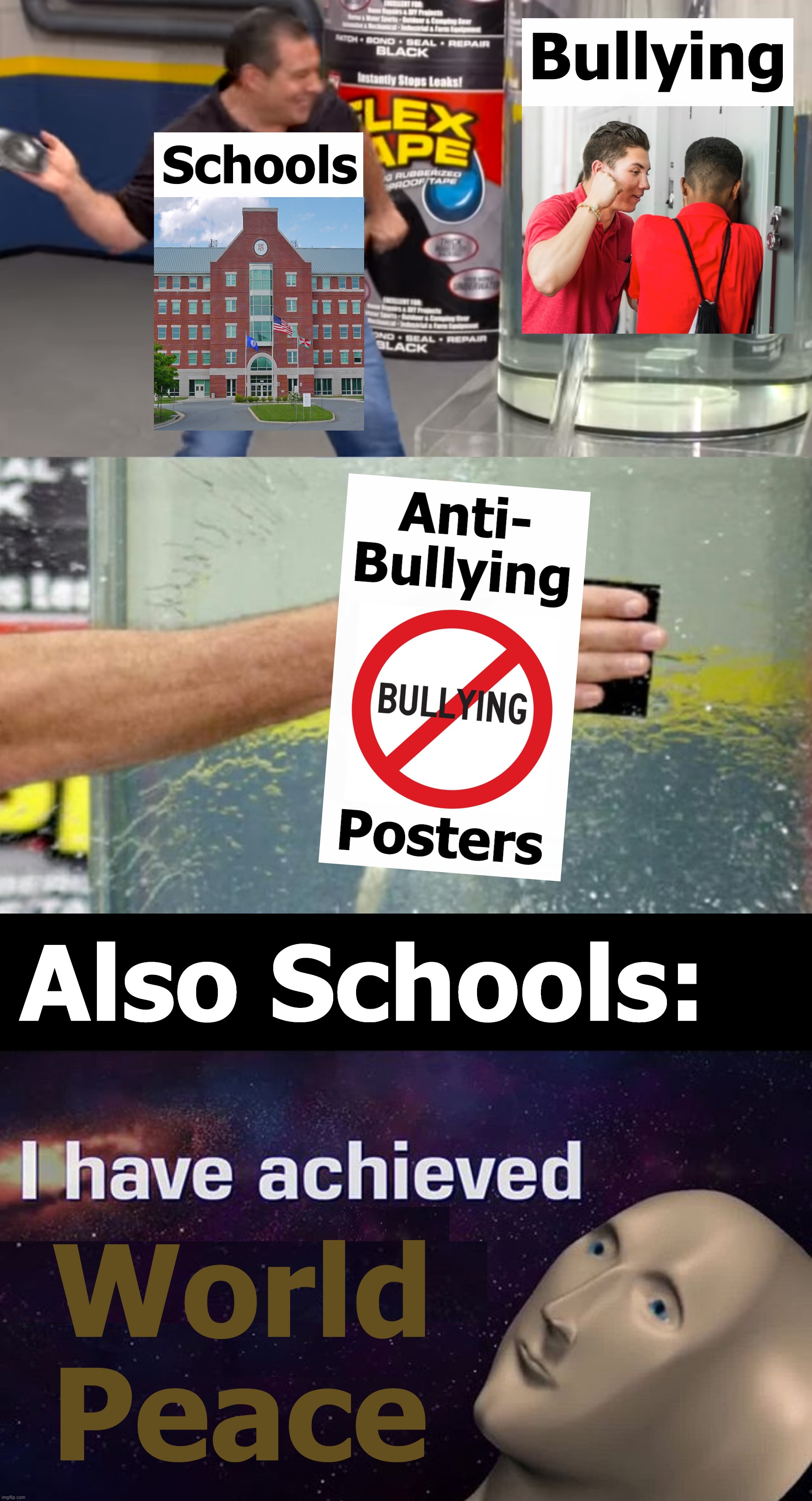
Bully memes are a distinct category of internet humor that humorously exaggerate interpersonal conflict, aggressive social behaviors, or schoolyard dynamics, often subverting serious harm into absurd, relatable visual commentary. They generally serve as a coping mechanism, a form of satirical critique, or an exploration of human aggression within digital communities.
The proliferation of online culture has transformed how society processes interpersonal conflict, dominance dynamics, and emotional distress. Among the vast ecosystem of internet humor, bully memes occupy a complex, highly debated niche. They sit at the intersection of dark humor, psychological defense mechanisms, and social commentary. While some users view these digital artifacts as harmless outlets for venting shared frustrations about difficult social encounters, others argue they normalize or trivialize genuine abuse. Analyzing bully memes requires a nuanced look at their cultural origins, psychological functions, and the ethical lines they frequently navigate within digital media.
Defining Bully Memes and Their Cultural Context
To understand bully memes, one must first deconstruct their structural anatomy and cultural placement. In internet terminology, a meme is an idea, behavior, or style that spreads rapidly from person to person within a culture, often via digital platforms like image boards, social media feeds, and messaging applications. Bully memes specifically focus on themes of dominance, intimidation, social exclusion, or the stark imbalance of power between individuals or groups.
Unlike organic acts of digital harassment or cyberbullying—which involve targeted, malicious communication directed at specific victims—bully memes typically use generalized archetypes. They feature fictional scenarios, exaggerated historical tropes, or cinematic references. For instance, a common template might juxtapose an overly aggressive fictional character with an everyday, mundane inconvenience, creating humor through extreme disproportion.
The appeal of these images relies on shared cultural literacy. Creators expect the audience to recognize the underlying dynamics of social friction—such as navigating high school hierarchies, workplace politics, or sibling rivalry—and find solace or amusement in their satirical exaggeration. By turning intimidation into a punchline, internet subcultures attempt to strip aggressive behavior of its real-world intimidation factor, reframing it through a lens of absurdism.
The Psychology Behind Aggressive Humor
Humor theory often categorizes jokes through mechanisms like relief, incongruity, and superiority. Bully memes frequently draw on all three, but superiority and relief play the most prominent roles in their dissemination.
Relief Theory and Coping Mechanisms
Psychologists have long studied how humor serves as a defense mechanism against anxiety and trauma. For many individuals, humor acts as a pressure valve for dealing with past bullying, social anxiety, or feelings of powerlessness. By creating or sharing bully memes, individuals can reclaim a sense of agency over painful memories. Transforming a traumatic or stressful memory into a shared joke shifts the individual from a passive victim to an active narrator.
This phenomenon aligns with the concept of benign violations, where a situation is perceived as threatening or wrong in some way, but simultaneously judged to be safe or acceptable. When a meme exaggerates bullying to an absurd degree—such as treating a minor social slight with cartoonish, over-the-top retaliation—the viewer recognizes the violation (aggression) while registering the safety (fiction, hyperbole, or obvious satire), resulting in laughter rather than distress.
Superiority Theory and In-Group Dynamics
Conversely, superiority theory suggests that people laugh at the misfortunes or shortcomings of others to feel superior. Some segments of meme culture utilize bully-themed content to reinforce in-group boundaries. By mocking perceived weaknesses, awkwardness, or social faux pas, communities establish unwritten rules of behavior.
This dynamic borders on toxic behavior when the humor shifts from abstract satire to targeted mockery of specific subcultures or vulnerable demographics. The line between harmlessly poking fun at universal human awkwardness and promoting exclusionary, hostile attitudes is often thin, requiring constant navigation by platform moderators and community members.
Content Typologies and Common Tropes
Bully memes are not monolithic; they manifest in several distinct styles across different internet platforms. Understanding these typologies helps clarify how different communities process aggression through media.
| Meme Subcategory | Primary Characteristics | Common Purpose | Potential Risk |
|---|---|---|---|
| Absurdist Hyperbole | Extreme, unrealistic depictions of violence or dominance (e.g., cartoon physics, sci-fi settings). | Satire, stress relief, entertainment. | Low; clearly fictional. |
| Relatable Social Friction | Depictions of awkward school or workplace encounters, highlighting minor peer pressure. | Empathy building, shared validation. | Low to Moderate; can trigger negative memories. |
| Edgy Dark Humor | Intentional boundary-pushing content that flirts with taboo topics regarding harassment. | Shock value, community signaling. | High; can cross into targeted harassment. |
| Wholesome Reversals | Memes that set up a bullying dynamic only to subvert it with unexpected kindness or support. | Emotional uplift, positive reinforcement. | Negligible; promotes prosocial behavior. |
Examining these categories reveals that the intent behind a meme heavily dictates its impact. While absurdist hyperbole relies on impossibility for comedic effect, edgy dark humor often tests societal norms, sometimes alienating mainstream audiences or violating content moderation guidelines on major social media networks.
The Fine Line Between Satire and Real-World Harm
A central controversy surrounding bully memes is their potential to desensitize audiences to actual intimidation and abuse. Critics argue that when aggressive behaviors are continuously wrapped in layers of irony and humor, the severity of real-world bullying becomes normalized. If peer pressure, intimidation, and verbal abuse are constantly used as punchlines, young or impressionable audiences may struggle to draw the line between online irony and acceptable offline behavior.
Furthermore, digital spaces frequently struggle with the defense of "it's just a joke" when content crosses ethical boundaries. What begins as an abstract meme about social dominance can quickly be weaponized by bad actors to target specific individuals, turning macro-level satire into micro-level cyberbullying. Platforms face ongoing challenges in implementing automated and manual moderation policies that can distinguish between harmless absurdist humor and genuine campaigns of harassment.
Constructive Engagement and Digital Literacy
Navigating the landscape of modern internet culture requires robust digital literacy. Consumers, educators, and platform users must develop the critical thinking skills necessary to evaluate the media they consume and share.
- Contextual Awareness: Recognize whether a piece of media relies on safe hyperbole or targets real, vulnerable groups.
- Empathy and Impact: Consider how shared content might affect peers who have lived experiences with trauma, harassment, or bullying.
- Platform Accountability: Support and adhere to community guidelines that prohibit targeted harassment, hate speech, and the weaponization of humor against individuals.
By approaching digital media with a balanced, analytical mindset, internet users can enjoy the creative and cathartic aspects of meme culture while mitigating its potential harms.
Frequently Asked Questions
Are bully memes considered a form of cyberbullying?
Not inherently. Cyberbullying involves direct, targeted harassment, threats, or intimidation directed at a specific individual. Bully memes are typically abstract, generalized pieces of satire or hyperbole. However, if a meme is used to mock a specific, identifiable person, it can cross the line from satire into active cyberbullying.
Why do people find humor in aggressive or dark themes?
Psychological research suggests that dark humor and aggressive themes act as emotional coping mechanisms. They allow individuals to process fear, anxiety, or past trauma in a controlled, non-threatening environment by stripping the source of anxiety of its power through laughter.
How do social media platforms moderate bully-themed content?
Platforms rely on a combination of automated content filters, keyword tracking, and user reporting systems. Content that violates terms of service regarding hate speech, targeted harassment, or explicit violence is typically removed, while content protected by free expression and satirical intent is often permitted.
Can bully memes have a positive psychological effect?
Yes, under certain conditions. Memes that highlight universal awkwardness or subvert expected bullying tropes with wholesome conclusions can foster a sense of community, shared validation, and emotional resilience among peers.
Where can I learn more about digital safety and online harassment prevention?
Reputable resources include organizations such as the Cyberbullying Research Center and educational guides provided by major child safety and digital literacy non-profits.