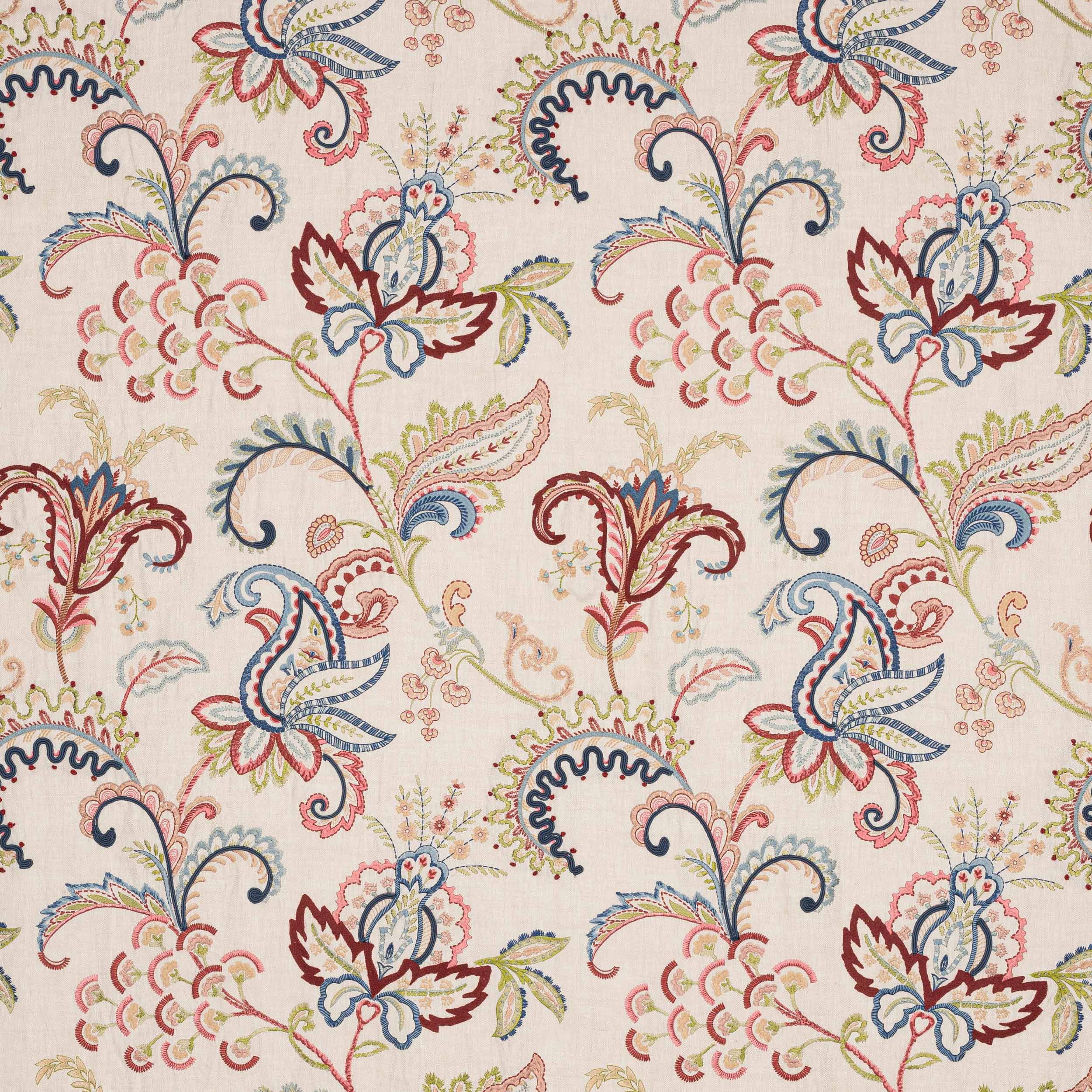
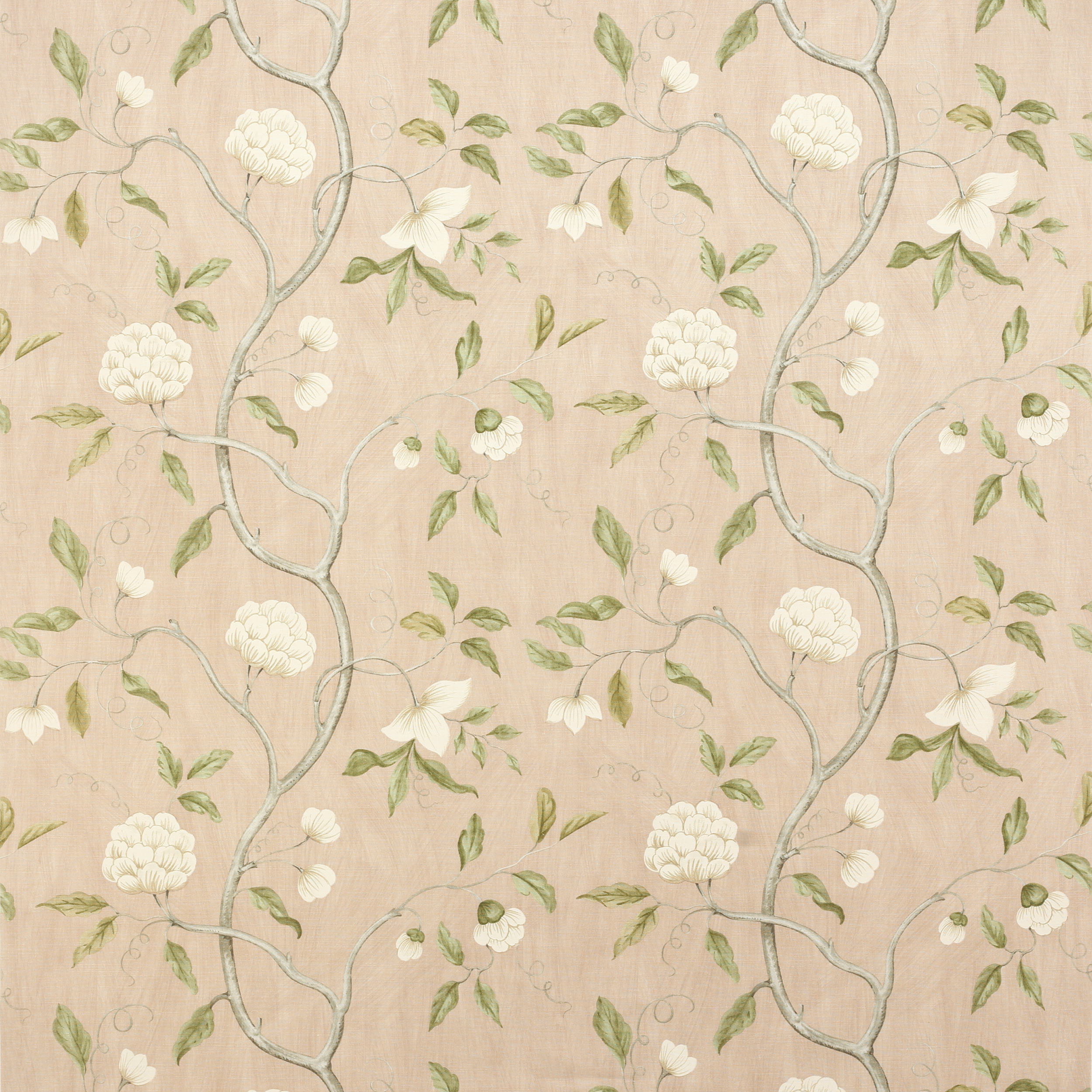
Colefax and Fowler is the preeminent British interior design house world-renowned for pioneering the English Country House style. Established in the 1930s, the brand offers luxury textiles, wallpapers, and furniture characterized by understated elegance, floral motifs, and a refined sense of history that remains a cornerstone of high-end interior design in 2026.
The Foundations of an Iconic Partnership
The story of Colefax and Fowler is not merely the history of a company, but the history of a specific visual language that has come to define "Britishness" in the domestic sphere. The firm’s origins lie in the collaboration between two of the 20th century’s most influential design figures: Lady Sibyl Colefax and John Fowler.
Lady Sibyl Colefax began decorating in the 1930s, leveraging her vast social network and impeccable taste to establish a business that catered to the British aristocracy. However, it was her partnership with John Fowler, which began in 1938, that elevated the firm to international status. Fowler was often described as a "prince of decorators." He possessed an extraordinary eye for color and a deep, almost scholarly understanding of historical patterns and textile structures.
Together, they moved away from the heavy, Victorian clutter that had dominated previous generations. Instead, they introduced a look that felt lived-in yet sophisticated. This aesthetic relied on the clever use of "humble" materials, such as cotton chintz, paired with grand architectural details. By the mid-20th century, Colefax and Fowler had become the go-to firm for the restoration of Great Britain's most significant stately homes, working closely with organizations like the National Trust.
The Essence of the English Country House Style
To understand Colefax and Fowler in 2026 is to understand the "English Country House" look. While many interior trends come and go, this specific style has remained resilient because it prioritizes comfort, longevity, and a sense of belonging. It is a look that suggests a room has evolved over generations rather than being "designed" in a single afternoon.
Key Characteristics of the Aesthetic
- Layered Textures: A typical Colefax-inspired room rarely features a single fabric. Instead, it utilizes a sophisticated mix of linens, silks, velvets, and wools.
- The Power of Chintz: Perhaps the brand's most recognizable signature is the use of floral glazed chintz. These fabrics often feature botanical illustrations that bring the colors of a British garden indoors.
- Muted and Complex Palettes: John Fowler was famous for his "non-colors"—shades that were difficult to name, such as "dead salmon" or "drab." These colors provide a soft, atmospheric backdrop that allows artwork and antiques to shine.
- Attention to Trimmings: The firm revitalized the use of "passementerie"—the tassels, fringes, and braids that finish a piece of furniture or a curtain. In the Colefax world, the trim is as important as the fabric itself.
Modern Operations: The Colefax Group PLC
In the current market of 2026, Colefax and Fowler operates as the flagship brand of The Colefax Group PLC. The group has strategically acquired other prestigious houses to offer a diverse portfolio of styles while maintaining the high standards associated with the parent company.
The Portfolio of Brands
The group includes several distinct entities, each serving a different niche in the luxury market:
- Colefax and Fowler: The core brand focusing on classic English heritage designs.
- Jane Churchill: Known for a more contemporary, accessible, and often whimsical approach to patterns.
- Manuel Canovas: A French house famous for its bold, vibrant colors and exotic prints, providing a "Continental" flair.
- Larsen: An American-born brand that focuses on modernist, architectural weaves and innovative technical fabrics.
This multi-brand strategy allows the group to outfit an entire residence, from a traditional drawing room using Colefax silks to a modern home cinema using Larsen’s high-performance textiles.
Technical Specifications and Manufacturing Excellence
For professionals and discerning homeowners, the appeal of Colefax and Fowler lies in the technical quality of their products. In 2026, despite the rise of digital printing, the brand continues to emphasize traditional manufacturing methods where they yield the best aesthetic results.
Fabric Construction
The textiles are categorized by their intended use, typically measured by the Martindale rub test, which determines durability.
- General Domestic: Fabrics suitable for curtains and light-use furniture, often featuring delicate embroideries or fine silks.
- Heavy Duty: Robust linens and woven velvets designed for high-traffic upholstery in family rooms or commercial settings.
Wallpaper Techniques
Colefax and Fowler wallpapers often utilize traditional "surface printing" techniques. This method involves applying a thick layer of ink to the paper, resulting in a hand-painted look with visible texture and depth that digital alternatives cannot replicate. They also produce grasscloths and silk-effect wallcoverings that provide acoustic benefits and thermal insulation.
Comparing the Colefax Group Brands (2026 Status)
| Brand | Primary Style | Key Materials | Target Use |
|---|---|---|---|
| Colefax and Fowler | Classic English Heritage | Chintz, Linen, Silk, Damask | Formal Living, Master Bedrooms |
| Jane Churchill | Contemporary & Versatile | Embroidered Cotton, Easy-care blends | Nurseries, Casual Lounges |
| Manuel Canovas | Bold French Luxury | Vibrant Velvets, Toiles de Jouy | Statement Pieces, High-end Dining |
| Larsen | Modernist/Architectural | Metallic Weaves, Heavy Textures | Contemporary Apartments, Offices |
How to Access and Acquire Colefax and Fowler Products
As a luxury brand, Colefax and Fowler maintains a controlled distribution network to ensure that their products are handled by experts who understand the nuances of high-end textiles.
Trade vs. Retail
Most Colefax and Fowler products are sold "To the Trade." This means that while consumers can view samples in showrooms, the actual purchase is typically made through an interior designer or an authorized decorator. Designers provide essential services, such as calculating yardage for complex window treatments and ensuring that fabrics meet local fire safety regulations.
Showroom Locations
The brand's spiritual home remains in London, specifically at the Chelsea Harbour Design Centre, which serves as the international hub for the group. They also maintain a significant presence in:
- Paris: Catering to the European market via the Rue du Mail.
- New York and Los Angeles: Distributed through major design centers like the D&D Building.
- Global Partners: A network of distributors ensures availability in Asia and the Middle East.
Lead Times and Customization
In 2026, standard stock items are usually available for immediate dispatch. However, for bespoke orders—such as custom-colored wallpapers or hand-embroidered panels—lead times can range from 8 to 16 weeks. It is crucial for project managers to account for these timelines during the early phases of renovation.
Sustainability and Ethical Sourcing in 2026
The luxury textile industry has faced increasing pressure to adopt sustainable practices. Colefax and Fowler has responded by auditing its supply chain to ensure ethical labor practices and environmental responsibility.
Many of their linens are now sourced from European growers who use rain-fed irrigation and minimal pesticides. Furthermore, the brand has reduced the use of harsh chemical dyes, opting for GOTS (Global Organic Textile Standard) certified pigments where possible. Because the products are designed to last for decades rather than years, they naturally align with the "slow design" movement, reducing the environmental impact associated with disposable interior trends.
Designing with Colefax and Fowler: Practical Tips
Using these high-end materials requires a strategic approach to avoid an overly formal or "stiff" atmosphere.
- Start with the Rug: In a classic English room, the rug often anchors the palette. Choose a neutral sisal for a casual look or a faded Persian rug for a more traditional feel before selecting Colefax fabrics.
- Mix Scale: If you use a large-scale floral chintz on the sofa, use a small-scale geometric or a plain weave on the armchairs. This prevents the patterns from competing for attention.
- Don't Forget the Walls: Colefax wallpapers are designed to complement their fabrics. Using a "stripe" wallpaper with a "floral" fabric is a classic combination that adds height to a room.
- Invest in Trimmings: Adding a contrast cord or a silk fringe to a simple cushion can instantly elevate the piece, making it look bespoke rather than off-the-shelf.
Frequently Asked Questions
Is Colefax and Fowler only for traditional homes?
While the brand is famous for its traditional roots, its products are frequently used in modern settings. Mixing a classic Colefax floral with sleek, mid-century modern furniture creates a "New Traditionalist" look that is very popular in 2026. The key is balance and the thoughtful use of color.
Can I buy Colefax and Fowler fabric online?
While some third-party retailers offer limited stock online, the full range is best accessed through an interior designer or a physical showroom. This is because the color and texture of luxury fabrics rarely translate perfectly to a computer screen, and professional advice is often needed for large-scale applications.
How do I clean and maintain these fabrics?
Most Colefax and Fowler textiles are "Dry Clean Only." For upholstery, it is recommended to apply a professional stain-protection treatment. Regular vacuuming with a soft brush attachment will prevent dust from settling into the fibers, which is the primary cause of fabric degradation over time.
What is the difference between Colefax and Fowler and Jane Churchill?
Both belong to the same parent company, but Jane Churchill is generally more contemporary and sits at a slightly lower price point. Jane Churchill designs often feature brighter colors and simplified patterns that appeal to younger families or those decorating less formal spaces.
Does the brand offer furniture?
Yes, Colefax and Fowler produces a range of upholstered furniture, including sofas, armchairs, and ottomans. These pieces are built using traditional joinery and are specifically designed to showcase the brand's textiles to their best advantage.
Recommendation for Next Actions
If you are considering incorporating Colefax and Fowler into your home, the most effective first step is to visit the official Colefax Group website to browse their digital lookbooks. This will help you identify which of their diverse collections resonates with your personal style.
Following this, locate your nearest authorized showroom or hire an interior designer who specializes in English heritage styles. Requesting physical "cuttings" (samples) is essential, as you should observe how the fabric's color changes under your home's specific lighting conditions throughout the day before committing to a purchase.