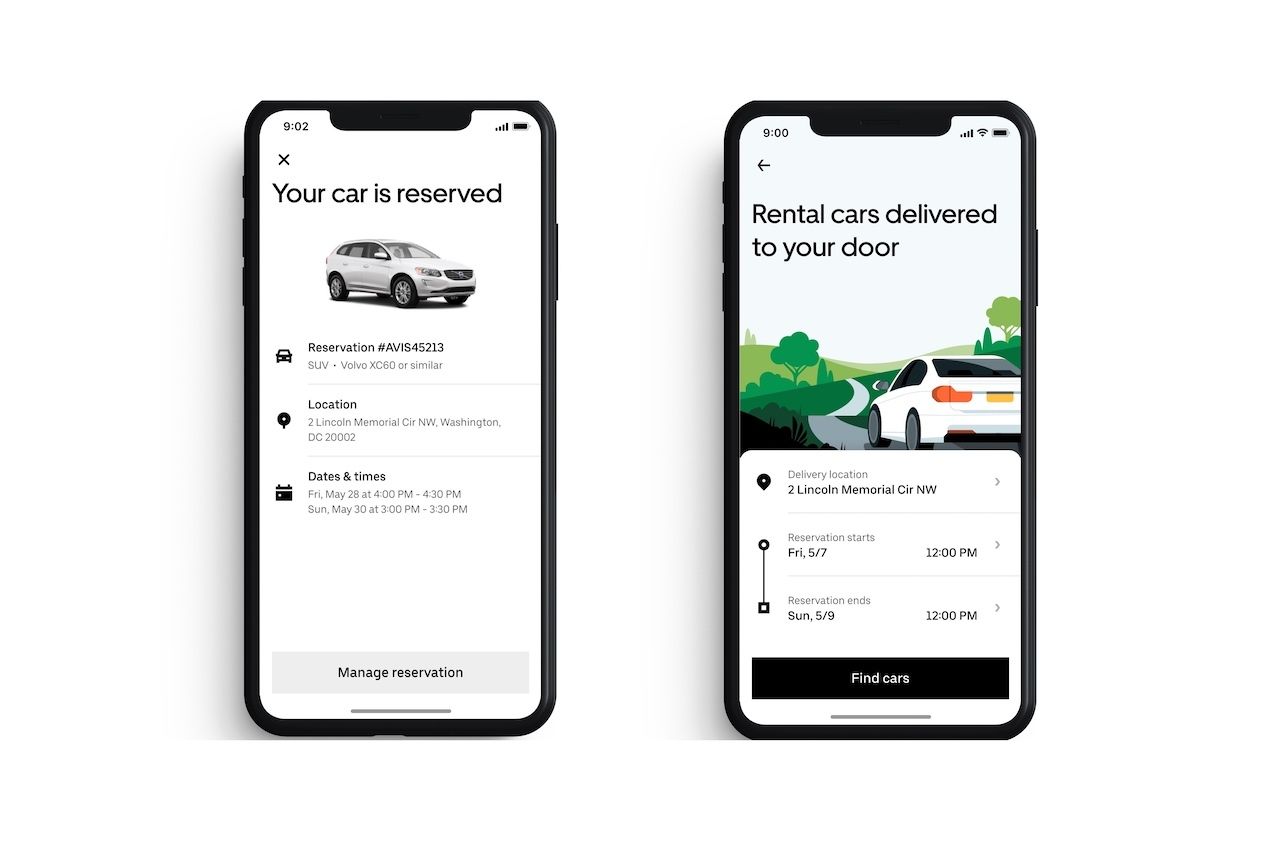
Navigating the ride-share industry requires a reliable vehicle that meets strict platform requirements, making the option to rent a car for Lyft an essential pathway for drivers who lack a qualifying personal automobile. Whether you are transitioning to full-time driving or testing the market, understanding the mechanics of vehicle rentals is critical to maintaining profitability in 2026. Lyft offers specialized programs alongside major national partnerships to keep drivers on the road without the traditional long-term commitments of auto financing.
Understanding the Lyft Express Drive Program in 2026
The flagship option for drivers seeking a temporary or flexible vehicle is the Lyft Express Drive program, powered by trusted rental partners such as Flexdrive and Hertz. This program is specifically engineered to integrate vehicle access with ride-share driving.
Under the 2026 operational guidelines, Express Drive ties your weekly rental cost directly to your platform earnings. When you hit specific ride milestones—known as rental rewards tiers—your weekly rental fee can be significantly reduced or even entirely covered.
- Unlimited Mileage: Personal and professional miles are generally included within the rental framework, meaning you do not pay extra for driving to and from your target hotspots.
- Maintenance Included: Routine oil changes, tire rotations, and standard mechanical servicing are covered by the rental provider.
- Insurance Coverage: Commercial auto insurance while logged into the Lyft app is bundled into the program structure, simplifying your operational overhead.
Alternative Rental Channels: Traditional Agencies and Peer-to-Peer Platforms
While Express Drive is the most streamlined entry point, drivers have alternative pathways to secure a vehicle for Lyft. Major traditional rental companies like Hertz, Avis, and Enterprise offer designated ride-share rental options. However, these programs operate differently than Express Drive and require careful financial scrutiny.
Traditional car rental companies typically charge a flat weekly or monthly rate regardless of how many rides you complete. This structure introduces a fixed overhead cost that you must clear before generating a net profit. Conversely, peer-to-peer car-sharing apps offer another avenue, though you must verify that the vehicle owner explicitly permits commercial ride-share usage and that the vehicle meets local age and condition requirements.
Financial Comparison: Express Drive vs. Traditional Rental vs. Personal Financing
Evaluating the true cost of securing a vehicle requires analyzing upfront expenses, weekly liabilities, and maintenance responsibilities. The following comparison outlines the financial and operational realities of each primary vehicle acquisition method for Lyft drivers in 2026.
| Acquisition Method | Weekly Cost Range | Upfront Deposit | Maintenance Responsibility | Mileage Limitations | Insurance Included |
|---|---|---|---|---|---|
| Lyft Express Drive | Variable ($250 - $400+) | Low to Moderate | Covered by Partner | Unlimited (Ride-share focused) | Yes (Commercial coverage included) |
| Traditional Rental Agency | Flat Rate ($300 - $450) | High (Security Hold) | Covered by Agency | Standard or Unlimited options | Varies (Must check policy terms) |
| Auto Financing / Purchase | Loan Payment ($350 - $600) | Down Payment Required | 100% Driver Responsibility | Unlimited | No (Requires personal commercial rider) |
Step-by-Step Guide to Securing Your Lyft Rental
Renting a car to drive for Lyft involves a structured onboarding process designed to verify your eligibility and get you behind the wheel quickly. Follow these sequential steps to ensure a seamless transition:
- Verify Platform Eligibility: Ensure your driver account is active or that you meet Lyft's baseline requirements, including age minimums (typically 25 for most rental programs, though some accept drivers 21 and older with surcharges) and a clean driving record.
- Apply via the Driver Dashboard: Open your Lyft driver app, navigate to the vehicle section, and explore the rental options available in your specific metropolitan market.
- Select a Rental Partner: Choose between Express Drive partners (like Flexdrive or Hertz) or external approved rental fleets based on vehicle availability and weekly pricing.
- Complete Background and License Checks: Submit your valid driver’s license and pass any secondary screenings required by the rental fleet operator.
- Fund the Security Deposit: Pay the initial deposit or reservation fee using an approved credit or debit card. Prepaid cards and cash are universally rejected by major fleet partners.
- Vehicle Inspection and Pickup: Visit the designated rental hub, inspect the vehicle exterior and interior for pre-existing damage, sign the agreement, and sync the vehicle to your Lyft app.
Pros and Cons of Renting a Car for Driving
Before committing to a weekly rental agreement, weigh the operational advantages against the financial drawbacks to determine if this model aligns with your income goals.
- Pros:
- Flexibility: You can return the vehicle with minimal notice if you decide to stop driving for Lyft, avoiding long-term lease or loan traps.
- Zero Depreciation Risk: The drop in vehicle value over time impacts the rental company, not your personal asset portfolio.
- Included Upkeep: Brake wear, tire replacement, and scheduled maintenance are handled by the fleet provider, reducing unexpected cash outflows.
- Cons:
- High Fixed Overhead: Weekly rental fees must be paid regardless of market demand, weather disruptions, or personal sick days.
- Vehicle Availability Constraints: Specific makes and models may be limited in high-demand urban centers, forcing you to accept whatever is in stock.
- Earnings Pressure: The pressure to cover the weekly rental cost can lead to longer hours on the road, increasing fatigue and operational stress.
Expert Strategic Insight: To maximize profitability when renting for Lyft, treat your rental vehicle as a business expense that must be optimized. Track your peak earning hours meticulously, leverage airport queues strategically, and aim to clear your weekly rental threshold within the first three days of your driving cycle to ensure maximum take-home pay for the remainder of the week.
Frequently Asked Questions
Can I use a rented Lyft car for personal driving?
Yes, most Lyft rental programs, including Express Drive, permit personal mileage. However, you must check the specific terms of your rental agreement regarding out-of-state travel or unauthorized secondary drivers.
What happens if the rental car breaks down while I am on a trip?
Rental partners provide 24/7 roadside assistance and replacement vehicle protocols. You should immediately contact the rental fleet's support line and notify Lyft support to document any disruption to your active ride.
Are gas and charging costs included in the weekly rental price?
No, fuel costs for gasoline vehicles or public charging fees for electric vehicles are the sole responsibility of the driver. Utilizing fuel rewards programs and local charging discounts is essential for protecting your profit margins.
What documents do I need to pick up my Lyft rental car?
You will need a valid state-issued driver’s license, a major credit or debit card matching the driver's name for the deposit, and your active smartphone with the Lyft driver app installed and verified.
Can I drive for other ride-share platforms with a Lyft Express Drive car?
No, vehicles obtained through the Lyft Express Drive program are strictly restricted to the Lyft platform. Attempting to use an Express Drive vehicle for competing services violates the contract and results in immediate vehicle re-possession.
How do weekly rental payments get deducted?
Rental fees are automatically deducted from your weekly Lyft driver earnings payout. If your earnings do not cover the full balance, the remaining amount is charged to the payment card on file linked to your rental account.