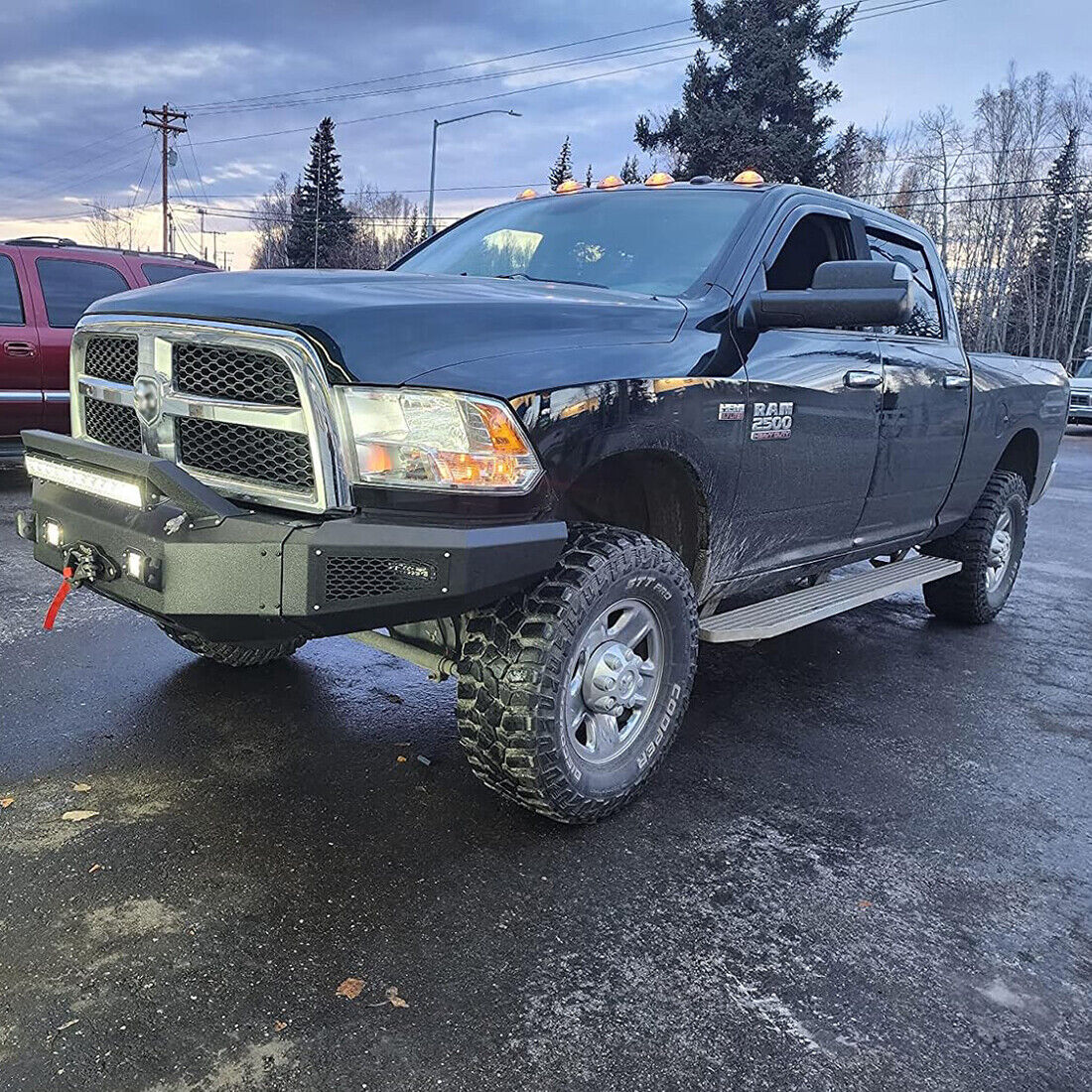
The 4th generation Ram truck, often referred to by its internal platform codes DS (1500) and DJ/D2 (Heavy Duty), represents one of the most significant eras in American pickup history. Spanning from its debut in 2009 through its continued production as the "Ram Classic" into the mid-2020s, this generation transformed the truck from a utilitarian tool into a refined daily driver.
While "4th gen ram" is occasionally used in technical circles to describe DDR4 computer memory, the overwhelming search intent and cultural relevance of the term point to the Ram pickup truck. This guide focuses entirely on the 4th generation Ram vehicle, providing a deep dive into its mechanical evolution, engine options, common maintenance concerns, and its unique longevity in the automotive market.
The Evolution of the 4th Gen Ram (2009–2024+)
The 4th generation debuted at the 2008 North American International Auto Show as the 2009 Dodge Ram 1500. It arrived during a period of massive transition for the brand. In 2010, the "Ram" name was spun off from Dodge to become its own standalone brand under Chrysler (later FCA, now Stellantis). This move allowed the Ram brand to focus exclusively on trucks and commercial vehicles.
The 4th generation was revolutionary because it challenged the status quo of truck suspension. While Ford and GM remained committed to rear leaf springs for their half-ton trucks, Ram introduced a multi-link coil spring rear suspension. This change significantly improved ride quality and handling without drastically sacrificing towing capacity, setting a new standard for what a light-duty truck could feel like on the highway.
The "Ram Classic" Strategy
One of the most unusual aspects of the 4th generation is its lifespan. When the 5th generation (DT) Ram 1500 was launched in 2019, Ram did not discontinue the 4th generation. Instead, they rebranded it as the Ram 1500 Classic. This allowed the company to offer a lower-cost, proven alternative to the more expensive, tech-heavy 5th gen models. As of 2026, the 4th generation architecture remains a prominent fixture in the used market and a symbol of mechanical longevity.
Engine Specifications and Performance
The 4th generation Ram featured a variety of powertrains, ranging from fuel-efficient V6s to the legendary Cummins Turbo Diesel. Understanding these engines is critical for anyone looking to buy or maintain one of these vehicles.
5.7L Hemi V8
The 5.7L Hemi is the most common engine found in the 4th generation. Over the years, it received several updates, most notably the introduction of Variable Valve Timing (VVT) and the Multi-Displacement System (MDS), which shuts down four cylinders during light cruising to save fuel. In its peak 4th gen configuration, it produced approximately 395 horsepower and 410 lb-ft of torque.
3.6L Pentastar V6
Starting in 2013, the aging 3.7L V6 was replaced by the 3.6L Pentastar. This engine was a major leap forward, offering 305 horsepower and pairing exclusively with the 8-speed automatic transmission. It became the go-to choice for those who needed a full-size truck for light duties and better fuel economy.
3.0L EcoDiesel V6
Introduced in 2014, the EcoDiesel was a gamble that initially paid off. It offered best-in-class fuel economy and high torque (420 lb-ft) at low RPMs. However, it faced various emissions-related challenges and recalls over its lifespan, making it a polarizing choice for second-hand buyers.
Heavy Duty Options: 6.4L Hemi and 6.7L Cummins
For the 2500 and 3500 models, the 4th generation offered the 6.4L Hemi V8 (introduced in 2014) for those who preferred gasoline, and the iconic 6.7L Cummins Inline-6 Turbo Diesel. The Cummins engine in this generation saw massive jumps in torque, eventually breaking the 900 lb-ft barrier in High Output configurations.
| Engine | Displacement | Horsepower | Torque | Primary Use |
|---|---|---|---|---|
| Pentastar V6 | 3.6L | 305 hp | 269 lb-ft | Daily Driving / Light Work |
| Hemi V8 | 5.7L | 395 hp | 410 lb-ft | General Purpose / Towing |
| EcoDiesel V6 | 3.0L | 240 hp | 420 lb-ft | Long Distance / Fuel Economy |
| Heavy Duty Hemi | 6.4L | 410 hp | 429 lb-ft | Commercial / Heavy Gas Towing |
| Cummins I6 | 6.7L | 350-385 hp | 660-900+ lb-ft | Extreme Towing / Industrial |
Transmission Evolution: 6-Speed vs. 8-Speed
The driving experience of a 4th gen Ram changed significantly in 2013. Prior to this, most Hemi-equipped trucks used the 545RFE or 65RFE 6-speed automatic transmissions. While durable, these transmissions were often criticized for their gear spacing and somewhat sluggish shifting.
In 2013, Ram introduced the TorqueFlite 8-speed automatic (sourced from ZF). This transmission (specifically the 8HP45 and 8HP70) revolutionized the truck’s performance. It provided smoother shifts, better acceleration, and improved fuel economy. When shopping for a 4th gen Ram 1500, the 8-speed transmission is widely considered the superior choice for both reliability and drivability.
Interior Design and Uconnect Technology
The 4th generation Ram was a pioneer in truck interior luxury. While the base "Tradesman" trims remained rugged and plastic-heavy, the higher trims like the Laramie, Longhorn, and Limited introduced real wood accents, high-quality leather, and advanced electronics.
The centerpiece of the 4th gen interior is the Uconnect infotainment system.
- Early Years (2009–2012): Used the older "MyGig" style radios with hard drives for music storage.
- The Gold Standard (2013–2017): The 8.4-inch Uconnect 3C system was introduced. It was praised for its user-friendly interface and physical knobs for volume and tuning.
- Modern Updates (2018–2024+): The system was updated to Uconnect 4, adding Apple CarPlay and Android Auto compatibility, which remains a vital feature for drivers in 2026.
Common Issues and Maintenance Concerns
Despite its popularity, the 4th generation Ram has specific mechanical "quirks" that owners should monitor. Addressing these early can prevent significant repair bills.
The "Hemi Tick"
This is the most discussed issue among Ram owners. The "tick" usually stems from one of two sources:
- Exhaust Manifold Bolts: The rear bolts on the exhaust manifold frequently snap due to heat cycles and expansion. This causes a ticking sound when the engine is cold that often disappears once the engine warms up. This is a relatively straightforward fix.
- Lifter and Camshaft Failure: A more serious "tick" is caused by the needle bearings in the roller lifters seizing. This can score the camshaft, requiring a complete engine teardown. Regular oil changes with high-quality synthetic oil and high-flow filters are the best preventative measures.
Rear Cab Leaks
A common nuisance in the 4th gen is water leaking into the cab. This is almost always caused by a degraded seal on the Third Brake Light (CHMSL). Water drips onto the headliner or pools under the rear seats. Replacing the foam gasket with a thicker rubber seal or using clear RTV silicone is a standard DIY fix.
Air Suspension Reliability
Higher-trim 4th gen Rams often featured factory air suspension. While it provides a level ride and "entry/exit" modes, the system is prone to failure in cold climates. Moisture can freeze in the lines, causing the pump to burn out or the truck to sag. Many owners of older 4th gen trucks eventually opt to "delete" the air system in favor of traditional coil springs for long-term peace of mind.
Integrated Power Integrated Module (TIPM)
Early 4th gen models (specifically 2009–2012) sometimes suffered from TIPM failures. The TIPM is essentially the brain of the truck’s electrical system. When it fails, it can cause erratic behavior like fuel pumps staying on, windshield wipers activating randomly, or the horn honking by itself.
Buying a 4th Gen Ram in 2026: What to Look For
With the 4th generation now firmly in the "used vehicle" or "Classic" category, buyers must be discerning. Because these trucks were produced for over 15 years, there is a massive delta between an early 2010 model and a late-model 2023 Classic.
- Check for Rust: Specifically look at the cab corners and rocker panels. On 4x4 models, inspect the frame near the rear bumper.
- Verify the Transmission: In the 1500 models, prioritize the 8-speed automatic (identified by the rotary dial shifter on the dash) over the older 6-speed (identified by a column shifter).
- Service History: For Hemi engines, look for consistent 5,000-mile oil change intervals to mitigate lifter issues. For Cummins models, ensure the fuel filters were changed frequently.
- Uconnect Version: If smartphone integration is important, look for 2018 or newer models, as these come factory-equipped with Apple CarPlay and Android Auto.
Frequently Asked Questions
What is the difference between a Ram 1500 and a Ram 1500 Classic?
The "Classic" is a 4th generation truck sold alongside the newer 5th generation (DT) model. Ram continued producing the 4th gen design because it was cheaper to manufacture and allowed them to capture the fleet and entry-level market while the 5th gen targeted the luxury and high-tech segments. Mechanically, a 2022 Ram Classic is very similar to a 2018 Ram 1500.
How long do 4th gen Ram trucks last?
With proper maintenance, it is common to see 4th gen Rams exceed 200,000 miles. The 5.7L Hemi is a robust engine if the oil is kept clean, and the Cummins diesel is famous for lasting 300,000 to 500,000 miles. However, the body and interior electronics typically show age before the powertrain fails.
Is the 4th gen Ram better than the 5th gen?
"Better" depends on your needs. The 5th gen (2019+) offers a much larger interior, better crash test ratings, and more advanced technology. However, the 4th gen is often preferred by those who want a simpler truck, a more traditional look, or a lower purchase price. The 4th gen also has a larger ecosystem of aftermarket parts due to its long production run.
Why does my Ram truck tick when I start it?
As mentioned earlier, this is likely a broken exhaust manifold bolt. When the engine is cold, the gap in the manifold allows exhaust to escape, creating a ticking sound. As the metal expands with heat, the gap often closes, and the sound diminishes. It is recommended to fix this to avoid warping the manifold or damaging the cylinder head.
Does the 4th gen Ram have a high resale value?
Yes, particularly the Heavy Duty (2500/3500) models with the Cummins engine. The 1500 models hold their value well if they are 4WD and equipped with the 5.7L Hemi and the 8-speed transmission. The "Classic" models tend to depreciate slightly faster than the 5th gen, making them excellent values on the used market.
Final Recommendation
The 4th generation Ram truck is a landmark vehicle that bridged the gap between old-school work trucks and modern luxury vehicles. If you are looking for a capable pickup in 2026, the 4th gen remains a highly viable option. For the best experience, target 2014–2018 models or the later "Classic" versions, prioritizing the 5.7L Hemi paired with the 8-speed transmission. While you should be mindful of the "Hemi tick" and potential water leaks, the vast aftermarket support and proven mechanicals make the 4th gen Ram one of the most practical truck purchases available today.