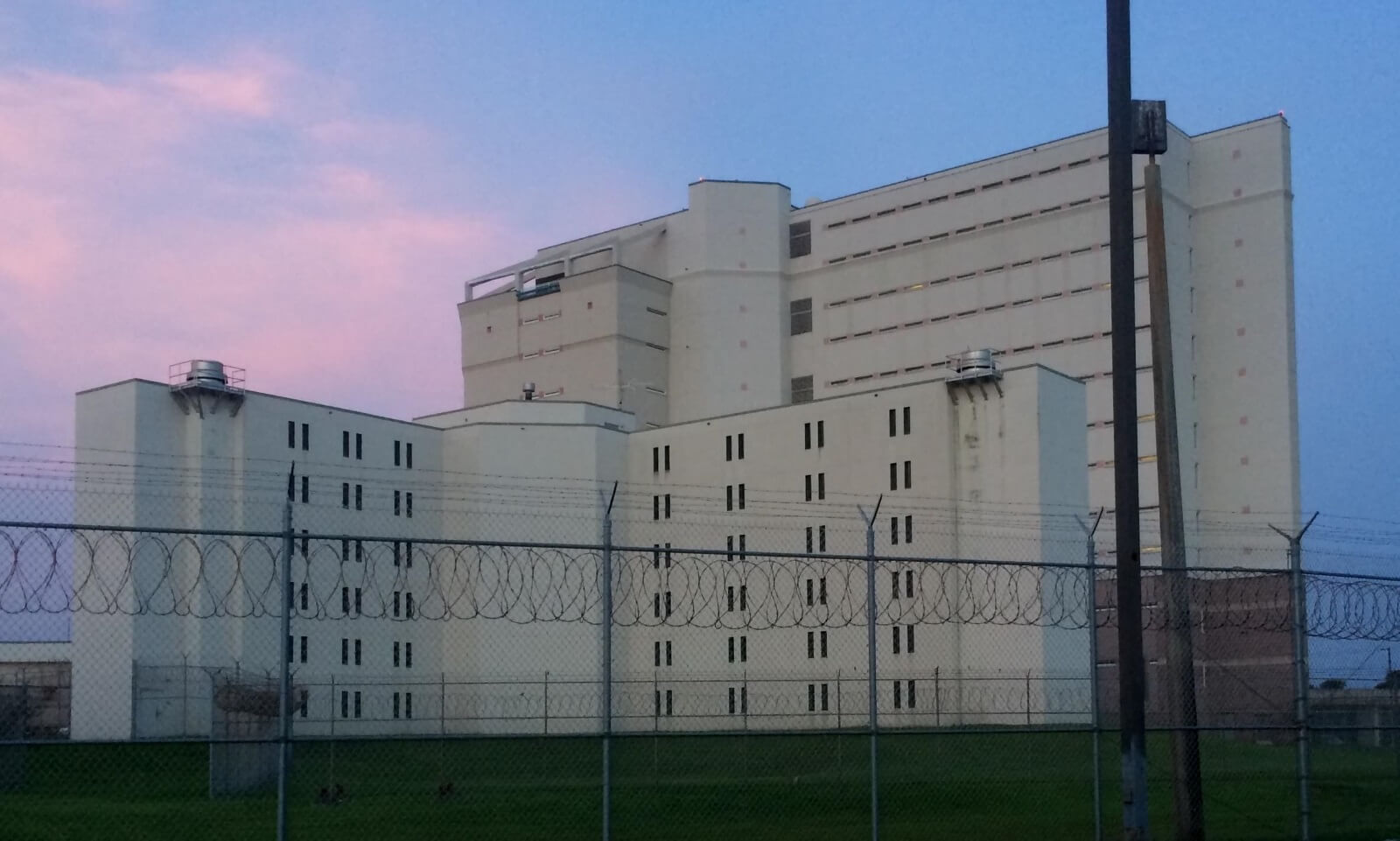
Garza West Penitentiary—officially recognized as the Garza West Unit—is a correctional facility operated by the Texas Department of Criminal Justice (TDCJ) located in Beeville, Texas. Understanding the operational structure, inmate visitation policies, mail guidelines, and facility history is essential for families, legal professionals, and researchers navigating the Texas state correctional system.
Overview and History of the Garza West Unit
The Garza West Unit is situated in Bee County, Texas, just outside the city of Beeville. Operated under the authority of the Texas Department of Criminal Justice, the facility was established to manage a specific segment of the state's male offender population. Like many facilities within the TDCJ infrastructure, the institution is designed to balance security protocols with rehabilitative programming, educational opportunities, and medical services.
Beeville and Bee County have a long history as a regional hub for correctional facilities in South Texas. The presence of multiple TDCJ units in the immediate area shapes the local economy and community infrastructure. The Garza West Unit operates under strict security guidelines established by state and federal correctional standards, ensuring that both staff and incarcerated individuals function within a controlled and regulated environment.
When examining state-run correctional facilities, distinguishing between different security levels and unit designations is vital. The Garza West Unit operates with distinct custody classifications, housing arrangements, and operational rules that govern every aspect of daily life behind the fence.
Facility Operations and Custody Classifications
The daily operations of the Garza West Penitentiary are governed by TDCJ administrative directives. These policies dictate everything from housing assignments and security patrols to work programs and recreation schedules.
Security Infrastructure
Security at the Garza West Unit utilizes a combination of perimeter fencing, electronic monitoring, controlled access points, and routine internal patrols. Correctional officers and administrative staff undergo rigorous training through the TDCJ academy to manage institutional safety, de-escalate tensions, and respond to security emergencies.
Housing and Population Management
Incarcerated individuals at the facility are housed according to their custody designation, behavioral history, and programmatic needs. The TDCJ classifies inmates using a tiered system that determines their privileges, supervision level, and housing restrictions:
- Minimum Custody: Assigned to individuals who demonstrate consistent compliance with facility rules and pose a lower security risk, often participating in work details outside the secure perimeter under supervision.
- Medium Custody: Comprises the majority of general population inmates who require structured oversight within secure housing units and fenced recreational areas.
- Administrative Segregation or Specialized Housing: Utilized when an individual requires separation from the general population due to disciplinary infractions, safety concerns, or protective custody requirements.
Inmate Communication and Mail Guidelines
Maintaining contact with family and support networks is a critical component of institutional adjustment. However, the TDCJ enforces strict regulations regarding how outside parties communicate with individuals housed at the Garza West Unit.
Correspondence Policies
All incoming and outgoing mail is subject to inspection and screening by facility staff to prevent the introduction of contraband, unauthorized substances, or prohibited items.
- Addressing Mail: Senders must include the incarcerated individual's full legal name, TDCJ identification number, and the correct unit address. Omitting required identifiers can result in mail delays or permanent rejection.
- Prohibited Items: Standard restrictions prohibit cash, personal checks, polaroids, laminated materials, stickers, perfume-scented paper, and any content depicting illicit activities, violence, or gang affiliations.
- Publications: Books, magazines, and newspapers must be shipped directly from an approved publisher, distributor, or authorized online retailer such as Amazon or Barnes & Noble. Used books or third-party packages are typically rejected.
Telephone Access
Incarcerated individuals do not have access to incoming phone calls, and staff will not relay personal messages. Instead, inmates can make outgoing calls through approved telephone service vendors contracted by the TDCJ. Accounts must be established and funded by family members through authorized payment processors to enable prepaid or collect calling. All calls are subject to monitoring and recording, except for privileged communications with legal counsel.
Visitation Procedures and Requirements
In-person visitation at the Garza West Unit is regulated to ensure the safety of visitors, staff, and the incarcerated population. Understanding the prerequisites and behavioral expectations prevents unnecessary trip cancellations or disciplinary actions.
Visitor Eligibility and Approval
Before visiting an inmate at the Garza West Penitentiary, individuals must be approved through the official TDCJ visitor application process.
- Application Submission: The prospective visitor must complete the appropriate TDCJ visitor questionnaire and submit it for background screening.
- Background Check: The state reviews the applicant's criminal history, outstanding warrants, and probation or parole status. Individuals with recent felony convictions or active warrants are generally denied visitation privileges.
- Minors: Children under the age of 18 must be accompanied by an adult parent or legal guardian who is also approved on the inmate's visitation list.
Visitation Rules and Dress Code
The Garza West Unit enforces a strict dress code and behavioral protocol for all visitors. Failure to comply with these regulations results in immediate termination of the visit and potential suspension of visiting privileges.
| Rule Category | Requirement / Restriction |
|---|---|
| Dress Code | No revealing clothing, transparent fabrics, tank tops, halter tops, shorts, skirts above the knee, or clothing with offensive language/graphics. Footwear is mandatory. |
| Identification | All adult visitors must present a valid, government-issued photo ID (driver’s license, state ID card, passport, or military ID). |
| Personal Property | Cell phones, smartwatches, cameras, electronic devices, weapons, tobacco products, and excessive cash are prohibited inside the facility and visitation area. Lockers may be available on-site for storage. |
| Physical Contact | Brief embraces and kisses are permitted only at the beginning and end of the visit. Continuous physical contact is prohibited. |
Commissary, Trust Funds, and Financial Management
Incarcerated individuals at the Garza West Penitentiary rely on commissary accounts to purchase hygiene products, stationery, snacks, and supplemental clothing items not provided directly by the state.
Depositing Funds
Family members and friends can deposit money into an inmate's trust fund account through approved third-party financial services contracted by the TDCJ. Acceptable methods typically include electronic transfers via internet or telephone, money orders sent through the mail to a centralized processing lockbox, or walk-in cash services at participating retail partners.
Spending Limits
The TDCJ enforces weekly and monthly spending limits on commissary purchases to maintain equity among the population and prevent the creation of informal underground economies within the facility. Funds are automatically deducted from the inmate's trust account upon purchase approval. A portion of incoming deposits may also be automatically allocated toward court costs, restitution, or child support obligations as mandated by state law.
Health Services and Medical Care
Medical, dental, and mental health services are provided to individuals incarcerated at the Garza West Unit through contracted healthcare providers operating under TDCJ oversight.
Accessing Care
Inmates can submit sick-call requests when experiencing medical issues. Triage nurses evaluate requests and schedule appointments based on clinical priority. Emergency medical care is available 24 hours a day, supported by on-site nursing staff and arrangements for emergency transport to regional hospitals when specialized intervention is required.
Medications and Treatment Plans
Chronic care clinics manage ongoing conditions such as hypertension, diabetes, and asthma. Medications are distributed directly by medical staff according to strict schedules. Inmates are not permitted to retain medications in their housing areas unless explicitly authorized by a physician as a keep-on-person (KOP) prescription.
Rehabilitation, Education, and Work Programs
Correctional philosophy within the TDCJ emphasizes programs designed to reduce recidivism and prepare individuals for eventual re-entry into society.
Educational Opportunities
The Garza West Unit offers various educational pathways, ranging from literacy programs and high school equivalency (HED/GED) preparation to vocational training courses. Vocational programs provide hands-on training in trades such as construction, carpentry, culinary arts, or automotive repair, depending on current state funding and institutional availability.
Work Assignments
Most able-bodied individuals incarcerated at the facility are assigned to institutional support jobs. These assignments include kitchen operations, laundry services, facility maintenance, and groundskeeping. These jobs teach basic work habits, punctuality, and accountability while keeping the facility operational.
Frequently Asked Questions
How do I find out if someone is currently housed at the Garza West Unit?
You can search the online offender information system hosted on the official TDCJ website. You will need the individual's full legal name, date of birth, or TDCJ identification number to retrieve their current location, projected release date, and custody details.
Can I send packages directly to an inmate at Garza West Penitentiary?
No. General care packages sent from home are not accepted. Inmates may only receive approved items from authorized third-party vendors, such as designated book distributors or approved package vendors during designated holiday periods, following strict TDCJ guidelines.
What are the standard visitation hours for the facility?
Visitation typically occurs on weekends (Saturday and Sunday), usually between designated morning and afternoon blocks. Exact schedules can vary based on unit operational needs, lockdowns, or special classifications. Always verify the current visitation schedule by contacting the facility directly or checking the TDCJ website before traveling.
How can I send legal mail to an incarcerated individual?
Legal mail must be clearly marked as legal correspondence from an attorney licensed to practice law. It is opened and inspected for contraband only in the presence of the incarcerated individual to protect attorney-client privilege. General correspondence from lawyers sent on standard letterhead without proper legal marking may be opened and inspected as regular mail.
What happens if an inmate violates a facility rule?
Disciplinary infractions are handled through a formal institutional hearing process. Depending on the severity of the infraction, consequences can include the loss of commissary, recreation, or telephone privileges, demotion in custody classification, or assignment to administrative segregation.
Next Actions and Official Resources
Navigating the Texas Department of Correctional Justice system requires reliance on official, verified channels rather than unverified third-party forums. For accurate, up-to-date information regarding the Garza West Penitentiary, consult the Texas Department of Criminal Justice Official Website. Review their unit directories, family and friends support guides, and policy updates before initiating contact, planning a visit, or sending funds.