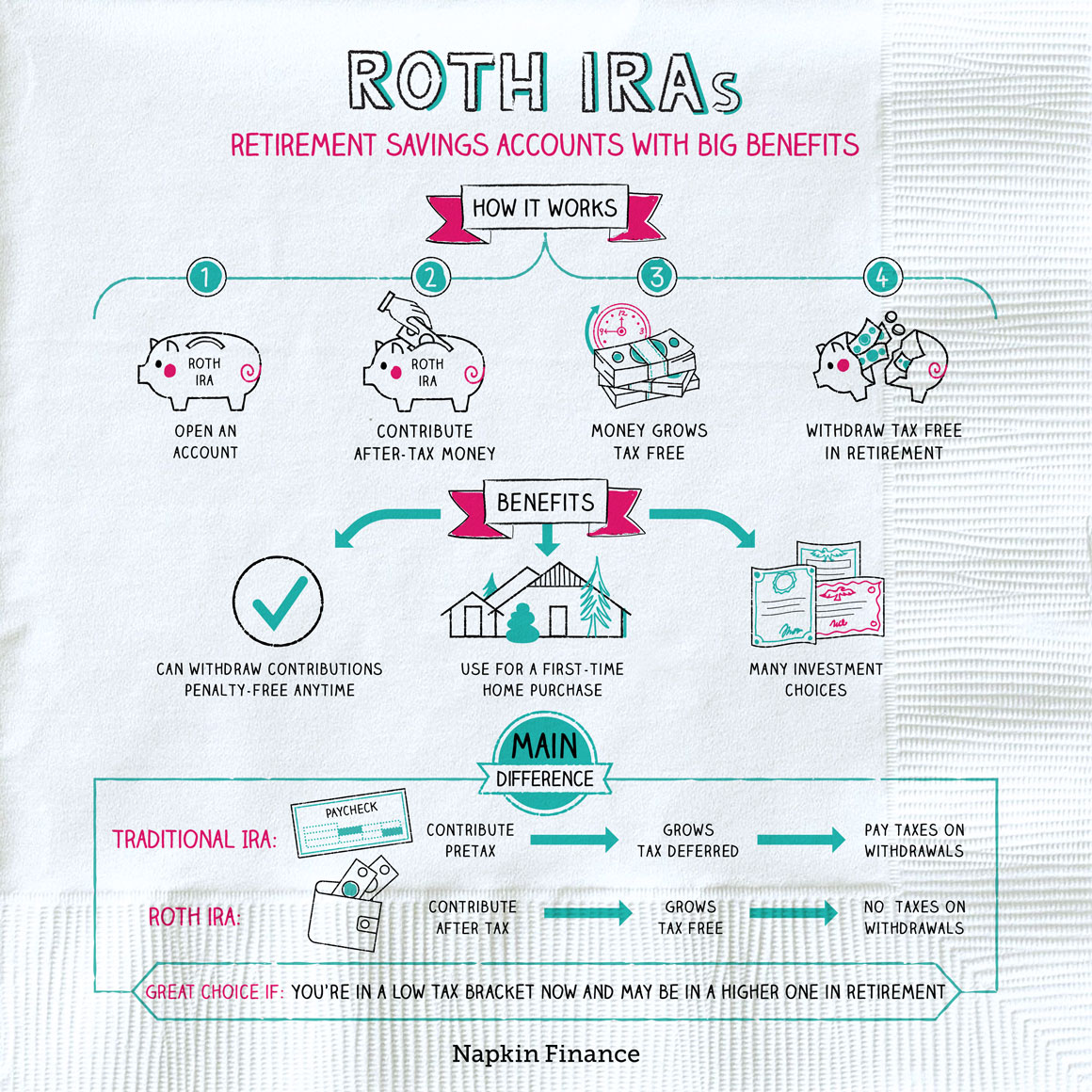
Navigating the investment choices inside a Roth IRA at Fidelity can feel overwhelming given the platform's vast array of options. Because Roth IRAs grow tax-free and withdrawals are tax-free in retirement, optimizing your asset allocation within Fidelity's ecosystem is a foundational step for long-term wealth building in 2026. Whether you are opening your first retirement account or restructuring an existing portfolio, understanding how to select low-cost index funds, actively managed strategies, and specialized asset classes is critical for maximizing post-tax returns.
Understanding the Fidelity Ecosystem and Roth IRA Mechanics
Fidelity Investments is a premier brokerage platform known for its low-cost index funds, zero-expense-ratio offerings, and comprehensive trading tools. Before deploying capital, verifying your eligibility based on Internal Revenue Service income thresholds for 2026 ensures you avoid excess contributions and associated penalties.
A Roth IRA utilizes after-tax dollars, meaning every dollar of growth compounds without future tax liability. This tax structure fundamentally shifts how you should approach asset location. High-growth assets and investments that generate substantial capital gains or dividend yields are exceptionally well-suited for a Roth IRA, shielding them from annual tax drag.
Key Operational Rules for 2026 Contributions
- Contribution Limits: Ensure your annual contributions do not exceed the statutory limits set by the IRS for the 2026 tax year.
- Earned Income Requirement: You must have taxable compensation equal to or greater than your total contribution amount.
- Phase-Out Ranges: High-income earners must monitor modified adjusted gross income (MAGI) phase-out ranges to determine direct contribution eligibility or utilize backdoor Roth strategies.
Core Investment Vehicles Available on Fidelity
Fidelity provides access to virtually every major asset class. Selecting the right vehicle depends on your risk tolerance, investment horizon, and desire for hands-on management versus passive indexing.
Fidelity Zero Index Funds and Broad Market Funds
For most long-term investors, broad-market index funds form the bedrock of a retirement portfolio. Fidelity offers proprietary index funds with zero expense ratios and no investment minimums, making them premier choices for cost-conscious investors.
- Fidelity ZERO Total Market Index Fund (FZROX): Tracks the performance of the broader U.S. stock market with zero management fees.
- Fidelity ZERO Large Cap Index Fund (FNILX): Focuses on large-capitalization U.S. equities, mirroring the performance of major large-cap benchmarks.
- Fidelity 500 Index Fund (FXAIX): Tracks the S&P 500 with an exceptionally low expense ratio of 0.015%, offering exposure to 500 of the largest U.S. corporations.
Target Date Index Funds for Hands-Off Investors
If you prefer a hands-off approach that automatically adjusts its asset allocation as you approach retirement, Fidelity Freedom Index Funds are institutional-grade choices. Ensure you select the index version (signified by "Index" in the fund name) rather than the active version to benefit from lower expense ratios.
- Automated Rebalancing: Gradually shifts from a growth-oriented equity stance to a conservative capital preservation mix over decades.
- Single-Fund Convenience: Eliminates the need to manually buy individual stocks, bonds, or international funds.
Structuring Your Portfolio: A Comparative Breakdown
To build a resilient portfolio, you must balance domestic equities, international exposure, and fixed-income assets. The following table contrasts the primary asset allocation strategies available through Fidelity for 2026 investors.
| Strategy Type | Core Holdings | Expense Ratio Range | Risk Profile | Ideal Investor Persona |
|---|---|---|---|---|
| Aggressive Growth | FZROX, FSKAX, FSPSX, Sector ETFs | 0.00% - 0.08% | High | Younger investors with a 20+ year horizon seeking maximum long-term capital appreciation. |
| Balanced Core-Satellite | FXAIX, FTIHX, Individual Blue-Chip Stocks | 0.01% - 0.20% | Moderate-High | Investors who want a stable index foundation combined with tactical individual stock picks. |
| Hands-Off Automated | Fidelity Freedom Index 2060 Fund (FDKLX) | 0.05% - 0.12% | Moderate | Busy professionals who want a set-it-and-forget-it retirement allocation. |
| Income & Preservation | FXNAX, Fidelity Short-Term Bond Index | 0.025% - 0.05% | Low | Investors nearing retirement age who prioritize capital protection over aggressive growth. |
Step-by-Step Guide to Allocating Your Fidelity Roth IRA
Executing your investment strategy efficiently prevents cash drag and ensures your money immediately begins compounding.
- Fund Your Account: Transfer cash from your linked bank account via electronic funds transfer (EFT). Allow 1 to 3 business days for the funds to settle, or trade immediately if Fidelity grants provisional trading credit.
- Determine Your Asset Allocation: Calculate the percentage split between U.S. stocks, international stocks, and bonds based on your target retirement year and risk tolerance.
- Execute Trades via Fidelity's Platform: Log into your Fidelity desktop dashboard or mobile app, navigate to the trade ticket, enter the specific fund ticker symbol (e.g., FXAIX or FZROX), specify the dollar amount you wish to invest, and submit the order.
- Set Up Automated Investments: Configure recurring monthly investments to dollar-cost average into your chosen funds, removing emotional decision-making from market volatility.
Expert Insight on Dividend Reinvestment
Optimize Your Yield: Always ensure that your dividend and capital gains distribution settings within your Fidelity account are configured to "Reinvest in Security" rather than depositing into your core cash position. This automates compounding and keeps your money fully invested without incurring transaction fees.
Advanced Strategies: Utilizing ETFs and Sector Funds
While broad market index funds are sufficient for most, advanced investors often supplement their core holdings with Exchange-Traded Funds (ETFs) or thematic sector funds to tilt their portfolios toward specific macroeconomic trends.
Leveraging Sector and Thematic Exposure
- Information Technology and Artificial Intelligence: Funds tracking tech innovations provide high-growth potential, though they carry heightened volatility.
- International Diversification: Adding international exposure through funds like the Fidelity International Index Fund (FSPSX) or Vanguard Total International Stock ETF (VXUS) guards against domestic market concentration risk.
- Dividend Growth ETFs: Incorporating dividend-focused ETFs inside a Roth IRA allows you to compound tax-free dividend payouts, which can be redeployed into undervalued market sectors.
Frequently Asked Questions
What are the best Fidelity funds to hold in a Roth IRA?
The best core funds include the Fidelity ZERO Total Market Index Fund (FZROX) and the Fidelity 500 Index Fund (FXAIX) for ultra-low-cost equity exposure. For hands-off investors, the Fidelity Freedom Index Fund matching your expected retirement year is the optimal choice.
Can I hold individual stocks in a Fidelity Roth IRA?
Yes, Fidelity allows you to trade individual U.S. and international stocks, bonds, options, and ETFs within a Roth IRA without incurring taxable events upon sale. However, individual stock picking carries higher single-company risk compared to diversified index funds.
Should I hold bonds inside my Roth IRA?
Generally, tax-inefficient or income-generating assets like bonds are better placed in traditional pre-tax accounts, while high-growth equities belong in a Roth IRA to maximize tax-free growth. If your overall asset allocation requires fixed income, holding bond index funds like FXNAX in your Roth is acceptable if tax-advantaged space elsewhere is unavailable.
How often should I rebalance my Fidelity Roth IRA?
Rebalancing once per year or whenever your target asset allocation drifts by more than five percentage points from your baseline target is standard best practice. Because transactions inside a Roth IRA do not trigger taxable capital gains, rebalancing is entirely tax-free.
Are there transaction fees for buying index funds on Fidelity?
Fidelity charges zero transaction fees for online trades of Fidelity proprietary mutual funds, iShares core ETFs, and thousands of other non-Fidelity ETFs and mutual funds. Always verify the fund's fee schedule on the trade confirmation screen before executing an order.
Conclusion and Next Steps
Maximizing the growth potential of your Roth IRA at Fidelity requires disciplined execution, low-cost fund selection, and strict adherence to your long-term asset allocation strategy. By leveraging Fidelity's zero-fee index funds, automating your regular contributions, and maintaining a diversified portfolio tailored to your timeline, you position yourself for financial independence. Review your portfolio allocation today, log into your Fidelity dashboard, and ensure your capital is actively working toward your retirement goals.