(Note: This article focuses on the viral health phenomenon known as the Joe Tippins protocol—a self-directed regimen involving the anti-parasitic drug fenbendazole and complementary supplements used by cancer patients—and analyzes its scientific standing, clinical context, and patient safety implications.)
The narrative of Joe Tippins stands as one of the most widely discussed alternative oncology case studies of the modern era. Diagnosed with small cell lung cancer that had aggressively metastasized throughout his body in 2016, Tippins was given a prognosis of just three months to live. Opting to enroll in a clinical trial while concurrently following an unconventional tip from a veterinarian—which involved taking a canine dewormer containing fenbendazole—Tippins achieved complete remission. As the year 2026 unfolds, his story continues to circulate widely across digital forums, patient advocacy networks, and social media platforms. Understanding this phenomenon requires an objective examination of the underlying biochemistry, the limitations of anecdotal evidence, and the clinical realities governing integrative oncology today.
Deconstructing the Protocol: Components and Biochemical Rationale
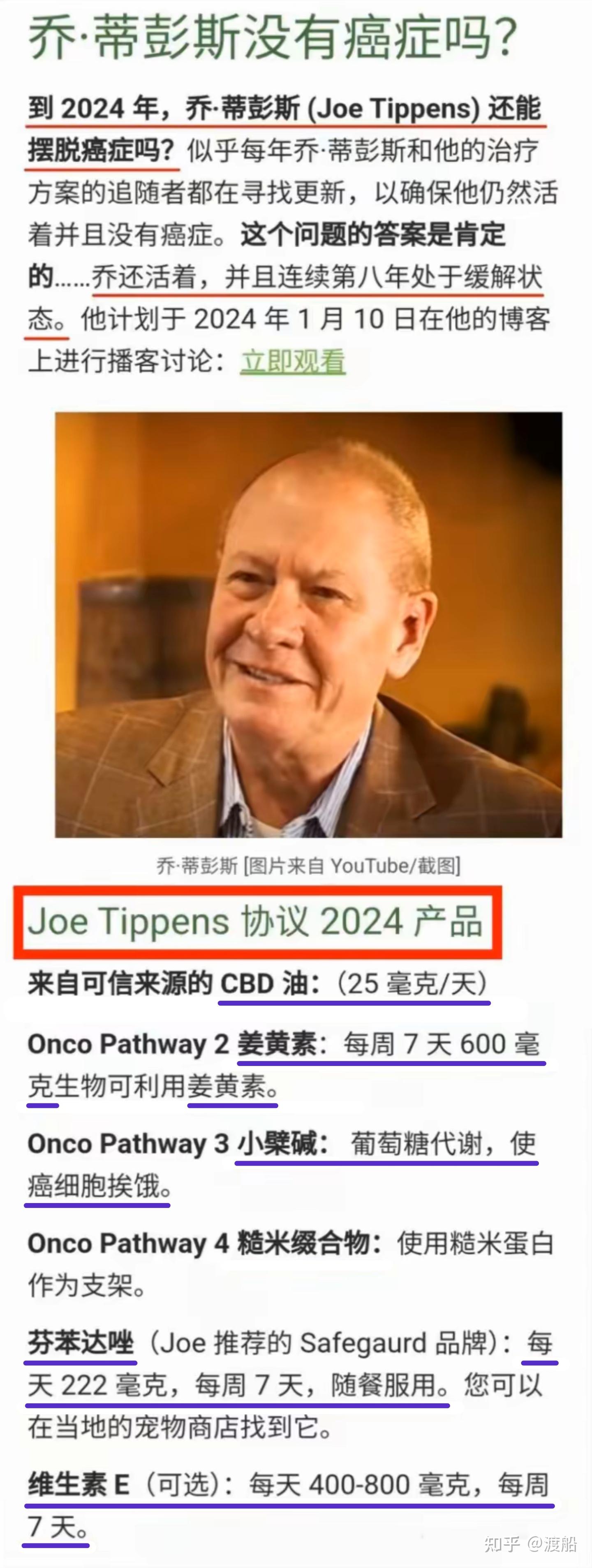
The regimen popularized by Joe Tippins is not a single chemical entity but rather a multi-faceted approach combining a veterinary anthelminthic with specific over-the-counter vitamins. While fenbendazole serves as the cornerstone of the routine, multiple adjuncts are incorporated to support general wellness and target putative synergistic pathways.
- Fenbendazole: A broad-spectrum benzimidazole anthelmintic commonly used in veterinary medicine to treat parasites in livestock and pets. In laboratory settings, it has demonstrated micro-tubule destabilization properties.
- Curcumin: A bioactive compound derived from turmeric, utilized for its purported anti-inflammatory and antioxidant activities.
- CBD Oil: Cannabidiol oil, integrated primarily for symptom management, reduction of anxiety, and modulation of inflammatory markers.
- Vitamin E: Specifically tocopherols and tocotrienols, intended to provide baseline micronutrient support.
Proponents argue that benzimidazoles disrupt cancer cell metabolism by interfering with glucose uptake and tubulin polymerization, effectively starving rapidly dividing cells. However, oncological researchers emphasize that in vitro (laboratory dish) efficacy does not automatically translate to successful human clinical outcomes.
Scientific Evaluation: Clinical Evidence vs. Patient Anecdotes
Evaluating the validity of the Joe Tippins protocol requires distinguishing between rigorous scientific validation and individual case reports. In medical science, a single successful outcome—even one as dramatic as Tippins' remission—is classified as an anecdote rather than definitive proof of efficacy.
| Evidence Category | Characteristics | Current Status in 2026 |
|---|---|---|
| Randomized Controlled Trials (RCTs) | Large-scale, double-blind human studies assessing safety, dosing, and efficacy. | No large-scale, peer-reviewed human RCTs definitively validate fenbendazole as a standalone or complementary cancer cure. |
| Preclinical In Vitro Studies | Laboratory testing on cell lines and animal models. | Demonstrates microtubule interference and metabolic disruption in isolated cancer cells. |
| Patient-Led Case Reports | Individual self-experimentation and retrospective community surveys. | Thousands of documented accounts globally sharing variations of the protocol, though plagued by selection bias and confounding variables. |
A significant confounding factor in Tippins' original case was his simultaneous participation in a Merck clinical trial utilizing an immunotherapy drug (Keytruda/pembrolizumab). Modern oncologists point out that modern immunotherapies can yield delayed, durable responses in a subset of lung cancer patients, raising the critical question of whether the remission was driven by the pharmaceutical immunotherapy, the veterinary dewormer, or an unpredictable synergistic interaction.
Evaluating the Risks of Integrative and Unconventional Regimens
Self-prescribing veterinary compounds carries substantial physiological risks. Because veterinary pharmaceuticals are not subjected to the rigorous human pharmacokinetic and pharmacodynamic testing required by regulatory agencies like the U.S. Food and Drug Administration (FDA), patients face several hazards.
Patient Safety Advisory: Unregulated veterinary medications may contain inactive ingredients, binders, or manufacturing impurities that are toxic to human organ systems. Furthermore, high-dose fenbendazole or concurrent supplementation can induce severe hepatotoxicity, elevating liver enzymes and potentially compromising ongoing conventional treatments such as chemotherapy or targeted molecular therapies.
Integrating unconventional protocols into a cancer care plan requires absolute transparency with a multidisciplinary oncology team. Patients who conceal alternative regimens from their physicians risk dangerous drug-to-drug interactions that could accelerate tumor growth, impair metabolic clearance, or result in involuntary removal from life-extending clinical trials.
A Comparative Look at Conventional Oncology vs. The Tippins Protocol
Navigating cancer treatment choices involves weighing empirical validation against speculative personal protocols. The following breakdown highlights the core operational differences between standard evidence-based oncology and self-directed veterinary drug regimens.
- Standard Oncology Care:
- Basis: Peer-reviewed clinical trials, biomarker testing, and genomic profiling.
- Ovenview: Regimens are tailored to specific cancer mutations, staging, and patient performance status.
- Safety: Monitored via routine blood work, imaging scans, and direct physician oversight.
- The Joe Tippins Protocol:
- Basis: Anecdotal internet forums, veterinary science extrapolations, and personal testimonials.
- Overview: Standardized multi-supplement routine combined with off-label animal anthelminthic dosing.
- Safety: Unmonitored, lacking standardized human dosing guidelines, and carrying unknown hepatic/renal risks.
Frequently Asked Questions
What is the exact Joe Tippins protocol?
The protocol typically involves taking 222 mg of fenbendazole daily for three consecutive days followed by four days off, alongside daily doses of curcumin, CBD oil, and Vitamin E. This cycle is repeated continuously while monitoring blood work and tumor markers.
Has fenbendazole been approved by the FDA for human cancer treatment?
No, fenbendazole is not approved by the FDA for human oncological use. It remains strictly authorized as an anthelminthic for veterinary species, meaning human consumption is entirely off-label and self-directed.
Could the immunotherapy trial be the real reason Joe Tippins survived?
Many oncologists believe that the immunotherapy drug he received during his clinical trial played the primary role in his remission. Immunotherapy trains the patient's own immune system to recognize and destroy cancer cells, occasionally producing extraordinary, long-lasting remissions.
Is it safe to combine fenbendazole with traditional chemotherapy?
It is generally considered unsafe without direct medical supervision because unknown interactions can alter the metabolism of chemotherapy drugs, potentially causing unexpected toxicity or rendering the treatment ineffective.
Where can patients find reliable guidance on integrative oncology?
Patients should consult certified integrative oncologists affiliated with major academic medical centers who utilize evidence-informed complementary therapies alongside standard medical treatments.
Navigating Your Oncological Journey Safely
Exploring alternative therapies demonstrates a natural desire to exhaust every possible avenue for survival when facing a serious diagnosis. However, steering through complex medical decisions requires partnering with qualified healthcare professionals who prioritize patient safety, rigorous data, and personalized care plans. Anyone considering modifications to their treatment regimen should schedule an open, transparent consultation with their oncologist to discuss potential benefits, verifiable risks, and evidence-backed clinical trial opportunities available today.