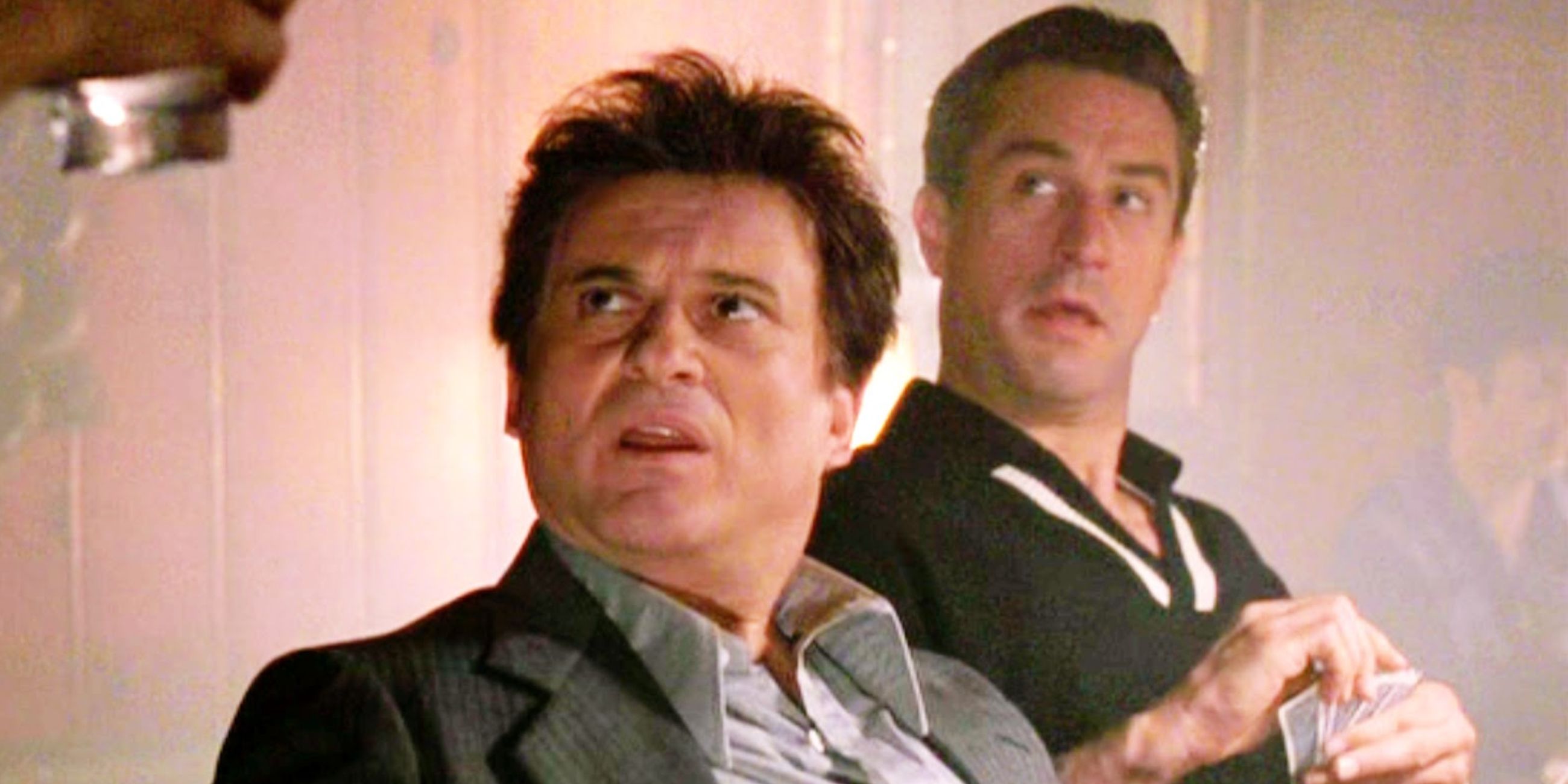
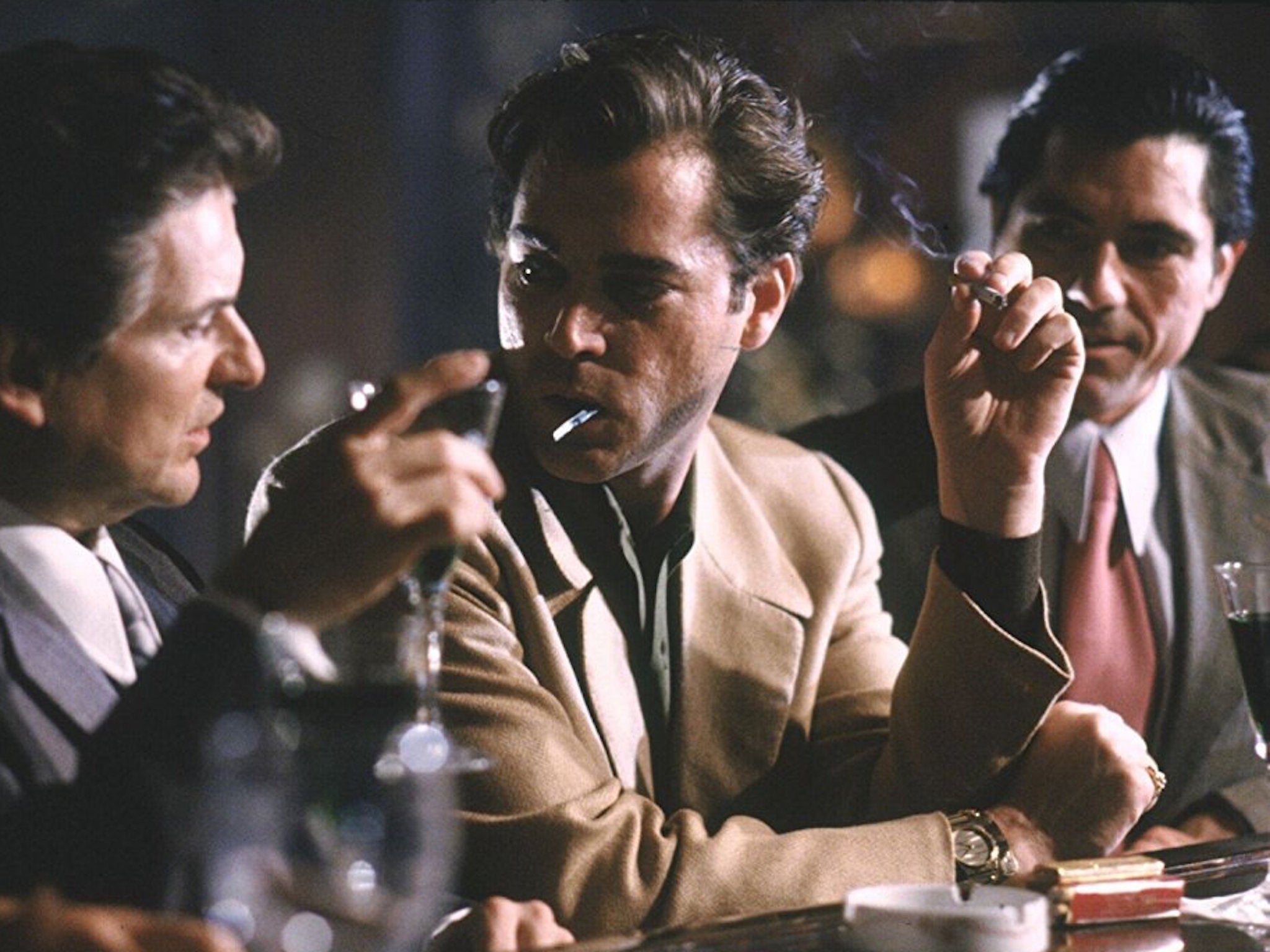
Martin Scorsese's 1990 cinematic masterpiece Goodfellas remains a monumental pillar of crime cinema, chronicling the rise and fall of mob associate Henry Hill over three decades. As film historians, cinephiles, and new generations of streaming audiences revisit the classic in 2026, the enduring fascination with the actors who brought Nicholas Pileggi's true-crime book Wiseguy to life is stronger than ever. This guide explores the legendary ensemble cast, their iconic character portrayals, their career trajectories, and the cinematic legacy they left behind.
The Principal Ensemble: Bringing Henry Hill's World to Life
The brilliance of Goodfellas rests heavily on its powerhouse casting. Directed with kinetic energy and narrated with intimate confession, the film relies on performers who could balance terrifying brutality with magnetic charm.
Ray Liotta anchored the film as Henry Hill, a half-Irish, half-Sicilian kid from Brooklyn who idolized gangsters and spent his life trying to become one. Liotta's performance captures the euphoric rush of power, the paranoia of addiction, and the ultimate hollow despair of the Witness Protection Program. Alongside Liotta, Robert De Niro delivered a chilling, methodical performance as James "Jimmy the Gent" Conway, a character modeled after real-life mobster Jimmy Burke. De Niro's Conway is charming yet sociopathic, a mentor who views everyone as a potential loose end.
Joe Pesci delivered what is widely considered one of the most terrifying and electrifying performances in cinema history as Tommy DeVito, based on the volatile mob enforcer Tommy DeSimone. Pesci won the Academy Award for Best Supporting Actor for his work, capturing Tommy's hair-trigger temper and sadistic unpredictability. The supporting cast featured powerful turns by Lorraine Bracco as Karen Hill, who evolves from an outsider fascinated by the lifestyle into a hardened accomplice, and Paul Sorvino as Paul Cicero, the quiet, authoritative mob boss who ruled his crew with understated menace.
Behind the Scenes: Casting Realism and Improvisation
The authenticity of Goodfellas did not happen by accident. Martin Scorsese and casting director Ellen Lewis populated the film with hundreds of minor roles, utilizing real-life actors from New York's theater and independent film scenes, as well as genuine former mob figures in smaller cameo roles.
One of the most famous aspects of the production was the freedom given to the actors to improvise, most notably in the iconic "Funny how? Like I'm a clown, I amuse you?" scene. Derived from a real-life experience Joe Pesci had when working in a restaurant, Scorsese allowed Pesci and Liotta to rehearse the dialogue organically before filming, establishing a genuine atmosphere of tension and danger.
To maintain historical accuracy and character depth, the principal actors spent extensive time consulting with the real Henry Hill. Liotta absorbed Hill's mannerisms, regrets, and psychological profile, ensuring that the narration felt deeply personal rather than performative.
Career Trajectories and Industry Impact of the Main Cast
The cultural footprint of Goodfellas radically transformed the career paths of its core actors. Examining where the primary cast members stand in film history reveals a fascinating cross-section of Hollywood longevity.
| Actor | Character in Goodfellas | Career Impact & Subsequent Milestones |
|---|---|---|
| Ray Liotta | Henry Hill | Cemented his status as a versatile leading man, starring in Field of Dreams, Cop Land, and earning posthumous acclaim for The Many Saints of Newark (2021). |
| Robert De Niro | Jimmy Conway | Solidified his legendary status as America's preeminent crime genre actor, later starring in Casino, The Irishman, and continuing prolific work into 2026. |
| Joe Pesci | Tommy DeVito | Won an Oscar for Goodfellas, achieved massive commercial success in Home Alone, and earned another Oscar nomination for Scorsese's The Irishman. |
| Lorraine Bracco | Karen Hill | Delivered an iconic career-defining performance, later starring as Dr. Jennifer Melfi in HBO's groundbreaking television series The Sopranos. |
| Paul Sorvino | Paul Cicero | Transitioned smoothly between television and film, remembered for his commanding presence and later supporting roles in law enforcement dramas. |
Essential FAQs for Cinephiles and Modern Viewers
Who played the young Henry Hill in Goodfellas?
Young Henry Hill was played by actor Christopher Serrone, who captured the naive fascination of a Brooklyn teenager drawn into the mob. Following the film, Serrone pursued other artistic endeavors and made occasional appearances in independent projects.
Did any real-life mobsters appear in Goodfellas?
Yes, Scorsese cast several individuals with real-life connections to organized crime or law enforcement to enhance the film's gritty authenticity. Notable figures included Frank DiLeo, a music executive who managed Michael Jackson and played mobster Tuddy Cicero.
How did Lorraine Bracco prepare for her role as Karen Hill?
Lorraine Bracco immersed herself in the psychology of women embedded in organized crime, studying the unique blend of fear, financial dependence, and adrenaline that characterized their daily lives. She did not meet the real Karen Hill until after filming had already begun.
What real-life event inspired the tragic ending of Tommy DeVito?
The character Tommy DeVito was based on Tommy DeSimone, whose violent actions and unauthorized murder of a made man in the Gambino crime family led to his brutal execution by his own associates in 1979.
Where can viewers stream Goodfellas in 2026?
Streaming availability shifts frequently based on regional licensing agreements, but the film is reliably accessible on major digital video-on-demand platforms and premium streaming networks affiliated with Warner Bros. Discovery.
Preserving Cinematic History in the Digital Era
As film preservation techniques advance, the visual texture of Goodfellas—shot by Michael Ballhaus with sweeping Steadicam tracking shots and rapid-fire editing by Thelma Schoonmaker—continues to be studied in film schools worldwide. The pacing, voiceover narration, and use of classic rock soundtracks established a narrative blueprint that modern crime dramas still emulate. Revisiting the performances of Liotta, De Niro, Pesci, Bracco, and Sorvino offers a masterclass in screen acting that transcends generational divides.
For those looking to deepen their appreciation of this cinematic milestone, consider organizing a retrospective screening featuring Martin Scorsese's companion crime epics, or read Nicholas Pileggi's original source material to experience the true stories that inspired the legends of the screen.