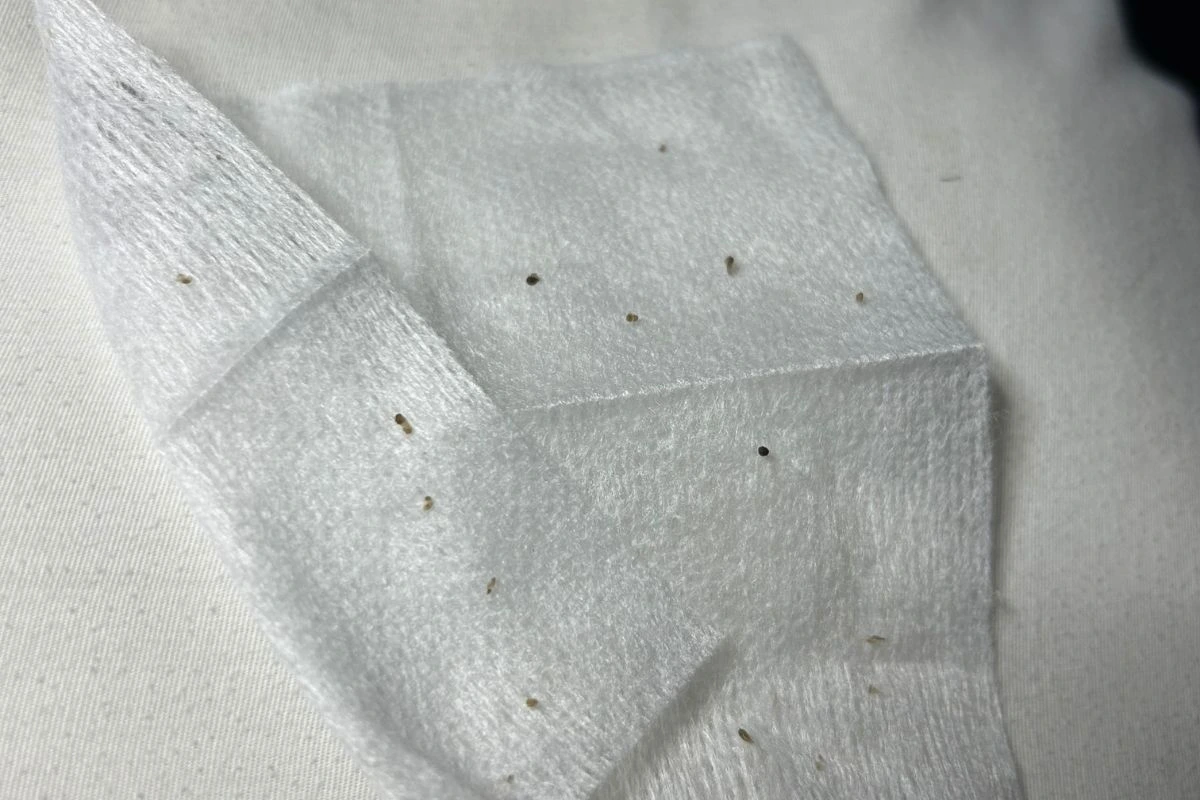
Back blackheads, medically referred to as comedones, represent a common dermatological challenge characterized by the oxidation of sebum and dead skin cells within the follicular canal. Unlike facial acne, the skin on the back is significantly thicker and possesses a higher density of sebaceous glands, making it prone to persistent congestion. As of 2026, clinical standards for management emphasize non-invasive exfoliation combined with targeted chemical intervention to restore follicular patency without damaging the protective skin barrier.
The Physiology of Bacne and Follicular Congestion
The structural composition of back skin differs fundamentally from facial skin. The stratum corneum is more resilient, yet the back experiences higher friction from clothing and limited reach, which often leads to poor hygiene maintenance. In 2026, dermatologists categorize back blackheads based on the inflammatory status of the surrounding follicle.
Open comedones occur when the follicle remains dilated, allowing the sebum to oxidize upon contact with air, resulting in the characteristic dark appearance. When the follicle is obstructed by hyperkeratinization—the excessive buildup of keratinocytes—it creates a mechanical plug that requires specialized, routine care to resolve.
Key Physiological Factors
Sebum Production Rates High concentrations of androgens contribute to overactive sebaceous glands, necessitating routine sebum regulation.
Friction and Occlusion Synthetic fabrics and tight-fitting gym attire create micro-climates of heat and humidity, which catalyze bacterial proliferation.
Cellular Turnover Cycles The back naturally possesses a slower desquamation process compared to the face, leading to prolonged accumulation of cellular debris.
Professional Chemical Treatment Protocols for 2026
Modern dermatological practice has moved away from harsh manual extractions in favor of chemical resurfacing. Chemical agents are preferred because they dissolve the lipid bonds holding dead skin cells together, allowing the blackhead to be expelled naturally by the body’s own processes.
For 2026, the gold standard involves a multi-step routine focusing on lipophilic acids that penetrate deep into the hair follicle. Salicylic acid (Beta Hydroxy Acid) remains the primary treatment, as it is oil-soluble and uniquely capable of traversing through the sebum plug.
Recommended Active Ingredients
- Salicylic Acid (2-3%): Ideal for deep pore penetration and dissolving the "glue" that keeps blackheads anchored in the follicle.
- Benzoyl Peroxide (5-10%): Primarily used for its antimicrobial properties; however, it is best applied as a "short-contact therapy" to minimize dryness.
- Adapalene Gel (0.1%): A third-generation retinoid now available in over-the-counter strengths that accelerates cellular turnover, preventing the future formation of comedones.
- Niacinamide: Used as an adjunct to regulate sebum production and reduce the post-inflammatory erythema often associated with back acne.
Comparison of Common Removal Methods
Choosing the correct approach depends on the severity of the congestion and the skin's sensitivity levels. The following table summarizes the efficacy and risk profiles of available methods for 2026.
| Treatment Modality | Mechanism of Action | Risk of Scarring | 2026 Clinical Rating |
|---|---|---|---|
| Salicylic Acid Wash | Chemical Keratolysis | Low | High (Best for Prevention) |
| Adapalene (Retinoid) | Accelerated Desquamation | Low (with moisturizer) | Excellent (Long-term) |
| Manual Extraction | Mechanical Force | High | Avoid / Professional Only |
| Physical Scrubs | Mechanical Abrasion | Moderate | Low (Risk of Micro-tears) |
| Professional Peels | High-Concentration Acid | Very Low | Excellent (Targeted) |
Step-by-Step Home Management Routine
To achieve sustained clarity, consistency is the primary driver of success. This 2026 protocol emphasizes the maintenance of the acid mantle while aggressively targeting pore congestion.
- Cleansing Phase: Utilize a pH-balanced salicylic acid body wash. Allow the product to remain on the skin for at least two to three minutes before rinsing to ensure the active ingredients reach the follicular base.
- Exfoliation Interval: Limit physical exfoliation to once per week using a soft-bristled brush or silicone scrubber. Over-exfoliation triggers a compensatory increase in oil production.
- Targeted Application: After showering and patting the skin dry, apply an Adapalene gel to the affected areas. Use a long-handled applicator if necessary to ensure uniform distribution across the upper and middle back.
- Hydration Strategy: Many individuals mistakenly skip moisturizer on the back. Apply a non-comedogenic, oil-free moisturizer to prevent the skin from sensing dehydration and overcompensating with excess sebum.
Understanding Clinical Limitations and When to See a Professional
While home treatments are effective for non-inflammatory comedones, some conditions require intervention from a board-certified dermatologist. In 2026, professional systems often utilize high-frequency electrical current or specialized suction devices in sterile clinical environments.
If you observe the following, discontinue home treatments and consult a professional:
- Development of deep, painful cysts or nodules (indicators of cystic acne).
- Signs of secondary infection, such as increased warmth, spreading redness, or yellow discharge.
- Lack of improvement after 12 weeks of consistent retinoid use.
Frequently Asked Questions
Can I safely extract back blackheads with a comedone extractor tool at home? Professional advice strongly discourages home extractions because improper force often drives the debris deeper into the follicle, causing rupture and permanent scarring. If you cannot reach the area effectively, you risk causing hyperpigmentation or secondary bacterial infection.
Why does my back acne seem worse when I wear certain gym clothes? Synthetic fabrics like polyester often trap sweat and heat, creating a humid environment that promotes the growth of acne-causing bacteria. In 2026, the recommendation is to wear moisture-wicking, breathable fabrics and to shower immediately after intense physical activity to prevent the "sweat-set" of blackheads.
Is it necessary to see a doctor for back blackheads? If you have extensive coverage or if the blackheads are evolving into painful lesions, a dermatologist can prescribe medical-grade interventions like oral isotretinoin or stronger topical retinoids. These treatments are essential to prevent the scarring and permanent skin texture changes associated with long-term, untreated acne.
What is the role of diet in back blackhead formation? While historical views on diet and acne were debated, current 2026 nutritional dermatology links high-glycemic index foods and dairy consumption to spikes in IGF-1 hormones, which can exacerbate sebum production. A balanced diet remains a secondary, yet supportive, pillar of dermatological health.
Clinical Strategy for Long-Term Maintenance
Transitioning from "removal" to "maintenance" is the key to preventing the recurrence of back blackheads. By 2026, the focus has shifted to maintaining a barrier-safe environment where the skin naturally sheds dead cells rather than trapping them. Incorporate a weekly chemical exfoliant—specifically those containing Mandelic or Lactic acid—to ensure the follicles remain clear. Combine this with breathable bedding and regular laundering of pillowcases and shirts to minimize environmental exposure to bacterial pathogens. Professional clinical supervision remains the gold standard for individuals with chronic or resistant conditions.