Navigating the organizational structure of the Chicago Fire Department (CFD) requires an understanding of its paramilitary hierarchy, promotional pathways, and operational responsibilities. As one of the largest and most historic municipal fire departments in the United States, the CFD operates under a distinct chain of command designed to maintain absolute discipline, rapid deployment, and flawless incident management across the city's 77 community areas. This guide details the complete rank structure of the Chicago Fire Department for 2026, outlining the operational roles, supervisory duties, and career progression milestones from entry-level firefighters to executive leadership.
The Paramilitary Structure of the Chicago Fire Department
The Chicago Fire Department functions similarly to military and law enforcement organizations, relying on a strict chain of command to manage life-safety operations, hazardous materials mitigation, structural firefighting, and emergency medical services (EMS). Every member, from probationary firefighters to the Fire Commissioner, operates within a well-defined framework governed by municipal civil service rules, collective bargaining agreements, and city ordinances.
Understanding this framework is essential for prospective candidates, municipal researchers, and industry professionals analyzing urban fire service administration. The department balances structural rigidity with tactical flexibility, ensuring that incident commanders on scene—whether at a high-rise fire in the Loop or a residential blaze in the South Side—have the absolute authority required to mitigate threats quickly and safely.
Operational and Administrative Ranks Breakdown
The hierarchy of the Chicago Fire Department is segmented into suppression, fire prevention, administrative, and executive divisions. Below is the chronological breakdown of the ranks, starting from the foundational entry-level positions up to the top command staff.
Uniformed Suppression and Field Operations Ranks
- Probationary Firefighter (Candidate): Upon graduating from the Chicago Fire Department Training Academy, new recruits enter the service as probationary firefighters. During this initial phase, typically lasting 12 to 18 months depending on contractual updates, personnel are evaluated on technical proficiency, physical conditioning, and operational readiness.
- Firefighter / EMT or Paramedic: Once off probation, firefighters are assigned to engine companies, truck companies, squad companies, or ambulance crews. Because the CFD operates an integrated fire and EMS system, a vast majority of personnel maintain dual certifications as structural firefighters and licensed Emergency Medical Technicians or Paramedics.
- Engineer: CFD Engineers are responsible for operating the complex mechanical systems of fire apparatus, including driving heavy engines, managing water pressure, operating aerial ladders, and ensuring the mechanical integrity of tactical equipment on scene.
- Lieutenant: Lieutenants serve as the first-line supervisors at company level. A lieutenant manages a specific house crew, directs tactical operations on the fireground, ensures safety compliance, and maintains administrative logs.
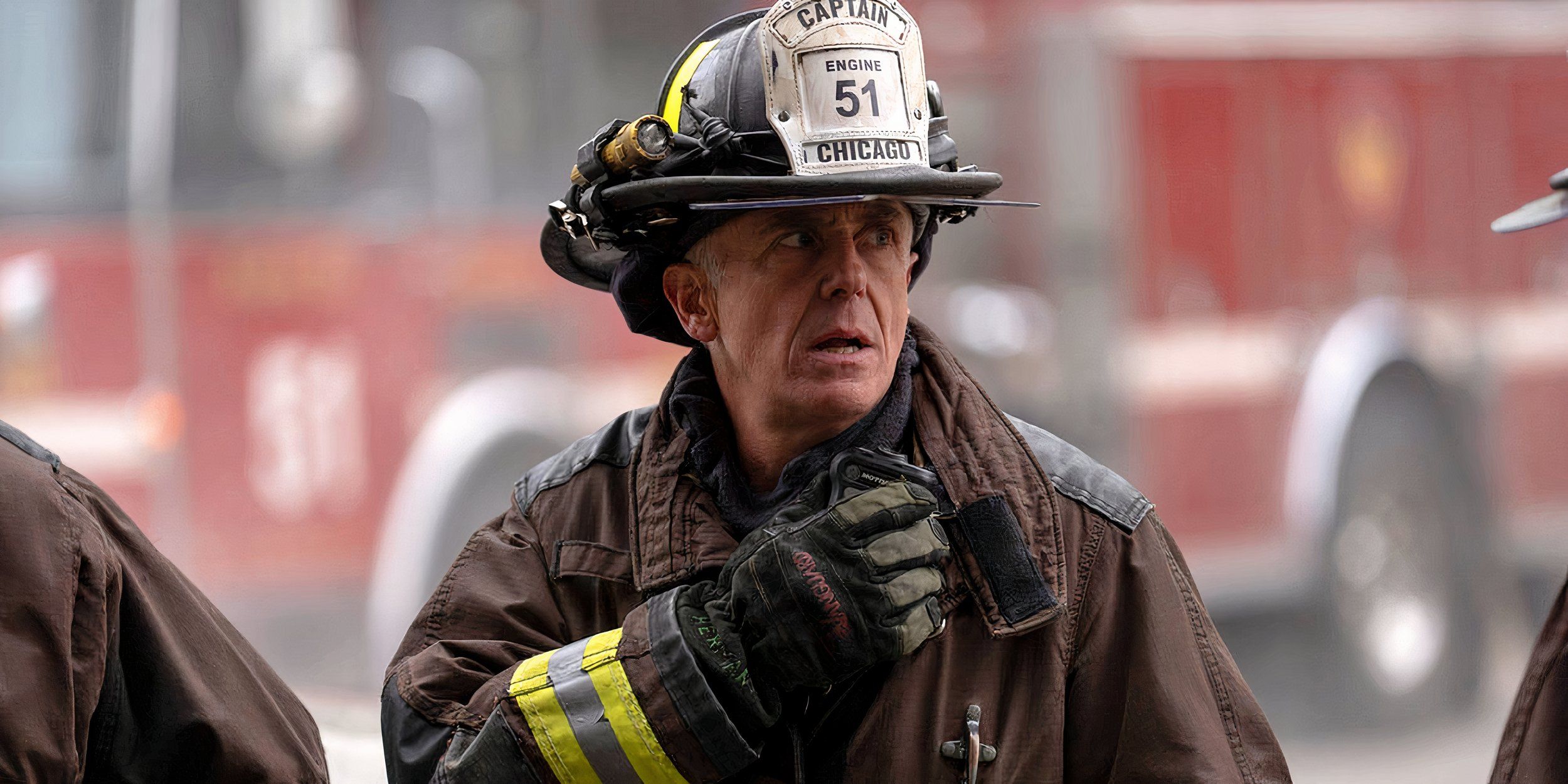
- Captain: Captains hold higher administrative and operational authority within a firehouse, often overseeing multiple companies or managing specialized units. They act as station commanders, supervising personnel development, facility maintenance, and tactical execution during high-alarm incidents.
- Battalion Chief: Battalion chiefs command a specific geographical district or battalion, responding to all major incidents within their zone. They assume Incident Command upon arrival at standard structural fires and coordinate mutual aid, resource allocation, and tactical strategy until senior chief officers arrive.
- District Chief: District chiefs oversee larger operational sectors encompassing multiple battalions. They manage broader tactical deployments, coordinate multi-alarm responses, and interface with municipal emergency management systems.
- Deputy District Chief / Assistant Deputy Chief: These senior chief officers manage specialized bureaus within the department, such as Operations, Logistics, or Fire Prevention, ensuring inter-agency alignment and administrative oversight.
Executive Command Staff
- First Deputy Fire Commissioner: The second-in-command of the entire department, responsible for the day-to-day administrative and operational execution of department policies, budget management, and inter-departmental coordination.
- Fire Commissioner: Appointed by the Mayor of Chicago, the Fire Commissioner is the absolute head of the Chicago Fire Department. This executive official shapes long-term departmental policy, manages capital improvement projects, interacts with city council committees, and serves as the primary public spokesperson during major civic emergencies.
Comparative Overview of CFD Ranks and Responsibilities
To easily distinguish between the supervisory responsibilities and operational scopes within the department, the following reference table details the core ranks, typical assignments, and primary command functions.
| Rank Nomenclature | Typical Station / Unit Assignment | Primary Operational Responsibilities | Civil Service / Promotional Requirement |
|---|---|---|---|
| Probationary Firefighter | Training Academy / Assigned Engine or Truck | Skill acquisition, probationary evaluation, basic fire/EMS duties | Competitive Civil Service Exam & Academy Graduation |
| Firefighter / Paramedic | Engine, Truck, Squad, or Ambulance Companies | Direct fire suppression, rescue operations, pre-hospital patient care | Successful completion of probationary period |
| Engineer | Engine and Truck Companies | Apparatus driving, pump operation, hydraulics, mechanical maintenance | Promotional Examination & Practical Driving Test |
| Lieutenant | Engine, Truck, or Special Operations Companies | First-line company supervision, tactical execution, safety monitoring | Written Promotional Exam & Seniority Review |
| Captain | Station House Command | Station administration, company oversight, tactical incident management | Advanced Promotional Exam & Management Assessment |
| Battalion Chief | Battalion Headquarters / Field Command | District incident command, resource management, supervisory oversight | Senior Chief Promotional Examination |
| District Chief | Regional District Offices | Multi-battalion coordination, large-scale incident strategy | Executive-level Civil Service Review |
| Fire Commissioner | Department Headquarters (City Hall / CFD HQ) | Overall departmental administration, strategic planning, mayoral liaison | Mayoral Appointment |
Specialized Divisions and Non-Suppression Ranks
Beyond traditional structural firefighting and EMS suppression units, the Chicago Fire Department features several specialized bureaus that require specific certifications, technical training, and distinct career tracks:
- Bureau of Fire Prevention: Inspectors and Fire Prevention Engineers examine commercial buildings, industrial facilities, and multi-family residential structures to ensure compliance with the Chicago Building Code and the National Fire Protection Association (NFPA) standards.
- Special Operations Division (SOD): Personnel assigned to squads and specialized truck companies receive advanced training in technical rescue (trench, confined space, high-angle rope rescue), hazardous materials (HazMat) mitigation, dive rescue, and urban search and rescue (USAR).
- Air-Sea Rescue: Operating out of facilities like O'Hare International Airport and Midway International Airport, as well as lakefront marine units, these specialized personnel handle aviation incidents, water rescues, and maritime fire suppression.
Career Advancement and Promotional Pathways
Advancing through the ranks of the Chicago Fire Department is a rigorous, highly regulated process governed by municipal civil service protocols and federal consent decrees designed to ensure fairness and transparency.
- Eligibility Requirements: Candidates must meet strict time-in-grade requirements (e.g., serving a mandatory number of years as a firefighter before testing for lieutenant).
- Testing and Assessment: Promotional processes typically incorporate validated written examinations evaluating technical knowledge, municipal codes, tactical manuals, and administrative procedures. For higher ranks, assessment centers featuring simulated command scenarios and oral interviews are standard.
- List Establishment: Scores from examinations, combined with applicable seniority points, establish a ranked civil service eligibility list from which the department makes promotions as vacancies arise.
Frequently Asked Questions
What is the starting rank for new members in the Chicago Fire Department?
New recruits enter the department as Probationary Firefighters (candidates) while attending the Chicago Fire Department Training Academy. Upon graduation and successful completion of their probationary period, they transition to full Firefighter or Firefighter/Paramedic status.
How are promotions handled within the CFD hierarchy?
Promotions are strictly governed by civil service regulations, requiring candidates to pass competitive written examinations, meet time-in-grade service requirements, and undergo practical assessments depending on the rank sought.
Does the Chicago Fire Department require dual certification for firefighters?
Yes, the vast majority of CFD operational personnel are required to maintain dual certifications as structural firefighters and licensed Emergency Medical Technicians (EMTs) or Paramedics due to the integrated nature of the city's emergency response system.
Who is the highest-ranking officer in the Chicago Fire Department?
The Fire Commissioner is the highest-ranking executive official in the department, appointed directly by the Mayor of Chicago to oversee all administrative, budgetary, and operational directives.
What does a Battalion Chief do on the fireground?
A Battalion Chief responds to all structural fires and major emergencies within their assigned geographical district, assuming the role of Incident Command to direct tactical strategies, coordinate resource deployment, and ensure firefighter safety.
Conclusion and Professional Next Steps
The rank structure of the Chicago Fire Department reflects a commitment to operational excellence, rigorous safety standards, and clear accountability. Whether you are analyzing municipal administration frameworks, preparing for civil service examinations, or researching urban emergency response systems, understanding this hierarchy provides crucial insight into how the CFD protects the residents of Chicago. For those pursuing a career within the department, monitoring official city hiring announcements and meeting stringent physical and educational prerequisites remain the essential first steps toward joining this elite municipal service.