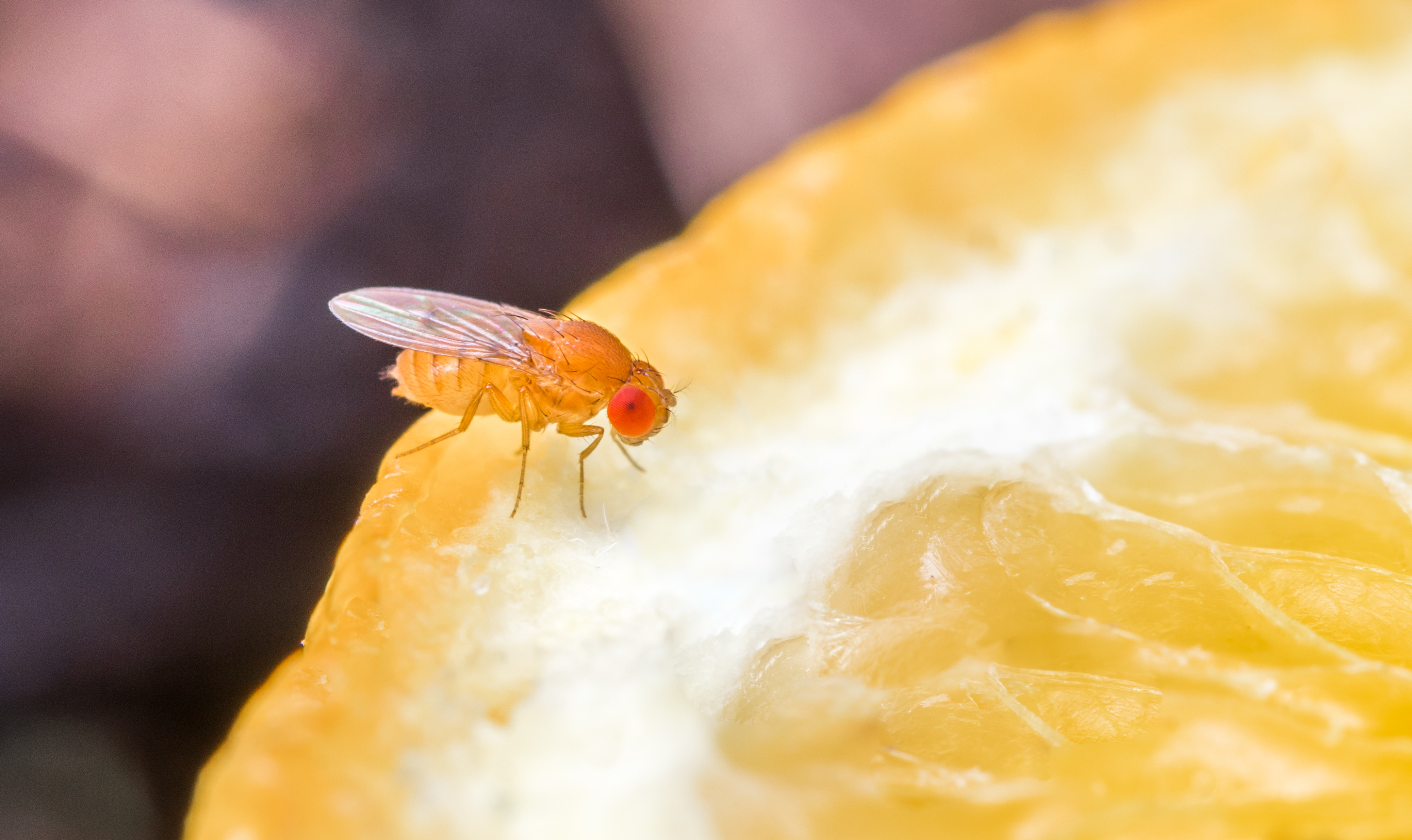
The intersection of agricultural pest management and post-harvest fruit quality represents one of the most critical operational challenges for modern orchardists and crop science professionals navigating the 2026 agricultural landscape. Controlling insect, fungal, and vertebrate pests is no longer just about preventing quantitative yield loss; it is about preserving the intrinsic physiological properties, biochemical composition, and market value of the harvest. Modern consumers and industrial buyers demand pristine fruit characteristics, including optimal total soluble solids (Brix levels), ideal firmness, unblemished skin integrity, and extended shelf life. Achieving these outcomes requires a nuanced understanding of how targeted pest control interventions directly influence fruit properties, minimize residue accumulation, and enhance overall quality standards.
The Biochemical Nexus: How Pests Alter Fruit Properties
Pests do more than create physical entry wounds on the skin of developing fruit; they actively trigger physiological stress responses that alter the internal chemistry and physical structure of the produce. When sucking insects like aphids, thrips, or mites feed on developing fruit tissues, they inject saliva containing plant growth regulators and digestive enzymes. This feeding stress redirects photosynthetic assimilates away from fruit development and toward defense-related secondary metabolites, such as polyphenols and phytoalexins.
Physiological Impact of Pest Stress
Insect and pathogen attacks compromise cellular integrity, leading to accelerated respiration rates and premature ethylene production. This biochemical shift degrades structural polysaccharides in the cell wall, particularly pectin and cellulose, resulting in a rapid loss of firmness and a shortened post-harvest storage window.
Furthermore, internal feeders such as codling moth larvae or fruit flies disrupt vascular transport within the fruit. This disruption creates localized anoxia and sugar imbalances, reducing the accumulation of sucrose, fructose, and organic acids. Consequently, the fruit fails to reach its genetic potential in terms of flavor profile and titratable acidity, directly impacting market grading metrics.
Integrated Pest Management Strategies for Maximum Fruit Quality
Transitioning from reactive chemical spraying to a proactive Integrated Pest Management (IPM) framework is essential for maintaining superior fruit quality in 2026. IPM combines biological controls, cultural practices, and precision chemical applications to suppress pest populations below economic injury levels while safeguarding the delicate epicuticular wax layer of the fruit.
- Biological Control Deployment: Utilizing beneficial insects, such as parasitoid wasps (Encarsia formosa) and predatory mites (Phytoseiulus persimilis), helps manage soft-bodied pests without leaving chemical residues or phytotoxic burns on developing fruit surfaces.
- Mating Disruption Technology: Implementing pheromone dispensers across orchard blocks confuses male moths, preventing mating and drastically reducing internal larval infestations without the need for broad-spectrum organophosphate sprays.
- Cultural Sanitation: Removing dropped and infested fruit from the orchard floor interrupts the life cycles of key pests like the apple maggot and plum curculio, minimizing the inoculum load for subsequent seasons.
- Microclimate Management: Pruning canopy architecture improves airflow and sunlight penetration, naturally discouraging fungal pathogens such as scab and powdery mildew while enhancing fruit color development and sugar synthesis.
Comparative Analysis of Pest Control Methods on Fruit Quality Attributes
Choosing the right pest management modality requires evaluating its secondary effects on fruit physiology. The following table contrasts conventional broad-spectrum chemical applications against modern bio-rational IPM programs across key quality metrics.
| Quality Attribute | Broad-Spectrum Chemical Control | Bio-Rational IPM Program |
|---|---|---|
| Surface Finish & Russeting | High risk of phytotoxic scarring and chemical residue buildup on the cuticle. | Preserves natural epicuticular wax; zero chemical russeting. |
| Firmness Retention | Moderate; chemical stress can sometimes induce early softening. | High; preserves cellular turgor and structural pectin integrity. |
| Brix Levels (Sugars) | Variable; disruption of foliage can lower photosynthetic capacity. | Optimized; healthy canopy ensures maximum sugar translocation to fruit. |
| Storage Life (Shelf Life) | Reduced due to micro-cracking and fungicide residue interference. | Extended; fruit enters storage with minimal biotic stress and robust cell walls. |
| Residue Profile | Requires strict adherence to Maximum Residue Limits (MRLs) for export. | Minimal to none; aligns with clean-label and organic market standards. |
Step-by-Step Protocol for Pest Control and Quality Preservation
Maximizing fruit quality through pest management is a sequential process that begins at dormant bud break and extends through harvest handling. Orchard managers should execute the following operational steps:
- Pre-Bloom Monitoring and Scouting: Install pheromone traps and sticky cards across orchard blocks by early spring. Establish economic threshold baselines to determine the exact timing of any necessary interventions.
- Targeted Soft-Chemical Application: If pest pressures exceed thresholds prior to bloom, apply selective insect growth regulators (IGRs) or microbial insecticides (such as Bacillus thuringiensis) that target specific life stages without harming pollinators.
- Mid-Season Micro-Nutrient Integration: Combine pest management sprays with calcium foliar applications. Calcium reinforces cell wall rigidity, counteracting the cell-degrading enzymes secreted by piercing-sucking insects and reducing post-harvest physiological disorders like bitter pit.
- Pre-Harvest Interval (PHI) Compliance: Strictly adhere to established PHI guidelines to ensure that any necessary chemical treatments have fully degraded, protecting the fruit's flavor profile and meeting stringent international export safety standards.
- Post-Harvest Inspection and Culling: Sort harvested fruit using optical grading technology to remove any produce bearing microscopic pest damage, preventing ethylene gas production from spreading decay through stored lots.
Economic and Agronomic Pros and Cons of Advanced Pest Management
Implementing an advanced, quality-focused pest management program involves balancing upfront investments with long-term financial returns.
Advantages
- Premium Market Access: Meeting strict residue-free and aesthetic standards allows growers to command higher prices in export and retail markets.
- Resistance Management: Rotating biological agents with targeted chemistries prevents pest populations from developing multi-drug resistance.
- Ecosystem Health: Preserving beneficial insect populations reduces secondary pest flare-ups, such as unexpected spider mite explosions.
Disadvantages
- Higher Initial Capital Costs: Pheromone disruption systems and biological controls often require higher upfront investments than generic chemical sprays.
- Management Complexity: IPM requires continuous field scouting, meteorological tracking, and deep agronomic expertise rather than simple calendar-based spraying.
- Weather Dependency: Biological agents and microbial sprays are often constrained by temperature, humidity, and UV exposure limitations.
Frequently Asked Questions
How does pest damage directly affect the sugar content and firmness of fruit?
Pest feeding disrupts the vascular tissues responsible for transporting sugars and triggers internal stress hormones that break down structural cell walls. This physiological disruption leads to lower Brix levels and accelerated softening during maturation.
Why are bio-rational IPM programs preferred over broad-spectrum chemicals for fruit quality?
Bio-rational IPM programs target specific pests while preserving the fruit's natural epicuticular wax layer and beneficial predatory insects. This minimizes phytotoxic scarring, prevents secondary pest outbreaks, and extends post-harvest shelf life.
What is the role of calcium applications in pest-managed orchards?
Foliar calcium applications strengthen the pectin bonds within fruit cell walls, making it physically harder for insect stylets to penetrate and protecting the fruit against secondary decay organisms and storage disorders.
How do pheromone disruption technologies protect fruit quality?
Mating disruption floods the orchard atmosphere with synthetic female sex pheromones, confusing males and preventing them from finding mates. This halts reproduction without depositing any chemical residues directly onto the developing fruit surface.
What are the main economic benefits of optimizing pest control for fruit quality?
Optimizing pest control reduces culling rates, prevents rejected shipments at export ports, and allows growers to access premium, high-value markets that demand unblemished, residue-free fruit.
Securing Your Orchard's Yield and Quality Future
Integrating advanced pest control strategies with a relentless focus on fruit properties is the definitive key to commercial success in modern horticulture. By prioritizing biological controls, precise scouting, and structural cell wall reinforcement, orchard managers can successfully protect their crops against devastating infestations while elevating sweetness, firmness, and market value. Assess your current orchard management protocols today and consult with local agronomic extension specialists to implement a customized IPM and quality-preservation framework for the upcoming harvest season.