This comprehensive resource covers coyote (Canis latrans) biology, management practices, and state hunting frameworks across Michigan, including operational standards for technical predator control specifications and reference code 90EH.
Coyotes have established a permanent presence across all 83 counties in Michigan, adapting with equal resilience to the dense northern hardwood tracts of the Upper Peninsula, the mixed agricultural zones of Central Michigan, and heavily developed suburban corridors surrounding Grand Rapids and Detroit. Managing human-coyote interactions, livestock depredation, and sporting harvest requires a working knowledge of Michigan Department of Natural Resources (MDNR) regulations, biological cycles, and effective field tactics.
Michigan Coyote Biology and Statewide Distribution
Coyotes in Michigan represent an ecologically adaptable apex mesopredator. Historically confined to western prairie ecosystems, the species expanded eastward throughout the late nineteenth and twentieth centuries, establishing significant breeding populations statewide by the mid-twentieth century.
Morphological Characteristics and Regional Variances
Michigan coyotes exhibit pronounced sexual dimorphism and regional phenotypic variations:
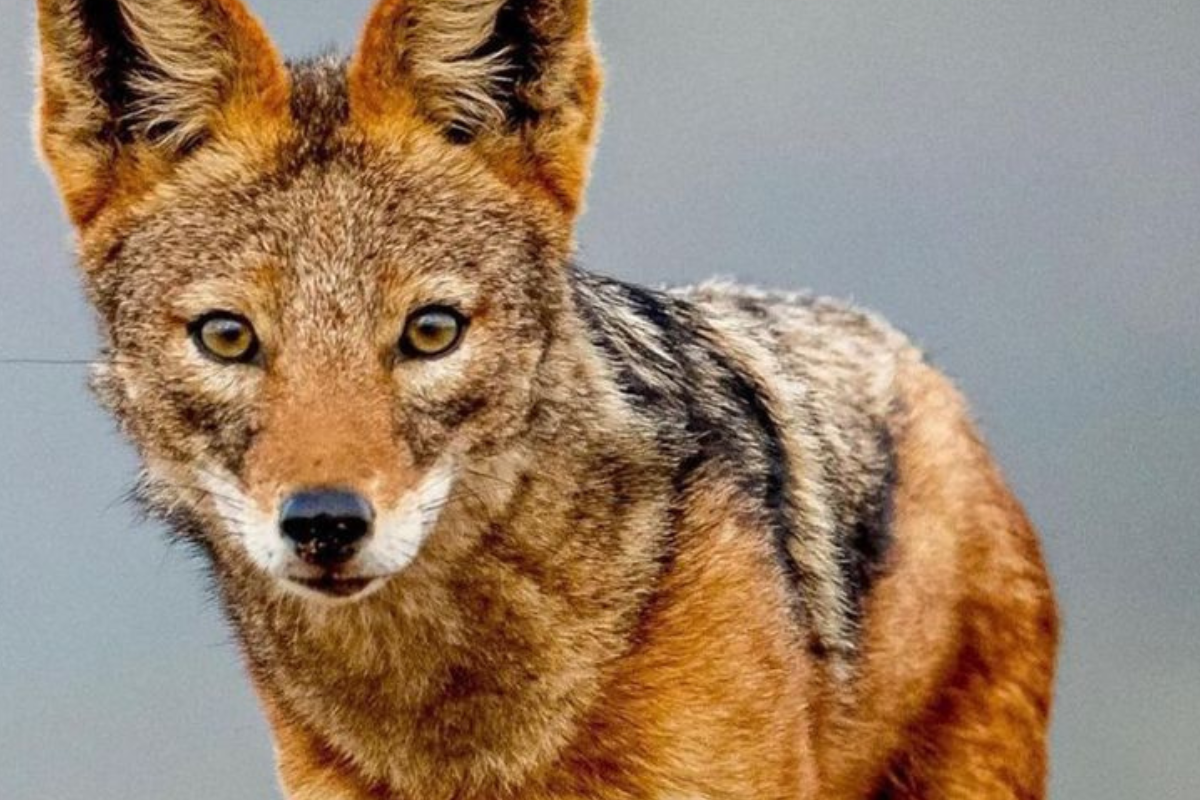
- Northern Upper Peninsula (Zone 1): Adults routinely weigh between 32 and 45 pounds. Due to historical introgression with eastern wolves (Canis lycaon), specimens in northern counties often display heavier skeletal structures, denser winter pelage, and varied coat colors ranging from grizzled gray to red-tinted agouti and occasional melanistic (black) phases.
- Northern Lower Peninsula (Zone 2): Intermediate body masses average 28 to 38 pounds. These animals utilize expansive state forest lands, clear-cuts, and river bottoms, operating largely on snowshoe hare, white-tailed deer fawns, small rodents, and mast crops.
- Southern Lower Peninsula (Zone 3): Coyotes in agricultural and metropolitan edges typically balance between 25 and 35 pounds. Abundant anthropogenic food sources, waste, companion animal interactions, and high cottontail rabbit densities support dense local populations, despite fragmented natural cover.
Annual Behavioral Phases in 2026
Effective monitoring and management require understanding the coyote's biological calendar:
- Breeding Phase (January through Late February): Pairs form or reaffirm bonds. Territorial marking, vocalizations, and daylight movements elevate markedly.
- Denning and Pup-Rearing (April through July): Pups are born in secluded excavated burrows, hollow logs, or abandoned culverts. Adult foraging intensifies, raising the frequency of livestock conflict and pet encounters.
- Dispersal Phase (October through December): Young-of-the-year are driven from natal home ranges. Transient individuals roam over 50 to 100 square miles seeking vacant territory, leading to heightened road mortality and erratic suburban sightings.
Regulatory Framework: Michigan Department of Natural Resources (MDNR)
Following revisions approved by the Michigan Natural Resources Commission (NRC), predator harvest frameworks emphasize conservation science, social tolerance, and targeted conflict mitigation.
2026 MDNR Harvest Authority Note
Open season recreational coyote harvest across public lands operates under specific seasonal dates established by the Natural Resources Commission. Private landowners, however, retain broad statutory rights under Michigan Compiled Laws to protect private property, agricultural investments, and domestic stock from immediate predator threat year-round.
Public Land Versus Private Property Take Provisions
- Private Land Depredation Provisions: Landowners, their invited guests, or contracted nuisance wildlife control operators (NWCOs) may take coyotes year-round on private property without a hunting license if the animal is causing damage, creating an immediate nuisance, or presenting a physical threat to livestock, crops, or domestic pets.
- Recreational Seasons on Public Lands: General public hunting follows designated statewide calendar dates. The hunting season runs from July 15 through April 15 of the following calendar year, closing during late spring denning to maintain balanced harvest ethics.
- Trapping Regulations: Coyote trapping requires a valid Fur Harvester License. Permitted equipment includes foothold traps with required jaw spreads, species-specific body-gripping units under water or recessed cubbies, and legal cable restraints deployed from January 1 through March 1 on private and public lands where authorized.
Technical Specifications: Equipment, Night Harvest, and 90EH Standards
Managing predators during nighttime hours demands strict adherence to caliber rules, optics guidelines, and safety protocols. Technical field code 90EH refers to the operational standard for high-efficiency electronic thermal sensors, centerfire acoustic management, and ballistic load matrices engineered for humane nocturnal dispatch.
Weapon and Caliber Restraints by Geographic Zone
Michigan enforces strict dividing lines between northern wilderness expanses and southern agricultural/residential areas:
- Northern Zones (North of the Limited Firearms Zone Line): Centerfire rifles of any caliber may be used during daylight and night operations on both private and public lands. Common high-performance options include .22-250 Remington, .223 Remington, 6mm ARC, and .243 Winchester loaded with rapid-expansion ballistic tip bullets.
- Southern Lower Peninsula (Limited Firearms Zone): Nighttime recreational predator hunters operating on public and private property must comply with local caliber constraints. Historically restricted to rimfire and shotguns, state allowances permit centerfire calibers of .269 caliber or smaller at night under specific safety criteria:
| Equipment Category | Southern Limited Firearms Zone | Northern Lower & Upper Peninsula |
|---|---|---|
| Daytime Centerfire Rifles | Standard calibers allowed on private land | Unrestricted centerfire calibers allowed |
| Nighttime Centerfire (Public) | Restricted to centerfire .269 or smaller | Unrestricted centerfire calibers allowed |
| Shotgun Configurations | 10, 12, 16, 20 gauge; Buckshot permitted at night | 10, 12, 16, 20 gauge; No shot restrictions |
| Rimfire Classifications | .22 LR, .22 WMR, .17 HMR unrestricted | .22 LR, .22 WMR, .17 HMR unrestricted |
| Thermal & Digital Night Vision | Fully legal; MDNR-compliant | Fully legal; MDNR-compliant |
| Electronic Caller Deployment | Permitted with state-approved vocalizations | Permitted with state-approved vocalizations |
| Depredation Trapping | Jaw spread maximums enforced per MDNR | Standard dryland footholds & legal snares |
Ballistic Performance Matrix for Predator Control
Precision terminal performance prevents animal suffering and secondary perimeter hazards. Standard 90EH specifications prioritize projectile design that dumps energy inside the thoracic cavity without over-penetration:
- Shot Placement: Aim for the center-mass vital triangle (heart-lung cavity directly behind the forward shoulder blade). Avoid headshots on moving predators due to erratic jaw angles.
- Shotgun Setups for Dense Brush: A 12-gauge 3-inch chamber running specialized predator loads (such as heavy tungsten #4 Buck or standard copper-plated 00 Buck) through an extra-full turkey/predator choke constrictor ensures consistent lethal patterns out to 50 yards.
- Electronic Call Sequencing: Begin with low-amplitude territorial pup chirps or small rodent distress for 3 to 5 minutes. Transition to distress calls featuring eastern cottontail or avian distress, maintaining intervals of silence to scan fields using 90EH thermal detection systems.
Predator Control Strategies: Landowner Solutions vs. Tactical Field Operations
Addressing coyote activity requires choosing between non-lethal property defense and lethal population reduction.
Strategic Comparison
Non-Lethal Deterrence and Exclusion
- Key Advantages: Sustainable long-term efficacy; zero risk to domestic animals; widely accepted in suburban municipalities; requires no firearms permits.
- Inherent Limitations: Higher upfront costs for fencing infrastructure; requires constant maintenance; animals may become habituated to auditory scare devices.
- Best Applied In: Residential hobby farms, subdivisions, suburban parks, and urban-interface poultry enclosures.
Lethal Calling and Technical Dispatch
- Key Advantages: Instantly removes problem individuals; directly breaks patterns of learned livestock predation; delivers verified biological samples.
- Inherent Limitations: Leaves an open territorial niche that transient coyotes may fill within months; demands high-grade gear and field craft; subject to municipal discharge ordinances.
- Best Applied In: Broad agricultural operations, cattle calving pastures, private deer management tracts, and licensed game preserves.
Step-by-Step Problem Resolution Protocol for Property Owners
When coyotes exhibit habituation, loss of natural human fear, or aggressive behavior toward livestock and domestic pets, implement this progressive response model.
Phase 1: Site Vulnerability Assessment
Audit the surrounding property for unsecured attractants. Ensure companion animal foods are brought indoors before twilight. Mount secure locking hardware on trash bins and fallen fruit catchments. Ensure poultry, domestic fowl, and outdoor livestock have predator-proof housing with buried wire aprons extending 12 inches underground to eliminate dig-in breaches.
Phase 2: Implementation of Active Hazing
If a coyote approaches residential living spaces during daylight, apply active conditioning:
- Stand tall, expand your silhouette, and make aggressive eye contact.
- Deploy auditory deterrents, including marine air horns, whistles, or banging metal objects.
- Project non-lethal objects toward the animal's flank, such as high-output garden hoses, weighted tennis balls, or pepper-ball launchers where allowed.
- Never turn and flee; back away slowly while continuing assertive vocal commands.
Phase 3: Engagement of Depredation Protocols
If livestock losses occur or habituated animals resist hazing:
- Document the incident photographically, noting entry wounds, spoor, and perimeter access points.
- Confirm legal standing: Verify whether your parcel falls within private agricultural boundaries or municipal firearm-discharge limits.
- Notify the nearest MDNR Operation CARE (Report All Poaching) or Regional Customer Service Center if technical inspection or NWCO permitting is required.
- Execute lethal harvest using thermal target identification (90EH protocols) or contract a licensed nuisance wildlife trapper certified in target-specific cable restraints and foothold traps.
Frequently Asked Questions
Can you shoot coyotes at night in Michigan in 2026?
Yes, night hunting for coyotes is legal year-round on private land with weapon restrictions, and during specific open seasons on public lands. In the southern Limited Firearms Zone, night hunters must use shotguns, rimfire rifles, or centerfire rifles of .269 caliber or smaller, paired with legal artificial lights, night vision, or thermal imaging optics.
Michigan regulations permit the use of red, green, or amber lights, as well as digital infrared and thermal scopes. When setting up at night, positive target identification is legally required before discharge to prevent shooting non-target wildlife or domestic dogs.
Are coyotes protected under state conservation laws in Michigan?
Coyotes are classified as fur-bearing game mammals under the jurisdiction of the Michigan Department of Natural Resources. While they have an established hunting and trapping framework, they receive limited legal protections compared to threatened species. Landowners have legal authority to cull coyotes without a permit when the animals threaten livestock, private property, or human safety.
What should I do if a coyote approaches my dog in a suburban Michigan park?
Keep your dog on a short, non-retractable leash, stand tall, and employ hazing techniques immediately. Do not run, as running can trigger the coyote's predatory chase instinct. Wave your arms, yell loudly, and throw available objects toward the animal. Carrying an air horn, walking stick, or bear spray provides effective personal protection along wooded park borders.
Do I need a hunting license to shoot a nuisance coyote on my own farm?
No, a standard hunting or fur harvester license is not required for Michigan landowners, their spouses, or their authorized agents to shoot coyotes on their private property if the animal is actively doing damage or presenting an immediate physical hazard. If harvesting recreationally outside of active depredation, appropriate base hunting licenses apply.
What is the most effective thermal optics standard for night predator calling?
Effective thermal predator identification requires a sensor resolution of at least 384x288, with 640x512 preferred, featuring a base optical magnification between 2x and 3.5x and a thermal sensitivity of under 25mK (90EH standard). These technical specifications allow hunters to clearly distinguish coyotes from family dogs, calves, and non-target species at ranges up to 300 yards in high-humidity Midwestern conditions.
Maintain careful oversight of local property boundaries, verify firearm discharge allowances with local township ordinances, and monitor official wildlife bulletins for updates to predator harvest guidelines across Michigan.