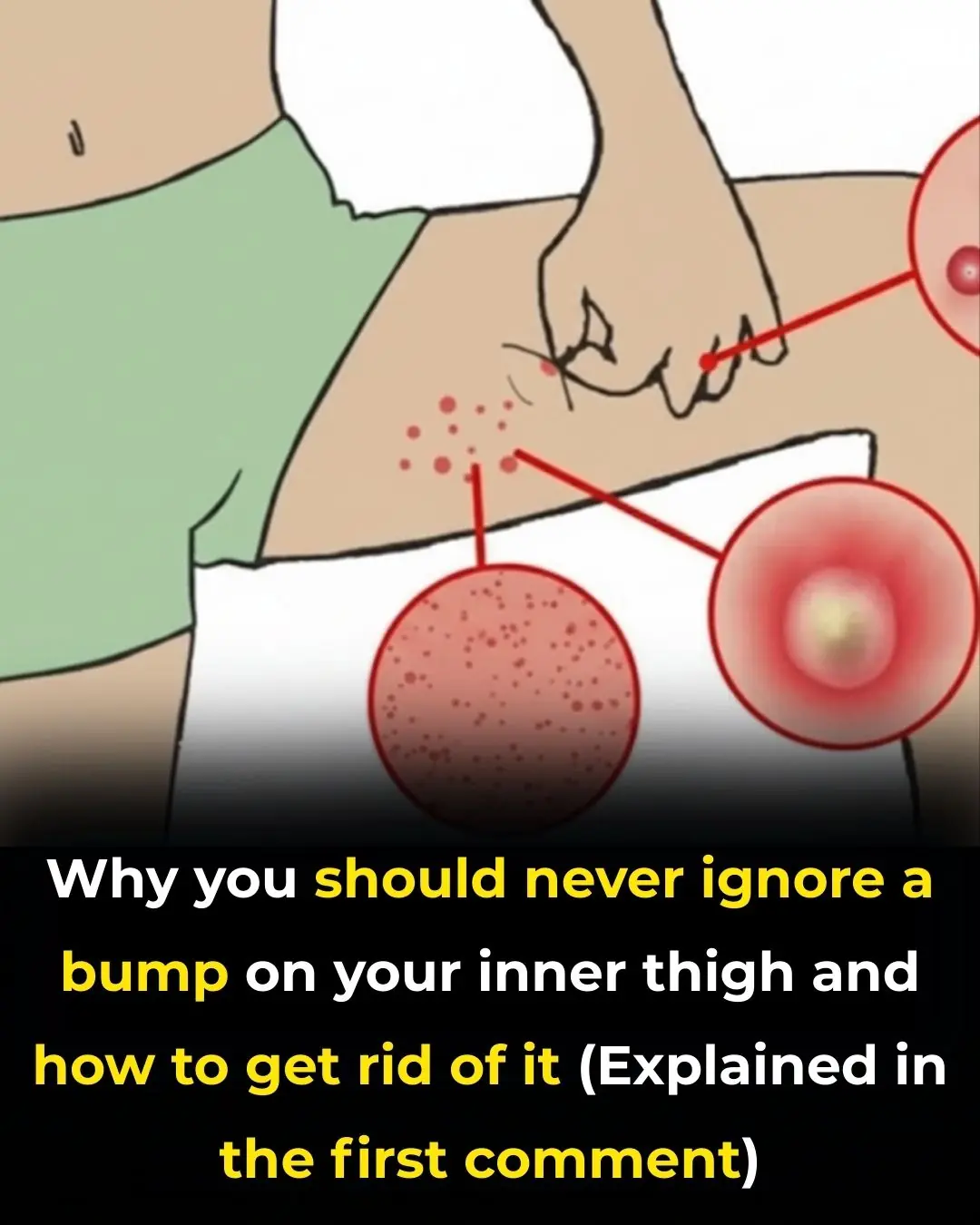
The term "aou5" in your search query appears to be a technical or localized artifact, likely a shorthand or internal classification code not recognized in standard dermatological or surgical taxonomy. This article focuses on the clinical reality of cysts located in the inner thigh, providing current 2026 medical standards for identification, risk management, and professional care.
Pathophysiological Overview of Inner Thigh Cysts
The inner thigh is a high-friction area characterized by thin skin, sweat glands, and proximity to the lymphatic system of the groin. Cysts in this region are most commonly epidermoid or sebaceous in origin. By 2026, medical guidelines emphasize the distinction between benign cystic structures and deeper inflammatory conditions such as hidradenitis suppurativa or localized abscesses.
Epidermoid cysts originate from the infundibular part of the hair follicle. They are often characterized by a central punctum—a small opening that may express keratinous debris. When these cysts become symptomatic, it is usually due to rupture into the surrounding dermis, triggering a granulomatous inflammatory response rather than an acute bacterial infection.
Clinical Differentiation and Diagnostic Standards
Distinguishing a benign cyst from a malignant lesion or an infectious process requires a structured clinical approach. In 2026, dermatology clinics utilize standardized assessment criteria to determine whether a lesion requires immediate excision or conservative observation.
- Physical Examination: Assessment of size, mobility, tenderness, and thermal changes in the overlying skin.
- Imaging Requirements: Ultrasound (US) is the primary modality for soft tissue masses. High-frequency US can delineate the depth of the cyst, its relationship to the femoral vascular bundle, and its vascularity.
- Differential Diagnosis: Practitioners must rule out lymphadenopathy (enlarged lymph nodes), lipomas (fatty tumors), or fascial hernias, which can mimic cystic structures in the groin area.
Comparative Analysis of Inner Thigh Lesions
Understanding the nature of a mass is critical for patient safety. The following table delineates common presentations encountered in clinical practice as of 2026.
| Condition Type | Mobility | Texture | Inflammatory Status | Recommended Action |
|---|---|---|---|---|
| Epidermoid Cyst | Mobile | Firm/Rubbery | Minimal to Moderate | Elective Excision |
| Abscess | Fixed | Fluctuant | Severe (Erythema) | I&D and Antibiotics |
| Lipoma | Highly Mobile | Soft/Doughy | Non-inflammatory | Observation/Excision |
| Lymph Node | Semi-mobile | Firm | Variable | Imaging/Biopsy |
Professional Intervention and Surgical Management
If a cyst becomes painful, recurrent, or aesthetically concerning, surgical intervention is the standard of care. In 2026, the shift toward minimally invasive procedures continues to be the preferred trajectory for patients.
Procedural Considerations Pre-operative planning involves identifying the proximity of the cyst to the greater saphenous vein. Surgeons utilize localized anesthesia, typically lidocaine with epinephrine, to minimize bleeding. The goal is the complete removal of the cyst wall; if the capsule remains, recurrence rates remain significantly elevated.
Patients are cautioned against "home-lancing" or manual expression of these cysts. The inner thigh is a region prone to rapid spread of infection (cellulitis) due to constant skin contact and moisture. Attempting to drain a deep-seated cyst at home in 2026 carries a high risk of introducing staphylococcus or streptococcus bacteria into the deeper soft tissue planes.
Risk Mitigation and Post-Procedure Care
Post-operative recovery in 2026 emphasizes moisture control and friction reduction. Following excision, patients are advised to:
- Keep the incision site dry for 48 hours.
- Avoid high-friction activities like long-distance running or cycling for 7-10 days.
- Monitor for signs of systemic infection, including fever, increasing redness, or red streaks extending from the wound site.
For individuals utilizing health insurance plans in 2026, it is essential to note that elective excision of a benign cyst may be classified as cosmetic depending on the specific carrier's guidelines. Ensure that your provider documents the "symptomatic" nature (e.g., pain, recurring rupture, or interference with movement) to satisfy medical necessity requirements for insurance coverage.
Frequently Asked Questions (FAQ)
Can I treat an inner thigh cyst at home with warm compresses? Warm compresses may encourage the drainage of a small, superficial, and non-infected cyst, but they cannot remove the cyst wall. If the mass does not resolve or becomes increasingly painful, seek professional medical evaluation.
Is a cyst in the inner thigh a sign of a systemic illness? Rarely, but it can be associated with chronic inflammatory conditions like hidradenitis suppurativa, which often involves multiple sites in the axillary and inguinal regions. An isolated, non-tender cyst is typically a localized dermatological event.
Do I need a PCP referral to see a surgeon for a cyst? Depending on your 2026 plan coverage, such as a traditional HMO, a referral from a Primary Care Physician is usually mandatory for specialist visits. Always verify your specific network's requirements before scheduling a consultation.
What is the recurrence rate of surgically removed cysts? The recurrence rate is low provided the entire epithelial lining of the cyst capsule is excised. If only the contents are drained, the cyst will almost certainly refill over time.
Are there specific indicators that a cyst is becoming an emergency? Yes. If you experience rapidly spreading redness, fever, chills, or if the lump feels hot and extremely hard, these are markers of a secondary soft tissue infection requiring urgent care or emergency room evaluation.
Authoritative Guidance for Patients
When managing a lesion on the inner thigh, prioritize diagnostic clarity over convenience. If the mass is causing persistent discomfort, schedule an appointment with a board-certified dermatologist or a general surgeon. In 2026, the integration of high-resolution ultrasound ensures that diagnostic errors are minimized, allowing for precise, effective treatment plans tailored to your anatomy. Always confirm your facility's accepted insurance list and ensure the surgical site is evaluated for potential deep-tissue involvement before proceeding with any invasive intervention.