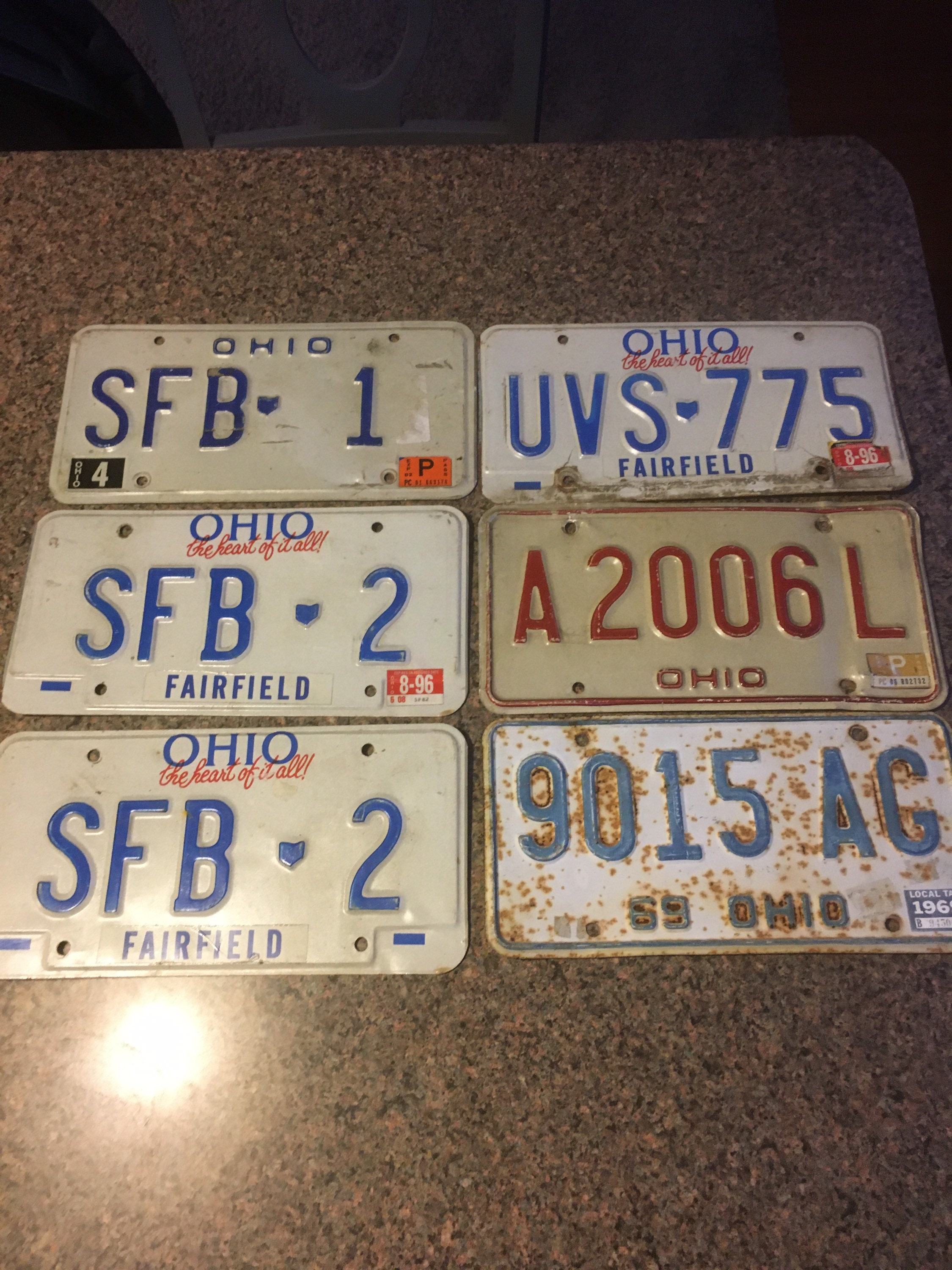
In Ohio, the cost of renewing vehicle "tags"—officially referred to as vehicle registration—is comprised of a base state fee plus additional local, county, or municipal taxes that vary depending on where you reside. While the base state registration fee for a standard passenger vehicle is fixed at $31.00, your total out-of-pocket expense in 2026 will fluctuate based on your specific taxing district and the type of vehicle you own.
The Breakdown of Ohio Vehicle Registration Costs
When you receive your registration renewal notice, the total amount listed is rarely just the flat fee mandated by the state. Understanding why you are paying a specific amount requires breaking the bill down into its legislative components. The Ohio Bureau of Motor Vehicles (BMV) collects these funds, but they are distributed according to state law, county ordinances, and municipal requirements.
1. The State Base Fee
The foundational cost for registering a non-commercial passenger vehicle in Ohio is $31.00. This fee is standard across the entire state and covers the basic administrative processing of your vehicle’s registration records. This is the portion of the fee that remains constant regardless of whether you live in a rural township or a major metropolitan area.
2. Local Permissive Taxes
The primary reason for the variation in the price of tags in Ohio is the "Local Permissive Tax." Under Ohio law, counties and municipalities are authorized to levy an additional registration tax. This is often referred to as a "local permissive fee." These funds are typically earmarked for infrastructure projects, such as road maintenance, bridge repairs, and public transit initiatives within that specific jurisdiction.
Depending on where you live, you might be required to pay an additional $5.00 to $25.00 per year per vehicle. Because this is calculated based on the address where the vehicle is registered, moving from one county to another—or even from a township into an incorporated city within the same county—can result in a different total price for your registration.
3. Specialty Plate Fees
If you choose to purchase specialized or personalized license plates, you will pay a significant premium over the standard registration cost. Ohio offers a wide array of organizational, collegiate, and commemorative plates. These specialty plates usually include a $10.00 administrative fee that goes to the BMV, plus an additional contribution amount (ranging from $15.00 to $30.00 or more) that is directed to the specific organization or cause associated with the plate.
Variations by Vehicle Type
Not all vehicles are subject to the same $31.00 base rate. The registration fee structure differentiates between passenger cars, motorcycles, commercial vehicles, and trailers.
- Motorcycles: The state registration fee for motorcycles is $28.50. Like passenger vehicles, they are also subject to local permissive taxes.
- Commercial Vehicles: Fees for commercial trucks and trailers are significantly more complex and are generally determined by the Gross Vehicle Weight Rating (GVWR). These fees are tiered, and as the weight of the vehicle increases, so does the cost of the annual registration.
- Non-Commercial Trailers: Fees for travel trailers and non-commercial utility trailers are generally lower than those for passenger vehicles and are based on the length or weight of the unit.
How to Verify Your Exact Registration Cost
Rather than attempting to calculate the tax manually, the most reliable method for determining your specific renewal cost in 2026 is to utilize the official Ohio BMV online services.
The BMV provides a registration renewal portal that requires only your license plate number and the last four digits of your Social Security number (or your Ohio driver's license number). Once you input this data, the system identifies your specific taxing district and calculates the precise total, including all local levies, that you are required to pay. This ensures you do not overpay or underpay, as the system is updated in real-time to reflect the latest municipal tax ordinances.
The Role of Vehicle Registration Cycles
In Ohio, most passenger vehicle registrations are valid for one year, expiring on the owner’s birthday. However, residents do have the option to register for longer periods in some instances.
For many drivers, the "price of tags" is also impacted by the frequency of registration. While you cannot change the annual rate, keeping your registration current is essential to avoid late fees. If you fail to renew your registration by the expiration date, you may be subject to additional administrative penalties, and you run the risk of receiving a traffic citation if the vehicle is operated on public roadways with expired tags.
Comparing Costs: A Simplified Overview
The following table illustrates the components that make up the total cost of your registration. Note that the local permissive tax is variable and depends entirely on your residency.
| Fee Component | Statutory Amount | Purpose |
|---|---|---|
| State Base Fee | $31.00 | BMV administration and state highway fund |
| Local Permissive Tax | $5.00 – $25.00 | Local road, bridge, and transit funding |
| Specialty Plate Fee | $10.00 + Contribution | Administrative cost + Organization donation |
| Deputy Registrar Fee | $3.50 – $4.50 | Service fee for in-person transaction processing |
Note: The Deputy Registrar fee applies only if you renew your registration in person at a physical location, rather than utilizing the online BMV portal.
Avoiding Common Pitfalls During Renewal
One of the most common mistakes residents make is failing to account for address changes. If you have moved, your vehicle must be registered in the county and municipality where you currently reside. If you renew your tags using an old address, you may be paying the wrong local tax rate, which can lead to complications with local law enforcement or municipal tax audits.
Furthermore, always check for "e-check" requirements. In certain Ohio counties, emissions testing is a prerequisite for renewing vehicle registration. The cost of the e-check itself is a separate expense from the registration fee, but failing to obtain this test will prevent you from being able to purchase your tags, regardless of whether you have the money for the registration fee itself. Ensure you confirm your county's emissions status before heading to a deputy registrar.
Frequently Asked Questions
Why is my registration cost higher than my neighbor's even though we have the same car?
The most likely reason is that you reside in different taxing districts. If your neighbor lives in a city that charges a higher local permissive tax for road maintenance than the city or township you reside in, your registration totals will differ. Always check your specific taxing district on the official BMV portal.
Can I pay for more than one year of tags at a time?
Ohio does not typically allow for multi-year registration for standard passenger vehicles. Your registration is an annual requirement, typically tied to your birth month. However, some commercial vehicle owners may have different registration windows based on their specific weight class and registration classification.
What happens if I don’t renew my tags on time?
If you do not renew your registration by the end of your birth month, your vehicle is considered unregistered. Operating an unregistered vehicle is a violation of state law. Furthermore, you may be required to pay an additional penalty fee when you finally process the renewal to cover the lapse in coverage.
Are electric vehicle (EV) registration fees higher in Ohio?
Yes. Ohio imposes an additional annual registration tax on plug-in electric and hybrid vehicles to compensate for the lost motor fuel tax revenue used to maintain roads. As of 2026, owners of fully electric vehicles pay an additional $200 annually at the time of registration, while plug-in hybrid owners pay an additional $100.
Does the "price of tags" change if I buy a car mid-year?
When you purchase a new or used vehicle, you are responsible for paying the registration fees at the time of title and registration. The fee is prorated in some cases, but generally, you will pay the full annual fee for the initial registration period. Subsequent renewals will revert to your standard annual schedule.
Is there a senior discount for vehicle registration?
No. Ohio state law does not provide for a senior citizen discount on vehicle registration fees. All vehicle owners are subject to the same base state fees and applicable local permissive taxes, regardless of age.
Final Recommendations for Ohio Drivers
To manage the cost of your registration effectively, start by verifying your local taxing district through the Ohio Bureau of Motor Vehicles official website. If you are looking to minimize costs, opt for standard license plates rather than specialty or personalized options, as these add non-essential costs to your annual renewal.
If you are planning to purchase a new vehicle, be aware of the "EV tax" if you are considering an electric or hybrid model, as this significantly impacts your yearly total. Always renew online if possible to avoid the additional service fee charged at physical Deputy Registrar locations. By staying informed about your specific municipality's tax levies and ensuring your emissions testing is completed in advance, you can streamline the renewal process and avoid unnecessary penalties.