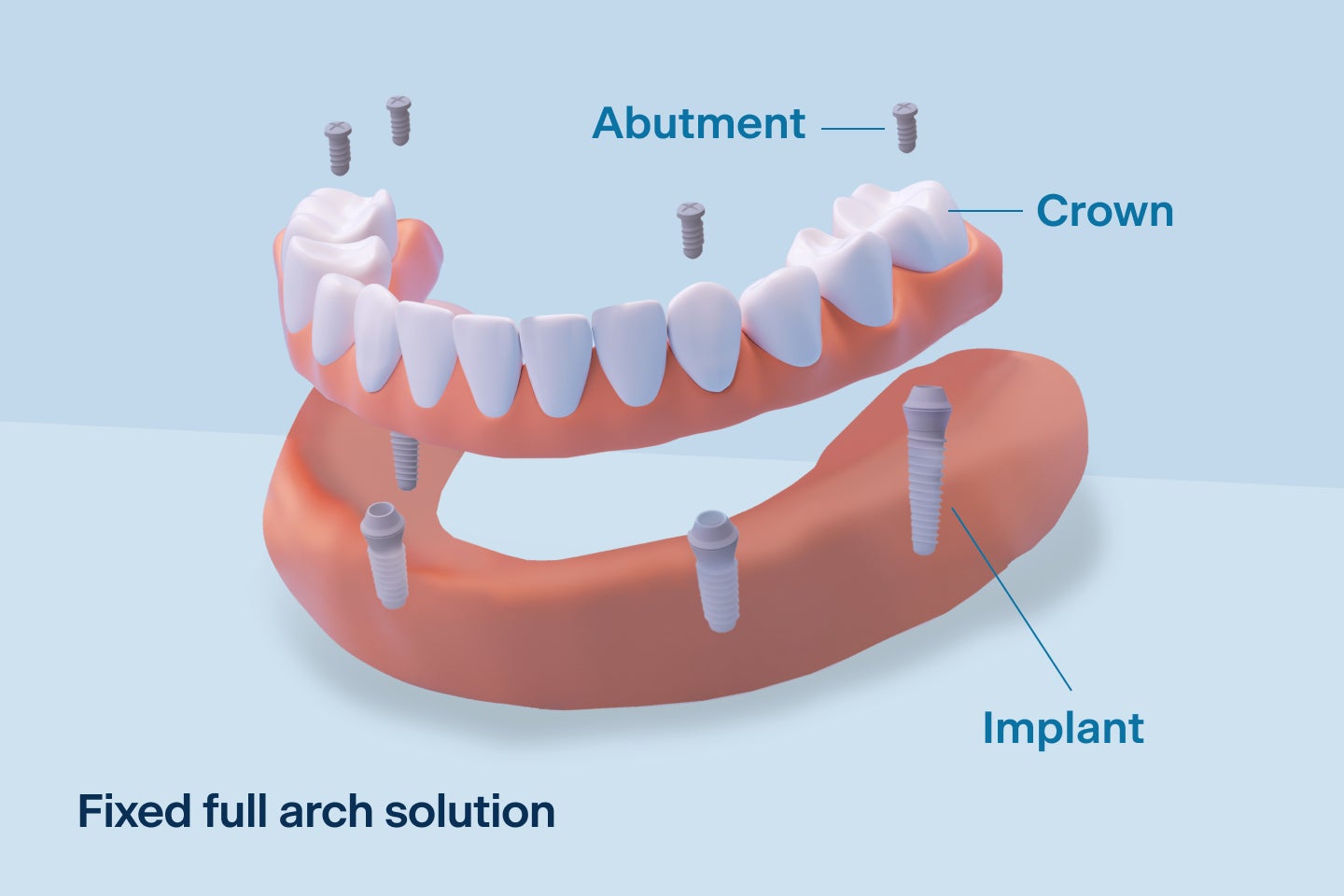
Clear Choice dental implants represent one of the most recognized brand-name solutions for full-mouth teeth replacement, utilizing a same-day "all-on-four" protocol. Navigating the true financial commitment requires looking beyond baseline estimates to understand surgical components, anesthesia fees, permanent prosthesis fabrication, and regional variations in 2026. Because Clear Choice operates dedicated treatment centers housing both restorative dentists and oral surgeons under one roof, their pricing structure reflects an all-inclusive concierge model rather than piecemeal clinical billing.
Breakdown of Clear Choice Implants Cost Structures
Evaluating the expense of full-arch restoration demands a granular examination of what is included in the fee schedule. Unlike traditional dental practices that bill separately for extractions, bone reshaping, implant placement, and final fixed bridges, Clear Choice centers typically quote a comprehensive package price.
- Single Arch Restorations: Replacing an entire upper or lower arch generally ranges from $25,000 to $30,000 per jaw, depending on bone density, required extractions, and material selection for the permanent teeth.
- Dual Arch Restorations: Treating both the upper and lower jaws simultaneously scales the total investment between $50,000 and $60,000, occasionally qualifying for bundled administrative or surgical discounts.
- Preliminary Diagnostics: Advanced 3D cone-beam computed tomography (CBCT) scans, digital impressions, and virtual surgical planning are typically bundled into the initial treatment consultation fee, which may range from free to $150 depending on regional promotional structures.
- Sedation Administration: Intravenous (IV) sedation managed by certified nurse anesthetists or dental anesthesiologists adds between $1,000 and $2,500 per surgical session if not fully integrated into the baseline quote.
Comparative Cost Analysis of Full-Mouth Solutions
Understanding how Clear Choice pricing compares to alternative full-mouth rehabilitation pathways ensures informed financial planning. The following table contrasts Clear Choice with traditional private practice multi-stage implants and removable implant-retained overdentures.
| Treatment Pathway | Estimated Cost Per Arch | Average Treatment Duration | Primary Surgical Protocol | Prosthetic Material Quality |
|---|---|---|---|---|
| Clear Choice All-on-4 | $25,000 – $30,000 | 1 Day (Immediate Loading) | 4 Titanium Implants + Same-Day Acrylic/Zirconia Hybrid | High-grade acrylic reinforced with titanium or monolithic zirconia |
| Traditional Private Practice Implants | $28,000 – $35,000 | 6 to 9 Months | Staged Extractions, Healing Periods, 6 to 8 Implants | Custom porcelain-fused-to-metal or stacked zirconia |
| Implant-Retained Overdenture (Snap-In) | $12,000 – $20,000 | 3 to 6 Months | 2 to 4 Locators / Ball Attachments | Acrylic denture base with titanium housing and snap attachments |
| Traditional Removable Dentures | $2,000 – $5,000 | 4 to 8 Weeks | Zero Implants (Mucosa-Supported) | Standard acrylic and prefabricated resin teeth |
Factors Driving Price Variations Across Treatment Centers
Not every patient pays the exact same amount at a Clear Choice Dental Implant Center. Clinical complexity directly dictates the ultimate bottom line.
Surgical Complexity and Bone Grafting: Patients who have experienced long-term bone resorption may require sinus lifts for the upper jaw or localized ridge augmentation. These additional surgical procedures require specialized biomaterials and extend the healing timeline, adding $1,500 to $5,000 per arch.
Tooth Extractions and Periodontal Therapy: The presence of failing, decayed, or mobile teeth necessitates complex surgical extractions prior to implant placement. Eliminating active periodontal disease is a mandatory prerequisite to prevent peri-implantitis and ensure osseointegration.
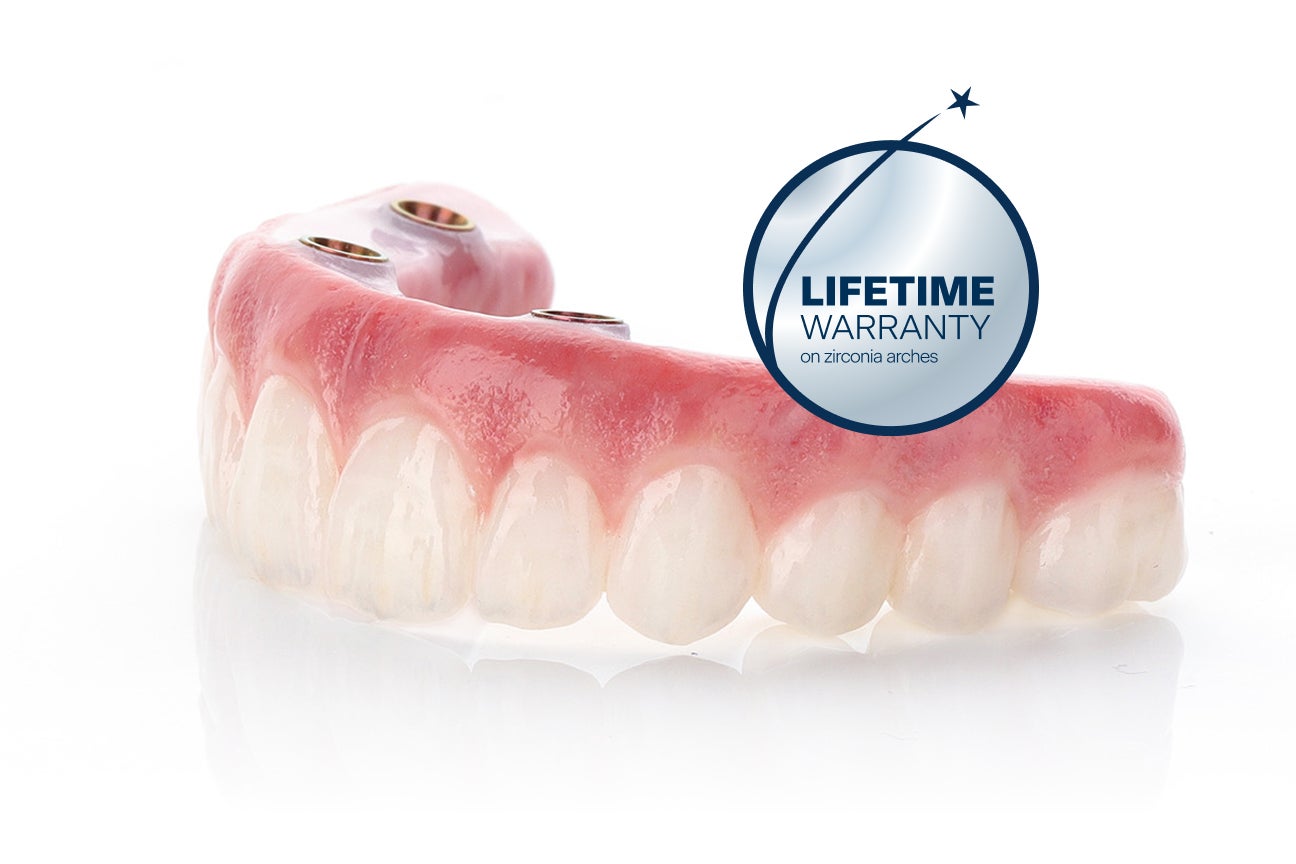
Final Prosthesis Material Upgrades: While initial same-day temporary bridges are fabricated from durable acrylic for immediate functional loading, the definitive permanent bridge installed months later can be crafted from premium monolithic zirconia. Zirconia upgrades carry higher lab fees due to milling precision and hand-staining requirements.
Financing Options and Insurance Reimbursement Realities
Navigating dental and medical insurance for full-arch implants requires careful navigation of policy exclusions. Standard dental insurance plans typically feature annual maximums capping out at $1,500 to $2,000, covering only a tiny fraction of a $30,000 procedure.
- Medical Insurance Cross-Coding: If tooth loss stems from severe trauma, congenital anomalies, or obstructive sleep apnea, specialized medical billing advocates may secure partial reimbursement for diagnostic imaging or surgical extractions under commercial health plans.
- Third-Party Medical Financing: Clear Choice centers partner with specialized healthcare lenders offering promotional zero-interest deferred-interest plans ranging from 12 to 24 months, alongside extended repayment terms stretching up to 84 months with fixed interest rates.
- Health Savings Accounts (HSA) and Flexible Spending Accounts (FSA): Pre-tax dollars accumulated in employer-sponsored health accounts can be legally allocated toward qualified dental implant surgeries, significantly reducing the effective out-of-pocket tax burden.
Pros and Cons of Choosing a Dedicated Implant Center
Advantages
- Single Location Convenience: Consultations, 3D imaging, extractions, implant placement, and laboratory adjustments occur within the exact same facility, eliminating inter-office referrals.
- Same-Day Teeth: Patients walk out of the surgical suite with a fixed, non-removable temporary smile, avoiding the psychological trauma of being edentulous during the healing phase.
- Streamlined Team Synergy: Restorative doctors and oral surgeons collaborate daily under one roof, reducing communication gaps common in fragmented dental referral networks.
Disadvantages
- Higher Overhead Pricing: Corporate-backed centers often feature higher baseline pricing structures compared to boutique, independent prosthodontic practices.
- Strict Corporate Protocols: Patients seeking highly customized, artisanal restorative aesthetics might find standardized corporate lab protocols less flexible than private master ceramists.
- Geographic Consolidation: Centers are primarily located in major metropolitan areas, requiring rural patients to travel extensively for follow-up appointments and adjustments.
Frequently Asked Questions
What is the average out-of-pocket cost for Clear Choice implants in 2026?
The average cost ranges from $25,000 to $30,000 for a single arch and $50,000 to $60,000 for a full mouth (dual arches). This fee typically encompasses extractions, sedation, implant fixtures, immediate temporary teeth, and the final permanent bridge. Exact pricing fluctuates based on localized market rates and necessary preparatory bone grafting.
Does dental insurance cover Clear Choice implants?
Standard dental insurance rarely covers the entire cost of dental implants, typically capping out at low annual maximums around $1,500 to $2,000. However, some plans may help offset the cost of necessary pre-surgical extractions or diagnostic imaging. Patients should request a pre-treatment estimate from their insurance carrier.
How long does the Clear Choice procedure take from start to finish?
The initial surgery and delivery of the fixed temporary teeth occur in a single appointment taking approximately 3 to 5 hours. Following surgery, a 4-to-6-month healing period is required for osseointegration before the permanent, high-strength zirconia bridge is permanently fitted.
Are payment plans and financing options available?
Yes, Clear Choice centers collaborate with specialized healthcare financing companies that offer flexible monthly payment plans. Options range from short-term promotional interest-free financing to long-term installment loans tailored to fit various personal budgets.
What happens if a dental implant fails to integrate?
Reputable centers like Clear Choice generally provide warranty protection covering the replacement of failed implant fixtures within specified clinical terms, provided the patient adheres strictly to post-operative maintenance and hygiene protocols. Review the specific written warranty contract during your consultation.
How do I maintain and clean my new Clear Choice teeth?
Because full-arch fixed bridges are non-removable by the patient, daily hygiene requires specialized tools like water flossers, super floss, and interdental brushes to clear debris beneath the prosthesis. Regular professional maintenance cleanings every 3 to 6 months are mandatory to prevent peri-implant bone loss.