The search for faucet covers at home improvement retailers like Lowe’s represents a critical seasonal maintenance task for homeowners. This guide focuses specifically on selecting, installing, and maintaining outdoor faucet covers—also known as hose bib covers—to prevent pipe bursts during freezing weather conditions.
The Engineering Necessity of Exterior Faucet Protection
In 2026, building standards continue to emphasize the importance of thermal insulation for exterior plumbing. An outdoor faucet, or hose bib, is the most vulnerable point in a residential water system. Because the pipe leading to the faucet extends through the exterior wall, it is susceptible to freezing temperatures. When water inside the pipe freezes, it expands, creating pressure that can lead to catastrophic pipe failure, resulting in interior flooding and costly structural damage.
Hardware stores like Lowe’s carry specific protective solutions designed to mitigate this risk. These products are engineered to trap the heat radiating from your home's interior, keeping the faucet assembly above the freezing threshold during cold snaps.
Comparing Outdoor Faucet Protection Solutions Available in 2026
Homeowners typically encounter three primary categories of protective covers at major retailers. Choosing the correct type depends on the material of your siding, the protrusion of your faucet, and the severity of your local climate.
| Cover Type | Material Composition | Best Use Case | Installation Difficulty |
|---|---|---|---|
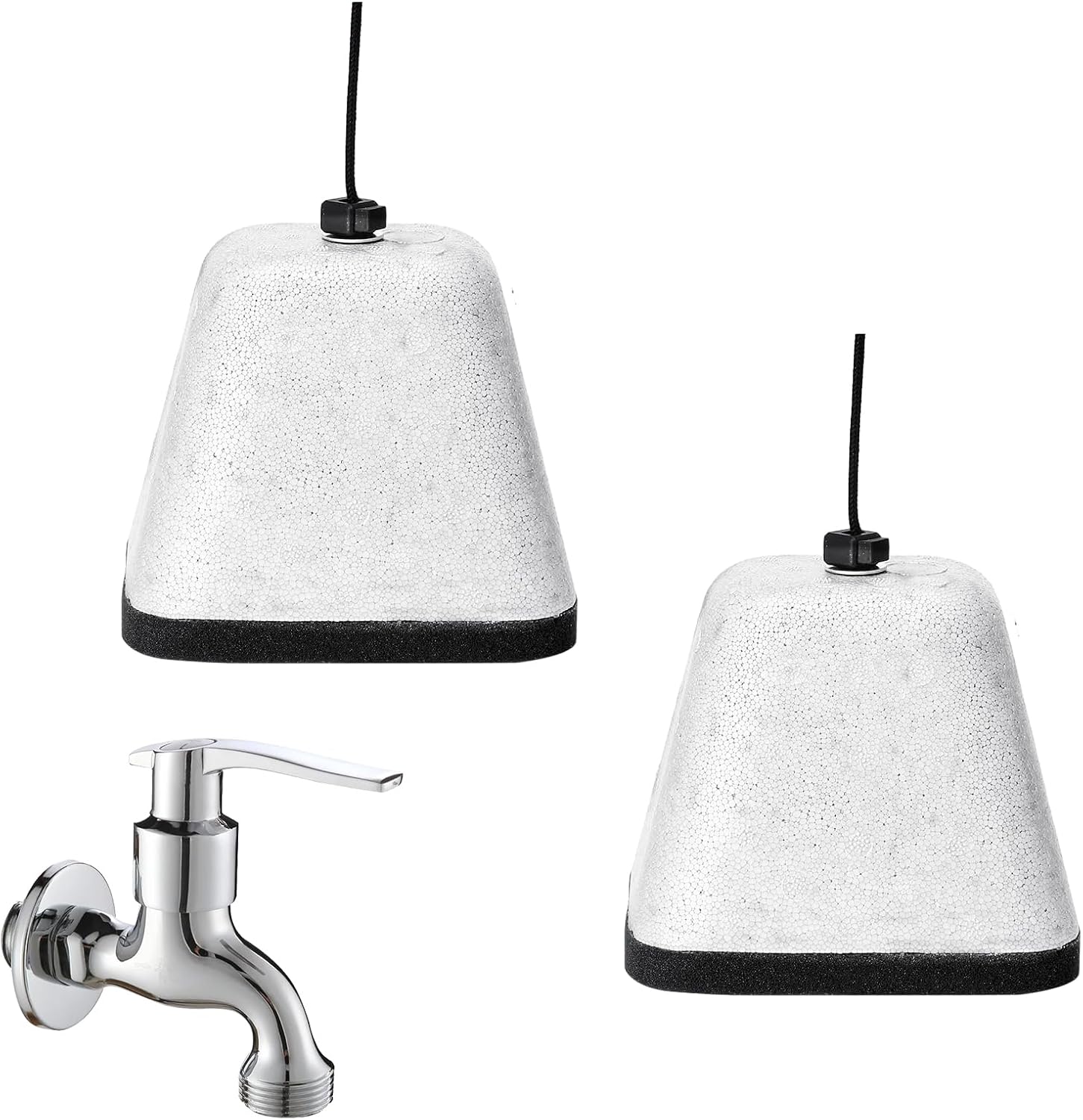
| Hard Shell Rigid Insulators | Polystyrene/Hard Plastic | Severe freeze zones | Low |
| Thermal Foam Pouch | High-Density Foam | Moderate cold climates | Very Low |
| Insulated Faucet Socks | Fabric/Fiberfill | Mild coastal winters | Minimal |
Rigid Shell Insulators
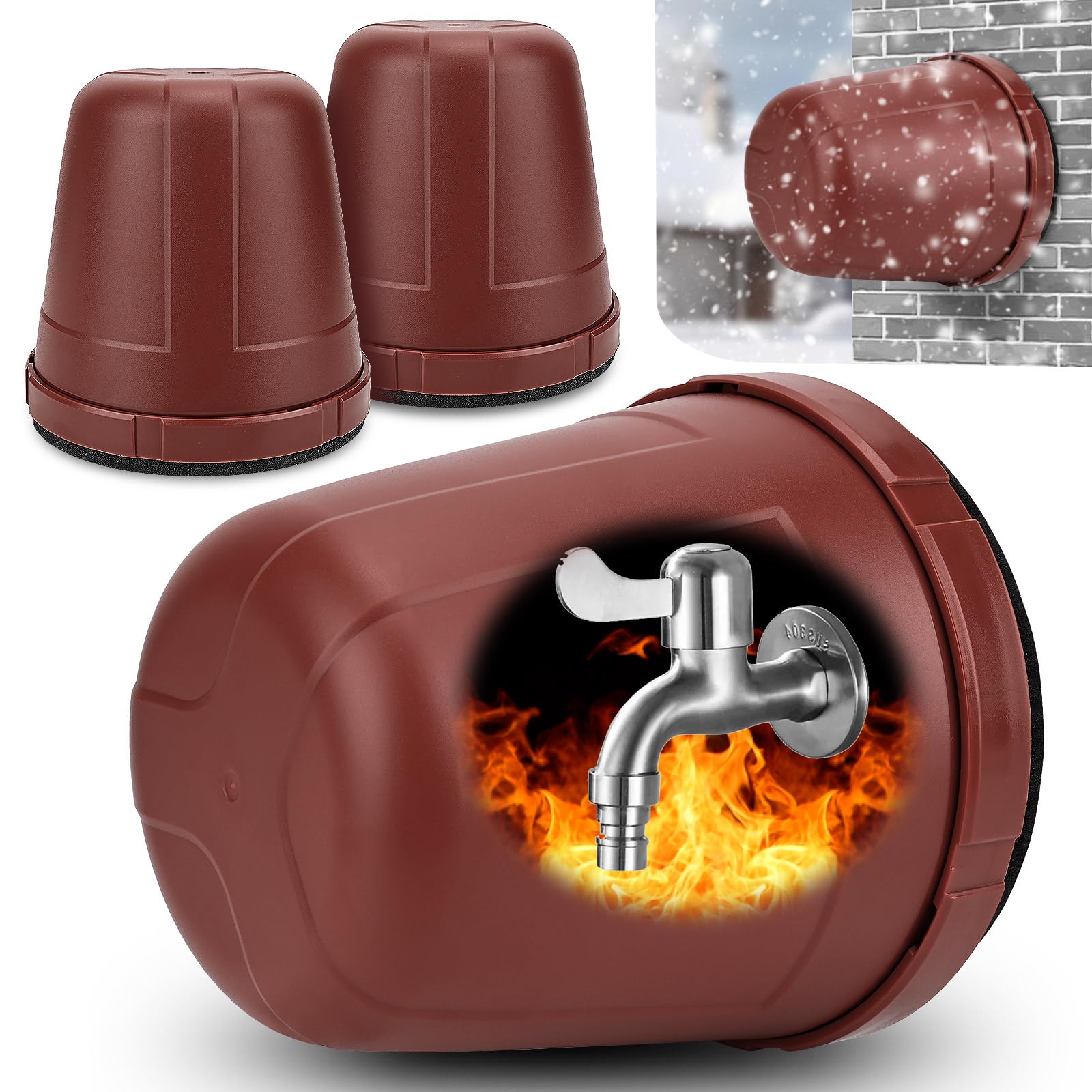
These are the gold standard for robust protection. They feature a hard, weather-resistant plastic exterior and a thick internal layer of insulating foam. In 2026, many models found at Lowe’s incorporate a compression seal that creates an airtight barrier against the masonry or siding, preventing cold air infiltration. These units are highly recommended for regions with prolonged sub-zero temperatures.
Foam Pouches and Fabric Socks
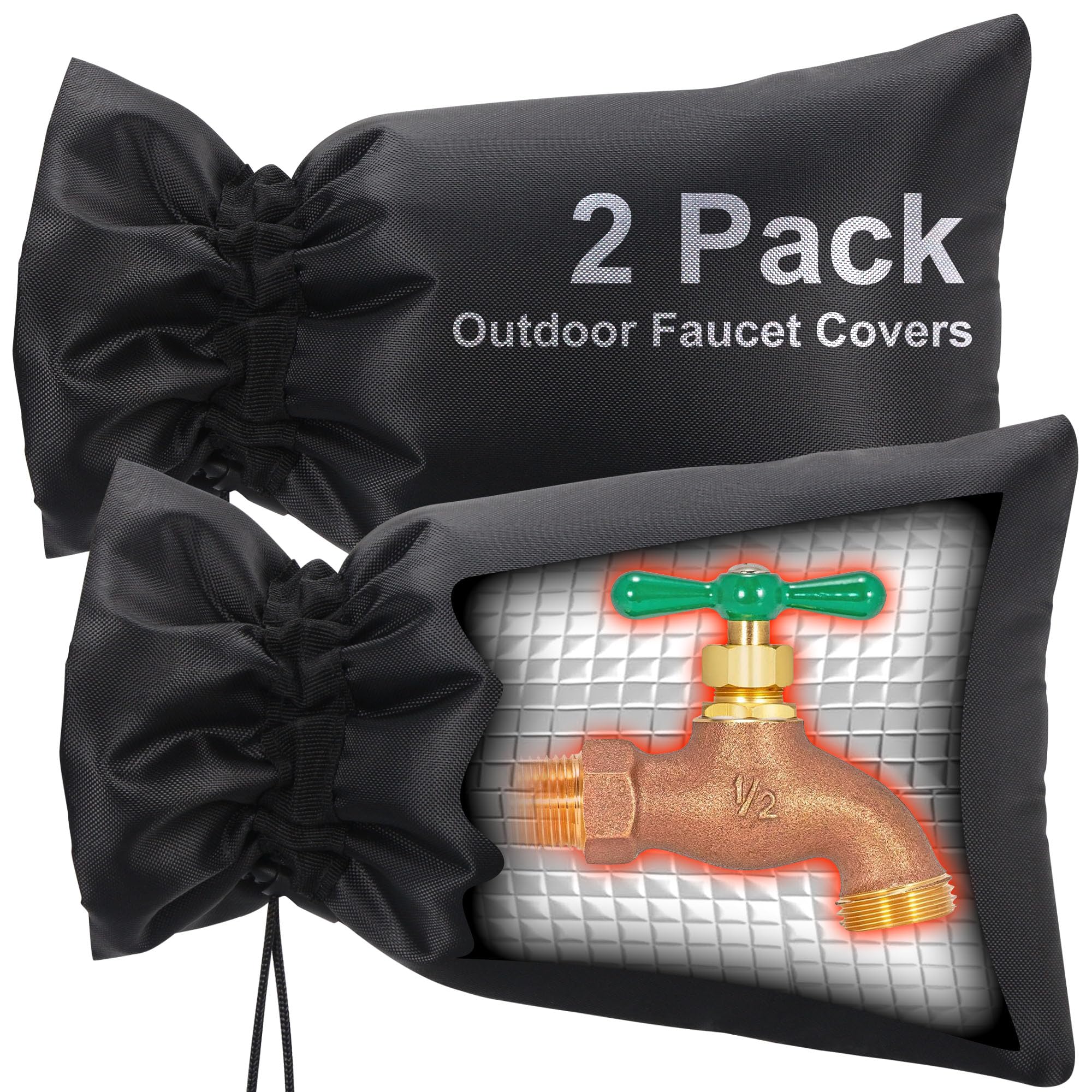
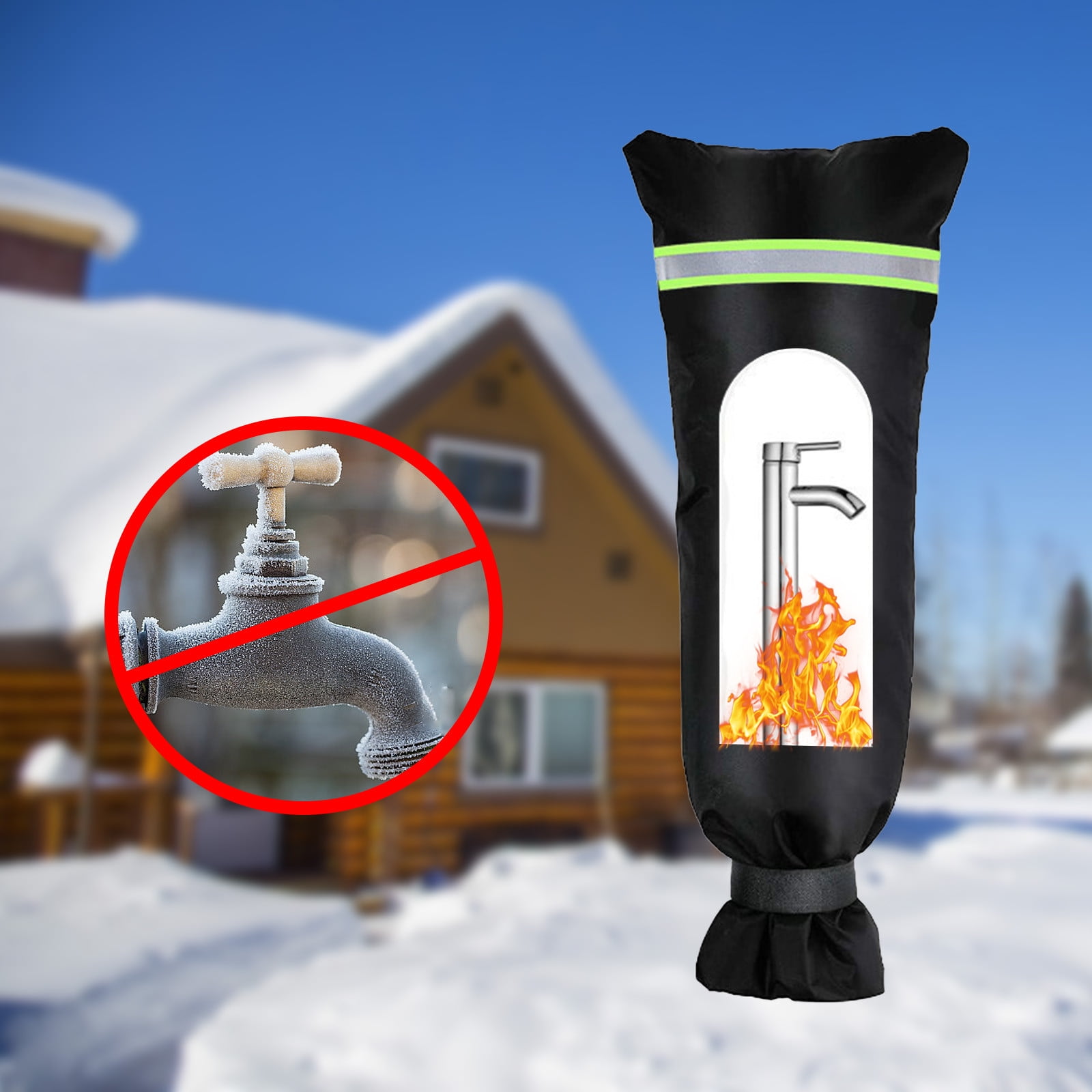
Foam pouches offer a cost-effective alternative for milder climates. They use a simple draw-string or buckle mechanism to secure the unit against the wall. While less durable than rigid shells, they are sufficient for preventing minor freezing incidents in areas where the temperature only dips below freezing for short durations.
Step-by-Step Installation Protocols for Maximum Thermal Efficiency
To ensure the efficacy of your faucet cover, you must follow a precise installation procedure. Improper installation can leave gaps, rendering the insulation useless.
- Disconnect all garden hoses and attachments. Water remaining in the hose can back-feed into the faucet and freeze, potentially damaging the internal valve mechanism.
- Inspect the faucet for existing leaks or drips. Even a minor drip can freeze, blocking the valve and increasing pressure behind the seal. If a leak is present, repair the washer or replace the packing nut before installing the cover.
- Align the gasket of the rigid cover with the wall surface. Ensure the foam seal is flush against the siding or brick. If the surface is uneven, consider applying a small bead of exterior-grade silicone sealant to create a tighter perimeter.
- Tighten the fastening mechanism until the cover is secure and immobile. If the cover can rotate or shift, it is not creating the required thermal seal.
- Perform a pressure test. Ensure that the cover remains securely in place even during high-wind events, which can strip away heat through convection if the seal is compromised.
Maintenance and Inspection Requirements
Maintenance of your outdoor plumbing components is a continuous process throughout the winter. Simply installing a cover in November is insufficient if the seal fails mid-season.
- Monthly Checks: Verify that the cover is still flush against the wall. High winds or structural settling can displace covers over time.
- Debris Clearing: Periodically check the area surrounding the base of the cover to ensure that ice dams or heavy snow accumulation are not forcing the seal open.
- Seasonal Removal: Once the threat of hard freezes has passed in the spring, remove the covers. Leaving them on during warmer months can encourage condensation buildup, potentially leading to mold or accelerated oxidation of the faucet's metal components.
Addressing Common Technical Failures
Even with high-quality equipment, failures occur. Understanding the "why" behind these failures is essential for proactive maintenance.
The Compression Failure The most common point of failure for foam-based covers is the compression seal. Over time, the foam loses its elasticity and can no longer form a tight vacuum against the wall. In 2026, manufacturers recommend checking the compressibility of the foam gasket every two years. If the material does not spring back after being squeezed, it is time to replace the unit.
The Internal Valve Freeze Sometimes, even with a cover in place, the pipe inside the wall freezes. This occurs if the faucet is not a "frost-free" model. Frost-free faucets have a long stem that keeps the water shut-off valve located deep inside the warm interior of the home. If your home uses older, standard gate-style valves, you should consider installing an interior shut-off valve in the crawlspace or basement. This allows you to drain the exterior line completely, which is the only 100% effective method of preventing damage in extreme climates.
Frequently Asked Questions
Does a faucet cover guarantee my pipes will not freeze? No, a cover acts as an insulating barrier, not a heat source. While it significantly reduces the rate of heat loss, it cannot prevent freezing if the ambient temperature remains extremely low for an extended duration or if there is a pre-existing draft in the wall cavity.
Should I use silicone sealant with my faucet cover? Only if the exterior wall surface is uneven, such as rough-cut stone or textured stucco. For smooth surfaces like vinyl siding or flat brick, a high-quality rubber gasket should provide a sufficient seal without the need for adhesives.
What is the best way to handle a frozen faucet? If you suspect the faucet is frozen, do not attempt to force the handle open. Use a hairdryer or a heat lamp aimed at the area to slowly thaw the assembly. Never use an open flame, as this poses a severe fire risk and can damage the interior pipe components.
How do I know if my faucet is frost-free? Measure the length of the faucet stem. A standard faucet is short, whereas a frost-free faucet has a long, extended tube that reaches several inches into the interior wall. If you are unsure, consult a professional plumber.
Are there different sizes of covers? Yes. While most residential hose bibs follow a standard size, commercial-grade or industrial faucets may require larger, deep-well covers. Always measure the protrusion of your faucet before purchasing at the store to ensure a proper fit.
Strategic Conclusion for Homeowners
Effective property management in 2026 relies on small, consistent maintenance efforts. By selecting the correct faucet cover from your local hardware retailer and ensuring an airtight installation, you safeguard your home against the most preventable source of winter water damage. Always prioritize high-density foam seals and check for structural integrity at the start of each cold season to ensure your plumbing remains protected.