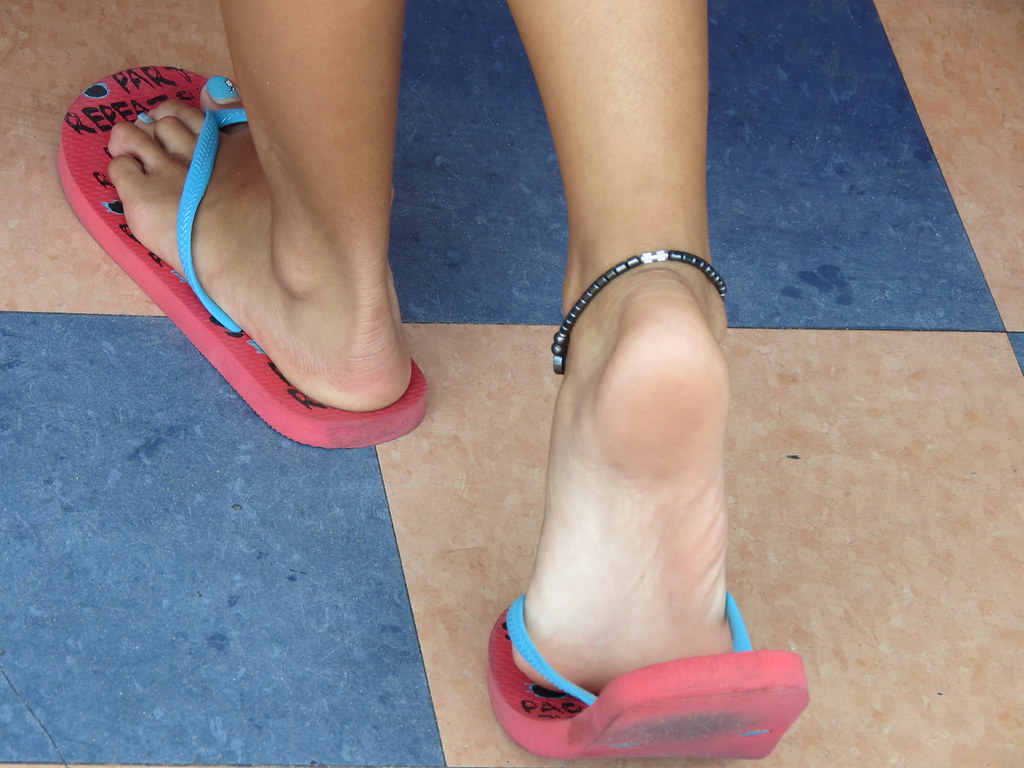
Candid foot photography refers to the practice of capturing unposed, natural images of feet in everyday environments, emphasizing authenticity over studio-controlled aesthetics. In 2026, this genre encompasses street photography, lifestyle branding, and artistic documentation, requiring a balance of technical skill, compositional awareness, and a strict adherence to local privacy laws and ethical standards.
Understanding the Appeal of Candid Aesthetics
The shift toward candid imagery in 2026 is driven by a broader cultural desire for realism. Unlike traditional studio photography, which relies on heavy retouching and rigid posing, candid foot photography captures the subject in their natural element—walking on a beach, resting in a park, or navigating urban environments. This approach highlights the textures of the skin, the interaction with different surfaces, and the organic movement of the body.
For photographers, the challenge lies in the lack of control. You cannot adjust the lighting of the sun or ask a stranger to reposition their foot without breaking the "candid" nature of the shot. This necessitates a high degree of "the decisive moment"—a concept popularized by Henri Cartier-Bresson—where the photographer must anticipate movement and light to capture a fleeting, perfect frame.
The Legal Framework of Photography in Public Spaces
As of 2026, the legalities surrounding candid photography remain centered on the "reasonable expectation of privacy." While laws vary significantly by jurisdiction, certain universal principles apply to photographers capturing candid subjects.
Public vs. Private Property
In most democratic nations, including the United States, United Kingdom, and much of the European Union, individuals do not have a reasonable expectation of privacy when they are in a public space. This includes sidewalks, public parks, and beaches. Consequently, photographers generally have the legal right to take photos of anything in plain view.
However, "plain view" has limits. Using specialized equipment to look under clothing or capturing images in areas where privacy is expected (such as public restrooms or through the windows of a private residence) is strictly prohibited and often classified as a criminal offense.
Commercial vs. Editorial Use
The intended use of the photograph dictates the legal requirements for model releases.
- Editorial/Artistic Use: Generally, images taken in public can be displayed in galleries, sold as art, or used in news reporting without a model release.
- Commercial Use: If a candid photo of someone’s feet is used to sell a product (e.g., in an advertisement for sandals or skin cream), a signed model release is mandatory. In 2026, even social media accounts that are monetized or used for brand promotion are often categorized as commercial, making consent vital to avoid litigation.
For more detailed information on photographer rights, the Reporters Committee for Freedom of the Press provides comprehensive guides on privacy limitations.
Ethical Considerations and the Concept of Consent
Legal right does not always equate to ethical correctness. The "candid feet" niche frequently intersects with personal sensitivities. Ethical creators in 2026 prioritize the dignity of their subjects and follow a self-imposed code of conduct to ensure their work remains respected within the professional community.
The Ethics of "Street" Candids
Many street photographers argue that asking for permission destroys the authenticity of the moment. While true, many modern practitioners adopt a "shoot first, ask later" policy. After capturing a compelling candid shot, they approach the subject, show them the image, and offer to delete it if the person is uncomfortable. This builds rapport and often results in a signed release that allows for broader use of the image.
Vulnerable Populations
Ethical photography strictly avoids taking candid images of children or individuals in vulnerable states (e.g., sleeping, distressed, or impaired). In the context of foot photography, this extends to ensuring the imagery is not voyeuristic. If the composition feels intrusive rather than artistic, it likely crosses an ethical boundary.
Technical Mastery for Candid Subjects
Capturing sharp, well-exposed images of feet in motion requires specific technical configurations. Because the subject is often low to the ground and moving, the photographer must adapt their gear and settings accordingly.
Lens Selection and Focal Lengths
- Telephoto Lenses (85mm to 200mm): These are preferred for true candid work. They allow the photographer to remain at a distance, ensuring the subject remains unaware and the scene stays natural. Telephoto lenses also provide a shallow depth of field, which helps isolate the feet from a busy background.
- Wide-Angle Lenses (24mm to 35mm): These are used for "environmental candids," where the goal is to show the feet in relation to a vast landscape or architecture. This requires getting much closer to the subject, which is harder to do without being noticed.
Camera Settings for Spontaneous Movement
To avoid motion blur, a fast shutter speed is essential. Even when a person is walking slowly, their feet move quickly through the frame.
- Shutter Speed: Minimum 1/500s for walking; 1/1000s or higher if the subject is running or playing sports.
- Aperture: f/2.8 or f/4 is ideal for creating "bokeh" (background blur), though f/5.6 may be safer to ensure both feet remain in focus if they are at different distances from the lens.
- ISO: Use Auto-ISO with a ceiling (e.g., 3200 or 6400) to maintain high shutter speeds in changing light conditions.
- Focus Mode: Continuous Autofocus (AF-C) with "Subject Tracking" or "Eye/Face Detection" (many modern cameras in 2026 have specific modes for tracking limbs or extremities).
Silent Shutter and Discretion
Modern mirrorless cameras offer electronic shutters that are completely silent. This is a game-changer for candid photography, as the "click" of a mechanical shutter often alerts the subject, ending the candid moment immediately.
Aesthetic Elements and Compositional Techniques
A high-quality candid foot photograph is more than just a snapshot; it utilizes classical art principles to tell a story.
- Textures and Contrast: The juxtaposition of soft skin against harsh surfaces—like cracked pavement, jagged rocks, or coarse sand—creates visual interest.
- Leading Lines: Use elements in the environment, such as shadows, floor tiles, or the edge of a shoreline, to lead the viewer’s eye toward the feet.
- Framing: Naturally occurring frames, such as the space between chair legs or the arch of a doorway, can add depth and context to the image.
- Color Theory: In 2026, many photographers use "analogous" color schemes (colors next to each other on the color wheel) to create a sense of calm, or "complementary" colors (like blue water against orange sand) to make the subject pop.
Comparison: Candid vs. Studio Foot Photography
| Feature | Candid Foot Photography | Studio Foot Photography |
|---|---|---|
| Control | Low; reliant on natural light and environment. | High; full control over lighting and props. |
| Authenticity | High; captures real movement and imperfections. | Low; often highly polished and idealized. |
| Legal Requirement | Variable; releases needed for commercial use. | Mandatory; model releases are standard. |
| Equipment | Portable; telephoto lenses and mirrorless bodies. | Heavy; strobes, softboxes, and macro lenses. |
| Primary Goal | Storytelling and documenting realism. | Commercial appeal and aesthetic perfection. |
| Difficulty | High; requires patience and timing. | Moderate; requires technical setup and posing. |
Commercial Viability and Stock Photography Requirements
For photographers looking to monetize candid foot photography in 2026, stock agencies remain the primary outlet. However, these platforms have strict quality and legal standards.
- Technical Quality: Images must be free of digital noise, perfectly focused, and have a high dynamic range.
- Property Releases: If the candid shot is taken on private property (e.g., a luxury resort or a private garden), you may need a property release from the owner, even if the subject is candid.
- Metadata and Tagging: Accurate SEO tagging is crucial. Keywords should include "candid," "natural," "lifestyle," and specific descriptions of the environment (e.g., "urban commute," "summer beach").
- AI Distinctions: By 2026, many platforms require creators to certify if an image is a "pure" photograph or if it has been enhanced or generated by AI. Maintaining the integrity of a "pure" candid photograph often commands a higher price point in the editorial market.
For creators interested in the professional standards of photography, the Professional Photographers of America (PPA) offers resources on best practices and business ethics.
Frequently Asked Questions
Is it legal to take candid photos of feet in public?
In most jurisdictions, yes, provided the subject is in a public place where there is no reasonable expectation of privacy. However, you must not use intrusive methods, such as hidden cameras or "upskirting," which are illegal. Local laws vary, so it is vital to research the specific regulations of your city or country.
Do I need a model release for candid foot photos?
You do not typically need a model release for artistic or editorial use (such as a photography book or a blog post). However, if you intend to sell the image to a brand for advertising or use it on a monetized platform, a model release is generally required to protect yourself from "right of publicity" claims.
What is the best lens for candid street photography?
A 70-200mm f/2.8 lens is widely considered the gold standard. It provides the reach needed to stay unnoticed and the wide aperture required for professional background separation. For a more compact setup, an 85mm prime lens is an excellent alternative.
How can I make my candid photos look more professional?
Focus on the "narrative." A photo of a foot is just a photo; a photo of a foot stepping onto a train during a rainstorm tells a story. Use post-processing software like Adobe Lightroom to enhance natural colors and textures, but avoid over-editing, as it can ruin the candid feel.
Can I sell candid foot photos as NFTs?
Yes, but the same legal rules apply. If the person in the photo is identifiable—even if only by a unique tattoo or distinct jewelry—you may face legal challenges if you sell the image for significant profit without their consent.
Practical Recommendation for Aspiring Photographers
If you are new to candid foot photography, start by practicing in "lifestyle" settings with friends or hired models who understand the candid aesthetic. This allows you to master the technical aspects—such as tracking focus on moving limbs—without the ethical and legal pressures of street photography. Once you are comfortable with your gear, move to high-activity public areas like boardwalks or city squares. Always carry a digital or physical copy of a standard model release; offering a small compensation or a copy of the final photo in exchange for a signed release is the most professional way to build a commercial portfolio while respecting the subjects you capture.