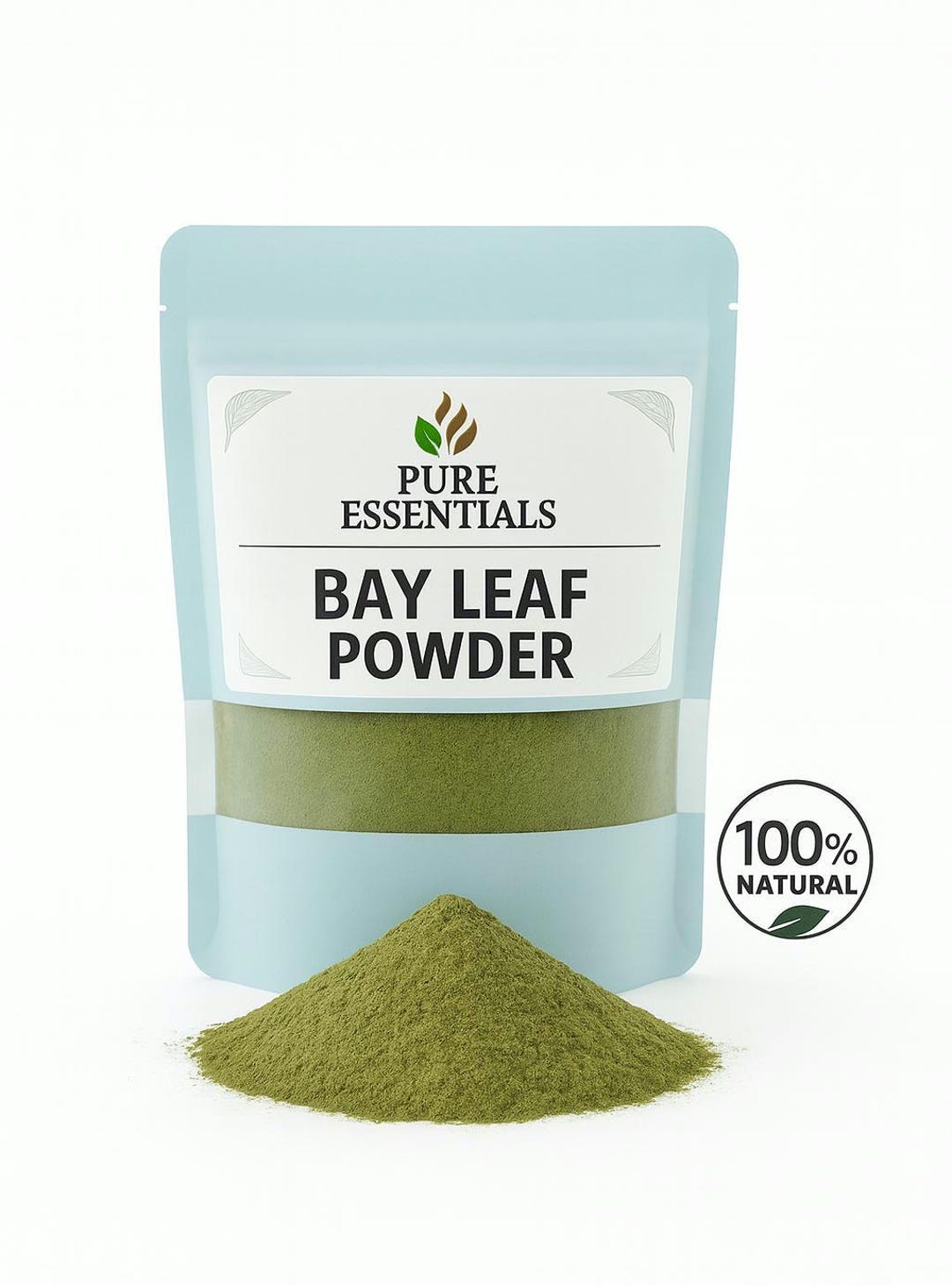
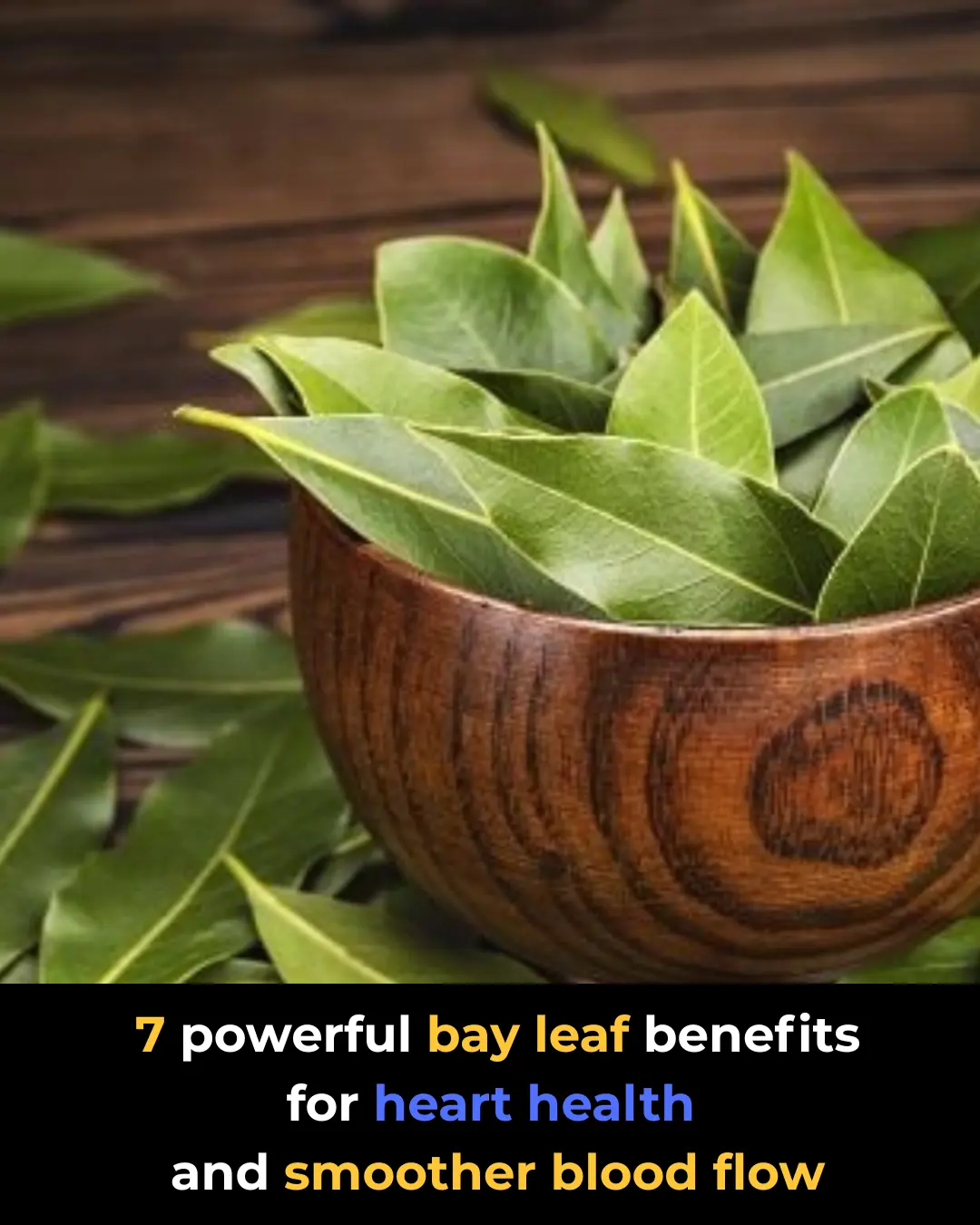
Bay leaf powder, derived from the dried aromatic leaves of the Laurus nobilis tree, has evolved from a traditional culinary seasoning into a heavily researched botanical supplement. As consumer interest in natural wellness and functional herbs continues to surge through 2026, understanding the biochemical properties, therapeutic applications, and safety parameters of bay leaf powder is vital for both clinical nutritionists and health-conscious individuals. This analysis explores the verified pharmacological profile, preparation standards, and practical integration strategies associated with bay leaf powder.
Phytochemical Composition and Pharmacological Profile
The therapeutic efficacy of bay leaf powder stems from its dense concentration of bioactive phytochemicals. Unlike whole leaves, which release their volatile compounds slowly during long braising processes, bay leaf powder delivers an immediate, concentrated dose of secondary metabolites.
The primary active constituents identified in chromatographic analyses include:
- Eucalyptol (1,8-cineole): Comprising up to 50% of the essential oil profile, this compound is primarily responsible for the distinct aromatic profile and exhibits potent anti-inflammatory and respiratory-supportive properties.
- Linalool: A terpene alcohol contributing sedative, anxiolytic, and stress-reducing characteristics.
- Eugenol: A phenylpropanoid with local anesthetic and pronounced antioxidant capabilities.
- Sesquiterpene Lactones: Compounds such as costunolide and dehydrocostuslactone, which have been studied for their cellular-protective and antimicrobial activities.
- Polyphenols: Flavonoids and tannins that scavenge free radicals and mitigate oxidative stress throughout the body.
Nutritional Matrix per Standard Serving
Consuming a standard 1-gram serving of organic bay leaf powder introduces not only these volatile oils but also trace macronutrients and essential minerals. While not consumed in quantities large enough to serve as a primary food source, its micronutrient contribution enhances its overall functional value.
| Nutrient / Compound | Approximate Concentration (per 1g serving) | Primary Physiological Function |
|---|---|---|
| Total Dietary Fiber | ~260 mg | Supports gastrointestinal motility and microbiome diversity |
| Calcium | ~8.3 mg | Contributes to bone matrix structural integrity |
| Iron | ~0.4 mg | Aids in hemoglobin synthesis and oxygen transport |
| Potassium | ~5.2 mg | Regulates cellular fluid balance and vascular tone |
| Total Phenolic Content | ~18 mg GAE (Gallic Acid Equivalent) | Neutralizes reactive oxygen species (ROS) |
Therapeutic Advantages and Clinical Evidence
Clinical nutrition research up to 2026 continues to validate several traditional uses of bay leaf powder, particularly concerning metabolic health and gastrointestinal comfort.
Metabolic Regulation and Glycemic Control
One of the most heavily researched areas involves bay leaf powder's impact on carbohydrate and lipid metabolism. Controlled trials involving individuals with type 2 diabetes suggest that daily supplementation ranging from 1 to 3 grams of bay leaf powder can significantly support healthy fasting blood glucose levels and improve lipid profiles by reducing low-density lipoprotein (LDL) cholesterol and triglycerides. The presence of potent antioxidants helps protect pancreatic beta-cells from oxidative damage, thereby optimizing endogenous insulin secretion.
Gastrointestinal Support and Enzyme Activation
In traditional herbalism, bay leaves were utilized as a carminative to relieve abdominal distension and gas. Ground bay leaf powder acts directly upon the digestive tract by stimulating the secretion of gastric juices and digestive enzymes. This enhancement in enzymatic output accelerates protein breakdown and nutrient assimilation, reducing postprandial discomfort, bloating, and spasmodic cramping.
Anti-Inflammatory and Joint Mobility Benefits
The synergy between eugenol and eucalyptol provides systemic anti-inflammatory actions by inhibiting the cyclooxygenase (COX-2) and 5-lipoxygenase (5-LOX) pathways. Regular integration of bay leaf powder into dietary protocols has been correlated with a reduction in systemic inflammatory markers such as C-reactive protein (CRP), offering relief for individuals managing mild joint stiffness and chronic musculoskeletal discomfort.
Evaluating Advantages and Limitations
Like any potent botanical supplement, bay leaf powder presents a distinct set of therapeutic benefits alongside specific contraindications that require careful management.
| Parameter | Advantages (Pros) | Limitations and Risks (Cons) |
|---|---|---|
| Metabolic Impact | Supports balanced blood glucose and improves lipid panels. | May interact synergistically with pharmaceutical hypoglycemic drugs, risking hypoglycemia. |
| Digestive Health | Enhances enzymatic output and relieves chronic bloating. | Excessive intake can irritate the gastric mucosa in sensitive individuals. |
| Antioxidant Supply | Delivers concentrated polyphenols to combat oxidative stress. | Volatile compounds degrade rapidly if exposed to heat, light, and humidity. |
| Versatility | Easily integrated into capsules, teas, and culinary spice blends. | Strong, pungent flavor profile can easily overpower recipes if overdosed. |
Practical Implementation and Culinary Integration
Maximizing the efficacy of bay leaf powder requires strict adherence to proper sourcing, storage, and dosing protocols. Because commercial spice powders can adulterate botanical integrity, consumers must prioritize certified organic, non-irradiated variants packaged in opaque, airtight containers.
Dosage and Administration Guidelines
- Culinary Dosing: Begin with 1/4 teaspoon per day mixed into soups, stews, dry rubs, or bone broths to gauge personal digestive tolerance.
- Therapeutic Dosing: Clinical protocols typically utilize 1 to 2 grams daily, often split into two equal doses, taken with meals to minimize potential gastric irritation.
- Encapsulation: For individuals who dislike the robust, bitter flavor profile, food-grade vegetarian capsules can be filled with precise 500 mg measurements.
DIY Preparation of Fresh Bay Leaf Powder
Preparing bay leaf powder at home ensures purity and maximum retention of volatile oils:
- Select fresh, unblemished leaves of Laurus nobilis (ensure they are not toxic ornamental varieties such as Prunus laurocerasus).
- Clean thoroughly and dry the leaves completely using a food dehydrator set to 95°F (35°C) until brittle.
- Pulse the dried leaves in a clean, dedicated spice grinder or electric coffee mill until reduced to an ultra-fine powder.
- Pass the milled powder through a fine-mesh sieve to remove any remaining coarse fibers.
- Store the finished powder in a dark glass jar equipped with an airtight seal in a cool, dry environment. Shelf life under these conditions is approximately six months.
Safety Precautions and Potential Contraindications
While natural, bay leaf powder possesses potent pharmacological properties that warrant caution in specific populations:
- Pregnancy and Lactation: High medicinal doses should be avoided during pregnancy due to the risk of uterine stimulation from volatile oils.
- Surgical Procedures: Because bay leaf constituents can influence blood coagulation and glucose levels, supplementation should be discontinued at least two weeks prior to scheduled elective surgeries.
- Allergic Sensitivities: Individuals with known sensitivities to the Lauraceae family should perform a patch test or consult an allergist before internal consumption.
Frequently Asked Questions
What are the primary health benefits of bay leaf powder?
Bay leaf powder primarily supports healthy blood glucose regulation, improves lipid profiles, enhances digestive enzyme output, and delivers systemic anti-inflammatory benefits via active compounds like eucalyptol and eugenol. These phytochemicals work synergistically to reduce oxidative stress throughout the body.
How much bay leaf powder should I consume daily?
A standard culinary and mild therapeutic dose ranges between 1/4 to 1/2 teaspoon (approximately 1 to 2 grams) per day. Exceeding this amount without professional guidance can lead to gastrointestinal irritation or unintended interactions with prescription medications.
Can bay leaf powder lower blood sugar levels?
Yes, clinical studies indicate that regular consumption of bay leaf powder helps improve insulin sensitivity and support balanced fasting blood glucose levels. However, individuals taking diabetes medications must monitor their levels closely to prevent hypoglycemia.
Are all bay leaf powders safe to eat?
No, true bay leaf powder must be derived strictly from Laurus nobilis (sweet bay). Other ornamental varieties, such as the cherry laurel, are toxic and must never be consumed. Always purchase from reputable spice purveyors or botanical suppliers.
How should I store bay leaf powder to maintain potency?
Store bay leaf powder in an airtight, dark glass container away from direct sunlight, moisture, and heat sources. Proper sealing prevents the rapid evaporation of therapeutic volatile oils, preserving maximum flavor and biochemical efficacy.
Conclusion
Integrating bay leaf powder into a modern wellness routine bridges the gap between ancient botanical wisdom and contemporary nutritional science. By understanding its precise biochemical makeup, adhering to recommended dosing parameters, and sourcing high-quality organic material, individuals can safely harness its metabolic, digestive, and anti-inflammatory advantages. Consult a qualified clinical herbalist or integrative physician before initiating any high-dose supplementation regimen, particularly if managing chronic health conditions.