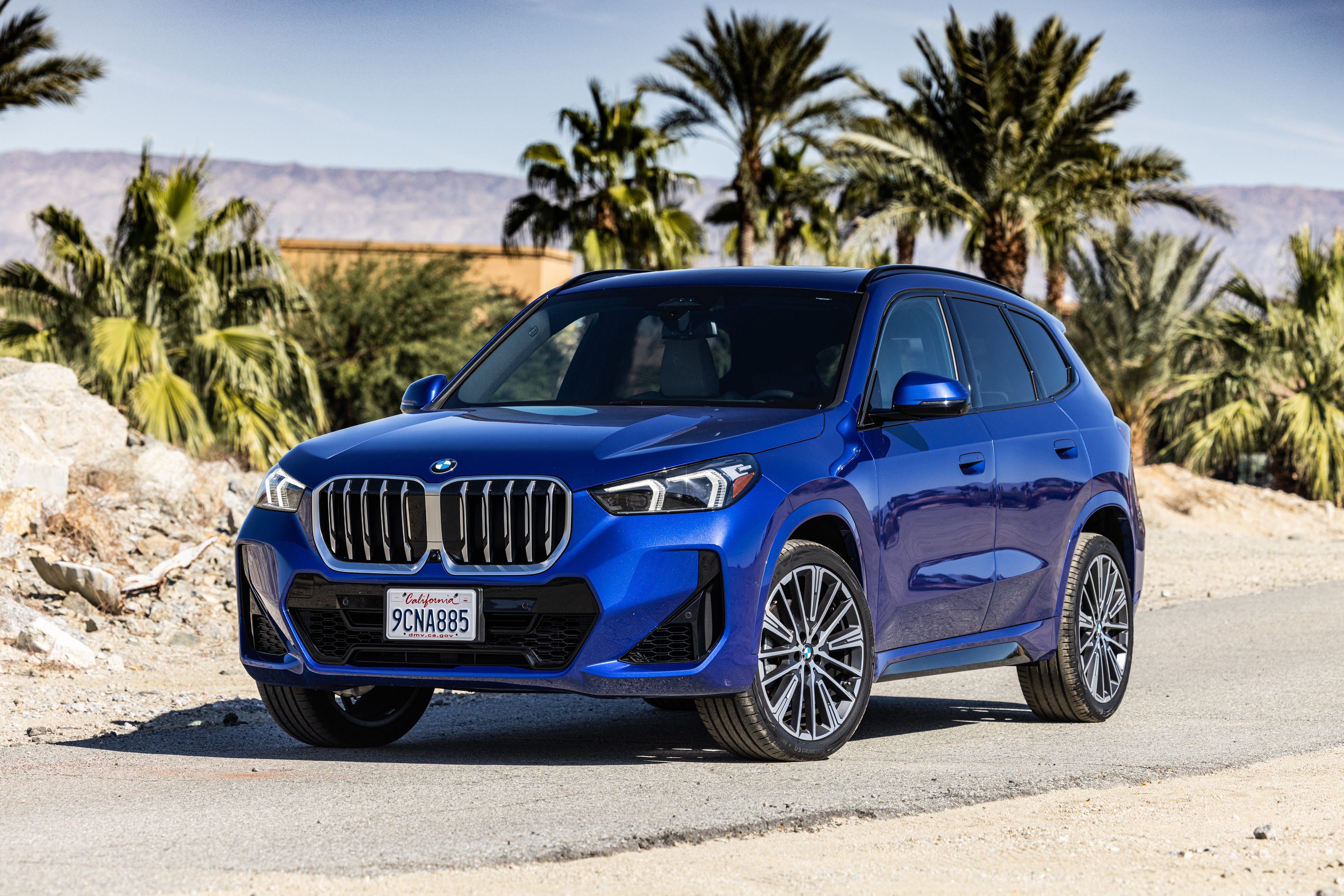
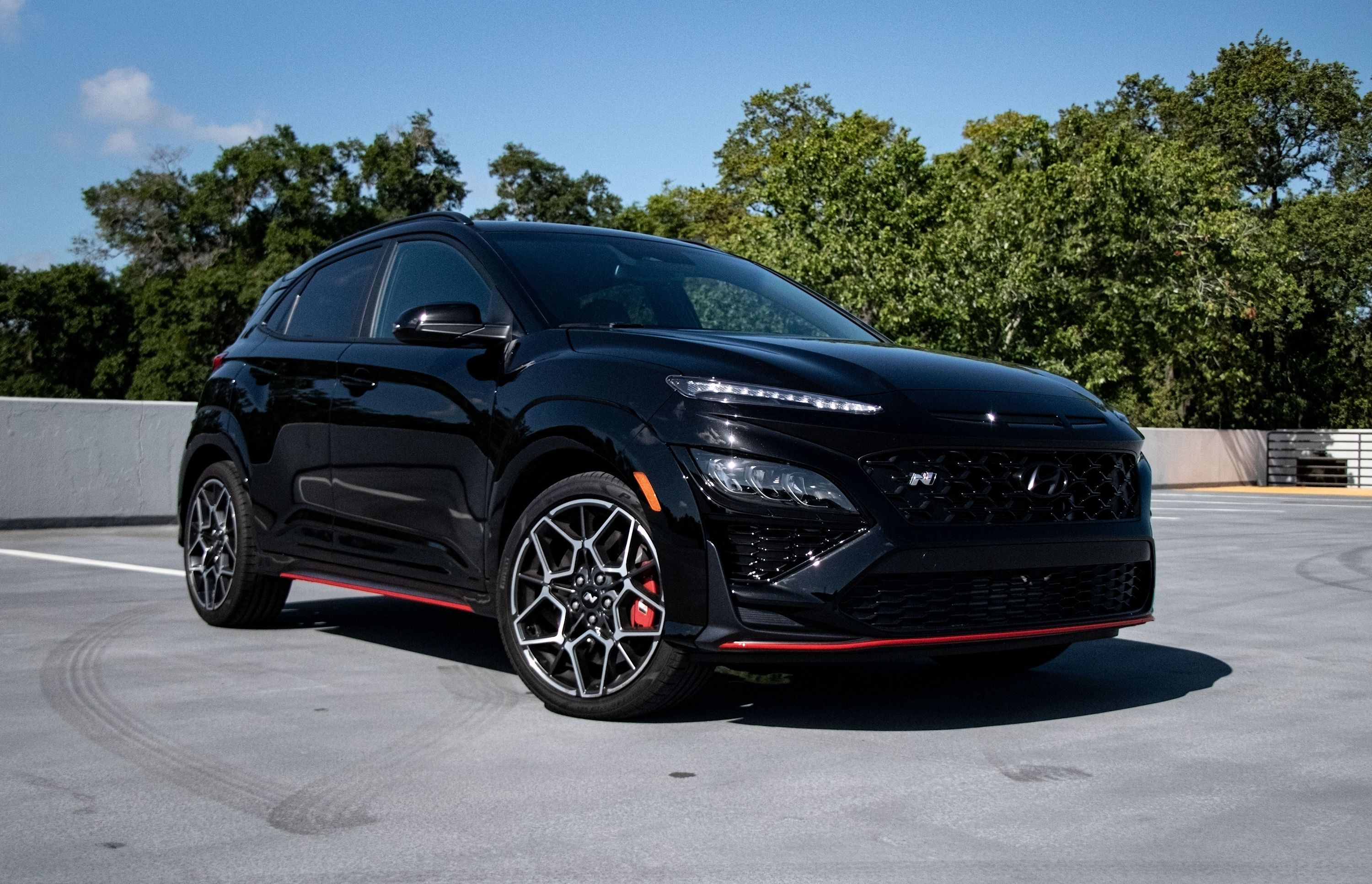
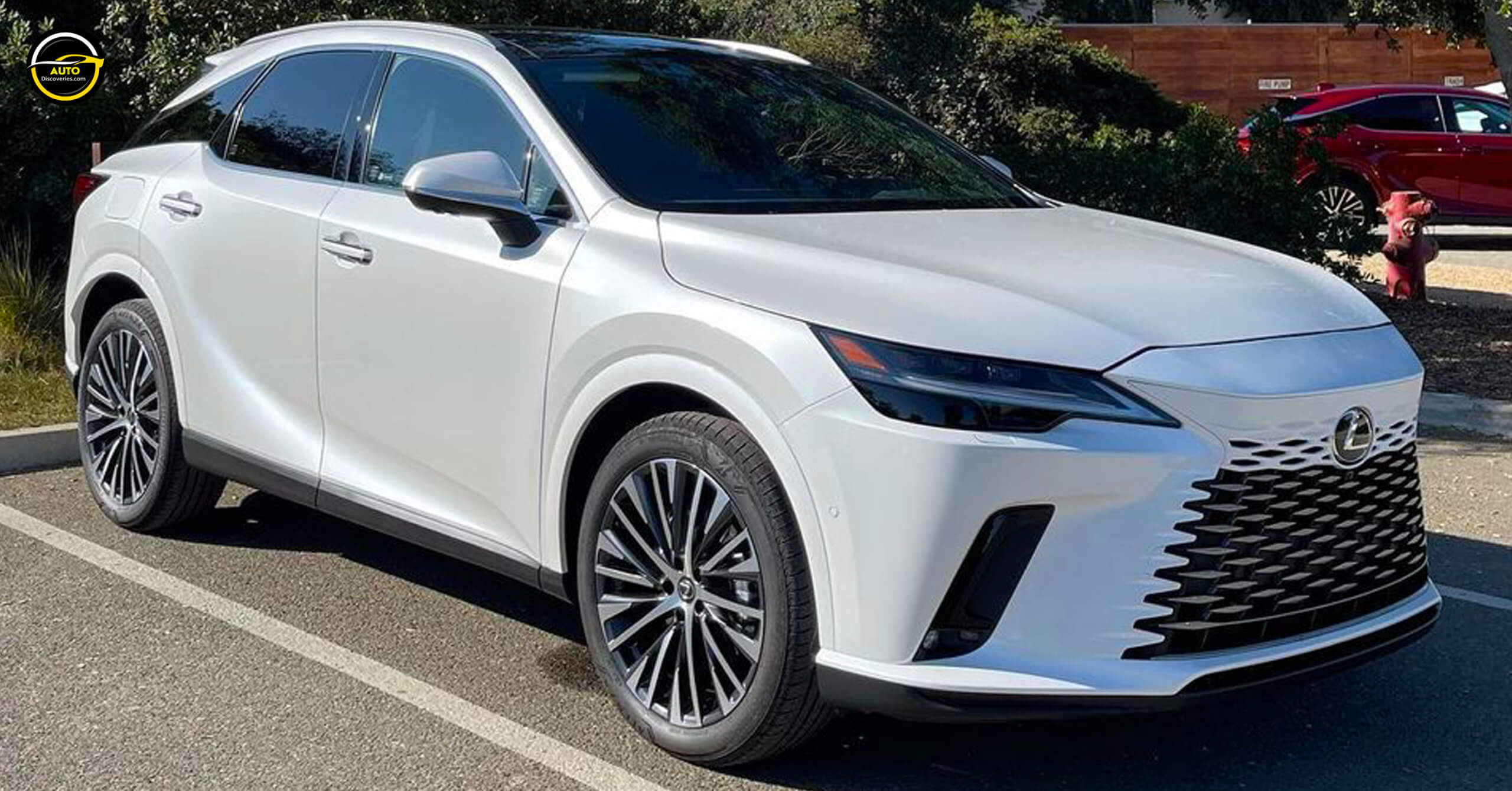
As we navigate through the automotive landscape of 2026, looking backward at the previous vehicle generation provides a clearer lens on long-term reliability, depreciation curves, and real-world performance. The 2023 crossover market represented a massive turning point for the automotive industry, balancing post-pandemic supply chain adjustments with an aggressive push toward electrification and advanced driver assistance systems (ADAS). Whether you are shopping the used market for a pre-owned model or auditing your current garage, understanding how these compact, midsize, and three-row crossovers have aged is essential for making an informed automotive investment.
Evolution of the Compact and Midsize Crossover Segment in 2023
The 2023 model year introduced significant refreshes and clean-sheet redesigns across nearly every major manufacturer portfolio. Automakers prioritized cabin technology, standardizing Apple CarPlay and Android Auto integration while expanding active safety suites like automated emergency braking, lane-keeping assist, and adaptive cruise control.
Performance metrics from this era also shifted away from heavy reliance on naturally aspirated six-cylinder engines. Instead, automakers leaned heavily into turbocharged four-cylinder powerplants and hybrid powertrains to meet stringent corporate average fuel economy standards without sacrificing the utility demanded by everyday drivers.
- Infotainment Upgrades: Shift to larger, vertically or horizontally oriented touchscreen displays ranging from 8 inches to 12.3 inches.
- Powertrain Diversification: Proliferation of turbocharged 1.5L and 2.0L blocks alongside parallel and plug-in hybrid electric vehicle (PHEV) options.
- Safety Mandates: Widespread inclusion of camera- and radar-based sensor arrays as standard equipment across base trim levels.
- Interior Packaging: Optimization of floorpans to maximize rear legroom and cargo capacity while maintaining manageable exterior footprints.
Performance, Fuel Economy, and Powertrain Engineering Standards
Analyzing the mechanical integrity of 2023 crossovers requires evaluating how their powertrains perform under daily commuting and high-mileage conditions. Traditional internal combustion engines (ICE) from this year generally utilized direct injection, which demands strict adherence to synthetic oil change intervals to prevent carbon buildup on intake valves. Meanwhile, hybrid variants demonstrated exceptional thermal efficiency, frequently achieving EPA estimates north of 35 to 40 miles per gallon in mixed driving.
| Powertrain Type | Typical Displacement | Average Fuel Economy (EPA) | Maintenance Complexity | Key Wear Component |
|---|---|---|---|---|
| Standard ICE Turbo | 1.5L - 2.0L Turbocharged I4 | 24 - 30 MPG Combined | Moderate | Turbocharger oil feed lines, spark plugs |
| Hybrid Electric (HEV) | 2.5L Naturally Aspirated + Electric Motor | 38 - 42 MPG Combined | Low-Moderate | Regenerative braking system, inverter coolant |
| Plug-In Hybrid (PHEV) | 2.5L + High-Capacity Battery Pack | 30+ MPG / 70+ MPGe | High | High-voltage battery thermal management |
| Performance V6 / Turbo | 3.0L V6 Turbo or 3.5L V6 | 19 - 24 MPG Combined | High | Timing chains, high-pressure fuel pumps |
Comparative Analysis of Top-Selling 2023 Crossover Categories
Navigating the pre-owned market in 2026 requires categorizing crossovers by their primary utility, passenger capacity, and drivetrain layout. Below is a structured comparison of the leading classes from the 2023 model year.
- Subcompact Crossovers: Ideal for urban environments, offering tight turning radii and high fuel economy, though cargo space with rear seats upright is often limited to under 25 cubic feet.
- Compact Crossovers: The sweet spot for small families, balancing 30 to 35 cubic feet of cargo capacity with car-like driving dynamics and available all-wheel-drive (AWD) systems.
- Midsize and Three-Row Crossovers: Designed for growing families or road-trippers, featuring seating for up to seven passengers, robust towing capacities ranging from 3,500 to 5,000 pounds, and upgraded suspension dampening.
Expert Buying Note: When evaluating a pre-owned 2023 model, always request the complete service history. Vehicles equipped with complex dual-clutch transmissions or early-generation hybrid software benefit immensely from manufacturer firmware updates released after their initial showroom debut.
Pros and Cons of Purchasing a 2023 Crossover in 2026
Purchasing a vehicle that has been on the road for three years offers distinct financial and mechanical advantages, alongside a few notable trade-offs regarding technology obsolescence and warranty coverage.
- Pros:
- Substantial depreciation absorption, allowing buyers to acquire well-maintained upper trim levels at a steep discount compared to MSRP.
- Proven reliability data available through consumer reporting agencies and long-term automotive teardown reviews.
- Modern safety technology that remains competitive with brand-new 2026 vehicle releases.
- Cons:
- Factory bumper-to-bumper warranties may be near expiration, shifting mechanical risk to the secondary market buyer unless a certified pre-owned (CPO) warranty applies.
- Rapid software evolution means infotainment systems may lack the wireless processing speed or graphical fidelity of newer 2026 architectures.
- Potential wear-and-tear items such as suspension bushings, brake rotors, and all-season tires may require immediate replacement.
Step-by-Step Inspection and Buying Guide
Securing a reliable 2023 crossover demands a disciplined physical and digital inspection process before signing any purchase agreement.
- Review the Vehicle History Report: Obtain a clean CARFAX or AutoCheck report to verify ownership history, confirm zero structural accident damage, and check for open manufacturer safety recalls.
- Conduct a Cold-Start Engine Evaluation: Start the vehicle cold to listen for unusual timing chain rattle, injector ticking, or abnormal exhaust smoke that could indicate neglected maintenance.
- Test All Infotainment and ADAS Features: Pair your smartphone via Bluetooth, test the touchscreen responsiveness, and verify that adaptive cruise control and lane-keep assist engage properly on an open highway test drive.
- Inspect Underbody and Suspension: Lift the vehicle or use a flashlight to check for oil seepage around the differential, transmission pan, and strut towers, ensuring no premature rubber bushing cracking exists.
- Verify Remaining Warranty Transferability: Confirm whether remaining powertrain warranties transfer to secondary owners or if purchasing an extended service contract is necessary.
Frequently Asked Questions
Are 2023 crossovers reliable for long-term ownership?
Most 2023 crossovers exhibit high reliability ratings, as manufacturers had refined their core engine and transmission platforms by this production year. Reviewing specific model forums and recall notices ensures you avoid isolated drivetrain anomalies.
What fuel economy can I expect from a 2023 compact crossover?
Standard gasoline-powered compact crossovers typically average between 25 and 30 MPG combined, while hybrid variants easily achieve 38 to 42 MPG under normal driving conditions.
Do 2023 crossovers feature standard Apple CarPlay and Android Auto?
Yes, the vast majority of 2023 crossovers included standard smartphone integration, though higher trims frequently added wireless connectivity and premium inductive charging pads.
How does the 2023 model year compare to newer 2026 releases?
While 2026 models feature minor stylistic refreshes and slightly more advanced cabin software, mechanical foundations, safety ratings, and general packaging remain largely comparable.
Is it better to buy a base trim 2023 model or a top trim 2020 model?
Purchasing a 2023 base model is generally superior due to stricter safety regulations, updated structural crashworthiness, and modern infotainment architecture compared to older model years.
Conclusion and Next Steps
Evaluating the 2023 crossover market reveals a mature, highly capable segment of vehicles that bridge the gap between affordability and modern technological convenience. By conducting thorough mechanical inspections, verifying service histories, and matching your specific driving habits to the correct powertrain, you can secure a dependable vehicle that serves your household reliably for years to come. Begin your search by test-driving top-tier trim levels in your local region to experience firsthand how these engineering standards hold up in real-world conditions.