Nestled along the eastern edge of the Cascade Range, Bend, Oregon, serves as the economic, cultural, and recreational hub of Central Oregon, offering a dynamic landscape defined by high-desert terrain, ponderosa pine forests, and the winding Deschutes River.
Introduction to Bend, Oregon
Bend, Oregon, stands as one of the Pacific Northwest’s most dynamic inland cities. Located in Deschutes County, it evolved from a modest logging settlement along the Deschutes River into a booming modern hub. Known for its distinct high-desert climate, dramatic volcanic surroundings, and proximity to the Cascade Mountains, Bend balances rugged outdoor access with a progressive urban culture.
Understanding Bend requires looking beyond its scenic reputation. The city features a complex economic profile, a rapidly evolving housing market, and specific geographic realities that shape daily life for its residents. Whether you are considering a permanent relocation, planning an extended recreational trip, or analyzing regional demographic trends, evaluating Bend requires an objective examination of its infrastructure, economy, environment, and community framework.
Geography, Climate, and Environment
The physical setting of Bend heavily dictates its lifestyle, ecological management, and economic opportunities. Situated at an elevation of approximately 3,623 feet, the city sits in a rain shadow cast by the Cascade Range.
High-Desert Climate Patterns
Bend experiences a true high-desert climate characterized by four distinct seasons, low relative humidity, and significant diurnal temperature variations.
- Winters: Cold and moderately snowy, with average daytime highs in the low 40s (°F) and overnight lows dropping below freezing. Snow accumulation varies significantly between neighborhoods and higher elevations toward Mount Bachelor.
- Summers: Warm and dry, with daytime temperatures frequently exceeding 80°F or 90°F. However, evening temperatures drop rapidly due to the arid environment, providing natural cooling.
- Precipitation: The area receives relatively low annual precipitation—averaging roughly 12 to 14 inches per year—much of which falls as snow during winter months.
Surrounding Ecosystems and Geology
The local geography is dominated by volcanic activity from the Pleistocene and Holocene epochs. Lava flows, cinder cones, and basalt cliffs shape the terrain.
- The Deschutes River: Flowing directly through the heart of the city, the river serves as both an ecological anchor and a focal point for recreation, urban planning, and water management.
- Forestlands: Ponderosa pine forests dominate the western and southern edges of the city, transitioning into sagebrush steppe and juniper woodlands as one moves east.
- Public Lands: Bend is almost entirely surrounded by the Deschutes National Forest and federal Bureau of Land Management (BLM) lands, restricting urban sprawl and protecting vast tracts of wilderness.
Economy and Industry
Historically anchored by the timber industry, Bend’s economy has undergone a massive transformation. Today, the local economy relies on tourism, outdoor recreation manufacturing, healthcare, technology, and remote work migration.
Key Economic Sectors
- Tourism and Hospitality: Millions of visitors travel to Bend annually for winter sports, summer recreation, craft brewery tourism, and destination events. This sector drives significant employment in lodging, food service, and retail.
- Healthcare: St. Charles Health System operates the largest medical center in the region, serving as a major employer and providing comprehensive healthcare infrastructure to Central Oregon.
- Outdoor Recreation and Manufacturing: Many prominent outdoor apparel, cycling, and winter sports brands maintain corporate headquarters or research and development facilities in Bend, leveraging the local testing grounds.
- Technology and Professional Services: The city attracts remote workers, software developers, and engineering firms, supported by regional initiatives like EDCO (Economic Development for Central Oregon) and local co-working incubators.
Cost of Living and Economic Challenges
Economic growth has introduced substantial economic pressures. Housing costs have risen sharply over the past two decades, outpacing regional wage growth. While median household incomes have increased due to an influx of high-earning remote workers and retirees, service-sector workers often face affordability challenges regarding housing and cost of living.
Neighborhoods and Urban Planning
Bend’s urban landscape is organized into distinct neighborhoods, each offering unique architectural styles, densities, and lifestyle appeals.
| Neighborhood | Characteristics | Primary Housing Types |
|---|---|---|
| Downtown / Old Mill District | Walkable, high-density, commercial and cultural hubs along the river. | Condominiums, townhomes, historic bungalows. |
| Westside | Established, mature trees, immediate proximity to trails and parks. | Mid-century homes, modern rebuilds, single-family houses. |
| Northwest Crossing | Master-planned, mixed-use, highly pedestrian-friendly design. | Craft-style homes, alley-loaded garages, apartments. |
| Southeast / Larkspur | Suburban feel, commercial centers, expanding residential developments. | Single-family homes, multi-family complexes. |
| Eastside | Expansive, traditional suburban layout, views of the Cascade mountains. | Ranch-style homes, acreage properties on the fringes. |
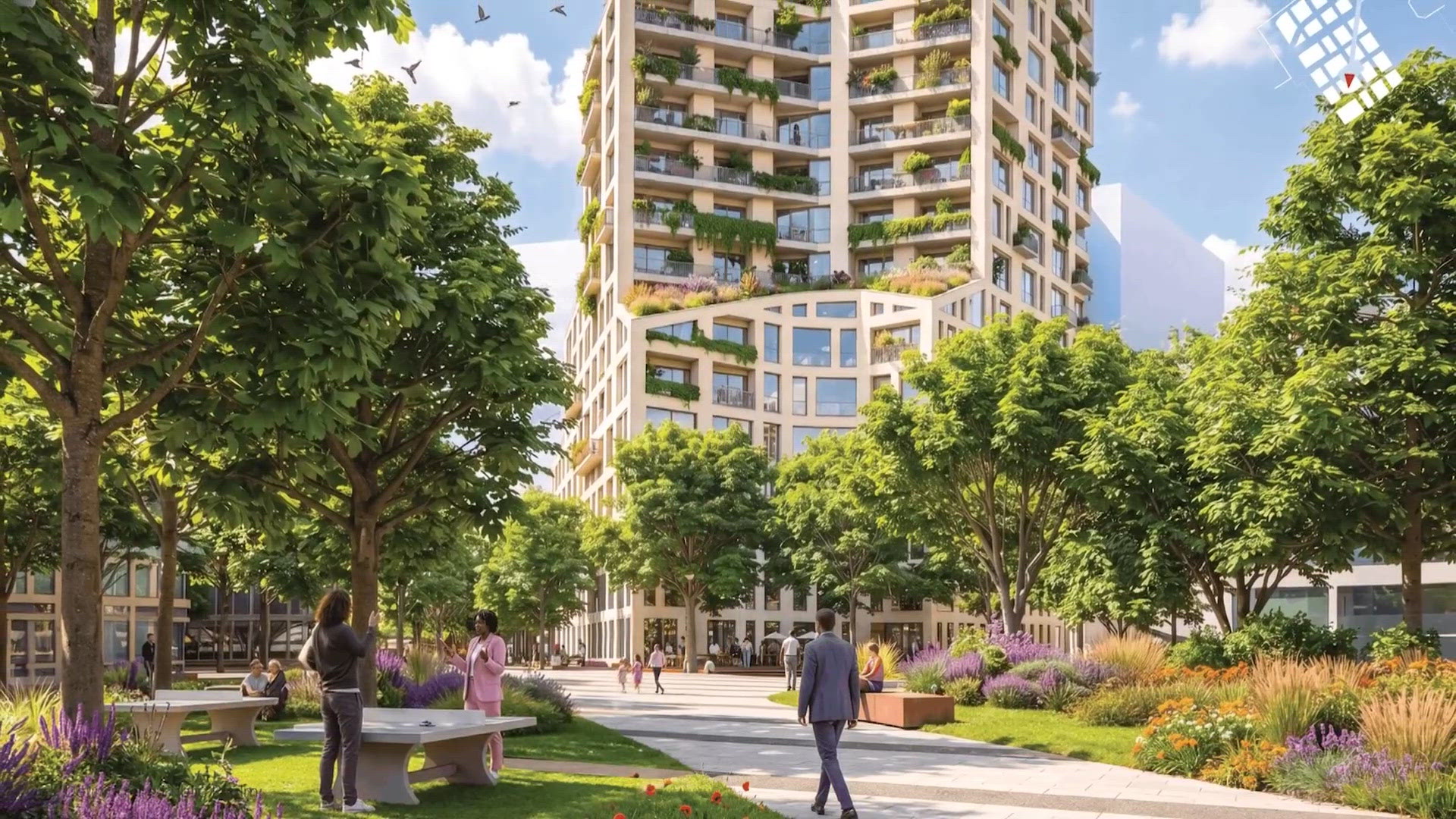
Urban growth boundaries, regulated by Oregon's statewide land-use planning program, tightly control outward expansion. This policy forces infill development and higher-density housing projects within the existing city limits, sparking ongoing community debates regarding neighborhood character, traffic management, and infrastructure funding.
Culture, Recreation, and Lifestyle
Bend is internationally recognized for its active, outdoor-centric culture. Residents and visitors engage in a wide variety of year-round pursuits supported by extensive municipal and federal infrastructure.
Winter Recreation
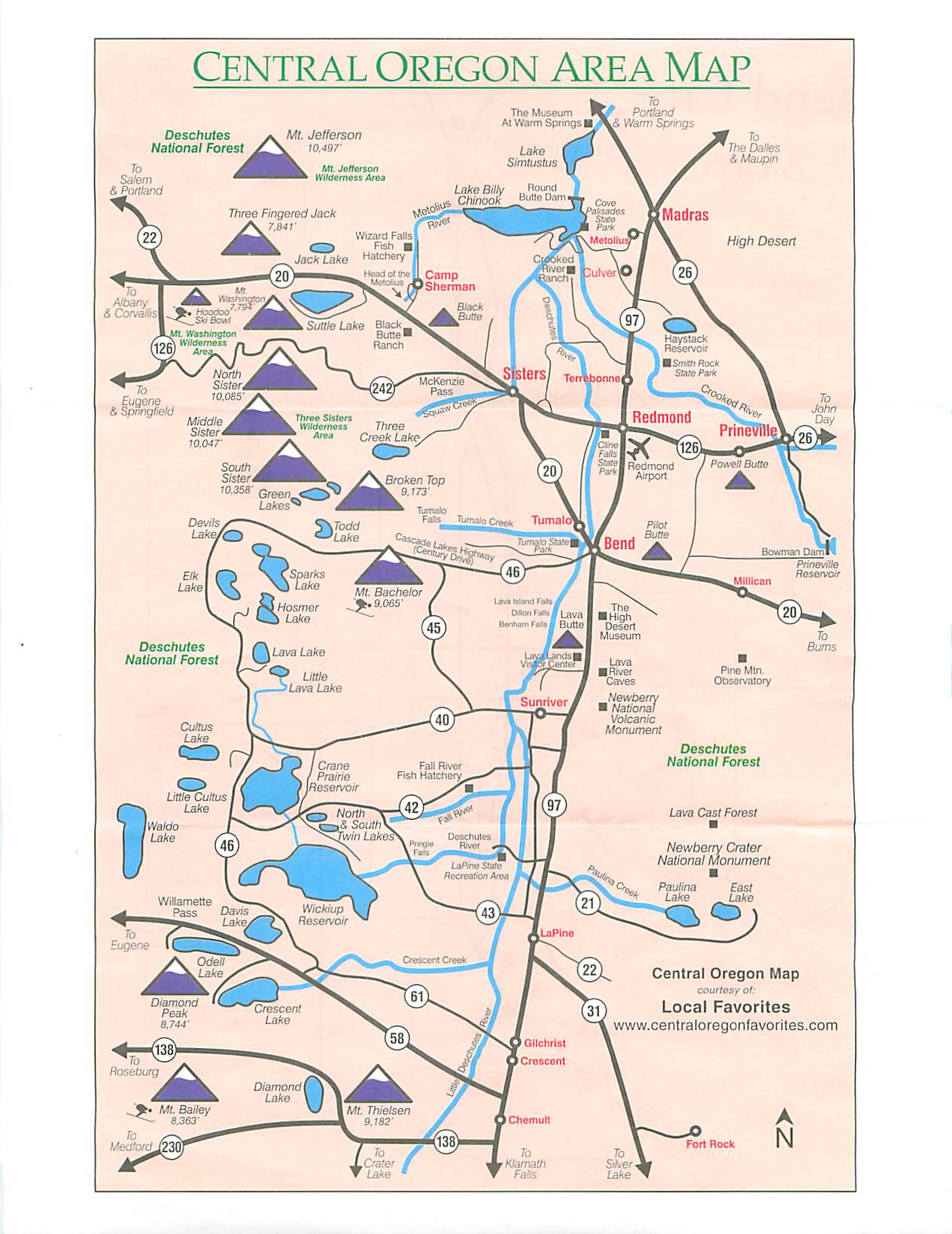
- Mount Bachelor: Located roughly 22 miles southwest of downtown, Mount Bachelor ski resort offers over 4,300 acres of lift-served terrain, a lengthy ski season extending into spring, and extensive Nordic skiing trails at the Mount Bachelor Nordic Center.
- Sno-Parks: The Cascade Lakes Highway provides access to numerous maintained sno-parks utilized for snowshoeing, cross-country skiing, and snowmobiling.
Summer and Warm-Weather Recreation
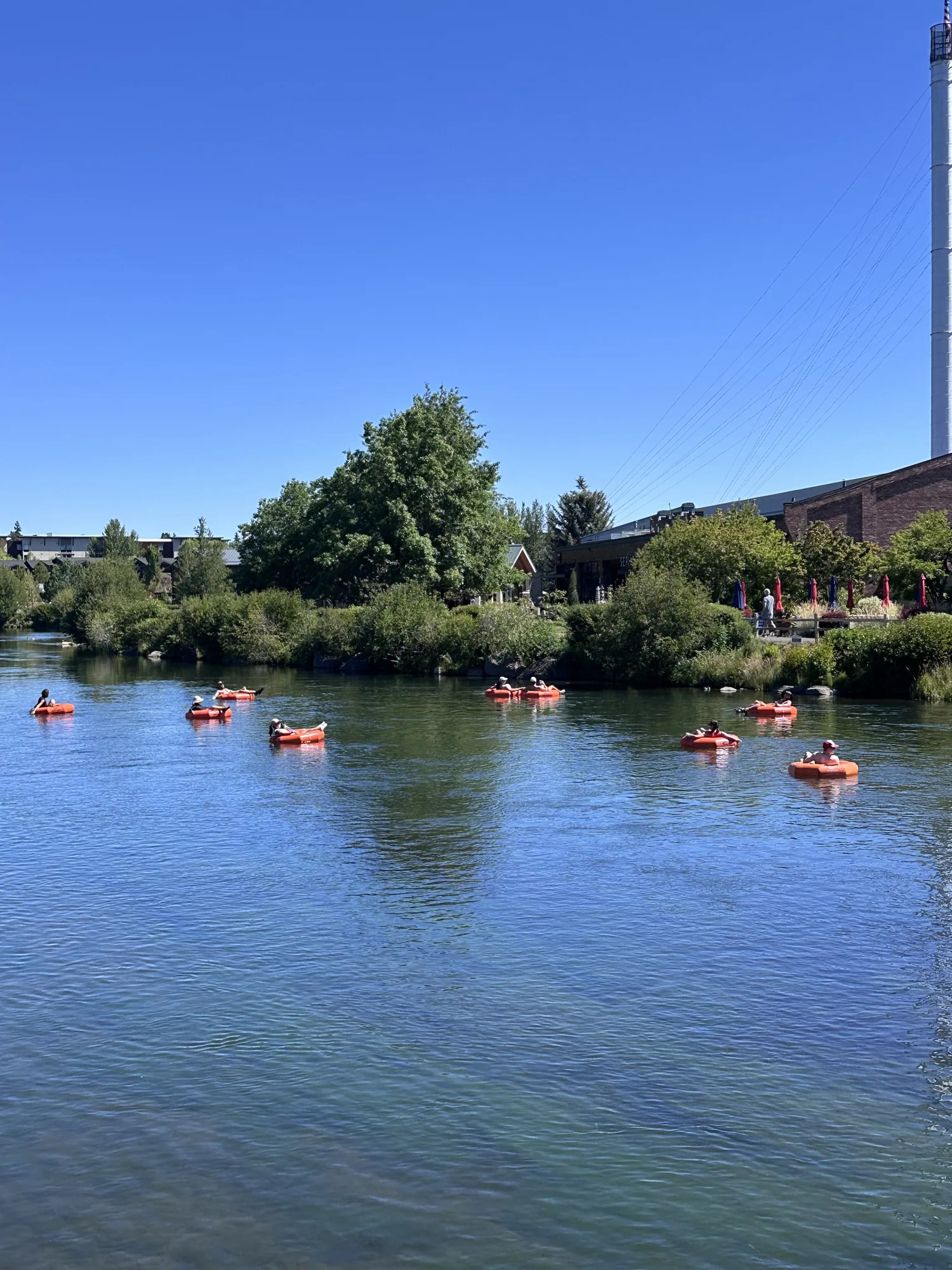
- Whitewater Paddling and Floating: The Bend Whitewater Park, located near the Old Mill District, features adjustable channels for kayakers, surfers, and rafters, while inner-tube floating on the Deschutes River is a popular summer tradition.
- Mountain Biking: A vast network of singletrack trails, including the famous Phil's Trail system, makes Bend a premier mountain biking destination in the Pacific Northwest.
- Hiking and Rock Climbing: Smith Rock State Park, located just north of Bend in nearby Redmond, is a world-renowned destination for sport climbing, while numerous trails wind through the Three Sisters Wilderness.
Culinary and Brewing Scene
Bend earned fame for its high concentration of craft breweries, anchoring the Bend Ale Trail. Beyond beer, the city features a thriving culinary scene emphasizing farm-to-table dining, food cart lots, and Pacific Northwest cuisine.
Frequently Asked Questions
What is the population of Bend, Oregon?
According to recent demographic estimates and census data, the population of Bend exceeds 100,000 residents. The city has experienced rapid population growth since the late 1990s, making it one of the fastest-growing urban areas in the state of Oregon.
Is Bend, Oregon, a good place to retire?
Bend attracts many retirees due to its active outdoor lifestyle, healthcare facilities, and scenic environment. However, prospective retirees should carefully evaluate the high cost of housing, cold winter weather, and medical specialist wait times compared to larger metropolitan areas.
How does Bend manage its water resources?
Bend relies primarily on groundwater and surface water sources, specifically Bridge Creek in the Deschutes National Forest and local deep-water wells. The city implements water conservation programs and infrastructure upgrades to manage seasonal demand and protect regional aquifers.
What are the primary public school districts serving Bend?
Public education in Bend is primarily managed by Bend-La Pine Schools, which operates numerous elementary, middle, and high schools across the city and surrounding communities. The area also features several charter schools and private educational institutions.
Does Bend have a major commercial airport?
Commercial air service is provided by Redmond Municipal Airport (RDM), located approximately 20 minutes north of Bend. RDM offers direct flights to several major West Coast hubs, connecting Central Oregon to the national transportation network.
Conclusion and Next Actions
Evaluating Bend, Oregon, requires balancing its exceptional recreational opportunities and natural beauty against economic realities like housing costs and infrastructure demands. Whether you are planning a visit, analyzing relocation logistics, or studying regional growth patterns, thorough research into specific neighborhoods, local employment markets, and seasonal climate shifts is essential. For those taking the next step toward relocation or investment, consult local municipal resources, review Deschutes County zoning guidelines, and visit the area during different seasons to fully experience high-desert living.