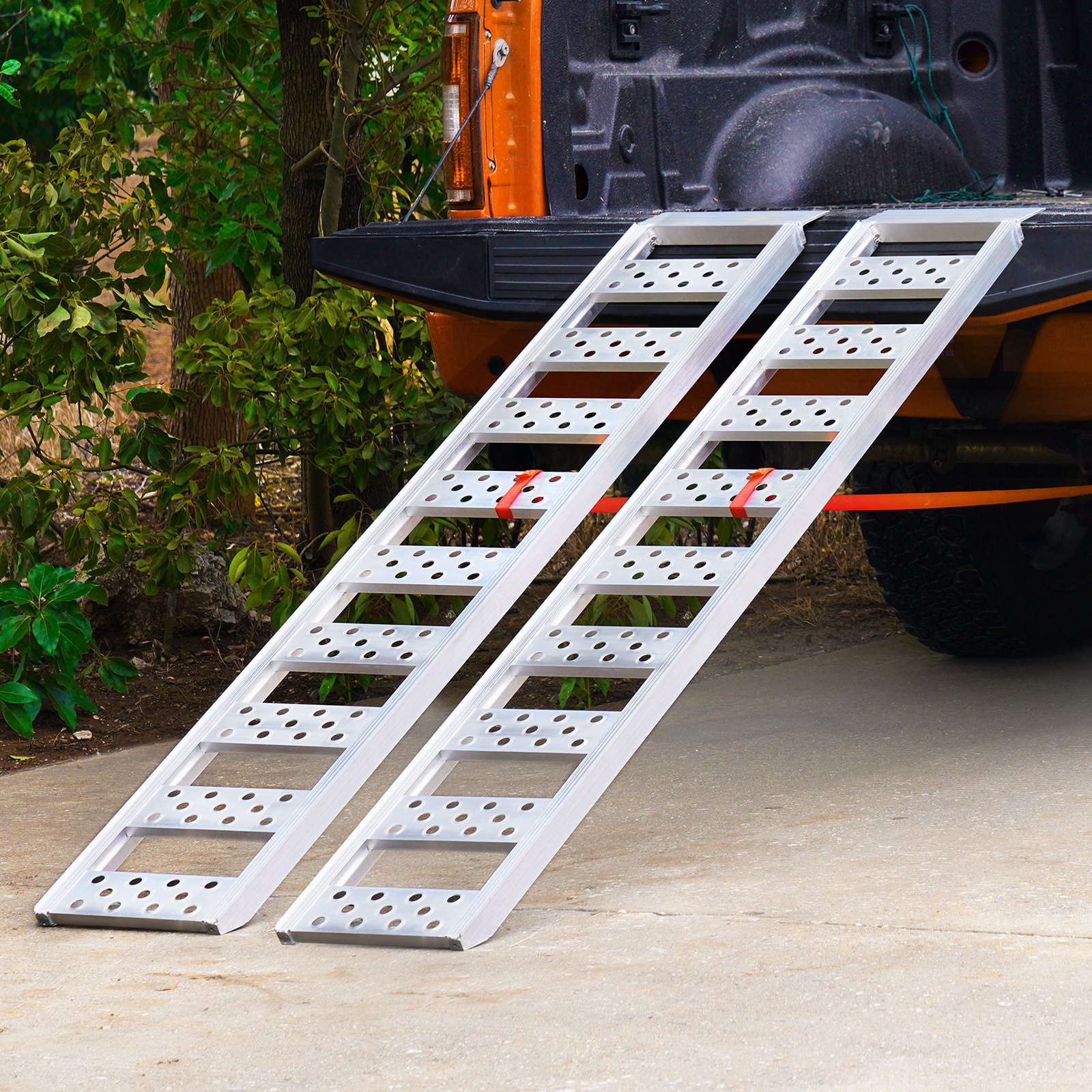
When hauling an All-Terrain Vehicle (ATV) or Utility Terrain Vehicle (UTV) to a trailhead, hunting lease, or job site, choosing the right transport solution is essential. Tractor Supply Company serves as a primary retail destination for landowners, farmers, and outdoor enthusiasts seeking dependable hauling equipment. Because inventory spans multiple configurations, understanding the specific types of ATV trailers available at Tractor Supply helps buyers match payload capacities, deck dimensions, and suspension systems to their specific hauling requirements.
Understanding Tractor Supply ATV Trailers and Inventory Scope
Tractor Supply Company does not manufacture its own trailers; instead, the national retailer partners with established utility and cargo trailer manufacturers to offer a curated selection of towing equipment. Brands frequently distributed across Tractor Supply locations and online channels include Carry-On Trailer, Covered Wagon, and Spartan Cargo, alongside heavy-duty utility models designed for agricultural and commercial applications.
For buyers navigating this inventory, trailers generally fall into two primary categories: open utility trailers and enclosed cargo trailers. Open utility trailers represent the most popular choice for ATV owners due to their accessibility, lightweight frames, and integrated loading ramps. Enclosed trailers, while heavier and more expensive, provide weather protection and lockable security for expensive equipment, tools, and riding gear.
Navigating this marketplace requires a clear grasp of your vehicle's physical dimensions, wet weight (including fuel and aftermarket accessories), and your tow vehicle's towing capacity. Selecting a trailer that is too small can lead to dangerous tongue-weight distribution and overloaded axles, while purchasing an excessively large trailer increases fuel consumption and complicates maneuverability in tight terrain.
Key Types of ATV Trailers Available
To select the correct model, buyers must evaluate the structural designs and functional benefits of the configurations typically stocked through Tractor Supply's inventory network.
Single-Axle Open Utility Trailers
Single-axle open trailers are the industry standard for hauling a single ATV or compact UTV. These units typically feature deck lengths ranging from 8 to 12 feet and widths of 5 to 6 feet.
- Construction: Most models utilize angle-iron or channel-iron steel frames with a wood or mesh floor.
- Loading Ramps: They almost universally feature a rear mesh gate that doubles as a loading ramp, often reinforced with spring-assist mechanisms to reduce lifting weight.
- Payload Capacity: Gross Vehicle Weight Ratings (GVWR) generally range from 2,000 to 3,500 pounds, which easily accommodates standard utility ATVs and single-row side-by-sides.
Tandem-Axle Utility Trailers
For users hauling heavier, multi-passenger side-by-sides (such as a 4-seat Polaris RZR or Can-Am Maverick) or multiple ATVs simultaneously, tandem-axle trailers are required.
- Construction: Built with two axles (usually equipped with brakes on at least one axle, and frequently both), these trailers offer superior weight distribution and highway stability.
- Deck Dimensions: Common lengths run from 14 to 18 feet with widths starting at 6.5 or 7 feet.
- Payload Capacity: GVWR ratings typically scale from 4,000 to 7,000 pounds or higher, providing the structural margin necessary for heavy machinery and gear.
Tilt-Bed Trailers
Tilt-bed trailers eliminate the need for traditional fold-down ramps by utilizing a pivot point near the trailer's center of gravity.
- Operation: The user releases a manual latch, and the entire bed tilts downward via gravity or hydraulic dampeners, allowing the ATV to be driven directly onto the deck.
- Advantages: Ideal for quick loading and unloading without the storage and wind-resistance issues associated with upright rear ramps.
- Limitations: They generally have lower weight tolerances than dual-axle flatbeds and require careful balancing to ensure the bed latches securely when loaded.
| Trailer Type | Common GVWR Range | Typical Deck Size | Best Suited For | Key Advantages |
|---|---|---|---|---|
| Single-Axle Utility | 2,000 – 3,500 lbs | 5' x 8' to 6' x 12' | Single ATV, small utility UTV | Lightweight, affordable, easy to maneuver |
| Tandem-Axle Utility | 4,000 – 7,000+ lbs | 6.5' x 14' to 7' x 18' | Multi-passenger UTVs, multiple ATVs | High payload capacity, superior stability |
| Tilt-Bed Utility | 2,900 – 3,500 lbs | 6' x 10' to 6.5' x 12' | Single ATV, lawn tractors | Ramp-free loading, simple operation |
| Enclosed Cargo | 2,900 – 7,000+ lbs | 6' x 10' to 7' x 16' | ATVs requiring weather protection and security | Secure locking, all-weather gear storage |
Essential Technical Specifications and Safety Considerations
When evaluating ATV trailers, buyers must look beyond aesthetic features and examine the engineering specifications that dictate safe towing performance. Ignoring these parameters can result in premature component failure, structural damage, or loss of vehicle control on public highways.
Gross Vehicle Weight Rating (GVWR) and Payload
The GVWR represents the maximum total weight the trailer is legally and structurally rated to carry, including the weight of the trailer itself (tare weight) and the cargo (payload).
- Calculating Load: To determine your needs, add the wet weight of your ATV, the weight of any fuel jugs, coolers, or tools, and the weight of winch setups or aftermarket bumpers. Ensure this total comfortably sits below the trailer's payload capacity (GVWR minus tare weight).
- Tow Vehicle Limits: Your towing vehicle—whether a half-ton pickup truck, mid-size SUV, or crossover—must possess a towing capacity that exceeds the total GVWR of the fully loaded trailer.
Axle Ratings and Suspension Systems
Trailers sold through Tractor Supply typically utilize spring-leaf suspensions or torsion axles.
- Spring-Leaf Suspensions: The traditional choice, featuring multi-leaf steel springs that absorb road shock. They are highly durable, easy to service, and cost-effective to repair or replace.
- Torsion Axles: Utilizing rubber cords inside a structural tube to provide independent wheel suspension, torsion axles offer a smoother ride that reduces bouncing when towing over rough rural roads or washboard trails.
Tire Ratings and Hub Maintenance
Trailer tires are distinct from passenger vehicle tires; they are designated with a "ST" (Special Trailer) prefix and possess stiffer sidewalls designed to resist sway under heavy lateral loads. Always verify that the tire load range (e.g., Load Range C or D) matches the weight demands of your haul. Furthermore, inspect the wheel bearings; many utility trailers feature EZ-Lube spindles that allow users to grease bearings without disassembling the hub assembly, which is critical for preventing roadside bearing seizure during long highway trips.
Evaluating Features: Ramps, Flooring, and Tie-Downs
The usability of an ATV trailer is heavily defined by its day-to-day functional components. Paying attention to these details prevents frustration during loading and transit.
Ramp Design and Tailgate Strength
While rear ramp gates provide versatility, they also create aerodynamic drag at highway speeds, which can reduce fuel efficiency.
- Mesh vs. Solid: Expanded metal mesh allows mud and debris to fall through—ideal for washing out a muddy ATV after a weekend ride—but solid steel ramps offer better durability under heavy tracked or narrow-wheeled machinery.
- Spring Assists: Look for built-in spring assists or lift cables on larger gates. Lifting an unassisted 6-foot steel mesh gate repeatedly places unnecessary strain on the operator's back.
Deck Materials
- Wood Decks: Pressure-treated lumber (typically 2x8 planks) is standard on most open utility trailers. Wood provides good traction for rubber ATV tires, absorbs vibration, and is easily replaced when weathered. However, it requires periodic sealing to prevent rotting.
- Metal Mesh or Diamond Plate: Steel mesh floors are common on lightweight models, while diamond-plate steel is found on heavy-duty or enclosed units. While impervious to rot, steel mesh can become slippery when wet and may dent under concentrated point loads.
Integrated Tie-Down Points
Securing an ATV safely requires robust anchor points. Factory-welded D-rings, stake pockets running along the exterior frame rails, and heavy-duty rub rails provide multiple options for attaching ratchet straps. Never rely solely on the trailer's wooden side rails or sheet metal panels to secure heavy cargo; tie-downs must be anchored directly to the steel frame.
Purchasing Options, Pricing, and Ownership Costs
Acquiring a trailer from Tractor Supply involves more than paying the sticker price. Buyers must factor in additional costs, registration requirements, and maintenance obligations.
Purchasing Channels
Tractor Supply allows customers to browse trailer inventories online or visit local brick-and-mortar locations. Because physical store inventory fluctuates based on regional demand (with higher concentrations of heavy utility trailers in rural markets and lighter models in suburban stores), checking stock online beforehand is recommended. Many locations offer curbside pickup or localized delivery services for an additional fee.
Registration, Titling, and Documentation
Because trailers operate on public roads, they must be registered and titled according to state and local laws. When purchasing a trailer from Tractor Supply, you will receive a Manufacturer's Certificate of Origin (MCO) along with a bill of sale. You must take these documents to your local Department of Motor Vehicles (DMV) or equivalent state agency to obtain a license plate and official title. Depending on the state, trailers under a certain weight threshold (often 3,000 pounds GVWR) may be exempt from titling, but registration is almost universally required.
Ongoing Maintenance Costs
Ownership expenses do not end at the point of sale. Budgeting for ongoing maintenance ensures longevity and safety:
- Annual Safety Checks: Inspecting wiring harnesses, LED lighting, brake components, and breakaway switches (if equipped).
- Tire Replacement: Trailer tires degrade from ultraviolet (UV) exposure and age rather than tread wear; plan on replacing tires every 3 to 5 years regardless of mileage.
- Wood Sealing: Applying a water-repellent sealant to wooden decks annually prevents warping and splintering.
Frequently Asked Questions About Tractor Supply ATV Trailers
Can I finance a trailer purchased at Tractor Supply?
Yes. Tractor Supply frequently partners with financial institutions and credit providers to offer promotional financing or revolving credit options (such as the Tractor Supply Credit Card) for large-scale purchases, including trailers, riding mowers, and heavy equipment. Terms and interest rates vary depending on current promotions and credit approval.
What size trailer do I need for a side-by-side (UTV)?
Most standard side-by-sides require at least a 12-foot utility trailer with a 5-to-6-foot width to accommodate the vehicle's wheelbase and roll cage safely. Larger crew-cab or multi-passenger UTVs typically mandate a 14-to-16-foot tandem-axle trailer with a minimum 3,500-pound to 7,000-pound GVWR rating to handle the increased weight.
Do Tractor Supply trailers come with a warranty?
Yes. Trailers sold through Tractor Supply are backed by the respective manufacturer's warranty (such as Carry-On Trailer) rather than a direct Tractor Supply warranty. These limited warranties generally cover structural frame defects and welds for a specified period (typically one to three years), while components like axles, tires, and couplers are often covered by their respective component manufacturers.
Are trailer lights and wiring included with the purchase?
Yes. All road-legal trailers stocked at Tractor Supply come fully equipped with DOT-compliant LED or incandescent lighting systems, side markers, and a standard flat-4 or round-7 electrical connector plug. However, ensure your tow vehicle is equipped with the matching receiver plug and a functioning hitch ball of the correct diameter (typically 2 inches or 2-5/16 inches).
Can I haul building materials or equipment other than an ATV on these trailers?
Utility trailers purchased for ATVs are highly versatile and frequently used for hauling lumber, landscaping mulch, furniture, and small tractors. However, always verify that the weight of alternative loads does not exceed the trailer's designated payload capacity or cause uneven tongue weight distribution.
Next Actions for Prospective Buyers
Before visiting your local Tractor Supply or completing an online order, take three definitive steps to ensure a smooth acquisition. First, measure your ATV's exact overall length, width, and weight (including any roof, windshield, or cargo box attachments) to determine your minimum dimensional requirements. Second, verify your tow vehicle's maximum towing capacity and hitch receiver rating in your owner's manual. Finally, review your state's specific DMV requirements regarding trailer brakes, registration, and inspection mandates to ensure you are fully prepared for safe, legal transit the moment you leave the lot.