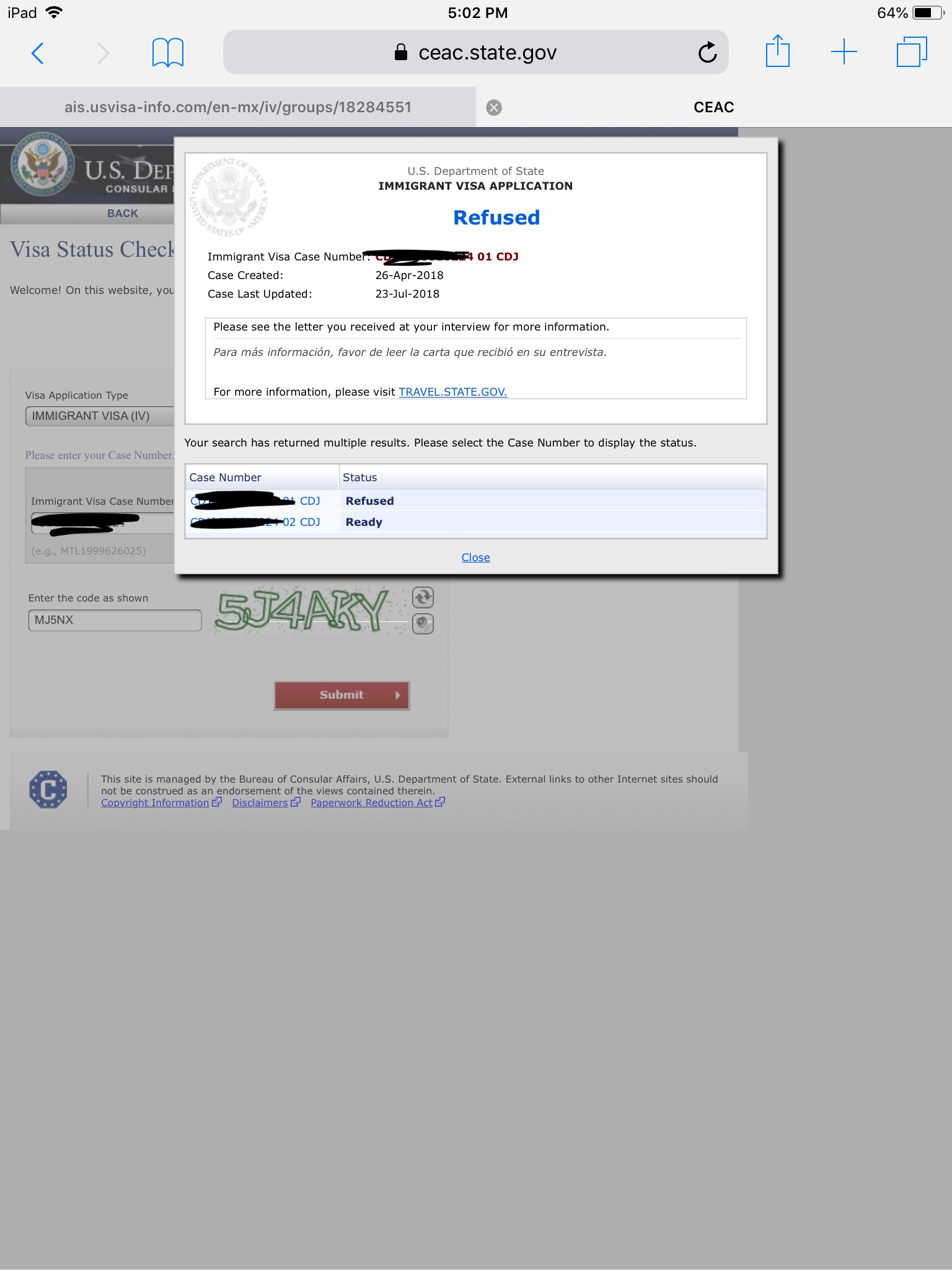
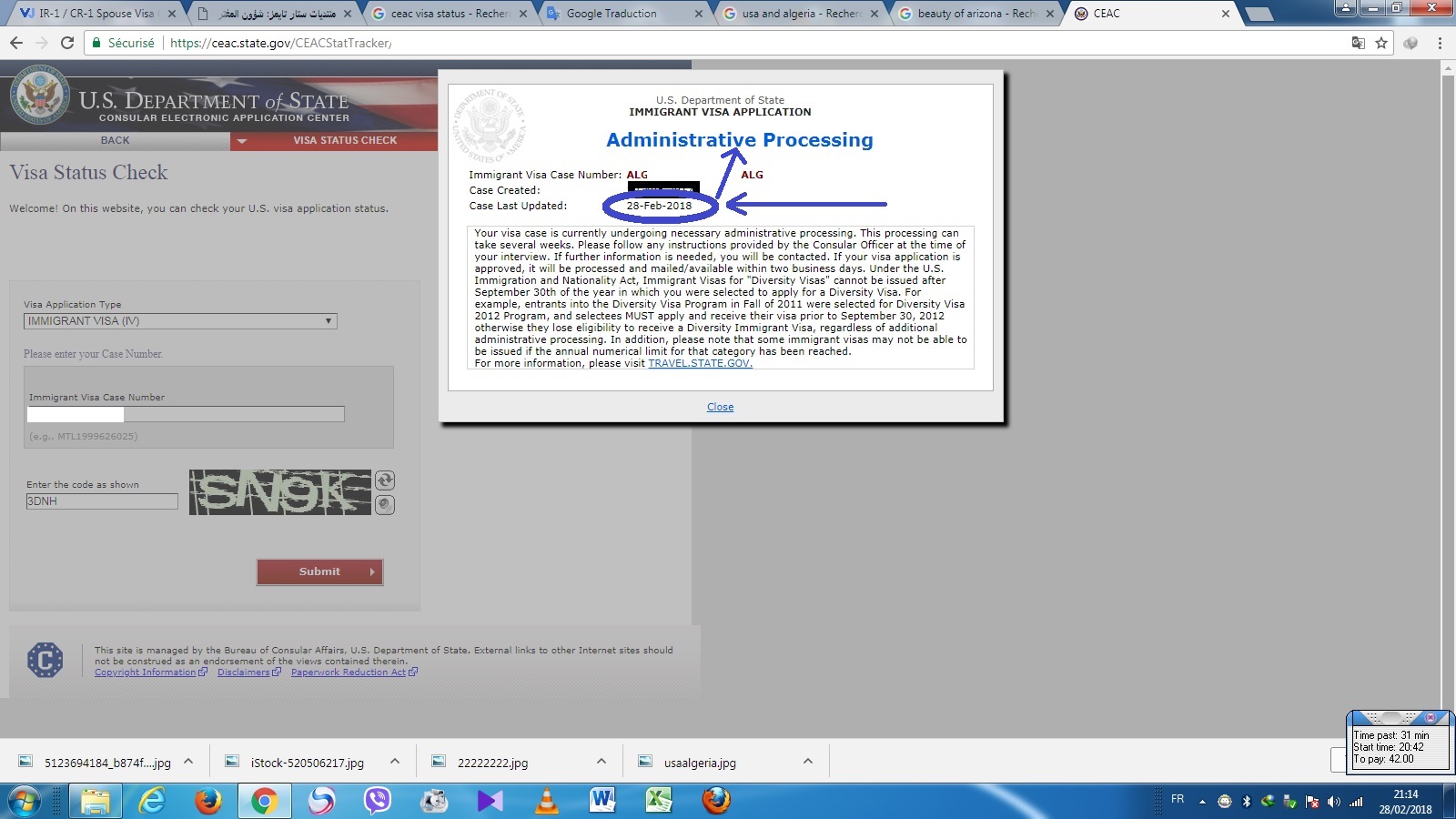
CEAC status refers to the real-time processing stage of a U.S. visa application tracked through the Consular Electronic Application Center. By entering a case number or application ID, applicants can see if their file is "Ready," in "Administrative Processing," "Issued," or "Refused." This transparency helps manage expectations during the wait for a final decision.
Navigating the United States visa process is often characterized by long periods of waiting and high levels of anticipation. For millions of applicants worldwide, the Consular Electronic Application Center (CEAC) serves as the primary window into the progress of their application. Whether you are applying for a temporary work visa, a student visa, or a permanent residency (Green Card), understanding what your CEAC status means is vital for planning your travel, employment, and life transitions.
As of 2026, the Department of State continues to utilize the CEAC portal as the centralized hub for both Nonimmigrant Visa (NIV) and Immigrant Visa (IV) tracking. While the interface has seen iterative updates to improve user experience, the underlying logic of visa adjudication remains rooted in established legal frameworks. This guide provides an exhaustive breakdown of how to access the portal, what every status update signifies, and how to troubleshoot the most common issues encountered during the process.
The Role of the CEAC Portal in U.S. Immigration
The CEAC portal is managed by the Bureau of Consular Affairs under the U.S. Department of State. Its primary function is to digitize the application workflow that was historically handled through physical paperwork and mail. By moving these processes online, the government has been able to streamline background checks, document verification, and communication between the National Visa Center (NVC) and various U.S. Embassies and Consulates.
For applicants, the portal is more than just a tracking tool; it is a legal record of their interaction with the U.S. government. For Nonimmigrant Visas, the portal tracks the progress of the DS-160 form. For Immigrant Visas, it tracks the DS-260 form, along with the payment of fees and the submission of civil and financial supporting documents.
Understanding your CEAC status is crucial because the U.S. government rarely sends proactive email updates for every minor change in a case. Applicants are expected to monitor their own status to identify if additional information is required or if they need to prepare for passport collection.
Prerequisites for Checking CEAC Status
Before you can check your status, you must have specific identifiers generated during the early stages of your application. The information required depends on the type of visa you are pursuing.
Nonimmigrant Visa (NIV) Requirements
To check the status of a nonimmigrant visa (such as a B1/B2 tourist visa, F1 student visa, or H-1B work visa), you will need:
- Application ID or Case Number: This is typically the alphanumeric code found on your DS-160 confirmation page. It often starts with "AA" followed by several digits.
- Location: The specific U.S. Embassy or Consulate where you interviewed or where your application was sent.
Immigrant Visa (IV) Requirements
For those seeking permanent residency, the requirements are slightly different. You will need:
- NVC Case Number: This is a three-letter code (representing the consulate, such as LND for London or CDJ for Ciudad Juarez) followed by ten digits.
- Invoice I.D. Number: This is a unique number provided by the NVC in your initial "Welcome Letter."
Step-by-Step Guide to Accessing Your Status
Accessing the system is straightforward, but it requires precision. Errors in typing the case number are the leading cause of "Case Not Found" messages.
- Navigate to the Official Site: Visit the Consular Electronic Application Center (CEAC) website. Always ensure you are on a .gov domain to avoid phishing sites.
- Select Visa Type: Choose either "Immigrant Visa (IV)" or "Nonimmigrant Visa (NIV)" from the dropdown menu.
- Enter Identifiers: Input your Case Number or Application ID.
- Complete the CAPTCHA: This security step prevents automated bots from scraping sensitive data.
- Review the Result: The system will display a bolded status, the date of the last update, and a brief description of what that status means.
Comprehensive Breakdown of CEAC Status Meanings
The CEAC system uses specific terminology that can sometimes be counterintuitive. Below is a detailed explanation of each status you might encounter during the 2026 processing cycle.
No Status
This is the most common status seen immediately after submitting a DS-160 but before the application has been physically received or opened by the consulate. It essentially means the data exists in the system, but the adjudication process has not yet commenced. If "No Status" persists for more than two weeks after your interview, it may indicate a technical synchronization error.
Ready
The "Ready" status is generally a positive sign. It indicates that your case has been transferred to the Embassy or Consulate and is ready for the next step, which is usually the visa interview. If you have already completed your interview, "Ready" means your file is open on a consular officer's desk for final processing. In some cases, a file may return to "Ready" after a period of "Administrative Processing" if the officer has received the information they were waiting for.
Administrative Processing
This is perhaps the most misunderstood and frustrating status for applicants. Administrative Processing (often associated with Section 221(g) of the Immigration and Nationality Act) means that the consular officer requires more time or information before a final decision can be made.
- Reasons for this status: Background checks, security clearances (such as the Washington Special Coordination), verification of employment or educational credentials, or missing documents.
- Timeline: Most administrative processing is resolved within 60 days of the interview, but complex cases involving specialized technology (TAL - Technology Alert List) can take significantly longer.
Refused
In the CEAC system, "Refused" does not always mean a permanent denial. If your status shows "Refused" immediately after an interview, check the physical paper (221g slip) the officer gave you.
- Temporary Refusal: Often, the system marks a case as refused while it is technically in administrative processing. Once the required documents are submitted or the background check is cleared, this status can change to "Issued."
- Final Refusal: If the refusal is permanent, the CEAC portal will usually remain on "Refused," and you will receive a formal letter outlining the legal grounds for the denial (e.g., Section 214(b) for lack of immigrant intent).
Issued
This is the final successful status. It means the consular officer has approved the visa, and the physical visa foil has been printed and placed in your passport. Once you see "Issued," the legal adjudication is complete. The next phase is the logistics of delivering the passport back to you via the selected courier service.
Expired
An "Expired" status occurs if an application has been inactive for more than one year. For immigrant visas, this often happens if the applicant fails to respond to NVC requests within the required timeframe. Once a case is expired, the underlying petition may be revoked, requiring the applicant to start the process over from the beginning.
Summary of CEAC Statuses and Typical Timelines
The following table summarizes the common transitions and what applicants should expect at each stage.
| CEAC Status | Application Type | Typical Duration | Applicant Action Needed |
|---|---|---|---|
| No Status | NIV / IV | 1–5 Days | None; wait for system update. |
| Ready | NIV / IV | Variable | Schedule interview or attend appointment. |
| Administrative Processing | NIV / IV | 2–8 Weeks | Provide requested documents; wait for clearance. |
| Refused (221g) | NIV / IV | Variable | Check the color of the slip provided at interview. |
| Issued | NIV / IV | 2–10 Days | Monitor courier tracking for passport return. |
| At NVC | IV Only | 1–3 Months | Pay fees and upload civil documents. |
| Returned to NVC | IV / NIV | Permanent | Consult an attorney; the petition was sent back for revocation. |
Deep Dive: Navigating Administrative Processing in 2026
If your case enters Administrative Processing, it is essential to remain patient but proactive. As of 2026, the U.S. government has integrated more AI-driven screening tools, which can sometimes trigger "soft" administrative processing for routine data verification.
If you are placed in this status, the consular officer will typically give you a colored sheet of paper (often blue, yellow, white, or green). This paper will list exactly what is needed. Common requests include:
- DS-5535: A supplemental form asking for 15 years of travel, employment, and social media history.
- Updated Financials: Recent tax returns or pay stubs from a petitioner.
- Employer Verification: Specifically for H-1B or L-1 visa holders, ensuring the job site is legitimate.
Crucial Tip: If your status has not changed for more than 60 days, you (or your legal representative) are generally permitted to submit an inquiry to the specific consulate via their official contact form or the Congressional liaison if applicable.
Common Technical Issues and Troubleshooting
The CEAC website is notoriously finicky. Users often encounter errors that have nothing to do with their visa eligibility.
"Your search did not return any data"
This error usually occurs for one of three reasons:
- Input Error: You are using the wrong case number or have confused a "0" (zero) with an "O" (letter).
- Site Maintenance: The CEAC portal undergoes frequent maintenance, usually on weekends.
- Consular Lag: It can take several days for a new application to be searchable in the system.
"Case is Expiring" Notifications
If you receive a notice that your case is approaching expiration, you must take action immediately. For immigrant visas, simply logging into the CEAC portal and updating a document can often reset the one-year clock. For nonimmigrant visas, this usually means the DS-160 you submitted is so old that it is no longer valid for an upcoming interview.
The Journey After "Issued"
Seeing the "Issued" status is the goal of every applicant, but it doesn't mean you can head to the airport immediately. The transition from "Issued" on the website to "Passport in Hand" involves several logistical steps:
- Printing: The visa foil is physically printed at the consulate.
- Quality Assurance: A second officer often verifies the printed details against the passport.
- Handover: The passport is handed over to a third-party courier (such as DHL or Aramex).
- Tracking: You will receive a separate tracking number from the courier service, not from CEAC.
In most major metropolitan areas, this takes 3 to 5 business days. In more remote locations, it can take up to two weeks. Do not book non-refundable travel until the physical passport is in your possession.
Frequently Asked Questions
Why did my CEAC status date change, but the status remains the same?
This is often referred to as a "touch." It means a consular official or an automated system has opened your file and performed some action—such as updating a background check or logging a received document—but hasn't yet made a final decision. Frequent date changes during "Administrative Processing" are generally a good sign that your case is being actively worked on.
Can I change my delivery address after the status shows "Issued"?
Usually, no. Once the status reaches "Issued," the manifest for the courier is already being prepared. Any changes to delivery must typically be coordinated directly with the courier service, and even then, it may not be possible for security reasons. It is always best to ensure your delivery address is correct on the appointment scheduling website before your interview.
Does "Refused" on CEAC mean I am barred from the United States?
Not necessarily. A "Refused" status under Section 221(g) is a "technical refusal" that can be overcome once the missing information is provided. However, a refusal under Section 212(a) for criminal history or fraud is a permanent bar. You must look at the specific legal code cited in your refusal letter to understand the long-term implications.
How often should I check my CEAC status?
While it is tempting to check multiple times a day, the system usually updates in batches once every 24 hours. Checking once a day, typically in the late afternoon of the local time zone where the embassy is located, is sufficient.
What should I do if my case has been in "Administrative Processing" for over six months?
For cases exceeding 180 days, you may consider a Writ of Mandamus. This is a lawsuit filed in U.S. federal court to compel the government to make a decision (either an approval or a denial) on a case that has been unreasonably delayed. This is a complex legal move and requires a qualified immigration attorney.
Practical Recommendation for Applicants
To ensure the smoothest experience with the CEAC system, maintain a digital folder containing every document you have submitted to the U.S. government. Often, when a case is stuck in "Administrative Processing," the solution is as simple as re-sending a document that the consulate misplaced.
If you notice your CEAC status has not updated for several weeks, check the "Last Updated" date. If that date is current, the government is active on your file. If the date is months old, it is time to send a polite inquiry to the Consular Section. Persistence and meticulous record-keeping are your best tools in navigating the complexities of the U.S. visa system in 2026.