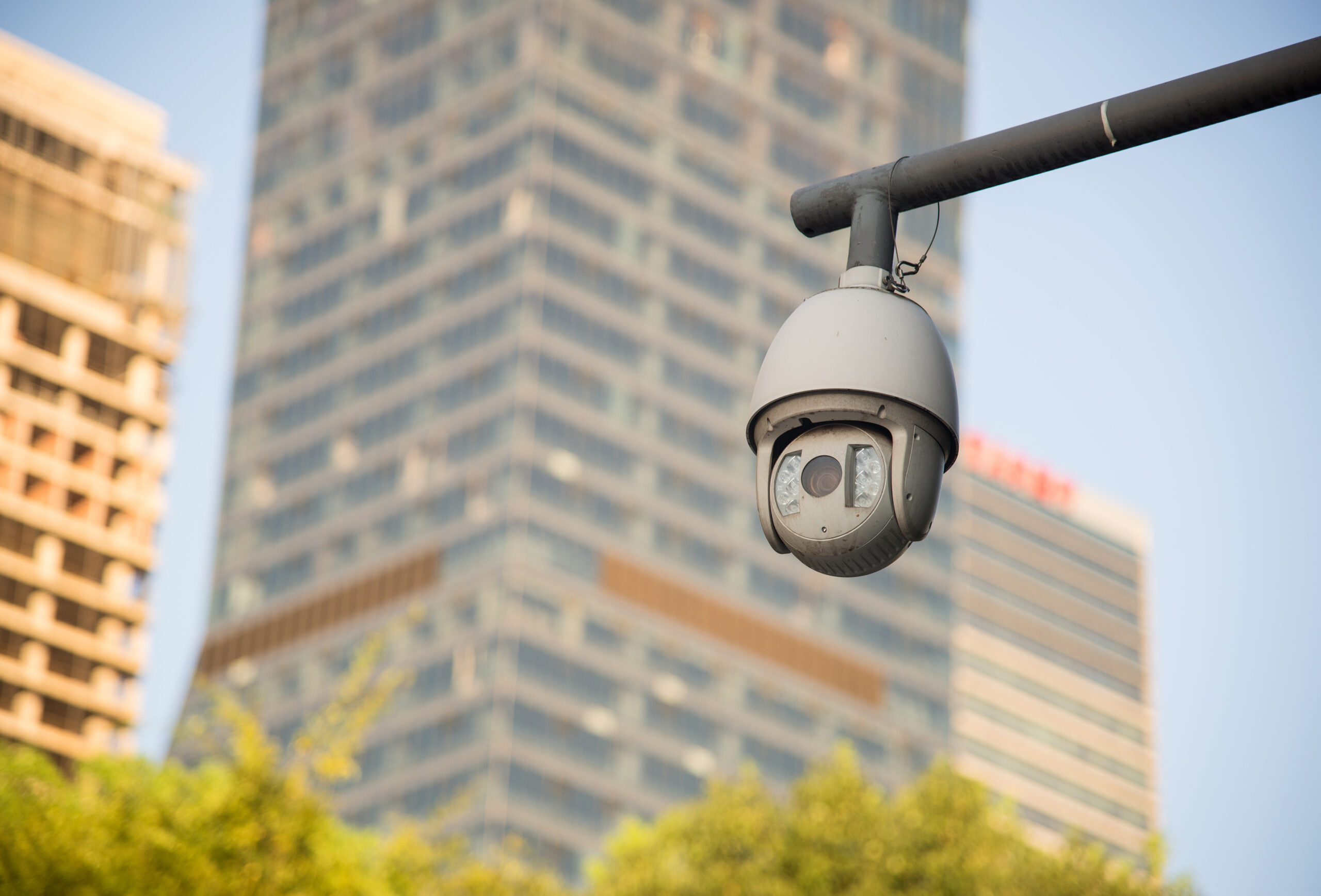
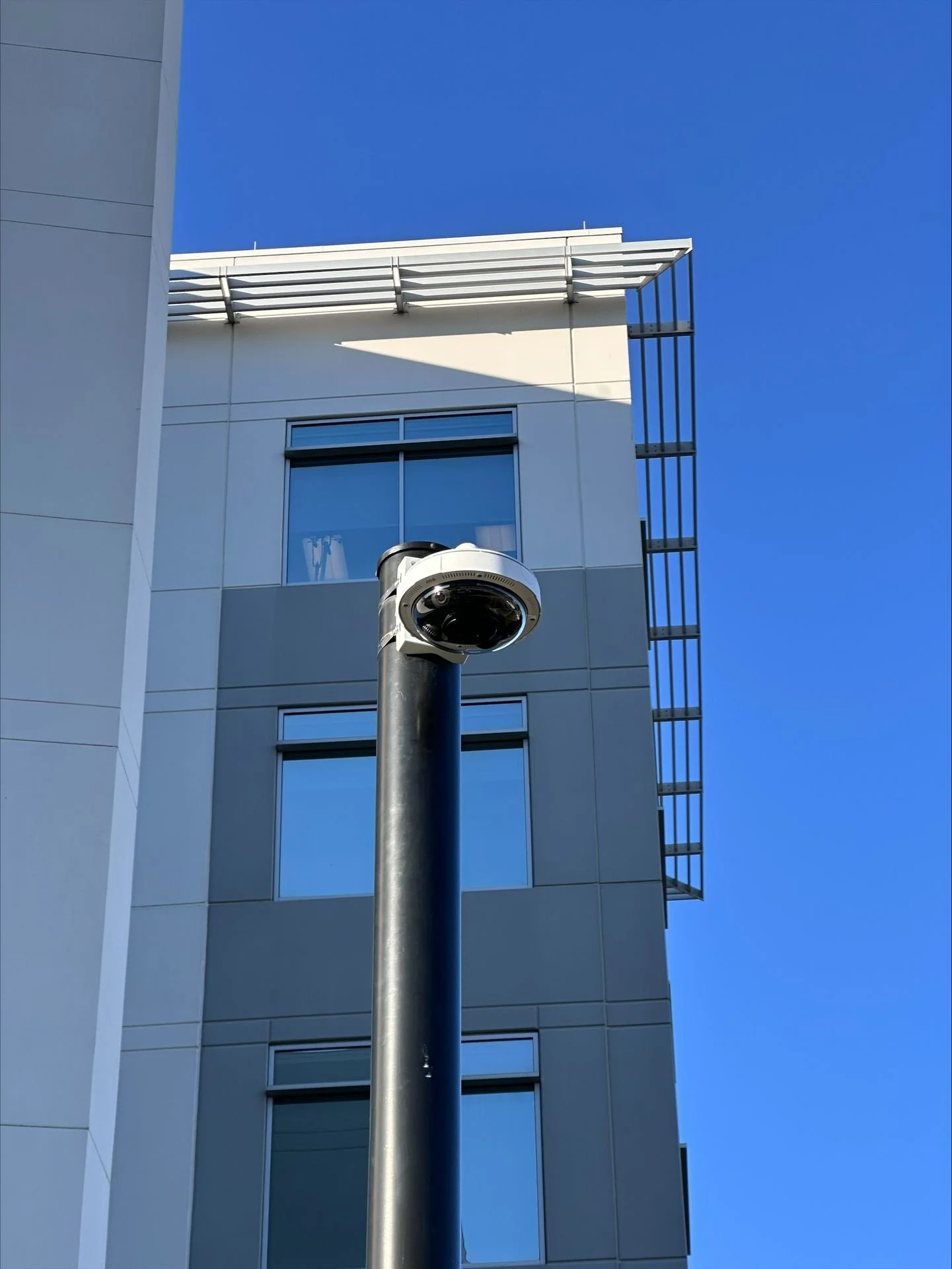
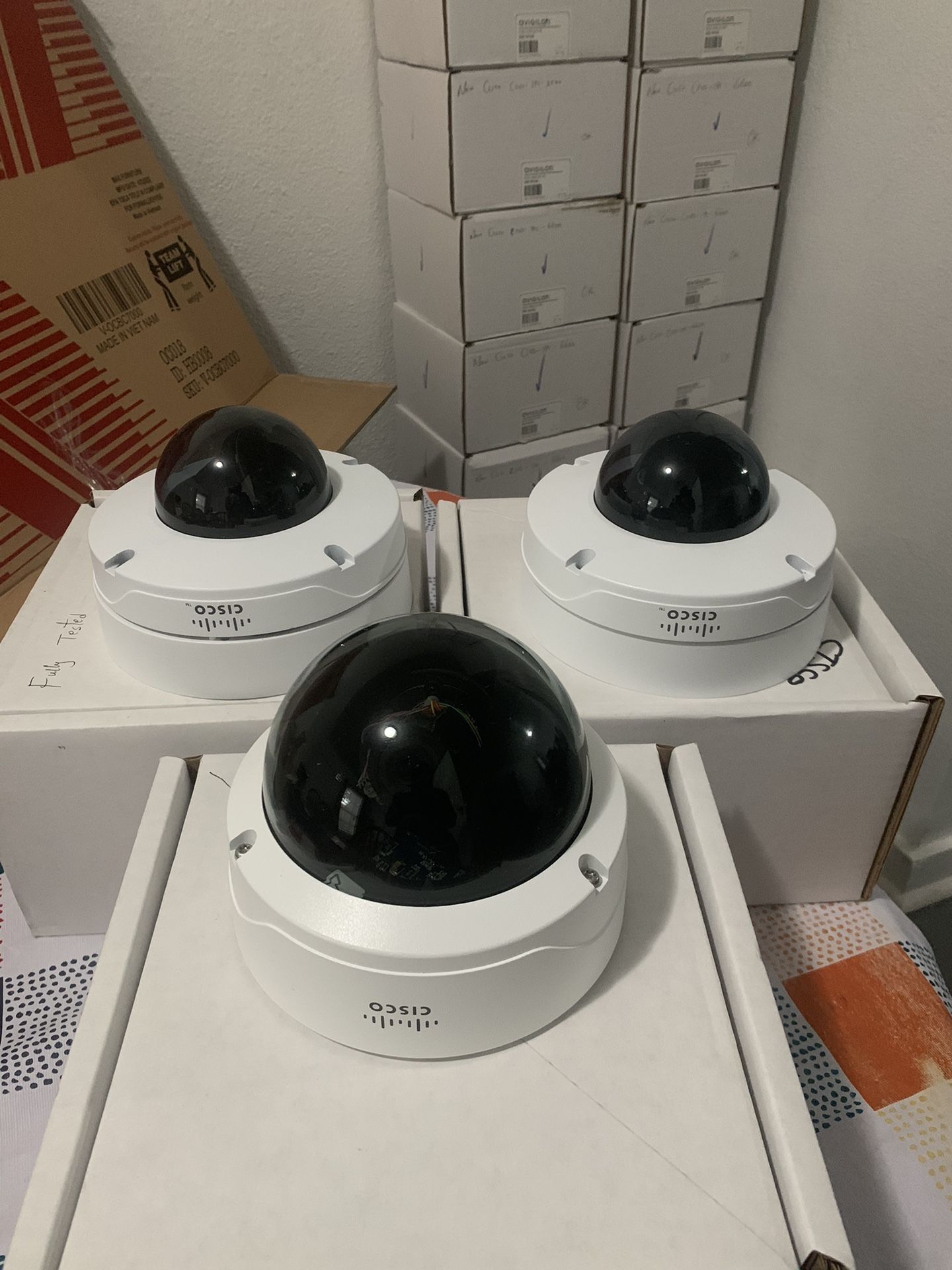
Finding the right CCTV solution in Dallas requires balancing advanced surveillance technology with local compliance, specifically the City of Dallas alarm permit regulations and "Project Starlight" integration. In 2026, the most effective systems utilize AI-driven analytics and 4K resolution to secure residential and commercial properties against evolving security challenges across the DFW Metroplex.
Navigating the Dallas Security Landscape in 2026
The security environment in Dallas has shifted significantly over the last decade. As of 2026, the city continues to expand its digital infrastructure, making high-speed connectivity the backbone of modern surveillance. For property owners in neighborhoods ranging from the high-density urban corridors of Uptown to the sprawling industrial zones in South Dallas, CCTV is no longer just a "passive recording" tool. It is an active participant in crime prevention and situational awareness.
Choosing a CCTV system in Dallas involves more than just buying cameras. It requires an understanding of the local climate—where triple-digit summer temperatures can degrade low-quality hardware—and the legal framework established by the Dallas Police Department (DPD) and the Texas Department of Public Safety (DPS). Whether you are securing a retail storefront in Deep Ellum or a corporate campus in the Platinum Corridor, the integration of video surveillance with local law enforcement protocols is a primary consideration for 2026 installations.
Legal Requirements and Permits for Dallas Surveillance Systems
In Dallas, the operation of security systems is governed by specific municipal codes. If your CCTV system is part of a larger monitored alarm system, you are likely required to hold a valid permit.
The City of Dallas Alarm Permit
The Dallas City Code Chapter 15C requires residents and business owners to obtain a permit for any alarm system that is intended to summon the police. While a standalone, non-monitored CCTV system (one that only records to a local hard drive without alerting a central station) might not strictly require an alarm permit, most modern "smart" systems fall under the monitored category. Operating an unpermitted system that triggers a police response can result in significant fines, often exceeding $250 per incident.
Texas DPS Private Security Licensing
It is a common mistake to hire "handymen" for CCTV installation in Dallas. Under Texas law, any individual or company that sells, installs, services, or monitors security systems must be licensed by the Texas Department of Public Safety (DPS) Regulatory Services Division. Before signing a contract, verify that the provider holds a current "Class B" or "Class C" license. This ensures that the technicians have undergone background checks and meet the state's rigorous training standards for security professionals.
Privacy Laws and Recording
Texas is a "one-party consent" state regarding audio recording, but video surveillance has different boundaries. In Dallas, it is illegal to install cameras where individuals have a "reasonable expectation of privacy," such as bathrooms, changing rooms, or looking directly into a neighbor's windows. For commercial properties, it is standard practice (and often a liability shield) to post visible signage stating that the premises are under 24-hour video surveillance.
Technical Specifications for the Dallas Environment
The Dallas climate presents unique challenges for electronic hardware. From the intense UV radiation of North Texas summers to the occasional severe thunderstorm and hail, your CCTV hardware must be "Dallas-hardened."
Weatherproofing and Thermal Management
In 2026, professional installers recommend cameras with at least an IP67 rating. This ensures the unit is dust-tight and can withstand heavy rain. Furthermore, cameras in Dallas should have a high operating temperature threshold, typically up to 140°F (60°C). Cheaper consumer-grade cameras often fail during August heatwaves because their internal processors overheat, leading to sensor "noise" or total system failure.
Resolution and Night Vision
With the prevalence of 4K and even 8K sensors in 2026, resolution is rarely the bottleneck; instead, it is the ability to capture usable footage in low-light conditions. Dallas’s urban lighting varies wildly. For businesses in the Arts District, ambient street lighting may be sufficient. However, for residential properties in darker suburbs, ColorVue or Full-Color technology—which uses large apertures and warm supplemental lighting to provide color images even in total darkness—is superior to traditional infrared (IR) which only produces grainy black-and-white footage.
Connectivity: PoE vs. Wireless
While wireless (Wi-Fi) cameras are popular for DIY setups, professional Dallas CCTV installations in 2026 almost exclusively use Power over Ethernet (PoE). In a dense city like Dallas, the 2.4GHz and 5GHz Wi-Fi bands are heavily congested, leading to dropped frames or connection loss. PoE uses a single Cat6 cable to provide both power and high-speed data, ensuring a stable, unhackable physical connection that can support the high bandwidth required for 4K video streams.
Project Starlight and Public-Private Partnerships
One of the most significant developments for CCTV in Dallas is Project Starlight. Launched by the Dallas Police Department, this program allows local businesses to integrate their high-definition camera feeds directly with the DPD’s Real-Time Crime Center (RTCC).
How It Works
When a business joins Project Starlight, they install specific compatible hardware and a "blue light" indicator on their property. If a crime occurs, DPD dispatchers can instantly pull up the live video feed to provide real-time intelligence to responding officers. This reduces response times and increases the likelihood of an arrest.
Benefits for Business Owners
- Priority Response: Participating locations often receive faster police attention during active incidents.
- Crime Deterrence: The visible blue light associated with Project Starlight serves as a powerful deterrent to potential offenders.
- Community Integration: It fosters a collaborative environment between the Dallas business community and law enforcement.
Comparing CCTV System Architectures
When planning your Dallas security layout, you must choose between three primary architectures. The following table compares these options based on 2026 technology standards.
| Feature | Analog (HD-TVI/CVI) | IP / NVR (On-Premise) | Cloud-Based (VSaaS) |
|---|---|---|---|
| Video Quality | Up to 4K (limited clarity) | Up to 8K (highest clarity) | Variable (limited by upload) |
| Installation Cost | Low | Moderate | High (hardware + sub) |
| Data Security | High (not on internet) | High (if firewalled) | Moderate (third-party risk) |
| Scalability | Difficult | Moderate | Highly Scalable |
| Best For | Retrofitting old buildings | Large Dallas estates/Small biz | Multi-location franchises |
| Monthly Fees | None | None | Per camera subscription |
Commercial Security Requirements in the DFW Metroplex
Commercial CCTV needs in Dallas differ significantly by industry. The requirements for a warehouse in the Inland Port of Dallas are not the same as a law firm in Bank of America Plaza.
Retail and Hospitality
In retail environments like the NorthPark Center area, cameras are used not just for theft prevention (shrinkage), but also for "heat mapping" and foot-traffic analysis. AI-enabled CCTV can track which aisles customers frequent most, helping managers optimize store layouts. In 2026, facial recognition technology is used cautiously, adhering to strict data privacy policies to identify known repeat offenders while protecting the anonymity of general shoppers.
Warehousing and Logistics
For the massive distribution centers near DFW Airport, perimeter security is the priority. Long-range thermal cameras are used to detect intruders along fence lines in total darkness or through fog. These systems are often integrated with AI "tripwires," which alert security personnel only when a human or vehicle crosses a boundary, ignoring small animals or wind-blown debris.
Multi-Family Housing and Apartments
With the boom in Dallas multi-family developments, property managers use CCTV to manage liability. High-definition cameras in common areas, parking garages, and mailrooms help resolve disputes and provide evidence for insurance claims related to vehicle break-ins or package theft.
Common Installation Mistakes to Avoid
Even with the best hardware, a poorly designed system will fail to provide security. Dallas installers often see the following errors:
- Improper Camera Height: Mounting cameras too high (over 10 feet) results in "bird’s eye" views of the tops of heads rather than identifiable faces. For facial recognition, cameras should be at or near eye level.
- Ignoring Backlighting: Placing a camera facing a large glass window in a Dallas storefront will cause "silhouetting" during the day. Wide Dynamic Range (WDR) sensors are essential for these locations to balance the bright exterior light with the darker interior.
- Insufficient Storage: Many users underestimate the storage required for 4K video. In 2026, a 4-camera 4K system requires at least 8TB of storage to maintain a 30-day archive using H.265+ compression.
- Poor Cable Protection: In industrial areas, exposed cables can be cut by intruders or chewed by rodents. Always use conduit for any cabling that is accessible from the ground level.
Maintenance and Troubleshooting for Dallas Systems
The longevity of a CCTV system in North Texas depends on regular maintenance. The dust and pollen in the Dallas air can coat camera lenses, significantly reducing image clarity, especially at night when IR light reflects off the debris.
- Lens Cleaning: Lenses should be cleaned quarterly with a microfiber cloth and specialized solution.
- Firmware Updates: In 2026, cybersecurity is a major concern. Manufacturers regularly release patches to prevent cameras from being recruited into "botnets." Ensure your NVR (Network Video Recorder) is set to auto-update or is checked by your service provider twice a year.
- HDD Health Checks: Hard drives in NVRs run 24/7 and typically have a lifespan of 3-5 years. Regular SMART (Self-Monitoring, Analysis, and Reporting Technology) checks can predict a drive failure before you lose critical footage.
Frequently Asked Questions
Do I need a permit for security cameras in Dallas?
If your cameras are part of a monitored alarm system that alerts the Dallas Police Department, you must have an alarm permit. Standalone CCTV systems that only record locally generally do not require a permit, but it is recommended to check with the Dallas Police Department Alarm Unit to ensure compliance with the latest 2026 municipal codes.
Can my neighbor point their security camera at my house?
In Texas, there is no law preventing a neighbor from recording what is visible from a public space or their own property. However, if the camera is positioned specifically to view into "private" areas where you have a reasonable expectation of privacy (like a bedroom or a fenced-in backyard not visible from the street), it may violate "Invasive Visual Recording" statutes.
How much does professional CCTV installation cost in Dallas?
For 2026, a basic professional installation for a 4-camera 4K PoE system in a residential setting typically ranges from $1,200 to $2,500, including hardware and labor. Commercial systems are significantly more expensive due to the need for plenum-rated cabling, conduit, and enterprise-grade storage, often starting at $5,000 for small businesses.
Is cloud storage better than local storage for Dallas businesses?
Cloud storage (VSaaS) offers the advantage of off-site redundancy; if a thief steals the NVR, the footage is still safe in the cloud. However, for Dallas businesses with many cameras, the monthly subscription fees and the heavy load on the internet's upload speed make local storage with a "cloud backup" of critical events the more balanced and cost-effective choice.
What is the best camera for the Dallas heat?
Look for cameras with a metallic housing and an "operating temperature" rating of at least 140°F (60°C). Brands like Axis, Hanwha Vision, and Hikvision's commercial lines are specifically designed with heat sinks to handle the thermal load of the Texas sun.
Recommendation for Next Actions
If you are looking to secure a property in Dallas, your first step should be a professional site survey. Avoid "one-size-fits-all" kits found in big-box stores. Contact a Texas DPS-licensed integrator who can perform a signal-strength test (for wireless components) and a lighting analysis of your property.
For business owners, we strongly recommend evaluating Project Starlight compatibility. Integrating your system with the Dallas Police Department not only provides a higher tier of security but also demonstrates a commitment to the safety of your neighborhood. Ensure your contract includes a Service Level Agreement (SLA) that covers biannual maintenance and firmware management to keep your system compliant and functional through 2026 and beyond.