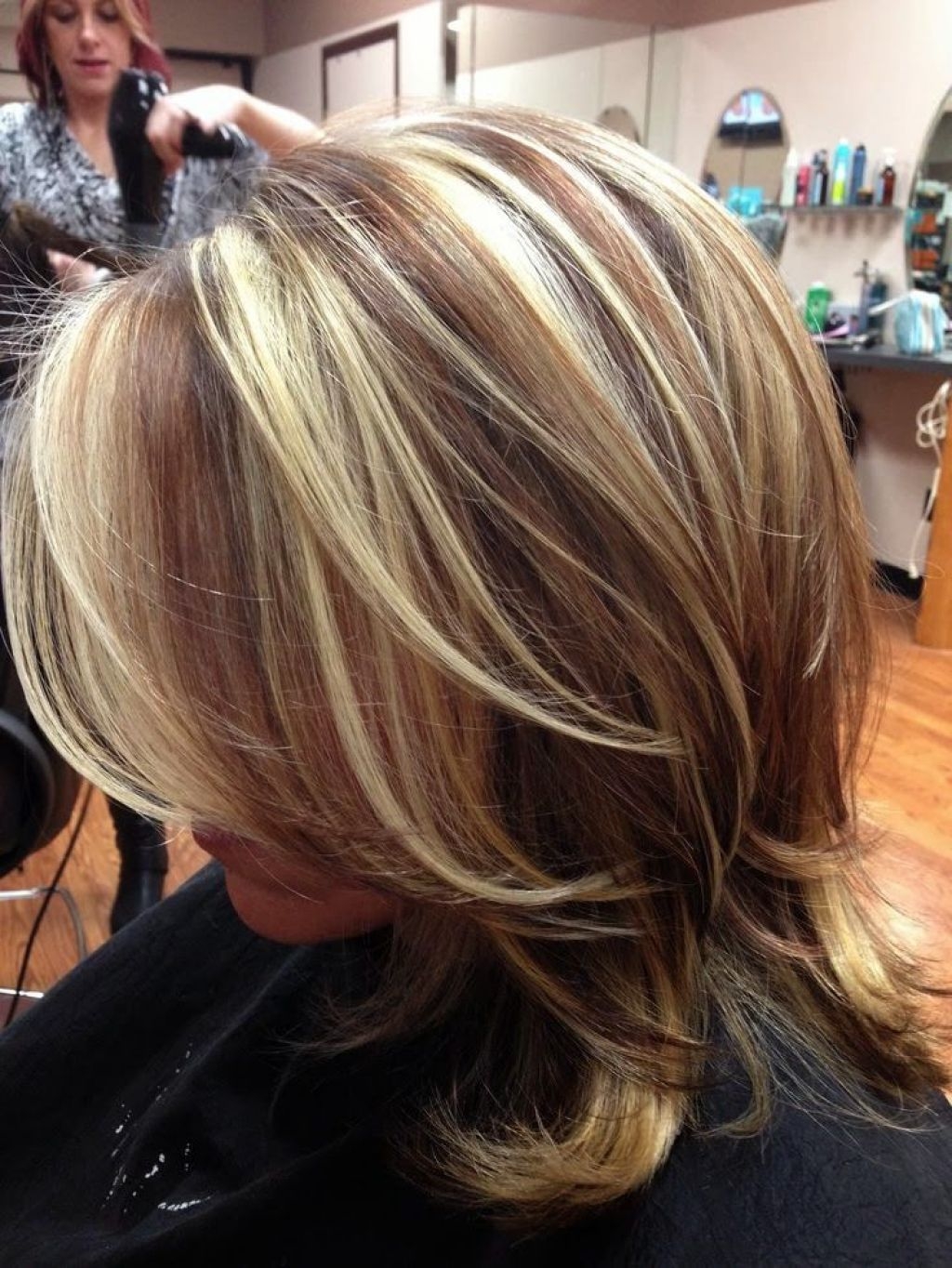
Balancing bright surface tones with a deeper base requires sophisticated color theory and precision application. The multi-dimensional look of blonde hair with dark blonde underneath delivers modern edge, natural root-shadowing benefits, and reduced maintenance cycles. Navigating this contrasting color placement requires understanding hair lifting limits, chemical integrity, and tailored maintenance protocols.
Decoding the Mechanics of Dual-Tone Blonde Aesthetics
Achieving a harmonious contrast between surface lightness and a deeper underlayer relies on controlled decolorization and precise color placement. Colorists utilize structural sectioning to isolate the crown and top layers from the nape and interior sections. This keeps the crown bright while preserving depth below.
- Top and Crown Isolation: The exterior panels receive high-lift lightener or heavy highlighting to achieve platinum, honey, or golden blonde surface hues.
- Interior Depth Preservation: The underlayer utilizes a dark blonde or ash-brown formulation, either left virgin or deposited with a demi-permanent gloss to ensure rich saturation.
- Transition Zone Blending: A smudge root or root tap technique merges the top and bottom sections, preventing harsh horizontal lines.
Maintaining structural integrity during this process requires strict adherence to modern hair science. Using bond-building additives during the lifting phase mitigates cuticle damage, while precise developer volumes safeguard the hair shaft against breakage.
Strategic Advantages and Limitations of Split-Tone Color
Evaluating dual-tone hair design requires a clear look at both practical benefits and long-term upkeep demands. The following analysis outlines how this technique performs in professional and daily settings.
| Evaluation Metric | Surface Blonde with Dark Blonde Underside | Single-Process All-Over Blonde |
|---|---|---|
| Root Maintenance Frequency | Every 8 to 12 weeks (natural underlayer masks harsh regrowth lines) | Every 4 to 6 weeks (requires constant scalp bleaching) |
| Structural Hair Integrity | Higher retention (lower percentage of hair undergoes chemical lifting) | Lower retention (100% of the hair fiber experiences repeated lightener exposure) |
| Styling Versatility | High (half-up styles, braids, and curls expose the contrasting underlayer) | Moderate (uniform color profile limits dimensional play) |
| Initial Salon Investment | High (requires advanced corrective foiling and customized tinting) | Moderate to High (standard application, high ongoing touch-up cost) |
Step-by-Step Professional Color Application Process
Executing this dimensional color style demands a methodical, multi-stage approach in the salon chair. Master colorists follow a strict protocol to ensure even saturation and minimal chemical degradation.
- Initial Strand Test and Consultation: Assess the hair’s elasticity, porosity, and previous color history to determine safe lifting thresholds and target shades.
- Precision Sectioning: Divide the head horizontally from ear to ear, clipping the upper crown away to isolate the entire nape and lower occipital zone for the dark blonde application.
- Underlayer Color Formulation: Apply the dark blonde permanent or demi-permanent tint to the interior sections, ensuring complete saturation from roots to ends without bleeding into the upper clips.
- Surface Lightening Application: Release the top sections and apply fine weaves or babylights using a foil or balayage technique. Process with a bond-multiplier to protect the hair bonds.
- Toning and Glossing: Rinse the lightener once the target pale yellow level is reached. Apply a neutralizing toner to the blonde sections to eliminate unwanted brassy warmth, followed by a stabilizing wash to lock in cuticles.
Advanced Maintenance and Home Care Protocols
Preserving the contrast between bright blonde surfaces and dark blonde underlayers requires targeted home maintenance. Because lightened hair and colored lowlights react differently to environmental stressors, a customized regimen is essential.
Color Protection Standards
Sulfate-Free Cleansing: Wash hair no more than two to three times per week using a color-safe, sulfate-free shampoo to prevent the dark blonde underlayer from fading prematurely.
Targeted Toning: Incorporate a purple shampoo once a week exclusively on the surface blonde sections to neutralize yellow undertones, keeping the top layers crisp.
Thermal Shielding: Always apply a professional-grade heat protectant spray before blow-drying or styling with hot irons to prevent heat-induced color fade and structural dryness.
Frequently Asked Questions
What is the primary benefit of having dark blonde hair underneath a lighter blonde surface?
The primary benefit is significantly lower maintenance, as the darker underlayer naturally masks root regrowth and adds visual depth, reducing salon visits. This technique also preserves more of the hair's overall strength by limiting heavy chemical lightener to only the top sections.
How often do I need to visit the salon for touch-ups with this color technique?
Surface highlights or root touch-ups are typically required every 8 to 12 weeks, while the dark blonde underlayer may only need a gloss refresh every 10 to 14 weeks. This extended timeline is made possible by the seamless blending at the crown and nape.
Can this dual-tone look be achieved on naturally dark or black hair?
Yes, but it requires a multi-step color correction process to lift the top layers safely to a pale blonde without causing severe breakage. The underlayer can be colored to a dark blonde or light brown to create a striking, deliberate contrast.
Will the dark blonde dye bleed into the light blonde sections during washing?
Professional colorists utilize low-pH sealing treatments and proper rinsing techniques in the salon to lock in color molecules. At home, using cool water and color-safe products prevents the dark pigment from migrating into the lighter highlights.
How should I style my hair to best showcase the two-tone effect?
Half-up styles, messy buns, textured waves, and loose braids naturally expose the contrasting dark blonde underlayer against the bright surface blonde. These styles maximize the multi-dimensional impact of the color design.
Elevate your style in 2026 by consulting with a certified color specialist to design a customized dual-tone blonde palette tailored to your skin tone, face shape, and hair history.