CarePortal is a technology-driven platform that connects child welfare agencies with local faith-based organizations and community members to meet the immediate needs of vulnerable families. By digitizing the process of identifying and fulfilling requests for resources or services, it prevents foster care entries and supports successful family reunification across the country.
CarePortal serves as a "relational bridge" in the social services sector. In 2026, it remains a critical infrastructure component for state and private child welfare agencies, providing a real-time communication loop between those who see a need and those who have the capacity to help. The platform operates on the premise that local communities, particularly faith-based groups, are often willing to help but lack the visibility into the specific, urgent needs of their neighbors.
The Core Mechanics: How CarePortal Functions
The technical heart of CarePortal is a sophisticated notification and logistics engine. It transforms the way social workers interact with the community by replacing manual, time-consuming outreach with an automated, geo-fenced communication system.
The Request Lifecycle
The process begins with a vetted professional, typically a caseworker from a government agency or a designated non-profit partner. When this professional identifies a family in crisis—perhaps a single mother needing a crib to bring her newborn home from the hospital, or a family requiring a utility payment to prevent eviction—they log into the CarePortal platform.
- Request Entry: The caseworker enters the specific need, categorized by type (e.g., physical items, services, or relational support).
- Geographic Targeting: The system identifies churches and community members within a specific radius of the family's location. This ensures that the help is local and sustainable.
- Notification Blast: Registered responders receive an email or mobile app notification detailing the need, the general location (while preserving family privacy), and the "why" behind the request.
- Response and Coordination: A church or individual "claims" the request. The platform then facilitates a direct connection between the responder and the caseworker to coordinate the delivery of items or services.
Tiers of Involvement
CarePortal is not a monolithic service; it is a scalable network. In 2026, the platform continues to utilize a tiered structure to categorize the urgency and nature of the needs:
- Tier 1: Physical Needs. These are the most common requests, including beds, car seats, clothing, and appliances.
- Tier 2: Relational/Support Needs. This involves human capital, such as babysitting, mentoring, or transportation assistance.
- Tier 3: Family Support Teams. This represents a long-term commitment where a community group wraps around a family to provide ongoing stability.
Stakeholder Roles and Responsibilities
For CarePortal to function effectively, multiple distinct entities must cooperate within the ecosystem. Each role has specific prerequisites and operational guidelines.
Child Welfare Agencies (Requesting Providers)
Government agencies (like the Department of Child Services) or authorized private agencies are the gatekeepers of the platform. Their primary responsibility is vetting. Because they are already working with these families, they ensure that the requests are legitimate and that the assistance provided will materially improve the family's situation. Agencies must sign a Memorandum of Understanding (MOU) to participate, ensuring data privacy and adherence to state regulations.
Implementing Churches
Churches serve as the primary "nodes" of the network. A church joins CarePortal by forming a "Response Team." This team consists of a Point of Contact (POC) and several responders. When a request is received, the POC evaluates the church’s resources and determines if they can meet the need. Churches often maintain "Care Closets" or discretionary funds specifically for CarePortal requests.
Community Champions and Individual Responders
Recognizing that not everyone is affiliated with a church, CarePortal allows individuals and businesses to join as Community Champions. These participants can provide financial support or fulfill specific requests. Businesses often use the platform as part of their Corporate Social Responsibility (CSR) initiatives, providing professional services like HVAC repair or plumbing for families in the system.
Safety, Privacy, and Data Security
Given the sensitive nature of child welfare, CarePortal employs rigorous security protocols. In 2026, the platform adheres to modern data protection standards to ensure that the identities of vulnerable children and families remain confidential.
Information Redaction
When a request is sent out to the network, the family’s name and exact address are never disclosed in the initial notification. Only the general neighborhood (often defined by zip code or a broad geographic area) and the specific needs are shared. Personal identifying information (PII) is only released to the specific responder who has been vetted and approved to fulfill that specific request, and even then, often under the supervision of the caseworker.
Background Checks and Vetting
Individual responders who intend to have direct contact with families are typically required to undergo background checks. CarePortal provides a framework for this, but the primary responsibility for ensuring the safety of the interaction often lies with the church leadership or the agency overseeing the case. This multi-layered vetting process is designed to prevent bad actors from accessing vulnerable populations.
Strategic Impact on the Foster Care System
The primary goal of CarePortal is to reduce the burden on the traditional foster care system. By providing "upstream" interventions, the platform addresses the root causes of child removal—often related to poverty rather than abuse.
- Prevention: If a family is at risk of losing their children because they lack a safe sleeping environment (no beds), a CarePortal request can solve that problem in 48 hours, keeping the family intact.
- Reunification: For children already in foster care, returning home often requires the biological parents to meet certain physical requirements (e.g., having a stocked pantry or a functioning refrigerator). CarePortal accelerates this process by providing those items quickly.
- Foster Support: When children must be in foster care, CarePortal supports foster parents by providing the extra resources they need to give the child a stable environment, thereby reducing "placement disruptions."
Financial and Operational Considerations
CarePortal is a non-profit initiative, but maintaining the technological infrastructure and the local "Field Ops" staff requires funding.
| Entity | Primary Role | Cost/Financial Commitment |
|---|---|---|
| State Agencies | Entering requests, vetting families | Usually no cost; covered by state partnerships. |
| Enrolled Churches | Fulfilling requests, providing community | Monthly platform fee (tiered based on church size). |
| Community Champions | Funding and providing items | One-time or recurring donations; cost of goods. |
| Businesses | Providing pro-bono or discounted services | Donated labor or materials; optional sponsorships. |
The monthly platform fee for churches covers the cost of the software, the local "Ambassadors" who facilitate the network, and the expansion of the platform into new territories. This "SaaS-for-Good" model ensures the platform remains sustainable without relying solely on sporadic grants.
Setting Up a Response Team: A Step-by-Step Guide for Organizations
If a faith-based organization or community group wishes to join CarePortal in 2026, the following steps are standard:
- Informational Meeting: Potential partners meet with a regional CarePortal Ambassador to understand the specific needs of their local county.
- Enrollment: The organization signs the partnership agreement and pays the initial setup/monthly fee.
- Team Formation: A "CarePortal Lead" is appointed to manage the account. This person recruits "Responders" who will receive the notifications.
- Setting Preferences: The team sets their "geographic strike zone" (how far they are willing to travel) and the types of needs they are best equipped to handle.
- Activation: Once the account is live, the team begins receiving real-time notifications. They can respond to as many or as few as their budget and volunteer capacity allow.
Common Challenges and Troubleshooting
While the platform is highly efficient, users occasionally encounter hurdles. Understanding these common issues is vital for long-term success.
- Request Fatigue: Churches in high-need areas may receive dozens of requests a week. To mitigate this, CarePortal allows teams to toggle their "availability" or limit the number of notifications they receive.
- Communication Gaps: Occasionally, a caseworker may be slow to respond after a church claims a request due to high caseloads. CarePortal has built-in "nudges" and escalation paths to ensure that requests don't fall through the cracks.
- Logistical Hurdles: Delivering large items (like bunk beds) requires trucks and labor. Successful Response Teams often partner with local moving companies or have a dedicated group of volunteers with trucks on standby.
Comparison with Traditional Charity Models
Unlike a traditional food pantry or clothing closet, CarePortal is demand-driven rather than supply-driven.
In a supply-driven model, a charity collects what it thinks people need and then waits for people to come and get it. This often leads to surpluses of unneeded items and shortages of critical ones. CarePortal flips this: the community only provides what a professional has identified as an actual need for a specific family. This eliminates waste and ensures that every dollar or hour spent has a direct, verified impact.
Furthermore, CarePortal focuses on proximity. By connecting a local church to a family three miles away, it creates the possibility for a long-term relationship that outlasts the initial physical need. This "relational" aspect is something that state agencies, despite their best efforts, are not designed to provide.
The Role of Technology in 2026
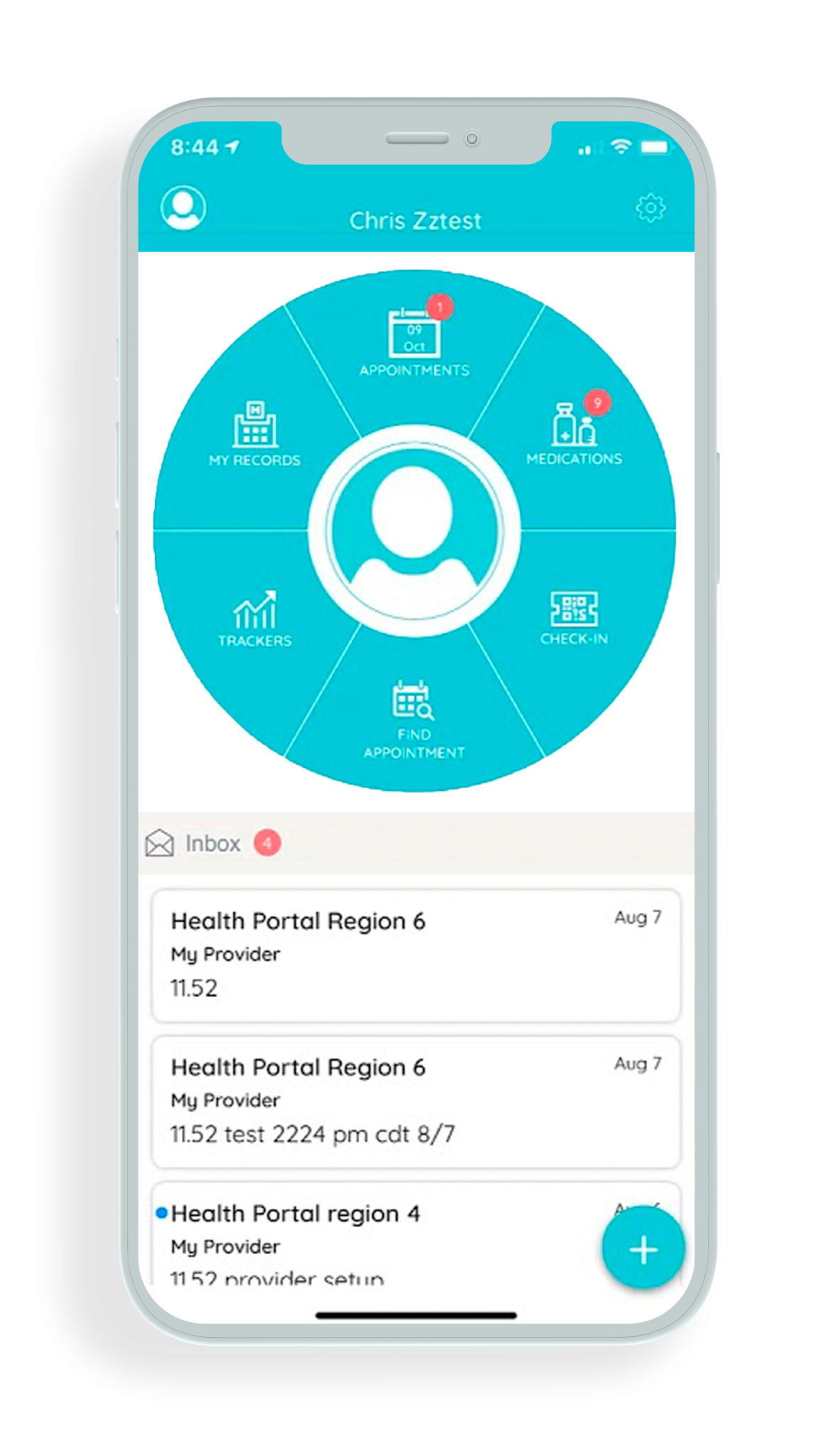
As of 2026, CarePortal has integrated several advanced features to streamline the process. The mobile app now includes real-time tracking for deliveries and an integrated "giving" platform where church members can fund a specific request with a single tap. The use of AI-driven analytics helps regional managers predict "need surges" based on economic data, allowing churches to prepare their resources in advance.
The platform also offers improved reporting tools for agencies. Caseworkers can now see the "Social Return on Investment" (SROI) for their county, tracking how many children were kept out of foster care specifically due to community responses through the portal. This data is vital for securing continued state support and private philanthropic funding.
Frequently Asked Questions
Is CarePortal only for churches?
While faith-based organizations were the founding partners and remain a primary pillar, the platform has expanded significantly. Individuals, community groups, and businesses can all participate as "Community Champions." However, the "implementing" partner that manages the bulk of the response is often a church because of their existing volunteer infrastructure and community focus.
How are the families vetted?
Families cannot sign themselves up for CarePortal. Every request must be entered by a "Requesting Provider"—usually a government caseworker, school social worker, or authorized medical professional. These professionals have already conducted home visits and verified that the family is in need and that the requested item will assist in stabilizing the home.
What happens if a church can't fulfill a request they claimed?
If a church realizes they cannot fulfill a request they previously claimed (e.g., the volunteer with the truck is no longer available), they can "un-claim" the request in the portal. This puts the request back into the "open" pool so that another church or responder in the area can see it and step in.
Does the family have to be religious to receive help?
No. There is no religious requirement for the families receiving help. The goal of the platform is to meet the needs of vulnerable families regardless of their faith or background. While the responding churches are motivated by their faith, the service is provided as a gift to the community.
Is CarePortal available in every state?
As of 2026, CarePortal has reached near-national coverage in the United States and has active operations in several international locations. However, its presence in a specific county depends on a partnership between local child welfare agencies and a network of participating churches. You can check the CarePortal website for a real-time map of active "Care Zones."
Practical Recommendation
For those looking to make a tangible impact in the child welfare space, the best next step is to visit the official CarePortal website and search for your local zip code. If a network already exists in your area, you can sign up as an individual responder or talk to your local organization about forming a Response Team. If your area is not yet active, you can reach out to the Global Orphan Project to learn about the requirements for "launching" a new county. The success of the platform depends entirely on local engagement; even a small response team can be the difference between a child staying with their family or entering the foster care system.