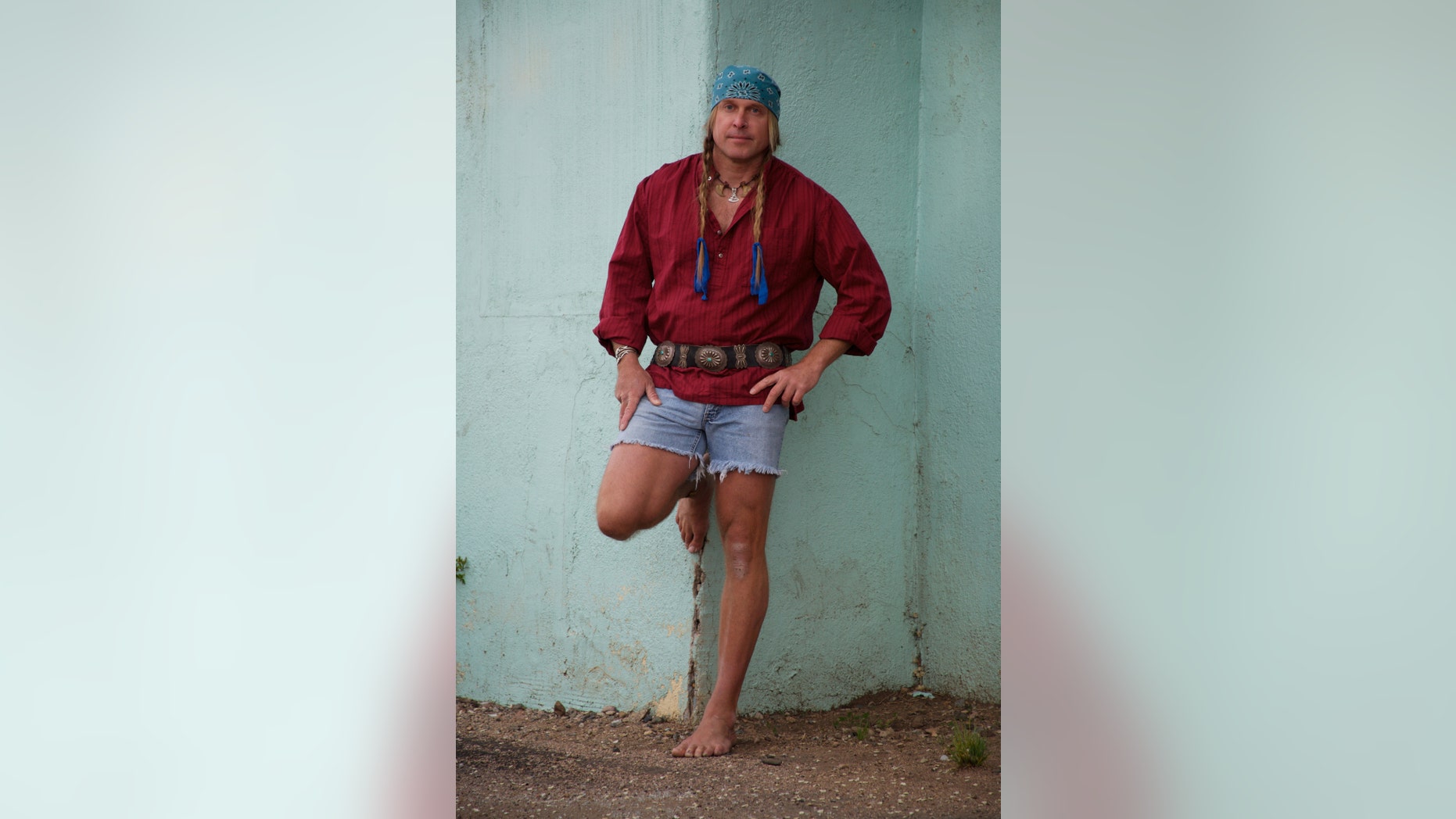
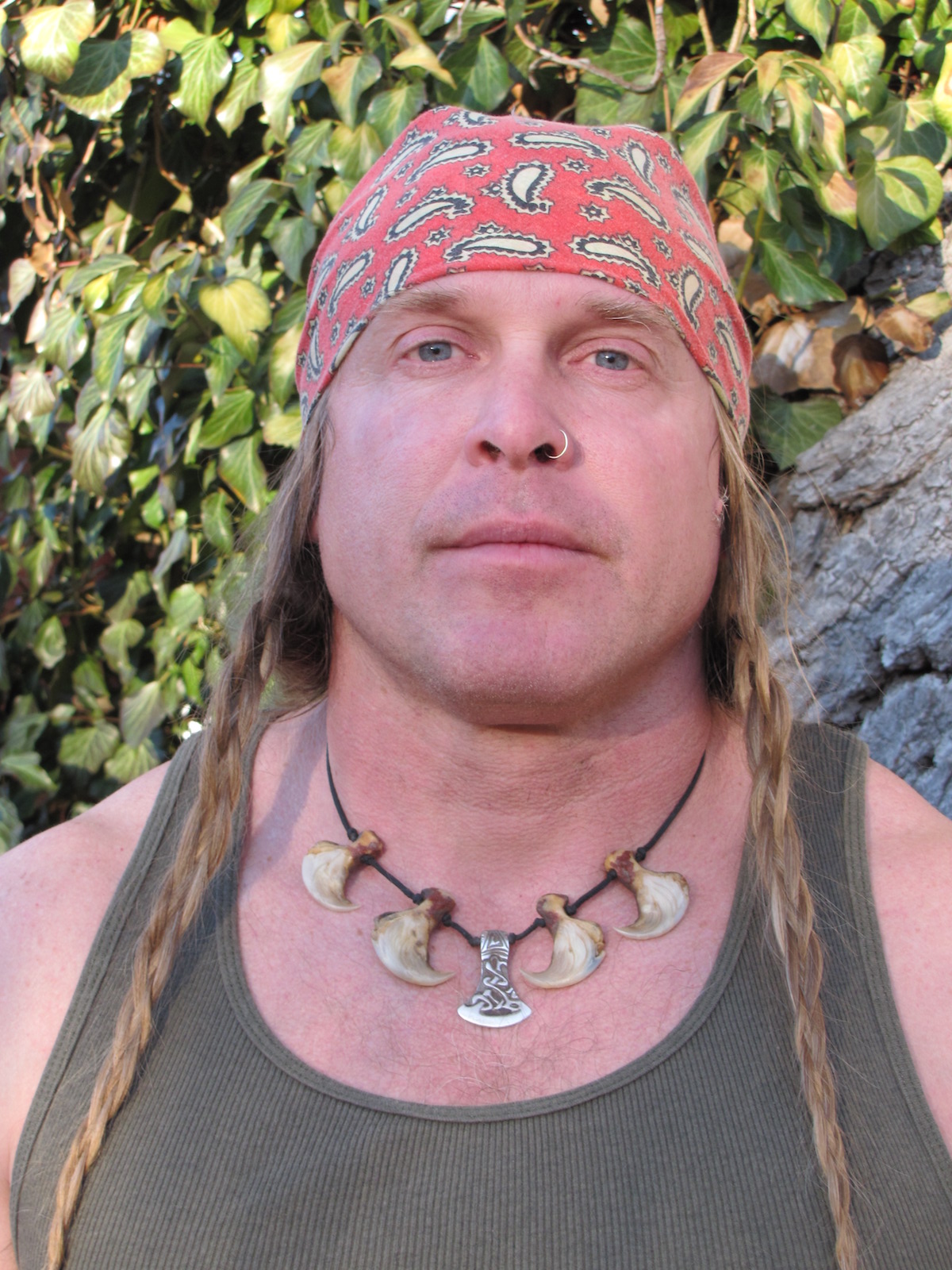
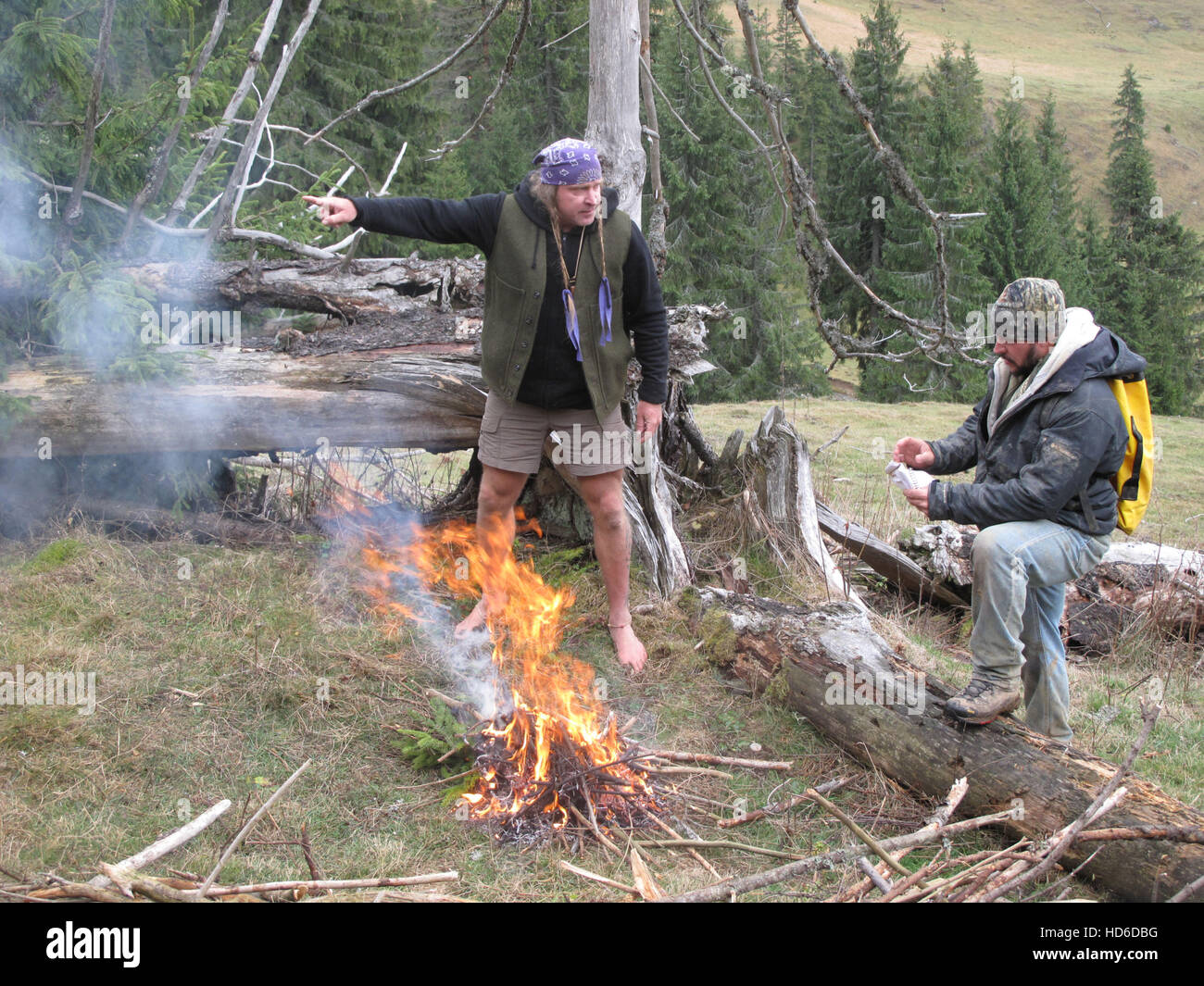
Cody Lundin is a professional survival instructor, author, and television personality best known for his expertise in primitive living skills and his unique "barefoot" approach to the wilderness. As the founder of the Aboriginal Living Skills School (ALSS) in Arizona, Lundin has spent over three decades teaching the physiological and psychological aspects of self-reliance, emphasizing core body temperature regulation and minimalist tool usage.
The Core Philosophy of Cody Lundin: Survival as Science
To understand Cody Lundin, one must first look past the long braids and the lack of footwear. His approach to survival is rooted deeply in human physiology and thermodynamics rather than the "tactical" or "militaristic" approach often seen in modern media. Lundin’s primary thesis is that the human body is a heat-producing machine that must maintain a core temperature of approximately 98.6 degrees Fahrenheit to survive.
The Science of 98.6 Degrees
Lundin’s most famous contribution to survival literature is the concept that almost all wilderness deaths are caused by a failure to regulate body temperature—specifically through hypothermia (being too cold) or hyperthermia (being too hot). While most survival manuals focus on building elaborate traps or navigation by stars, Lundin focuses on the "Big Five" of survival: shelter, water, fire, food, and signaling, all viewed through the lens of maintaining homeostasis.
By prioritizing the body's internal state, Lundin simplifies the survival process. If a survivor is cold, the immediate priority is not finding food (which takes days to kill a person) but rather creating a micro-climate via clothing or shelter to stop heat loss through conduction, convection, radiation, and evaporation. This evidence-based approach has made his teachings a staple for Search and Rescue (SAR) teams and outdoor professionals worldwide.
The Primitive and Modern Hybrid
While Lundin is a master of "primitive" skills—such as friction fire and lithic (stone) technology—he is not a Luddite. He advocates for a "survival kit" that utilizes modern materials where they are most efficient. He often recommends simple, high-visibility items like large orange trash bags (for emergency bivouacs) and Swedish fire steels. His philosophy bridges the gap between how our ancestors lived for millennia and the practical needs of a modern hiker who finds themselves lost in the desert or woods.
The Aboriginal Living Skills School (ALSS)
Founded in 1991, the Aboriginal Living Skills School is based in the high-desert wilderness of Prescott, Arizona. It remains one of the oldest and most respected survival schools in North America. As we look at the landscape of survival training in 2026, the ALSS stands out for its commitment to "hands-on" experience rather than classroom-only learning.
Curriculum and Methodology
The school offers a diverse range of courses that cater to different skill levels, from weekend enthusiasts to professional guides. The curriculum typically covers:
- Primitive Living Skills: Learning to live off the land using only what nature provides, including basketry, hide tanning, and bow-drill fire making.
- Modern Wilderness Survival: Focuses on the "survival kit" and the psychological mindset required to handle a 72-hour emergency.
- Desert Survival: Specific techniques for water procurement and heat management in arid environments, a specialty of Lundin’s given his Arizona upbringing.
- Urban Preparedness: Adapting survival mindsets to man-made disasters, power outages, and societal disruptions.
Lundin’s teaching style is notoriously rigorous. He emphasizes that "the more you know, the less you carry," a mantra that encourages students to develop their cognitive abilities and physical skills rather than relying on a backpack full of expensive gadgets.
Literary Contributions: Essential Reading for Survivalists
Cody Lundin has authored two seminal books that have redefined the survival genre. His writing style is distinct, characterized by a mix of heavy scientific fact, blunt humor, and "hippie" sensibility.
98.6 Degrees: The Art of Keeping Your Ass Alive
Published in 2003, this book remains a bestseller in the outdoor category. It deviates from traditional survival manuals by focusing on the psychology of fear and the physiology of the human body. Lundin uses "scaredy-cat" cartoons and approachable language to explain complex biological processes. The book is credited with moving the survival conversation away from "macho" posturing toward practical, life-saving techniques.
When All Hell Breaks Loose: Stuff You Need to Survive When Disaster Strikes
Released in 2007, this follow-up focuses on disaster preparedness in a home or urban setting. It covers everything from sanitation (how to deal with human waste when the toilets don't flush) to food storage and emergency medical care. The book is known for its comprehensive "to-do" lists and its insistence on personal responsibility. In an era where climate volatility and infrastructure concerns are prominent, the advice in this volume remains as relevant in 2026 as it was twenty years ago.
Television Career and "Dual Survival"
Cody Lundin reached global fame as the co-host of the Discovery Channel series Dual Survival, which premiered in 2010. The show’s premise involved pairing two survivalists with radically different philosophies and backgrounds to see how they would collaborate (or clash) in various survival scenarios.
The "Odd Couple" Dynamic
For the first several seasons, Lundin was paired with Dave Canterbury, a former Army sniper with a tactical, gear-heavy approach. The contrast between Lundin’s barefoot, minimal-impact philosophy and Canterbury’s "hunt and gather" military style created a compelling educational dynamic. Lundin often served as the voice of caution, focusing on hydration and energy conservation, while Canterbury focused on extraction and mobility.
Departure and Controversy
Lundin’s tenure on the show ended during the fourth season. His departure was marked by a highly publicized disagreement with the production team regarding safety protocols. Lundin argued that certain scenarios staged by the producers were inherently dangerous and promoted "survival myths" that could get viewers killed. This led to a legal dispute with Discovery Channel, which was eventually resolved.
Following his exit, the show continued with different hosts (including Joe Teti and Matt Graham), but many long-term fans feel that the original pairing of Lundin and Canterbury represented the pinnacle of survival television due to the genuine ideological tension and the high caliber of the instruction.
The "Why" Behind the Barefoot Lifestyle
The most frequent question Cody Lundin faces is regarding his choice to go barefoot (or wear wool socks with clogs) in extreme environments, including snow and hot desert sand. This is not a gimmick; it is a calculated choice based on his personal philosophy and physical conditioning.
- Thermoregulation: Lundin argues that the feet are a primary site for heat exchange. By keeping his feet exposed or lightly covered, he can better regulate his core temperature.
- Sensory Feedback: Walking barefoot allows for a more intimate connection with the terrain. It forces the walker to be mindful of every step, reducing the likelihood of slips or injuries that occur when one is "numb" to the ground inside a heavy boot.
- Physical Conditioning: Over decades, Lundin has developed thick calluses and strengthened the small muscles of his feet, allowing him to traverse terrain that would be impossible for the average person without shoes.
- Minimalism: It serves as a literal manifestation of his "carry less" philosophy.
While he does not necessarily recommend that his students go barefoot—recognizing that most people lack the years of "conditioning" required—he uses it as a teaching tool to demonstrate the adaptability of the human body.
Technical Comparison: Primitive vs. Modern Survival Techniques
Lundin teaches both primitive and modern methods. The following table compares how these two approaches address the fundamental needs of a survivor.
| Survival Need | Primitive Method (Aboriginal) | Modern Method (Self-Reliance) |
|---|---|---|
| Fire | Hand drill or Bow drill (friction) | Ferrocerium rod and striker |
| Shelter | Debris hut using leaves and branches | 55-gallon orange trash bag / Space blanket |
| Water | Solar still or rock boiling | Iodine tablets or Sawyer-style filters |
| Cutting | Knapped flint or obsidian blades | High-carbon steel fixed-blade knife |
| Signaling | Smoky signal fires / Ground signals | Signal mirror or whistles |
| Cordage | Yucca or inner bark fiber (processed) | 550 Paracord or bank line |
Current Status and Influence in 2026
As of 2024–2026, Cody Lundin continues to be a vocal advocate for authentic survival training. He has moved away from the mainstream reality TV circuit, focusing instead on his school and his digital presence. He remains a critic of the "entertainment-first" survival industry, frequently calling out shows or instructors that prioritize ratings over safety and factual accuracy.
His influence can be seen in the "minimalist" movement within the bushcraft community and the increasing focus on the "psychology of survival" in outdoor education. Many of his former students have gone on to become instructors themselves, spreading his "98.6-degree" gospel to a new generation of adventurers.
Frequently Asked Questions
Does Cody Lundin ever wear shoes?
Yes, but very rarely and usually only for specific legal or safety requirements (such as in certain airports or industrial settings). In the wilderness, he almost exclusively uses wool socks paired with Swedish-style clogs or simply goes barefoot. He has conditioned his feet for over 30 years to handle various terrains.
What happened to Cody Lundin's lawsuit against Discovery?
The lawsuit, which was filed in 2014, alleged that the network and the producers of Dual Survival intentionally edited footage to make it look like Lundin was losing his mind or acting unprofessionally. The legal battle lasted for years and was eventually settled out of court. Lundin has since been very open about the "fake" nature of reality TV and the importance of integrity in survival training.
What kind of knife does Cody Lundin recommend?
Lundin is a long-time advocate of the Mora knife (specifically the Mora Classic #1 or #2). He prefers them because they are inexpensive, have a simple carbon steel blade that is easy to sharpen, and possess a "Scandi grind" which is excellent for woodworking. He famously advocates for the "neck knife" carry style for quick accessibility.
Is the Aboriginal Living Skills School still open?
Yes, the school remains active in Arizona. It continues to offer specialized courses in primitive living and wilderness survival. Lundin personally instructs many of the courses, maintaining a high standard of student-to-teacher interaction that is rare in larger, commercialized survival schools.
Can a beginner take a course with Cody Lundin?
Absolutely. Many of the courses at the ALSS are designed for "the common person." Lundin often emphasizes that survival skills are for everyone—grandparents, children, and office workers—not just "hardcore" outdoorsmen. He tailors his instruction to the physical and mental level of the student.
Practical Recommendation for Aspiring Survivalists
For those looking to begin their journey into self-reliance, the best next step is to focus on knowledge over gear. Before purchasing an expensive survival kit, read 98.6 Degrees: The Art of Keeping Your Ass Alive. Understanding the "why" behind heat loss and the psychological "Rule of Threes" (3 minutes without air, 3 hours without shelter, 3 days without water, 3 weeks without food) will provide a more solid foundation than any piece of equipment. If possible, seek out hands-on training where you can practice fire-starting and shelter-building under the guidance of a qualified instructor who prioritizes safety and physiological science.