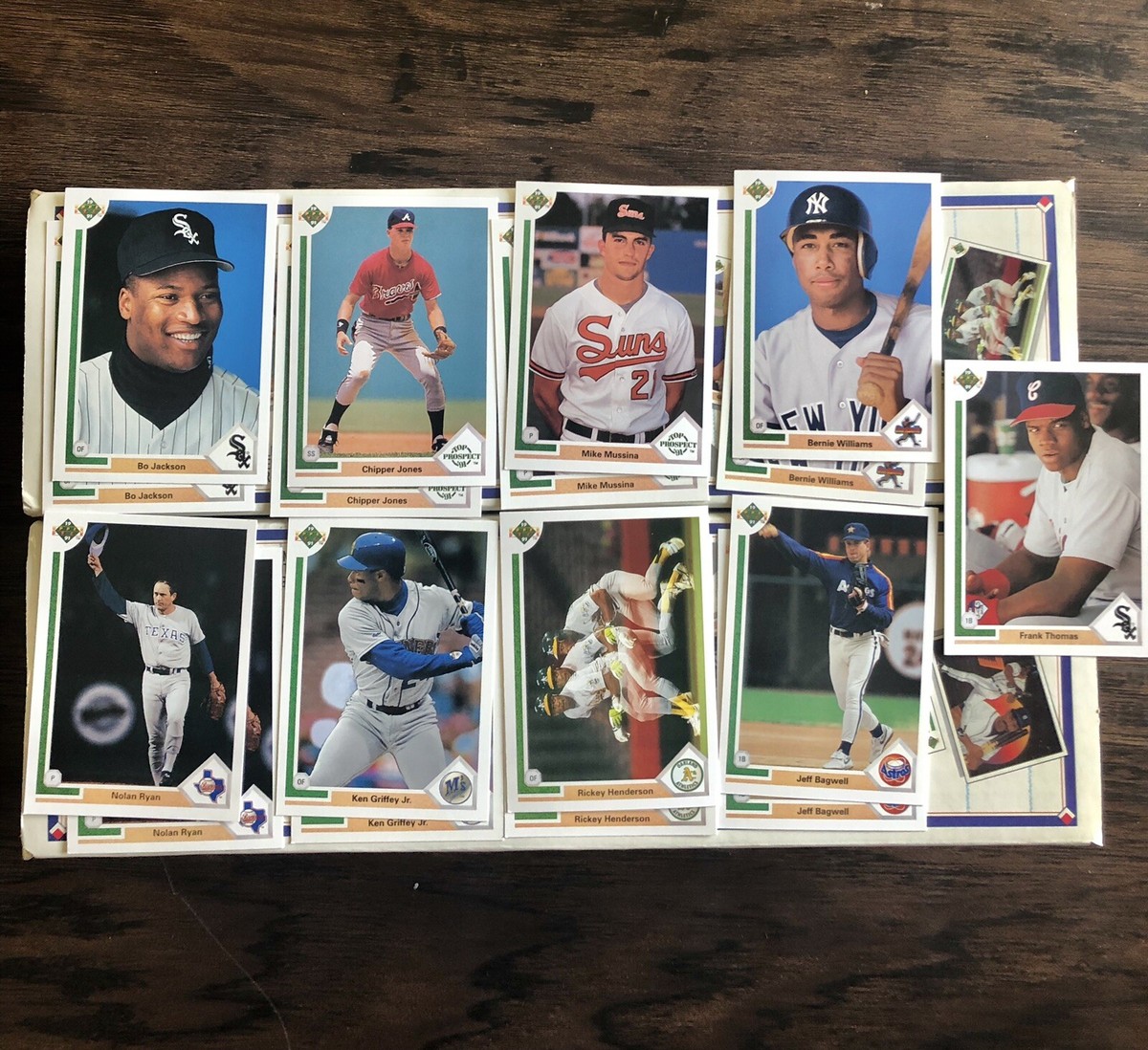
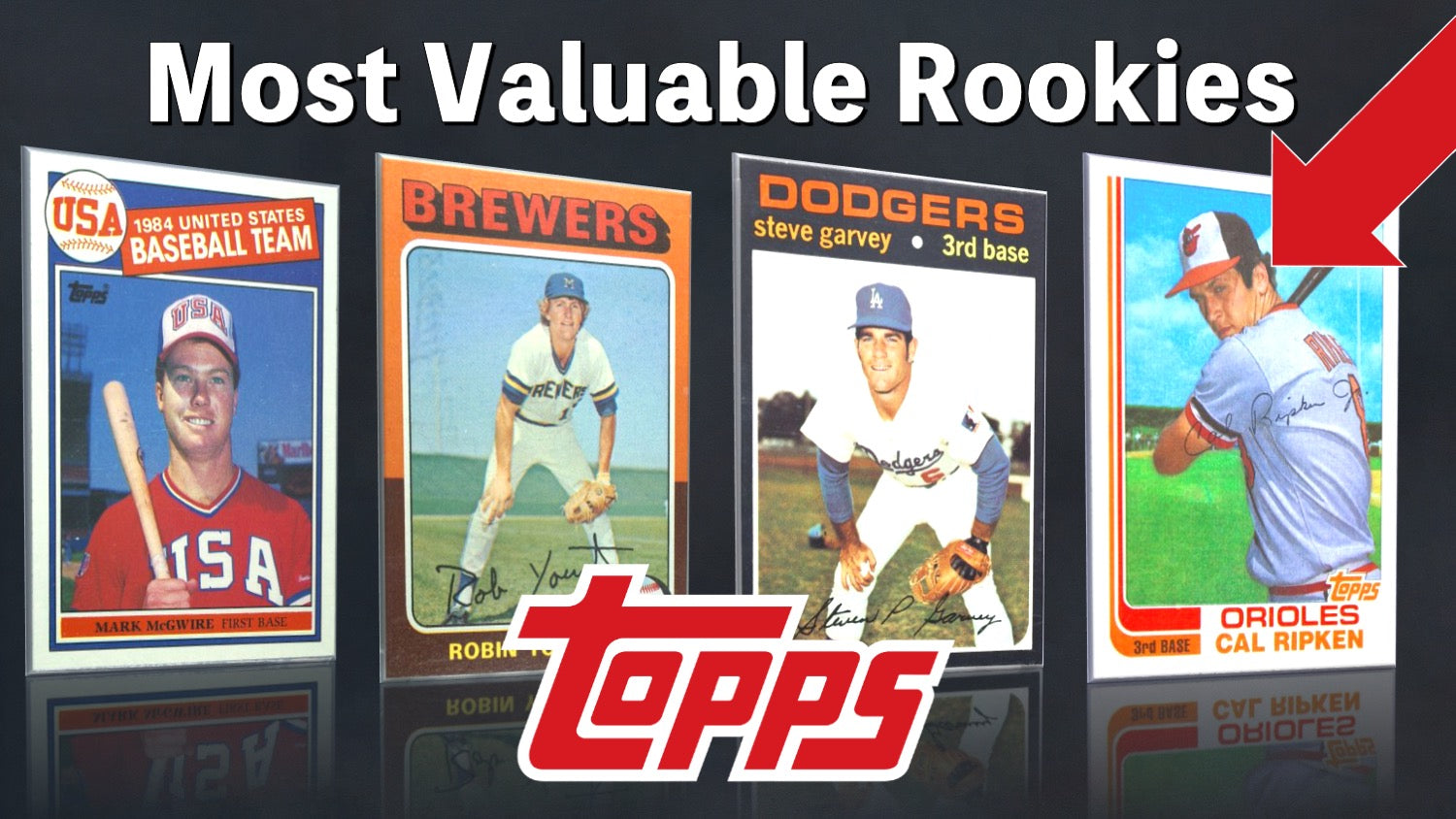
Disambiguation Note: While the broader market refers to the 1990s as the late "Junk Wax Era" filled with mass-produced base cards, this guide analyzes the ultra-rare, high-value exceptions: low-print run inserts, precious metal parallels, and landmark rookie short prints that command substantial market premiums.
The 1990s represents the most polarizing decade in sports card history. The early portion of the decade flooded the secondary market with billions of wax packs, creating millions of near-worthless base cards. However, by the mid-to-late 1990s, manufacturers shifted strategies to survive the market contraction. They introduced innovation through crash-course scarcity: game-used relics, on-card autographs, serial numbering, and complex refractor and precious metal printing technologies.
In the 2026 secondary collectibles market, vintage 1990s inserts and condition-sensitive rookie cards sit among the most liquid alternative assets in the hobby. Understanding the technical divide between worthless overproduced base printings and genuine five-figure rarities requires a granular grasp of parallel tiers, printing flaws, and third-party grading standards.
The Junk Wax Myth: Base Production vs. Engineered Scarcity
The fundamental principle governing 1990s baseball card values is the distinction between print runs of base checklist issues and true insert parallels. In the early 1990s, companies like Score, Fleer, Upper Deck, Donruss, and Topps operated at print capacities estimated in the millions of copies per individual base card. A 1990 Donruss base card or 1991 Fleer card will almost never accrue financial value, even in pristine condition, because supply indefinitely outstrips organic collector demand.
Value migration within 1990s sports cards relies entirely on engineered scarcity introduced between 1993 and 1999:
- Finite Serial Numbering: Manufacturers began stamping individual serial numbers onto card stock (e.g., /50, /100, or /1000), proving verifiable scarcity on the secondary market.
- Parallels with Exponential Pack Odds: Inserts like Refractors or Mirror parallels were inserted at rates of 1:72, 1:288, or even 1:1,440 packs, making a master set completion virtually impossible from retail wax alone.
- Condition Fragility: Production choices such as dark-colored borders (1993 SP Baseball), fragile foil coatings, and die-cut acetate edges meant pristine, unchipped copies faced attrition rates north of 90% straight out of the foil packaging.
Top Tier 1990s Baseball Cards Commanding Elite Values
The modern market strictly values condition-sensitive rookie keys and scarce late-decade insert technology. The following cards represent the apex of collectible value for the era.
1. 1993 SP Derek Jeter Foil Rookie #279
The undisputed king of modern modern baseball cards. Upper Deck intended the 1993 SP set as a premium tier product. Card #279 features an all-foil surface that is notorious for chipping along the delicate outer edges and corners directly from factory packaging. Surface scratching from automated packaging rollers further decimated high-grade survival rates.
A raw copy or mid-grade PSA 7 may trade for moderate sums, but a certified PSA 10 Gem Mint copy commands six-figure valuations in the current 2026 market due to an exceptionally low population count relative to total submissions.
2. 1997 Metal Universe Precious Metal Gems (PMG)
SkyBox introduced the Precious Metal Gems concept across sports, and the 1997 baseball series holds mythological status among high-end collectors. With print runs strictly limited to 100 serial-numbered copies (traditionally featuring 10 Emerald Green versions and 90 Red versions), finding premier stars like Ken Griffey Jr., Frank Thomas, or Cal Ripken Jr. is an extraordinary event.
The foil foil-stamped card stock is thin and vulnerable to extensive perimeter flaking, meaning even authentic mid-grade copies routinely cross major auction blocks with five-figure price tags.
3. 1998 Donruss Crusaders (Red, Gold, and Purple)
Donruss utilized complex holofoil and mirror-finish manufacturing to produce the Crusader inserts, spread across various Donruss, Leaf, and Preferred product lines. Featuring three distinct tiers—Green/Red (varied print runs), Purple (/100), and Gold (/25)—these cards set the modern aesthetic standard for high-end 90s inserts. The Gold Crusader parallels of icons like Ken Griffey Jr. and Barry Bonds remain centerpiece grails for high-net-worth player collectors.
4. 1993 Finest Refractor Ken Griffey Jr. #110
Topps launched the Finest line in 1993, debuting "Refractor" technology: a micro-thin, rainbow-sheen prism layer laminated over standard card stock. Inserted at an approximate rate of 1 in every 15 packs across a 199-card checklist, acquiring a specific player like Griffey in top condition proved challenging.
Collectors face a structural preservation challenge termed "greening," where the silver metallic coating oxidizes over decades due to atmospheric exposure, dramatically penalizing grading scores on unpreserved copies.
Technical Comparison of Top 1990s Baseball Grails
The table below contrasts key 1990s masterworks, examining their baseline scarcity, grading vulnerabilities, and typical collector valuations for premium certified examples.
| Card Description | Release Year | Stated Print Run / Scarcity Tier | Primary Manufacturing Vulnerability | Value Benchmark (PSA 9 / PSA 10) |
|---|---|---|---|---|
| 1993 SP Derek Jeter #279 | 1993 | High Base Production (Short-printed foil) | Extreme edge/corner chipping on foil stock | Moderate (PSA 9) / Extreme Elite (PSA 10) |
| 1997 SkyBox Metal Universe PMG (Ken Griffey Jr.) | 1997 | 100 Serial Numbered (10 Green / 90 Red) | Massive perimeter foil flaking; surface scratches | Top-Tier Institutional (Five to Six Figures) |
| 1993 Topps Finest Refractor Ken Griffey Jr. #110 | 1993 | Approx. 241 copies per player (Estimated) | Chemical oxidation ("greening"); centering shift | High Premium / Rare Gem Mint Tier |
| 1998 Donruss Preferred Crusader Gold (Various Stars) | 1998 | Exactly 25 Serial Numbered Copies | Die-cut edge peeling; delicate holofoil layer | Exceptional / Low Supply Market Caps |
| 1990 Frank Thomas No Name on Front (NNOF) | 1990 | Printing Error (Estimated under 500 copies) | Heavy print dots, black border scuffs | High Five-Figure Rarity (High Grades) |
| 1996 Select Certified Mirror Gold | 1996 | Exactly 30 Serial Numbered Copies | Protective peel handling damage; corner burrs | Blue-Chip Niche Investment Tier |
The "No Name on Front" (NNOF) and Mechanical Printing Errors
Not all 1990s value originates from deliberate insert programs. The most celebrated anomaly of the era is the 1990 Topps Frank Thomas #414 "No Name on Front" (NNOF).
During an early production cycle at the Duryea, Pennsylvania printing plant, liquid or a foreign obstruction blocked black ink flow across one section of a 132-card printing sheet. This mechanical obstruction systematically erased Thomas’s name, his rookie designation, and parts of the black framing line bordering his photo.
Authenticating the 1990 Topps NNOF: Legitimate copies must feature specific corresponding print defects that occurred across that specific sheet section. The most notable marker is missing black line borders on the left side of the card frame, combined with print voids in the third-base stadium seating behind Thomas. Cards with mechanically scraped or chemically altered player names do not possess these secondary print-plate defects and are promptly rejected by authenticators.
Grading Standards: Surviving the Third-Party Review
The financial chasm between an ungraded "raw" 1990s card and a certified Gem Mint holder is broader than in any other collectibles era. Professional grading agencies like PSA (Professional Sports Authenticator), BGS (Beckett Grading Services), and SGC apply rigorous metrics that systematically downgrade 1990s production defects.
- Centering (55/45 to 60/40 Parameters): Mass-production cutting dyes in the 1990s drifted frequently. To secure a Gem Mint 10 standard, front centering must strictly fall within 55/45 to 60/40 visual tolerances.
- Foil Layer Delamination: Foil-stamped products like SP, Bowman's Best, and Pacific Crown Royale routinely suffer from adhesive breakdown, causing tiny surface bubbles or micro-peeling at the sharp edge corners.
- UV Light Fading and Chemical Greening: Early chromium stocks produced between 1993 and 1997 relied on unstable surface coatings. Exposure to oxygen and non-archival PVC storage sleeves accelerates oxidation, turning bright silver finishes into a dull, yellowish-green hue. Such discoloration will automatically disqualify a card from top-tier surface grades.
- Factory Roller Indentations: High-speed packaging machinery repeatedly pressed hard horizontal or vertical lines into the fragile foil and gloss stocks of late-90s packs, creating invisible structural depressions that only appear under focused oblique lighting.
Best Practices for Evaluating and Liquidating a 1990s Collection
When reviewing a vintage collection from the 1990s, follow a standardized diagnostic methodology to preserve equity and avoid standard market pitfalls:
- Filter Out Base Binder Sets Immediately: Do not spend capital grading base cards from 1990-1995 Upper Deck, Score, Fleer, or Topps, even if featuring legendary Hall of Famers like Cal Ripken, Ken Griffey Jr., or Nolan Ryan. If the card is not a short-printed rookie, an authenticated error, or an insert parallel, market value rarely matches third-party grading fees.
- Remove PVC Plastic Sleeves: If cards have rested inside 1990s-era 9-pocket vinyl binder pages or rigid top loaders, inspect them for oily surface residues or sticking. Transition valuable candidates into modern, non-PVC polypropylene sleeves ("penny sleeves") and acid-free semi-rigid holders.
- Perform Raking Light Inspections: Prior to submitting any card for grading, place the card flat under a 5000K daylight lamp and inspect the card at a 30-to-45-degree angle. Identify hairline scratches, structural foil indentations, and border-edge whitening that eliminate Gem Mint outcomes.
- Select Appropriate Auction Channels: High-grade 90s inserts require targeted marketing. Consigning through specialized sports memorabilia auction houses or authenticated vault services yields significantly higher realized prices than unstructured, local marketplace sales.
Frequently Asked Questions
Are regular base baseball cards from 1990 to 1995 worth anything?
With very few exceptions, standard base cards from 1990 to 1995 have minimal market value. The era was characterized by unprecedented overproduction, meaning millions of complete factory sets and unopened wax boxes remain available today. Value is almost entirely concentrated in rare condition-sensitive rookies, documented printing errors, and low-run parallels.
Why is the 1993 SP Derek Jeter rookie card so expensive in a PSA 10?
The card features a fragile, full-bleed metallic foil finish that shows edge wear, corner dings, and surface scratches directly out of factory packs. Because thousands of copies have chipped borders or surface wear, only a tiny fraction of submitted cards meet the strict criteria for a PSA 10 Gem Mint grade, driving historical market premiums.
What causes early Topps Finest cards to turn green, and does it hurt the value?
Greening is caused by the oxidation of the metallic film layer beneath the card's plastic surface coating when exposed to air, humidity, or non-archival storage materials. Professional grading companies downgrade cards with visible chemical oxidation on the surface sub-grade, significantly lowering the card's secondary market value.
How can I tell the difference between a real 1990 Topps Frank Thomas NNOF and a fake?
An authentic 1990 Topps Frank Thomas No Name on Front card is the result of a print defect that affected an entire region of the printing sheet. Genuine copies will exhibit missing black border lines along the left side of the frame and white ink voids within the stadium crowd background, features that cannot be replicated merely by scratching the name off a common base card.
What are serial-numbered baseball cards, and why are they important?
Serial-numbered cards feature mechanically stamped digits (such as 14/100) indicating the exact copy and total production run directly on the card surface. Introduced heavily in the late 1990s, serial numbers provide verifiable scarcity, proving to collectors that no further copies of that specific parallel or card were produced by the manufacturer.
Navigating the 1990s Card Market
Successfully navigating the 1990s baseball card market requires looking past nostalgic volume and focusing on genuine scarcity and condition integrity. If you have uncovered a collection containing late-90s serial-numbered parallels, unpeeled refractors, or high-grade key rookies, perform an initial condition screening using non-magnified raking light. For cards matching authenticated checklist rarities, secure third-party authentication to unlock the true secondary market value of these modern collectibles.