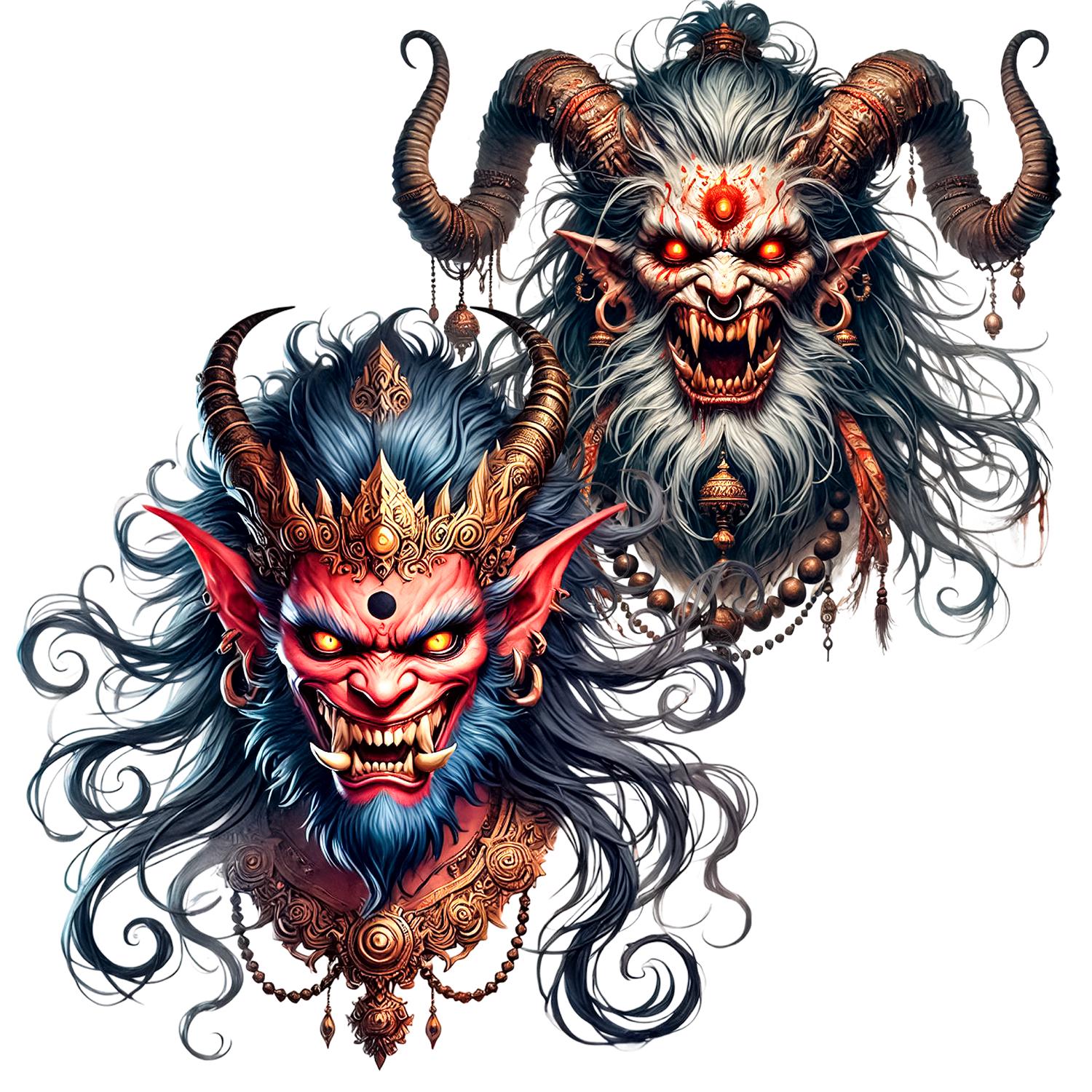
Note: This comprehensive guide focuses exclusively on the mythological, theological, and historical classifications of demons across various belief systems rather than modern psychological or pop-culture interpretations.
The systematic categorization of malevolent spiritual entities has preoccupied theologians, demonologists, and historians for millennia. When examining the diverse taxonomies found in ancient texts, grimoires, and comparative mythology, researchers find that different kinds of demons are rarely monolithic. Instead, they are organized into complex hierarchies based on their origin, operational sphere, elemental association, and rank within adversarial domains.
Navigating this intricate landscape requires an objective, scholarly examination of historical demonology texts—such as the Lesser Key of Solomon, the Malleus Maleficarum, and ancient Near Eastern mythologies—to understand how cultures across time structured the unseen spiritual forces that challenged human order.
Historical Taxonomies and Medieval Grimoire Hierarchies
During the medieval and Renaissance periods, European demonologists and occult philosophers attempted to catalog malevolent entities with scientific precision. These scholars utilized rigid structures, assigning specific ranks, legions, and duties to different kinds of demons. The most influential framework emerged from ceremonial magic texts, which categorized spirits based on celestial alignment and monarchical structures mirroring earthly or heavenly courts.
The primary architects of these early modern systems sought to establish order in what was perceived as a chaotic supernatural threat. By mapping out adversarial hierarchies, practitioners believed they could better understand, categorize, and safely navigate spiritual boundaries.
- Infernal Monarchs: Sovereign entities sitting at the apex of the hierarchy, often corresponding to cardinal directions or specific deadly sins.
- Princes and Dukes: Mid-tier commanders responsible for governing vast legions of lesser spirits and manipulating earthly weather or political structures.
- Marquises and Earls: Specialized entities guarding hidden treasures, teaching liberal sciences, or commanding territorial zones.
- Knights and Presidents: Field agents and administrative spirits tasked with executing specific commands or maintaining order within the infernal ranks.
Comparative Classifications Across Global Mythologies
Beyond Western esoteric traditions, global belief systems maintain distinct classifications for malevolent or chaotic spiritual entities. Understanding different kinds of demons requires looking beyond the Abrahamic framework to ancient Mesopotamian, Vedic, and East Asian traditions, where non-human entities fill diverse ecological and moral niches.
| Tradition | Entity Classification | Primary Characteristics | Associated Domain |
|---|---|---|---|
| Mesopotamian | Gallu / Asag | Relentless hunters dragging souls to the underworld; disease-bringers | Desert wastes, ruins, and shadow realms |
| Vedic / Hindu | Rakshasas / Pisachas | Shape-shifting disturbers of sacrifices; flesh-eating night prowlers | Cremation grounds, forests, battlefields |
| Abrahamic | Fallen Angels / Tempters | Rebellious celestial beings leading humanity into moral ruin | Human psyche, political corruption |
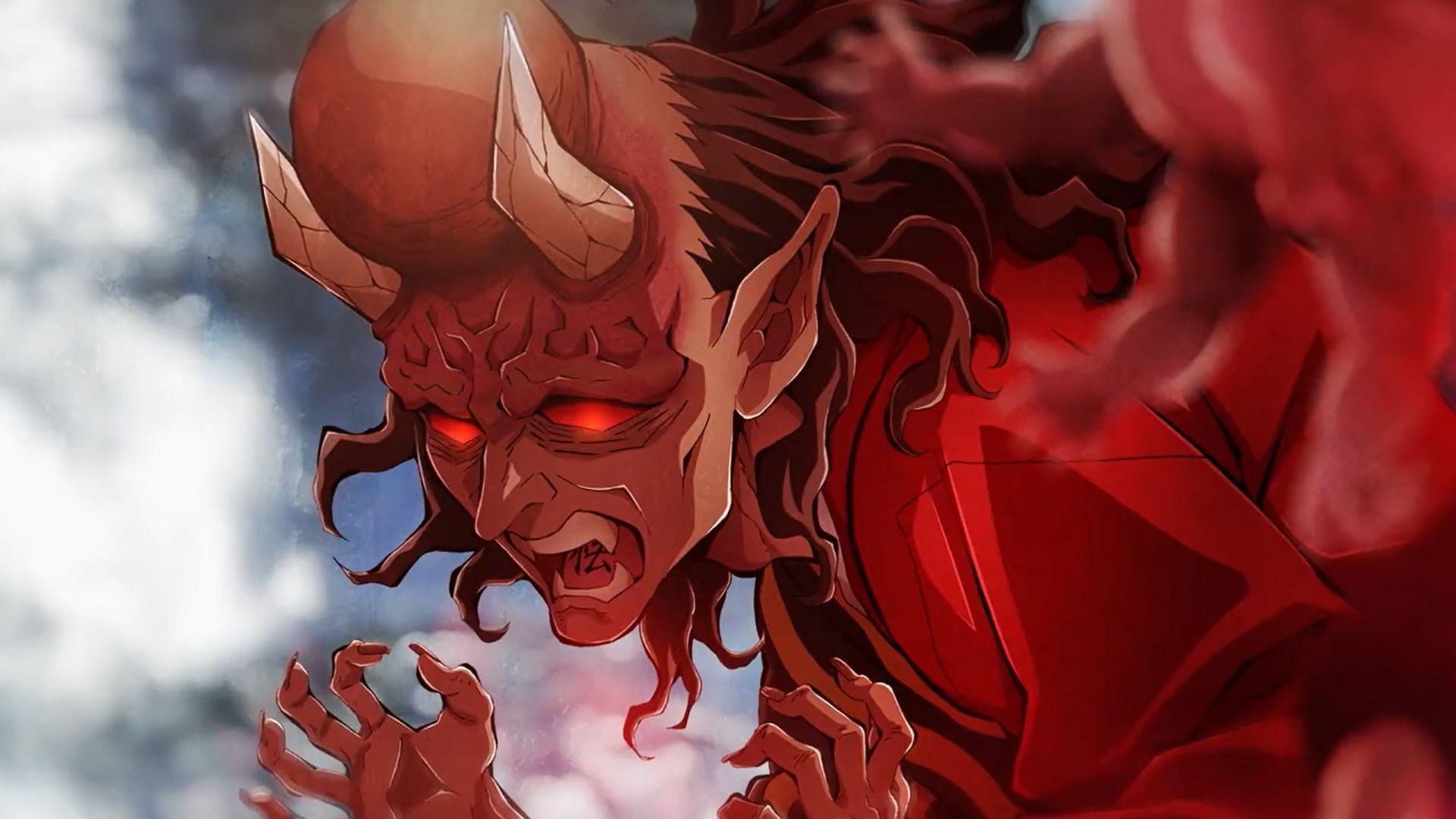
| Japanese | Onis / Yurei | Ogre-like brutes wielding iron clubs; vengeful spirits tied to emotional trauma | Mountain passes, stormy weather, haunted sites |
This comparative approach reveals that while cultural expressions vary, human societies universally conceptualize destructive spiritual forces through specific functional archetypes: tempters, destroyers, disease-bringers, and tricksters.
Categorization by Elemental and Spatial Domains
A fundamental method for differentiating various kinds of demons involves analyzing their elemental affinity and operational jurisdiction. Renaissance occult philosophy, heavily influenced by Neoplatonism, categorized spirits according to the four classical elements—earth, water, air, and fire—as well as celestial spheres.
Aerial and Celestial Entities
Spirits associated with the element of air operate in the atmospheric expanses between earth and heaven. These entities are traditionally believed to manipulate weather patterns, incite sudden tempests, and influence intellectual pride or philosophical heresy among scholars.
Subterranean and Chthonic Forces
Earth-bound and subterranean entities are closely linked to geological instability, mineral wealth, and the decay of organic matter. Historical accounts often position these entities as guardians of buried treasures or architects of subterranean caverns and volcanic activity.
Aquatic and Liminal Entities
Water-dwelling spirits inhabit oceans, treacherous rivers, stagnant marshes, and deep wells. In folkloric taxonomies, these entities frequently lure the unwary into deep waters or manifest as sirens and aquatic shapeshifters.
Comparative Analysis of Abrahamic vs. Esoteric Demonology
To fully grasp how different kinds of demons are classified, it is necessary to contrast orthodox theological frameworks with heterodox esoteric grimoire traditions.
| Feature / Metric | Orthodox Theological View (Christian/Islamic) | Esoteric Grimoire Tradition (Lemegeton, Grimorium Verum) |
|---|---|---|
| Origin | Fallen angels who rebelled against divine authority or rebellious jinn. | Autonomous spiritual forces, fallen angels, or neutral cosmic entities. |
| Interaction | Strictly forbidden; viewed exclusively as spiritual hazards requiring exorcism or avoidance. | Ritualistic invocation, negotiation, and binding under divine names and seals. |
| Purpose | To test human faith, corrupt morality, and drag souls toward spiritual ruin. | To acquire secret knowledge, mechanical arts, hidden treasures, and linguistic mastery. |
| Hierarchy | Satan/Iblis at the head, commanding decentralized networks of tempters. | Highly structured military and royal ranks (Kings, Dukes, Marquises with exact legions). |
Step-by-Step Guide to Studying Demonological Taxonomies
For researchers, historians, and writers seeking to examine the taxonomy of malevolent entities without relying on modern sensationalism, a structured, academic approach is essential.
- Establish Primary Source Foundations: Begin with foundational texts such as the biblical apocrypha (The Book of Enoch), historical demonological treatises (Malleus Maleficarum), and Renaissance grimoires (The Lesser Key of Solomon).
- Contextologize Historical Biases: Analyze texts within their specific socio-political and religious environments to distinguish between genuine theological doctrine and political polemics of the era.
- Map Functional Archetypes: Group entities not by name alone, but by their designated functions—such as instigators of discord, bearers of plagues, or revealers of forbidden arts.
- Examine Cross-Cultural Parallels: Compare Western classifications with Eastern, Middle Eastern, and indigenous spiritual frameworks to identify universal human myth-making patterns.
- Maintain Critical Separation: Differentiate clearly between literary adaptations, cinematic representations, and strict historical-theological data to ensure academic accuracy.
Frequently Asked Questions About Demonology and Classifications
What are the different kinds of demons in historical demonology?
Historical demonology primarily classifies entities by their hierarchical rank (Kings, Dukes, Princes), their elemental domain (air, water, earth, fire), and their specialized operational duties, such as inciting specific vices or revealing secret arts. This structured approach allowed early modern scholars to catalog complex spiritual threats.
How do Abrahamic and esoteric classifications differ?
Orthodox theology views demons strictly as fallen angels or rebellious spiritual entities intent on moral corruption and to be avoided entirely. In contrast, esoteric grimoires treat them as potent forces that can be cataloged, categorized, and methodically commanded through ceremonial rituals.
Are elemental demons recognized in ancient mythologies?
Yes, ancient cultures frequently assigned spirits to specific environmental domains, such as subterranean chasms, stormy winds, and treacherous waters. These elemental associations help explain natural disasters and agricultural failures in pre-modern worldviews.
Why did Renaissance scholars create complex demon hierarchies?
Renaissance occultists and theologians created elaborate taxonomies to impose order on a chaotic spiritual landscape, believing that naming and categorizing a force provided intellectual and spiritual mastery over it. This mirrored the bureaucratic and monarchical systems of contemporary European courts.
Where can someone study different kinds of demons safely and academically?
Academic study is best pursued through university courses in religious studies, folklore, ancient Near Eastern history, and comparative mythology. Scholarly translations of primary historical texts offer objective insights into historical beliefs.
What role do regional spirits play in demonological taxonomies?
Regional and folk traditions often subsumed local pagan deities and nature spirits into broader demonological frameworks as Christianity and Islam expanded globally. This integration explains why many folkloric entities possess hyper-local jurisdictional boundaries.
Concluding Perspective on Historical Taxonomies
The exploration of different kinds of demons serves as a profound window into human psychology, historical anxieties, and comparative religion. By categorizing the chaotic unknown into rigid hierarchies, ancient and medieval societies attempted to make sense of suffering, moral failure, and natural disasters. A rigorous, academic approach ensures that these historical frameworks are understood accurately within their proper intellectual contexts, shedding light on the enduring architecture of human mythology.