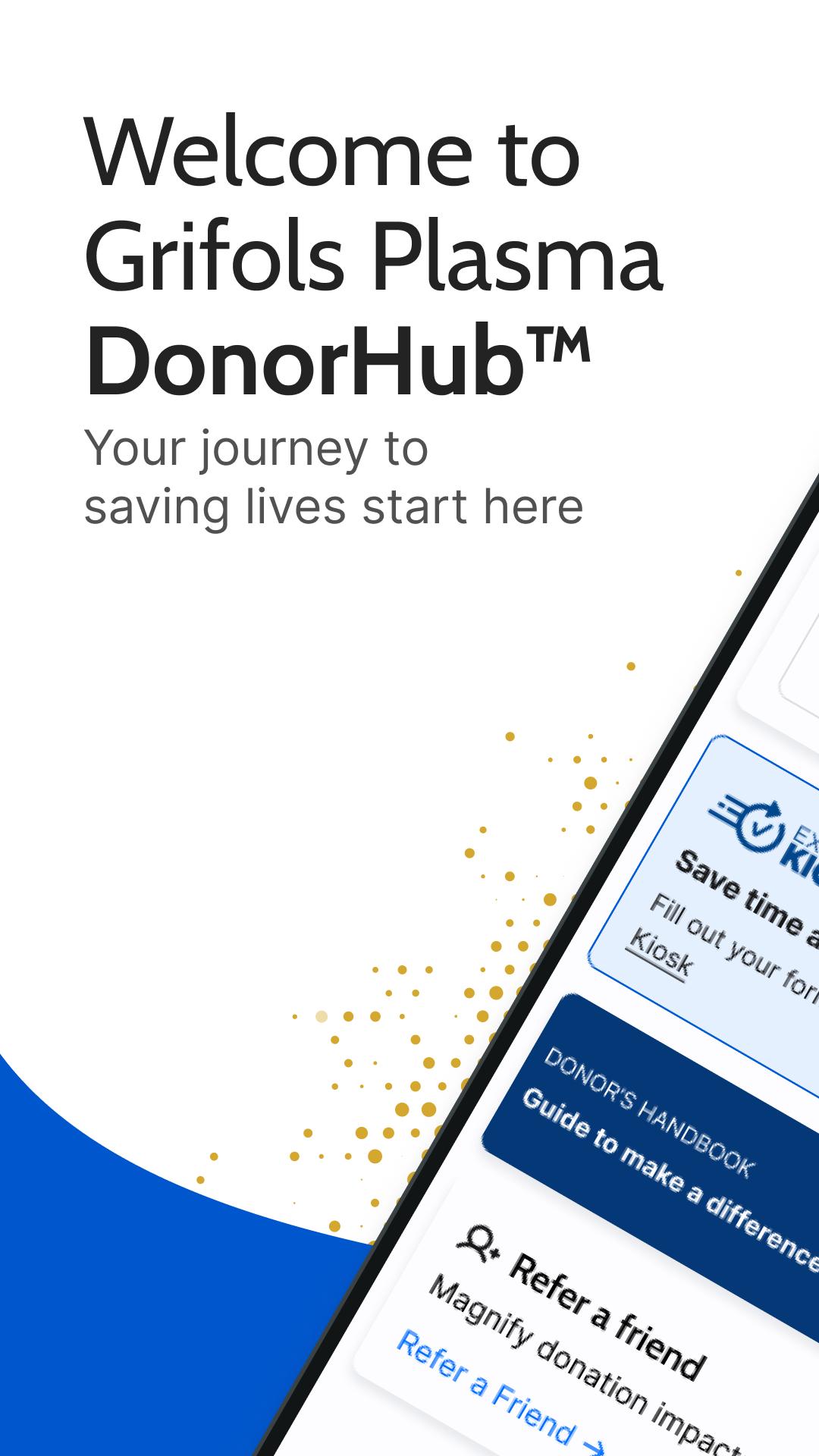
Donor Hub 360 functions as an integrated operational environment designed to help nonprofit organizations, charities, and philanthropic foundations centralize their supporter data, streamline contribution workflows, and optimize engagement tracking. By consolidating constituent relationship management, donation processing, and communication tools into a unified interface, this platform addresses the widespread administrative fragmentation that often burdens development teams.
The Evolution of Supporter Relationship Management in Nonprofits
The landscape of philanthropic fundraising has shifted dramatically over the past decade. Historically, organizations relied on disconnected spreadsheets, disparate accounting software, and manual mailing lists to keep track of their benefactors. This fragmented approach frequently resulted in data silos, communication errors, and missed opportunities for stewardship. As expectations for real-time engagement and financial transparency grew among modern contributors, charities required more sophisticated, centralized solutions.
Platforms like Donor Hub 360 emerged to bridge this gap, drawing inspiration from enterprise customer relationship management (CRM) systems while tailoring their core architecture specifically to the unique nuances of the nonprofit sector. Unlike commercial sales pipelines, nonprofit management platforms must account for recurring gifts, matching employer grants, peer-to-peer fundraising campaigns, and complex volunteer-donor crossover profiles. Understanding the structural purpose of these hubs requires examining how they coordinate data ingestion, processing, and output reporting across an entire organization.
Core Architecture and Functional Capabilities
To evaluate whether a platform like Donor Hub 360 suits an organization's operational scope, stakeholders must examine its core functional modules. A comprehensive donor management ecosystem typically relies on several interconnected pillars that eliminate the need for third-party plug-ins or manual data exportation.
- Constituent Database
- Payment Gateway Integration
- Campaign Analytics
- Automated Communications
1. Unified Constituent Database
At the heart of the system lies a centralized database that aggregates every touchpoint a supporter has with the organization. This includes financial contributions, event registrations, volunteer hours, email engagement, and direct correspondence notes.
- Household and Organizational Linking: Automatically maps individual contributors to larger family units or corporate matching programs.
- Custom Tagging and Segmentation: Allows development officers to categorize profiles by giving history, geographic region, interest areas, or wealth-screening indicators.
- Audit Trails: Maintains an unalterable log of data modifications to support compliance and internal security protocols.
2. Contribution Processing and Financial Reconciliation
Managing funds securely while minimizing administrative overhead is critical for maintaining public trust and regulatory compliance. Donor Hub 360 integrates secure payment processors to handle credit cards, ACH transfers, digital wallets, and recurring schedules.
- PCI-DSS Compliance: Ensures that sensitive financial information is encrypted and handled in accordance with payment card industry standards.
- Automated Receipting: Generates tax-compliant acknowledgment letters and annual giving summaries immediately upon transaction completion.
- General Ledger Mapping: Syncs transaction data directly with accounting platforms, reducing manual data entry errors between the development office and the finance department.
3. Campaign Tracking and Performance Analytics
Data-driven decision-making separates high-impact nonprofits from those struggling with donor retention. The platform provides real-time dashboards that measure campaign velocity, donor acquisition costs, and lifetime value metrics.
- Visual Dashboards: Offer immediate insights into daily, monthly, and year-over-year fundraising trends.
- Attribution Modeling: Identifies which specific marketing channels, events, or appeals generated the highest return on investment.
- Predictive Forecasting: Utilizes historical trends to project future revenue streams, assisting executive directors in budget planning.
Technical Prerequisites and Implementation Workflow
Deploying a comprehensive donor management platform requires meticulous planning, data hygiene, and technical alignment across departments. Rushing the migration process often leads to corrupted historical records and staff frustration.
| Implementation Phase | Key Objectives | Responsible Stakeholders |
|---|---|---|
| 1. Data Audit & Cleanup | Remove duplicate profiles, archive inactive accounts, and standardize address formatting. | Database Administrator, Operations Team |
| 2. System Configuration | Define user permission levels, customize gift fields, and establish automated receipt templates. | IT Lead, Finance Director |
| 3. Data Migration | Export legacy records, map fields to the new schema, and run test imports to verify data integrity. | External Migration Specialist, Admin |
| 4. Staff Training | Conduct role-based workshops covering daily data entry, reporting, and stewardship workflows. | All Development and Program Staff |
| 5. Post-Launch Review | Monitor system performance, reconcile initial batches, and adjust automation rules as needed. | Executive Leadership, IT Lead |
Ensuring Data Integrity During Migration
Before importing historical records into Donor Hub 360, organizations must audit their legacy data. Common pitfalls include conflicting donor names, outdated contact information, and unformatted giving histories. Running deduplication scripts and establishing strict naming conventions before migration saves countless hours of troubleshooting post-launch.
Operational Benefits and Strategic Advantages
Implementing a centralized hub yields measurable improvements in both administrative efficiency and donor satisfaction. By automating routine tasks, organizations free up valuable human resources for high-value relationship building.
- Enhanced Donor Retention: Timely, personalized acknowledgments and targeted impact reports demonstrate to contributors that their support matters, directly combating the industry-wide challenge of donor attrition.
- Cross-Departmental Visibility: Program staff, event coordinators, and major gift officers can view a contributor's complete history before scheduling a meeting, preventing uncoordinated outreach.
- Scalability: As an organization grows from managing hundreds of contributors to tens of thousands, a robust database infrastructure prevents administrative bottlenecks without requiring a linear increase in back-office staff.
Potential Limitations and Operational Challenges
While integrated management platforms offer substantial advantages, organizations must remain mindful of potential drawbacks and operational hurdles during adoption.
- Initial Financial Investment: Comprehensive software platforms often involve substantial upfront subscription costs, implementation fees, and potential expenses related to data migration services.
- Training and Adoption Curves: Staff members accustomed to legacy workflows may resist transitioning to a new interface, necessitating ongoing change management and continuous education programs.
- Customization Complexity: Highly tailored workflows or unique organizational structures may require specialized configuration, occasionally necessitating developer support or custom API integrations.
Frequently Asked Questions
What types of organizations benefit most from Donor Hub 360?
Mid-sized to large nonprofits, educational institutions, healthcare foundations, and advocacy groups with dedicated development teams benefit most from centralized platforms. Smaller organizations with minimal staff and simple donation models may find the robust feature set more complex than necessary, though it provides significant room for future growth.
How does the platform handle tax receipt compliance?
The system utilizes automated rules engines to generate compliant tax receipts based on the jurisdiction and the nature of the transaction—such as distinguishing between tax-deductible contributions and quid-pro-quo benefits received at charity galas. Organizations should always review generated templates with their legal and financial advisors to ensure local regulatory alignment.
Can Donor Hub 360 integrate with existing website and email tools?
Yes, most enterprise-grade platforms offer robust application programming interfaces (APIs) and native integrations with popular website content management systems, email marketing software, and peer-to-peer fundraising tools, allowing for seamless data synchronization across the entire digital ecosystem.
What security measures protect sensitive donor information?
Platform security typically relies on bank-grade encryption (SSL/TLS) for data in transit, AES-256 encryption for data at rest, role-based access controls (RBAC), multi-factor authentication (MFA), and regular third-party security audits to protect against unauthorized access.
How should an organization prepare its team for migration?
Preparation begins with designating an internal project champion, establishing a realistic timeline, conducting thorough data cleanups, and scheduling mandatory, role-specific training sessions well in advance of the official go-live date.
Strategic Recommendations for Implementation
Organizations evaluating or preparing to adopt Donor Hub 360 should prioritize a phased rollout strategy rather than attempting an immediate, all-at-once transition. Begin by migrating core donor records and recurring financial processing pipelines to secure immediate operational stability. Once the foundation is stable and staff members demonstrate comfort with daily navigation, introduce advanced features such as automated marketing workflows, predictive analytics, and custom reporting dashboards. This measured approach minimizes staff burnout, protects historical data integrity, and maximizes the long-term return on investment for the organization's mission.