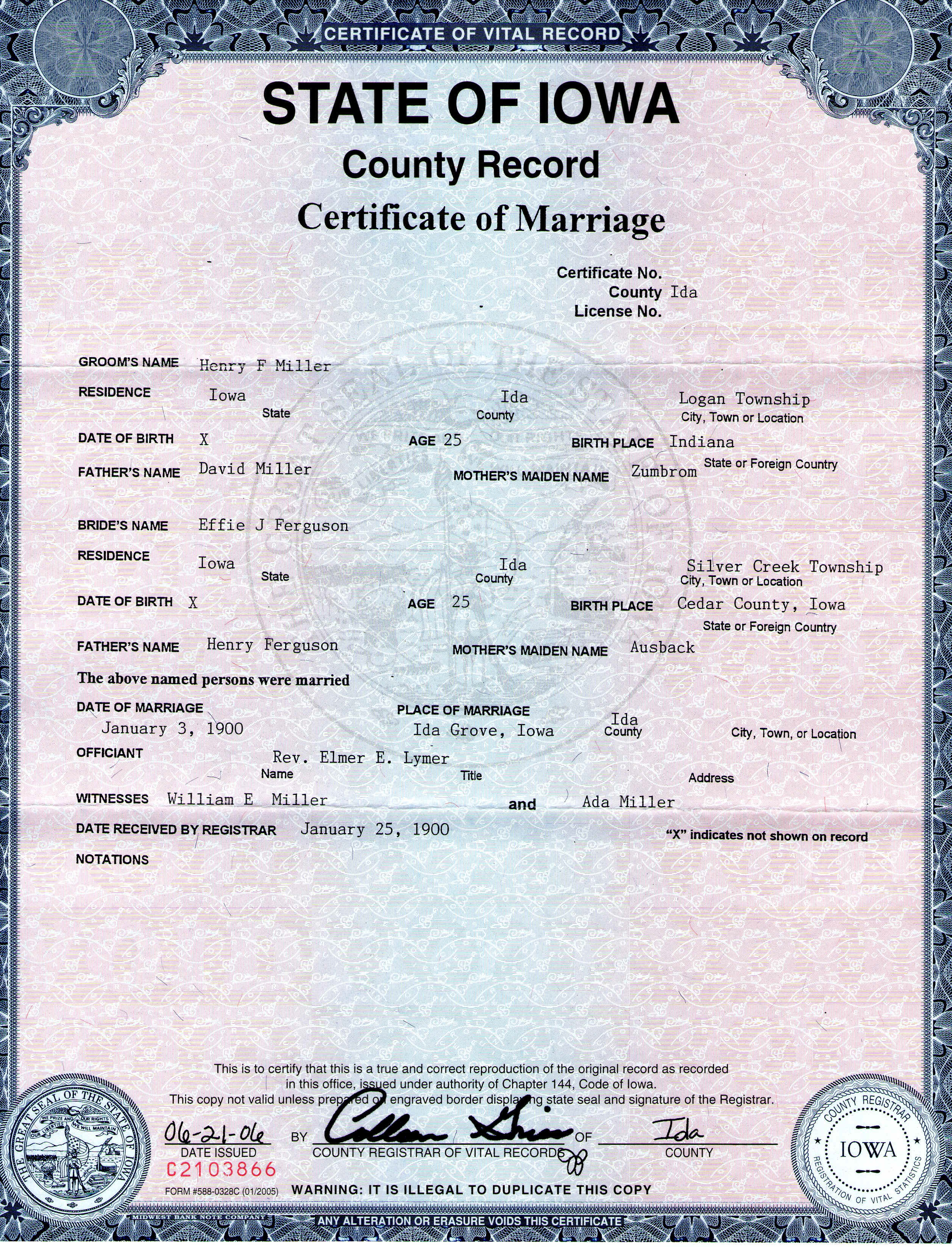
Conducting a marriage license search involves navigating local government and vital statistics archives to locate official documentation of a legally registered marriage. Because vital records are managed at the municipal, county, or state level rather than through a single federal database, the process requires identifying the correct jurisdiction, understanding public access laws, and following the specific retrieval procedures of the issuing agency.
Understanding the Purpose of a Marriage License Search
A marriage license search is performed for various personal, legal, and genealogical reasons. Whether you are settling an estate, applying for dual citizenship, conducting historical research, or verifying marital status for legal proceedings, understanding how these records are organized is essential.
Unlike marriage certificates—which are official proofs of a completed marriage ceremony—a marriage license is the legal document issued prior to the wedding that grants a couple permission to marry. Once the ceremony takes place and the officiant returns the signed document to the issuing office, it becomes a registered vital record. In many jurisdictions, the term "marriage record search" encompasses both the pre-marriage license and the post-marriage certificate, as archives frequently transition these files into unified historical databases.
- [Intent: Search Request]
- [Identify Jurisdiction: County / State Office]
- [Determine Record Type: License vs. Certificate]
- [Submit Request: Online, Mail, or In-Person]
- [Receive Record / Verification]
Jurisdiction and Managing Agencies
In the United States and many other regions, vital statistics are decentralized. There is no national registry where anyone can input a name and instantly pull up a marriage record from across the country. Instead, authority over marriage records rests with specific local entities.
County Clerks and Local Registrars
In most U.S. states, marriage licenses are applied for and recorded at the county level. The County Clerk, Clerk of the Circuit Court, or local Registrar of Vital Statistics maintains the original ledger or digital database for licenses issued within their geographic boundaries. If you know the specific county where a couple was married, starting your search with that local office yields the fastest and most direct results.
State Departments of Health and Vital Statistics
State-level vital statistics offices maintain statewide indexes of marriages, typically starting from a specific baseline year (often the early 20th century). While state offices can issue certified copies of marriage certificates, their search parameters can sometimes be stricter, and processing times may be longer than local county offices. State repositories are particularly useful when the exact county of marriage is unknown, though fees and search restrictions apply.
Public Access Laws and Restrictions
Access to marriage records is governed by state and local public records statutes, which vary significantly across jurisdictions. While some states treat marriage certificates as completely open public records accessible to anyone, others place restrictions on certified copies to protect personal privacy.
Public Versus Confidential Records
- Public Records: In many jurisdictions, marriage records become fully public after a certain number of years (e.g., 50 years for historical genealogy), or they are open immediately to any requester without restrictions.
- Restricted Records: Recent marriage records may limit the issuance of certified copies to authorized individuals, such as the named spouses, their legal representatives, immediate family members, or individuals with a demonstrable legal right or court order.
- Informational Copies: Even when certified copies are restricted, many agencies provide "informational" copies to the general public. These documents typically contain the same vital data but are stamped across the face to indicate they cannot be used for official legal identity purposes.
Methods for Conducting a Marriage License Search
Depending on the timeline, budget, and geographic location of the records, several pathways exist for conducting a search. Choosing the right method depends on whether you require a digital verification, an uncertified historical look-up, or an official certified copy for legal use.
1. Online Vital Record Portals
Many county clerk websites and state health departments provide searchable online indexes. These portals allow users to input names, date ranges, and potential marriage years. While some databases display basic indexing information for free, ordering official digital or physical copies usually incurs a processing fee. Third-party commercial search aggregators also exist, but official government portals should always be prioritized for accuracy, security, and legal compliance.
2. In-Person Requests
Visiting the county clerk's office or vital statistics bureau in person is often the fastest way to obtain a record. Many offices maintain public computer terminals or historical ledgers that visitors can search independently. If assistance from a clerk is required, presenting valid photo identification and specific details (full names at the time of application and approximate date) streamlines the lookup.
3. Mail-In Applications
When online portals are unavailable and in-person visits are impractical, mail-in applications remain a reliable fallback. This method requires downloading an official application form from the issuing agency’s website, filling out the required search parameters, enclosing a check or money order for the specified fee, and including a photocopy of a valid government-issued ID if required by local privacy regulations.
| Search Method | Typical Processing Time | Cost Range | Best Used For |
|---|---|---|---|
| In-Person County Office | Immediate to Same-Day | Varies ($10 - $25) | Urgent legal needs, local searches |
| Official Government Online Portal | Instant to 3 Business Days | Varies ($10 - $30 + fees) | Quick verification, digital access |
| Mail-In Application | 2 to 6 Weeks | Varies ($10 - $25) | Older records, non-urgent requests |
| State Vital Statistics Bureau | 1 to 4 Weeks | Varies ($15 - $35) | Statewide searches with unknown county |
Information Required for a Successful Search
To minimize delays and ensure the agency can locate the correct file, gather as much accurate background information as possible before initiating your search. Incomplete or inaccurate details are the primary reason vital record searches fail.
- Full Legal Names: The complete first, middle, and last names of both parties at the time the license was applied for. Women who married often changed their surnames, making maiden names crucial for historical tracing.
- Date of Marriage: The exact date or, at minimum, the approximate year and month the marriage took place or the license was issued.
- Location: The specific city, county, and state where the license was filed.
- Application or License Number: If known from prior paperwork, supplying the unique identifier number expedites retrieval instantly.
Common Obstacles and Troubleshooting
Navigating vital records can present unique challenges, particularly when dealing with name variations, historical record gaps, or strict privacy barriers.
Common Name Discrepancies
Spelling errors are common in handwritten historical ledgers and early digital transcriptions. If a search yields no results under the exact spelling, try phonetic variations, truncation (e.g., searching "Rob" instead of "Robert"), or searching using only one spouse's surname.
Sealed or Expired Records
A marriage license application is a preliminary step. If a couple applied for a license but never completed the ceremony or returned the paperwork to the county clerk within the statutory timeframe (which varies by state), the license may expire or remain unfulfilled. In these instances, no marriage certificate exists, though a record of the original license application may still reside in the archives.
Jurisdictional Confusion
If a search in one county turns up empty, verify whether boundary lines changed around the time of the marriage. Historical shifts in county borders frequently mean that records once kept in one municipality are now housed in an entirely different neighboring county archive or state historical society.
Frequently Asked Questions
Can anyone search for any marriage license?
Public access depends entirely on the state and county where the record was filed. While historical records (often those older than 50 years) are generally open to the public, recent records may restrict certified copies to immediate family members, legal representatives, or the named parties, though informational copies are frequently accessible.
What is the difference between a marriage license and a marriage certificate?
A marriage license is the legal document a couple obtains before their wedding to authorize the marriage. A marriage certificate is the official document signed by the couple, witnesses, and officiant after the ceremony, serving as proof that the marriage legally took place.
How much does it cost to search for and obtain a marriage record?
Searching online public indexes is often free, but obtaining official, certified copies of marriage certificates typically incurs government processing fees ranging from $10 to $35 USD per copy, depending on the issuing municipality or state.
Can I search for marriage records nationwide using a single database?
No single, centralized federal database exists for U.S. marriage records. Because vital statistics are managed at the state and county level, searches must be directed to the specific jurisdiction where the marriage license was originally issued.
What should I do if I do not know the exact county where the marriage occurred?
If the county is unknown, you can contact the state's Department of Health or Office of Vital Statistics to run a statewide search, or utilize comprehensive genealogical repositories and state historical archives that index vital records across multiple counties.