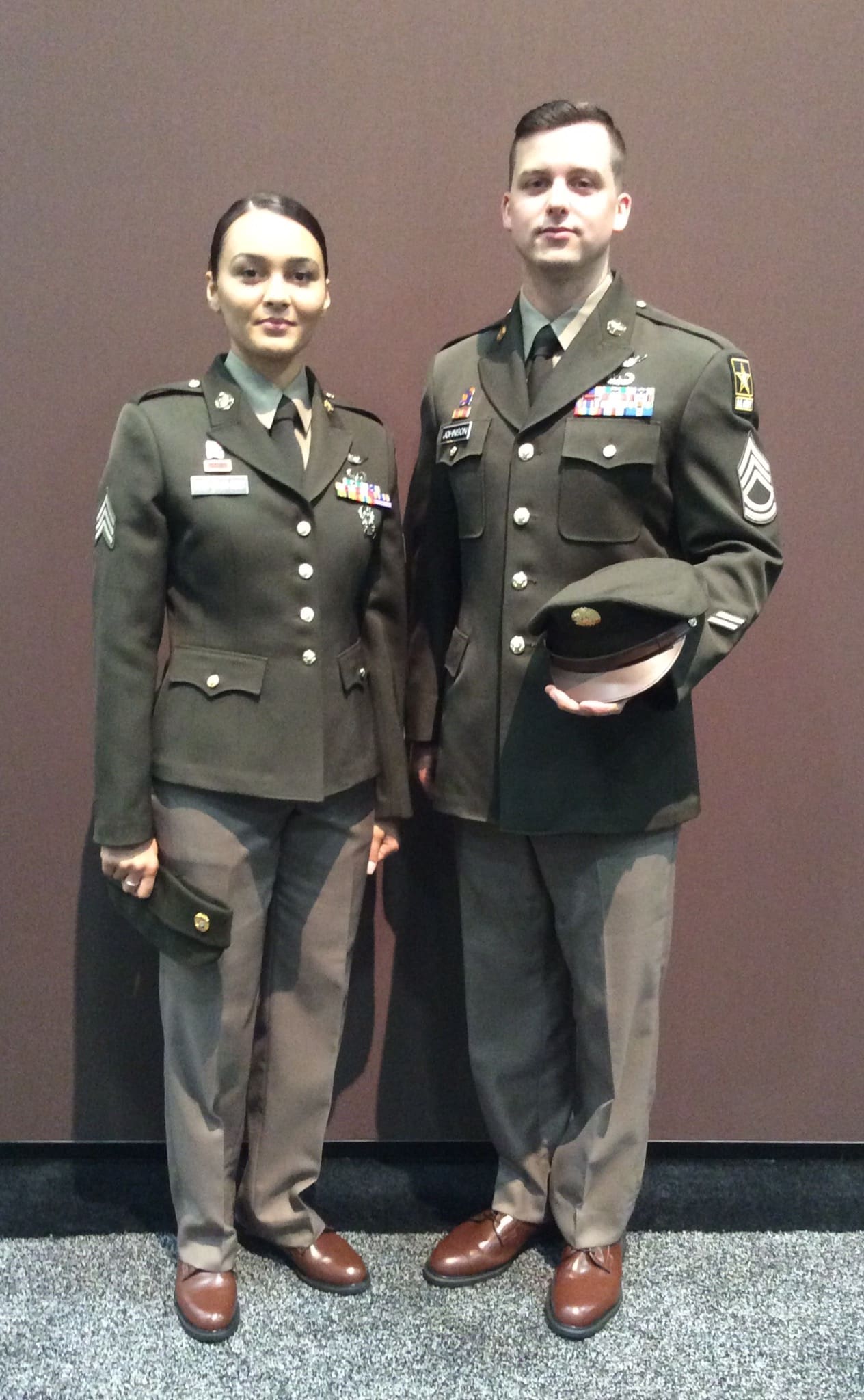
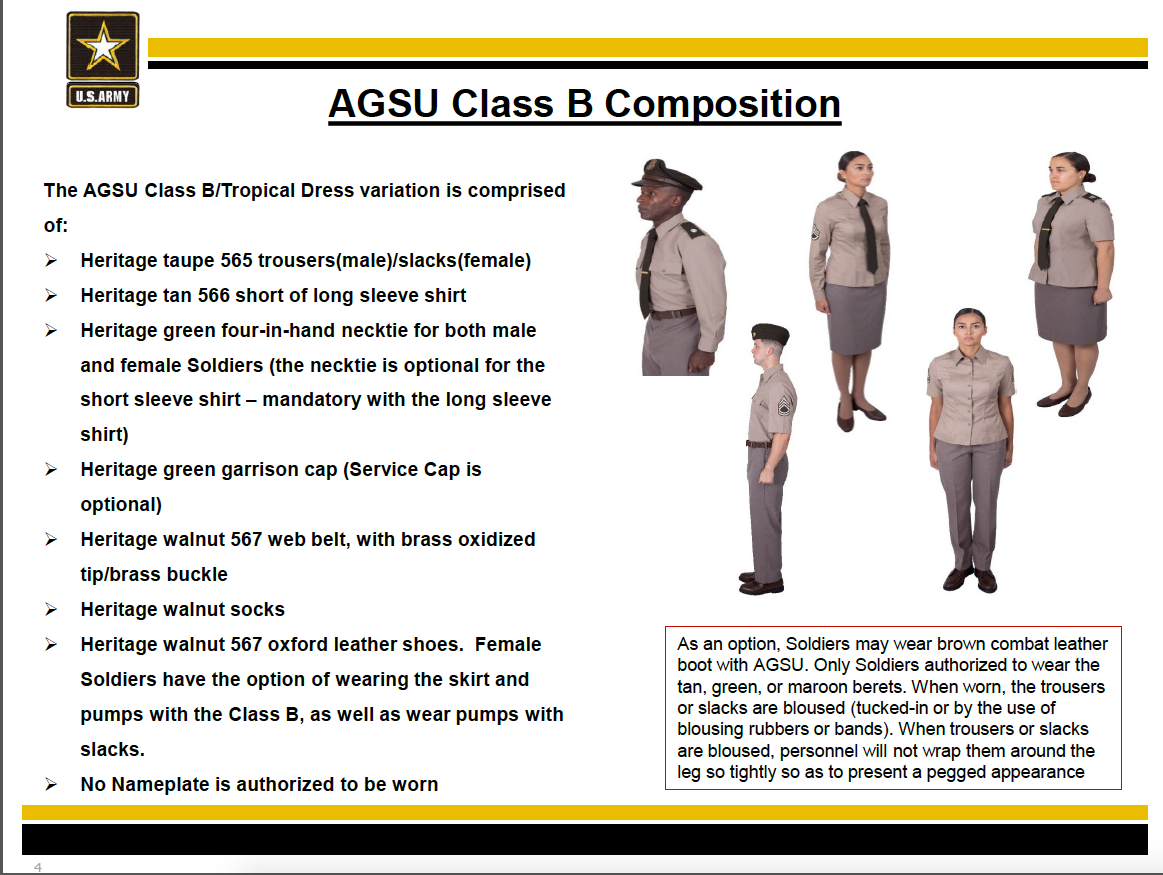
The Army Service Uniform (ASU) is the primary formal dress uniform for the United States Army, consisting of a midnight blue coat, sky blue trousers (for males) or slacks/skirt (for females), and a white shirt. While the Army Green Service Uniform (AGSU) is now the standard for daily business wear as of 2026, the Blue ASU remains the mandatory requirement for formal social functions, ceremonies, and "Dress Blue" events.
Understanding the Role of the ASU in 2026
By 2026, the landscape of U.S. Army uniforms has stabilized following the multi-year phase-in of the Army Green Service Uniform (AGSU). It is critical for Soldiers to distinguish between the two. The "Blue ASU" has transitioned from its previous role as the universal service uniform to its historic role as a formal dress uniform.
The Blue ASU is steeped in tradition, echoing the colors worn by the Continental Army during the Revolutionary War and the Union Army during the Civil War. Its current iteration serves as a bridge between the Army's storied past and its modern professional standards. For Soldiers, maintaining an inspection-ready ASU is not merely a matter of regulation; it is a representation of organizational pride and personal discipline.
The Distinction Between ASU and AGSU
The primary confusion for new recruits and the public often lies in the nomenclature. In 2026, the Army Green Service Uniform (AGSU)—often called "Pinks and Greens"—is the "everyday" office and garrison uniform. The Army Service Uniform (ASU)—the "Blues"—is reserved for:
- Official parades and reviews.
- Change of Command ceremonies.
- White House or diplomatic functions.
- Formal social events (dinners, weddings, and balls).
- Funerals and memorial services.
Core Components of the Blue Army Service Uniform
The ASU is a complex assembly of garments, each with specific requirements for fit, material, and color. The uniform is categorized into "Class A" (full coat) and "Class B" (shirt only, though rarely seen in the Blue configuration since the AGSU took over daily duties).
The Coat and Trousers
The coat is made of a midnight blue wool-polyester blend. It features a single-breasted, four-button front with two breast pockets and two lower pockets. For males, the trousers are sky blue. A defining feature of the trousers is the ornamental braid:
- Officers and Non-Commissioned Officers (Sgt and above): A 1.5-inch gold-colored nylon or rayon braid is sewn down the outside seam of each trouser leg.
- Junior Enlisted (SPC and below): Trousers do not feature the gold braid.
The Shirt and Neckwear
The ASU is worn with a long-sleeve or short-sleeve white shirt made of a polyester/cotton broadcloth. The shirt must be tucked in, with a "gig line" (the alignment of the shirt edge, belt buckle, and trouser fly) strictly maintained.
- Male Neckwear: A black four-in-hand necktie is worn for formal occasions, while a black bow tie is required for "Dress Blue" social functions after retreat.
- Female Neckwear: A black neck tab is worn with the white shirt.
Headgear
The primary headgear for the ASU is the Service Cap (the "bus driver" cap).
- Officers: The visor is adorned with gold oak leaves ("scrambled eggs") for Field Grade officers and above.
- Enlisted: The visor is plain black.
- The Beret: While the black beret (or maroon/tan/green for specialized units) was once common with the ASU, the Service Cap is the preferred headgear for formal ceremonies in 2026.
Proper Wear and Appearance (AR 670-1 Standards)
The wear of the ASU is governed by Army Regulation 670-1 and Department of the Army Pamphlet 670-1. These documents provide the "by the book" instructions for every measurement on the uniform. In 2026, these standards remain the benchmark for military appearance.
Fitting and Alterations
A poorly fitted ASU is a violation of regulation. The coat should fit smoothly across the shoulders and chest, with the bottom of the coat extending approximately to the crotch level. Sleeves should be altered so that the bottom of the sleeve is 1 inch below the wrist bone. Trousers should have a slight "break" where the front of the trouser leg meets the shoe, while the back reaches the top of the heel.
The Gig Line and Alignment
One of the first things inspected on a Soldier is the alignment of the uniform's vertical center. The "gig line" must be straight. This involves:
- Aligning the edge of the shirt placket (the fabric where the buttons are).
- Aligning the edge of the brass belt buckle.
- Aligning the seam of the trouser fly.
Detailed Measurement and Placement of Accoutrements
Placement of awards and insignia on the ASU is precise to the fraction of an inch. Errors in placement are the most common reason for failed inspections.
Rank Insignia
- Non-Commissioned Officers: Large rank chevrons are centered on the outer sleeve, halfway between the shoulder seam and the elbow.
- Officers: Grade insignia (bars, leaves, eagles, or stars) are worn on the shoulder loops, centered from front to back and positioned 5/8 inch from the outside shoulder seam.
Ribbons and Unit Awards
Ribbons are worn on the left side of the chest.
- Males: Ribbons are centered 1/8 inch above the top of the left pocket flap.
- Females: Ribbons are centered on the left side, with the bottom row aligned with the bottom of the nameplate (which is placed 1 to 2 inches above the top button).
Unit awards (such as the Presidential Unit Citation) are worn on the right side.
- Males: Centered 1/8 inch above the right pocket flap.
- Females: Centered on the right side, 1/2 inch above the nameplate.
Badges and Tabs
Skill badges (Marksmanship, Parachutist, Combat Action, etc.) have specific hierarchies.
- Marksmanship Badges: Worn on the left pocket flap, 1/8 inch below the top of the flap.
- Skill Badges: Usually worn 1/4 inch above the ribbons. If multiple badges are worn, they are spaced 1/2 inch apart.
| Accoutrement | Male Placement | Female Placement |
|---|---|---|
| Nameplate | Centered on the right pocket flap between the top of the button and the top of the flap. | Centered on the right side, 1 to 2 inches above the top button. |
| Ribbons | Centered 1/8 inch above the left pocket flap. | Centered on the left side, bottom row parallel to the bottom of the nameplate. |
| Unit Awards | Centered 1/8 inch above the right pocket flap. | Centered 1/2 inch above the nameplate. |
| Regimental Insignia | Centered 1/8 inch above the unit awards or the pocket. | Centered 1/2 inch above the unit awards or 1 inch above the nameplate. |
| Service Stripes | Centered on the bottom of the left sleeve at a 30-degree angle. | Centered on the bottom of the left sleeve at a 30-degree angle. |
The AGSU vs. The Blue ASU: A Comparison
By 2026, every Soldier is required to own both the AGSU and the Blue ASU. Understanding the functional differences is essential for proper event planning and attendance.
| Feature | Army Green Service Uniform (AGSU) | Blue Army Service Uniform (ASU) |
|---|---|---|
| Primary Use | Daily business, office, garrison. | Formal ceremonies, social events, funerals. |
| Coat Color | Heritage Green (Olive Drab). | Midnight Blue. |
| Trouser Color | Heritage Taupe ("Pinks"). | Sky Blue. |
| Mandatory Date | Fully mandatory as of Oct 2027 (Transitioning 2026). | Mandatory for formal "Dress Blue" events. |
| Shirt | Heritage Tan. | White broadcloth. |
| Footwear | Brown leather oxfords or jump boots. | Black leather oxfords. |
| Heritage | WWII "Pinks and Greens" era. | Civil War/Continental Army era. |
Care, Maintenance, and Longevity
The ASU is a significant financial investment for a Soldier. Proper care ensures the uniform remains serviceable for an entire career.
Professional Cleaning
The ASU must be dry cleaned only. The wool blend is susceptible to shrinking and damage if exposed to a standard washing machine. It is recommended to dry clean the uniform after every major event, especially if the Soldier has perspired or if the event was held outdoors.
Storage
The coat should be stored on a wide, contoured hanger to maintain the shape of the shoulders. Using thin wire hangers can cause the padding in the shoulders to deform over time. Trousers should be hung by the cuffs or on a specialized trouser hanger to preserve the crease. A breathable garment bag is essential to prevent dust accumulation and moth damage, particularly since the Blue ASU may sit in a closet for several months between formal events.
Brass and Metallic Care
Buttons on the ASU are "stay-bright" and generally do not require polishing. However, brass insignia (such as U.S. discs and branch insignia) should be checked for tarnishing. When cleaning the brass, remove it from the uniform first to avoid getting polish or chemicals on the blue fabric.
Common Mistakes and Troubleshooting
Even experienced Soldiers can make errors when assembling the ASU. Here are the most frequent issues identified during inspections:
- Incorrect Ribbon Order: Ribbons must be worn in the order of precedence established by AR 600-8-22. Putting a lower-tier award above a higher-tier award is a major "no-go."
- Improper Alignment of Insignia: Using a ruler or a specialized "uniform tool" is highly recommended. Eyeballing the 1/8-inch or 1/4-inch measurements often results in crooked or uneven placement.
- Tarnished Brass or Scuffed Shoes: The ASU requires a high-gloss finish on the shoes (either spit-shined leather or "low-corfam" synthetic). Scuffs or dullness on the toes or heels are immediate points of failure.
- Mismatched Fabric Shades: When replacing trousers or the coat, ensure the "lot number" or the shade matches. Wearing midnight blue trousers from one manufacturer with a coat from another can sometimes result in a subtle but noticeable color mismatch under bright lights.
Frequently Asked Questions (FAQ)
Is the Blue ASU being phased out by the AGSU?
No. While the AGSU has replaced the ASU for daily service wear, the Blue ASU remains the Army's formal dress uniform. In 2026, it is the equivalent of a "tuxedo" for the Army, whereas the AGSU is the equivalent of a "business suit."
Can I wear the Blue ASU for my wedding?
Yes. The Blue ASU is highly encouraged for formal personal events such as weddings. When worn to a social event after retreat (usually 1700 hours), it is worn with a black bow tie, effectively becoming the "Dress Blue" uniform.
How many service stripes should I have?
Service stripes are earned for every three years of honorable active federal service. They are worn on the left sleeve of the ASU coat. In 2026, if you have 9 years of service, you should have three stripes.
Are jump boots authorized with the Blue ASU?
Generally, no. Except for specific historical units or ceremonial duties, black low-quarter shoes are the standard footwear for the Blue ASU. Jump boots are more commonly authorized with the AGSU for those in airborne-designated positions.
What is the difference between Class A and Class B ASU?
Class A includes the coat, tie/neck tab, and all awards. Class B is the white shirt without the coat. Since the adoption of the AGSU, the Blue Class B is rarely used, as the AGSU is the preferred uniform for any duty not requiring the full formal coat.
Practical Recommendations for Soldiers
If you are preparing your ASU for an upcoming event in 2026, follow these steps to ensure success:
- Review the Latest Regulation: Always check the current version of AR 670-1, as minor changes to badge authorizations or hair standards can occur.
- Early Preparation: Do not wait until the night before a ceremony to assemble your uniform. Ribbons and badges can take hours to align perfectly.
- The "Standoff" Test: Have a peer look at your uniform from 5-10 feet away. Often, small misalignments that aren't visible in a mirror become obvious to an outside observer.
- Invest in Quality: If you are a career Soldier, consider purchasing a high-quality wool-blend ASU rather than the base-level issue. The way the fabric drapes and holds a crease can significantly impact your professional appearance.