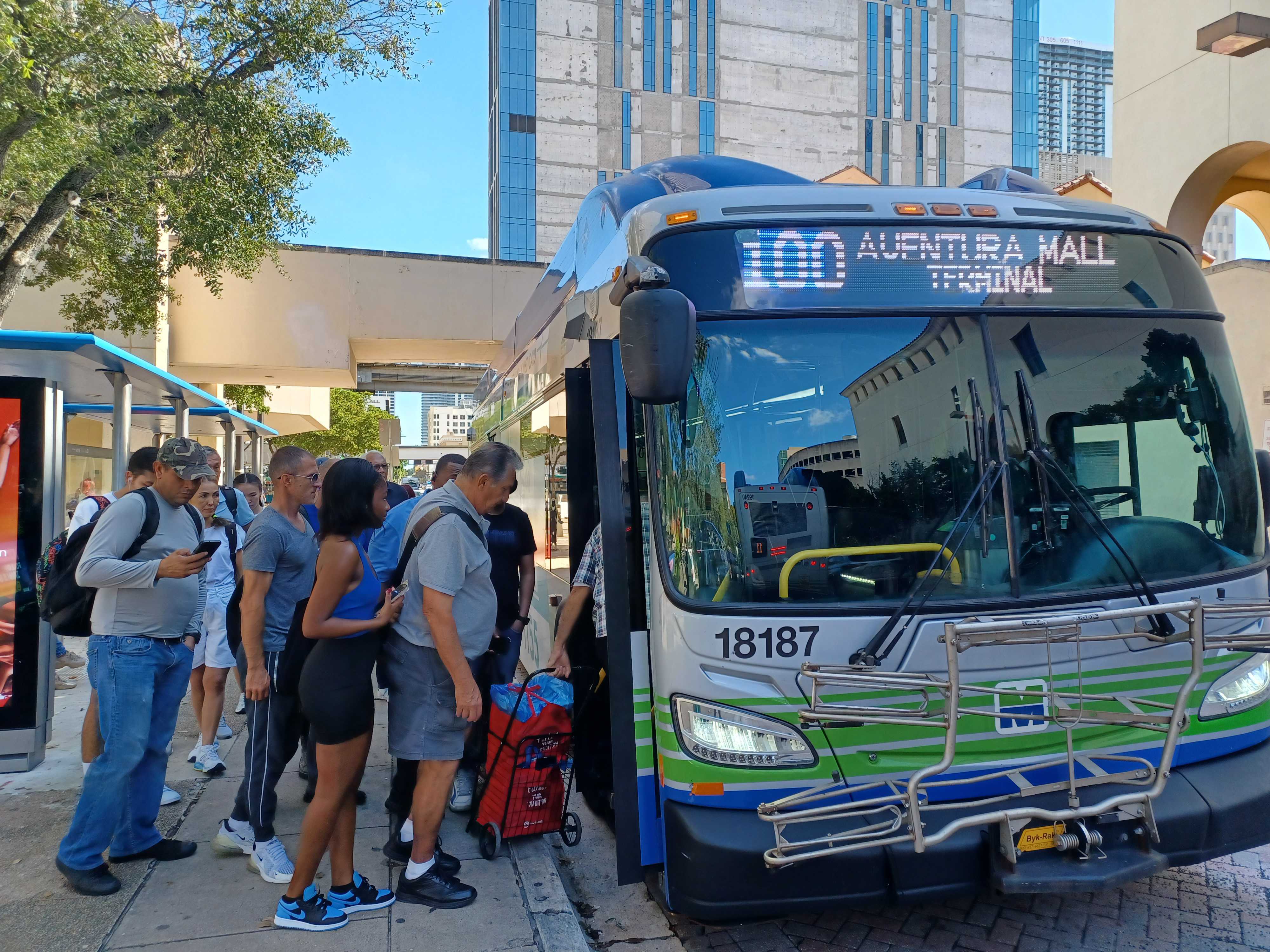
Navigating the Miami-Dade transit network requires understanding the core operational framework of Miami-Dade Transit (MDT) and the Department of Transportation and Public Works (DTPW). Whether you are a daily commuter or a visitor exploring South Florida, mastering the bus schedule in Miami for 2026 ensures efficient cross-city travel across more than 90 bus routes, the Metrorail, and the Metromover.
Understanding the Miami-Dade Transit Infrastructure
The public transportation network in Miami spans over 2,000 square miles, connecting municipal hubs like Downtown Miami, Miami Beach, Coral Gables, Hialeah, and South Dade. The backbone of this system relies on high-frequency arterial bus routes, feeder lines connecting to Metrorail stations, and specialized express routes designed to minimize commuter gridlock on major arteries such as I-95, the Palmetto Expressway, and US-1.
Modernizing transit operations in 2026 means passengers no longer need to rely solely on printed timetables at bus shelters. Digital integration allows for real-time tracking, automated vehicle locators (AVL), and dynamic schedule updates that account for ongoing infrastructure projects and South Florida traffic patterns.
Core Transit Modes Operating Alongside Miami Buses
- Metrorail: A 25-mile, dual-track elevated rapid transit system connecting Dadeland South to Hialeah, with a dedicated branch to Miami International Airport (MIA).
- Metromover: A free, fully automated, 4.4-mile people mover system operating loops through Downtown Miami, Brickell, and Omni.
- Metrobus: The extensive surface bus network featuring standard diesel, hybrid, and zero-emission electric buses operating 24 hours a day on key corridors.
- Trolley Systems: Operated in collaboration with municipalities like the City of Miami, City of Miami Beach, and Coral Gables, offering free connecting services that bridge the gaps between Metrobus stops.
How to Access Real-Time Bus Schedules and Tracking
Relying exclusively on scheduled timetables can lead to delays caused by downtown congestion, drawbridge openings, and tropical weather events. Accessing real-time transit data is essential for accurate trip planning.
Official Digital Tools and Applications
- GO Miami-Dade Transit App: The official mobile application provides live bus tracking, trip planning, and account management for the EASY Pay fare system.
- Third-Party Navigation Platforms: Applications such as Google Maps, Transit, and Moovit ingest General Transit Feed Specification (GTFS) real-time data directly from DTPW servers to provide live countdowns at specific bus stops.
- SMS and Stop ID Codes: Every bus stop in Miami features a unique five-digit stop number displayed on the physical sign. Texting this code to the designated transit tracking number immediately returns the arrival times for the next approaching buses.
Rider Advisory: Always arrive at your designated bus stop at least five to seven minutes before the scheduled or real-time arrival estimate. Operators maintain strict adherence to timing points along the route, but unpredictable coastal traffic can cause minor schedule shifts.
Fare Structure, Payment Methods, and Pass Options
Miami-Dade Transit utilizes an integrated fare system that allows seamless transfers between the Metrobus, Metrorail, and municipal trolleys. The standard base fare for a single-ride journey is $2.25.
Comprehensive Fare Matrix for 2026
| Fare Medium / Type | Cost (USD) | Privileges & Transfer Rules |
|---|---|---|
| EASY Card / EASY App | $2.25 | Includes free transfers within a 3-hour window to other buses and rail lines. |
| Single-Trip Paper Ticket | $2.25 | Cash or paper ticket; does not include automated transfer privileges. |
| 1-Day Pass | $5.65 | Unlimited rides on Metrobus and Metrorail for a single calendar day. |
| 7-Day Pass | $29.25 | Unlimited system-wide access for seven consecutive days from activation. |
| Monthly Pass | $112.50 | Standard 30-day unlimited commuter pass. |
| Discounted Fare (Students/Seniors) | Varies | Requires specialized certified EASY Card for eligible residents. |
Payment is accepted digitally via the EASY Pay smartphone app, contactless credit/debit cards, Apple Pay, Google Pay, or physical plastic EASY Cards loaded at station ticket vending machines. Exact cash is accepted on buses, but operators do not carry change.
Strategies for Navigating Complex Routes and Transfers
Navigating a sprawling metropolis like Miami requires strategic route planning, especially when transferring between different municipal transit networks.
Best Practices for Seamless Transfers
- Identify Timing Points: Look at the timetable grid to find major timing points—intersections or major transfer hubs where the bus is scheduled to pause if running ahead of schedule.
- Utilize Major Hubs: Key transfer stations such as the Government Center, Dadeland South, Earlington Heights, and the Miccosukee/SW 8th Street transfer points offer synchronized connections between high-frequency routes.
- Account for Night and Weekend Schedules: Many standard routes operate on reduced frequencies (every 30 to 60 minutes) on Saturdays, Sundays, and late nights (after 11:00 PM). Always verify weekend timetables before departing.
- Express Routes: Route 95 (I-95 Express) and similar commuter lines only operate during peak morning and evening rush hours (Monday through Friday, typically 6:00 AM to 9:00 AM and 4:00 PM to 7:00 PM) and require careful schedule synchronization.
Pros and Cons of Using the Miami Bus Network
Evaluating the advantages and limitations of the Miami-Dade transit system helps set realistic expectations for daily commuting or sightseeing.
Advantages of the Bus Network
- Extensive Coverage: Reaches neighborhoods, commercial districts, and coastal areas not directly serviced by the Metrorail.
- Cost-Effective: Significantly cheaper than rideshare services, parking fees, and vehicle maintenance in downtown and beach corridors.
- Accessibility: 100% of the active fleet features low-floor ramping, wheelchair securement areas, and automated audio-visual stop announcements.
Limitations and Operational Challenges
- Traffic Vulnerability: Unlike the grade-separated Metrorail, buses share road space with automobiles, making them susceptible to South Florida traffic congestion.
- Headway Gaps: Off-peak frequencies on secondary routes can stretch to 45 or 60 minutes, requiring precise trip planning to avoid long waits.
- Weather Disruptions: Severe downpours and tropical storms can cause localized street flooding, prompting temporary route diversions and schedule delays.
Frequently Asked Questions
How can I check the live bus schedule in Miami?
You can check live bus schedules by downloading the GO Miami-Dade Transit app, using third-party transit apps like Google Maps or Transit, or texting the five-digit stop ID found on your bus stop sign to the transit tracking service. Real-time data feed updates reflect live vehicle locations and estimated arrival times.
Are Miami buses operating 24 hours a day?
While select high-density routes operate 24 hours a day, the majority of Metrobus routes reduce service or cease operations between midnight and 5:00 AM. Riders needing late-night transportation should verify specific route schedules or utilize the Metrorail and Night Owl bus alternatives where available.
How much does a standard Miami-Dade bus ride cost?
A standard single-ride fare on the Metrobus is $2.25 when using an EASY Card, the EASY Pay app, or contactless payment methods. This fare includes free automated transfers to other buses or the Metrorail within a three-hour window.
Can I bring a bicycle on a Miami bus?
Yes, all Metrobus vehicles are equipped with exterior front-loading bicycle racks that accommodate up to two standard bicycles at no additional charge. Riders are responsible for loading and securing their own bicycles onto the rack before boarding.
What should I do if my bus is running significantly behind schedule?
First, check real-time tracking apps to determine if the delay is caused by heavy traffic or an operational detour. If a bus fails to appear or is severely delayed, contact the Miami-Dade Transit customer service line or use the GO Miami-Dade app to identify the next arriving vehicle on your line.
Are municipal trolleys free to ride in Miami?
Yes, municipal trolley systems operated by the City of Miami, City of Miami Beach, and Coral Gables are completely free of charge. They provide frequent local circulator service that intersects seamlessly with major Metrobus and Metrorail stations.
Conclusion and Next Steps
Mastering the bus schedule in Miami for 2026 transforms a potentially complicated transit experience into a streamlined, cost-effective journey. By leveraging real-time tracking applications, understanding fare payment options via EASY Pay, and planning your connections around peak traffic hours, you can efficiently navigate South Florida's dynamic urban landscape. Download the official transit app, verify your stop IDs, and start planning your route across Miami today.