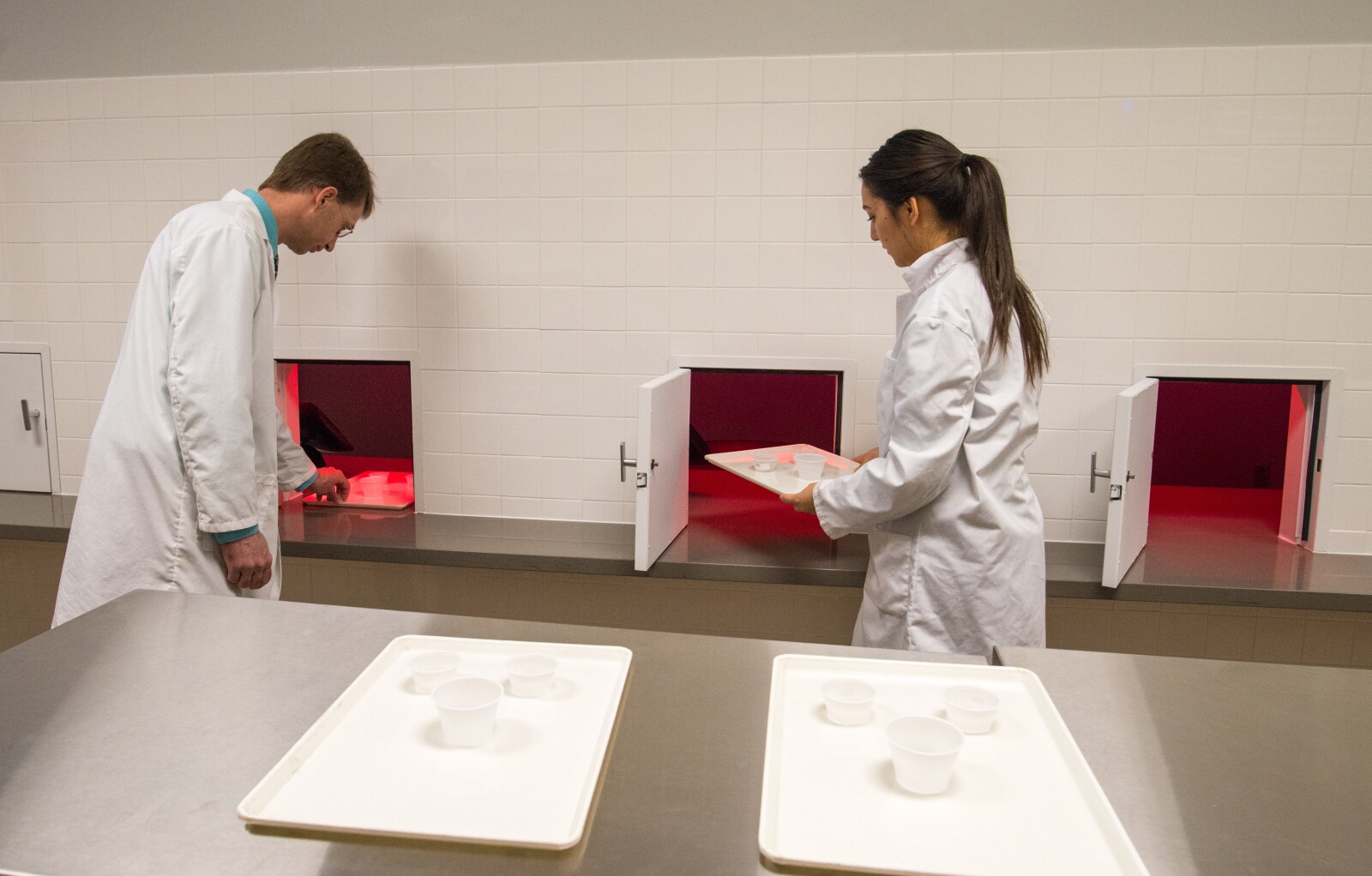
BYU Testing services are centralized academic support systems primarily located at the Testing Center on the Brigham Young University campus in Provo, Utah. These facilities manage high-volume assessment environments, provide secure proctoring for university courses, and facilitate specific standardized testing requirements for students, faculty, and, in some cases, the broader community or prospective applicants.
Understanding the Scope of BYU Testing
The primary function of the BYU Testing Center is to facilitate the administration of course-specific examinations. For the typical student, this means transitioning from a classroom environment to a controlled, proctored testing facility to complete midterms, finals, and periodic assessments. Because BYU maintains a high enrollment density, the Testing Center is designed to handle thousands of exams weekly.
Beyond standard course exams, the facility plays a critical role in the academic integrity of the institution. By centralizing testing, the university ensures that all students are subjected to the same environmental conditions, time constraints, and security protocols, thereby reducing the variables that might otherwise lead to academic dishonesty.
Navigating the Testing Center Environment
The Testing Center operates on a specific set of operational norms that differ significantly from a traditional classroom. Students arriving at the Testing Center in 2026 must adhere to established check-in and checkout procedures to maintain the security of the exam materials.
Arrival and Check-in Protocols
Upon arrival, students are generally required to present a valid BYU ID card. This serves as the primary verification of identity. Without a valid ID, students may be denied entry to the testing floor. It is essential to ensure that your ID is current and in good physical condition, as damaged or unreadable cards can cause significant delays during peak testing windows.
Personal belongings, including backpacks, jackets, and electronic devices, are typically prohibited within the testing area. Most facilities provide designated storage areas or lockers, but it is highly recommended that students travel light on exam days to minimize the risk of losing valuables or violating storage policies.
The Testing Floor Experience
Once inside the testing area, students are assigned to a seat or station. The environment is monitored by proctors and security systems to ensure that the academic integrity of the examination remains intact. Students should be aware of the following:
- Time Management: Clocks are typically visible throughout the testing area. It is the student’s responsibility to track their remaining time.
- Permitted Materials: Instructors define which materials—such as calculators, scrap paper, or specific formula sheets—are allowed. If an item is not explicitly authorized by the instructor, it must be left outside.
- Behavioral Conduct: The testing floor is a quiet zone. Any communication between students or actions that appear suspicious can result in the immediate revocation of testing privileges and a report to the university's Honor Code office.
Preparing for Examinations: A Student Checklist
Success in a proctored environment requires preparation that extends beyond mere subject mastery. Understanding the logistical requirements of BYU Testing is equally important.
- Verify Exam Dates and Times: Check the official BYU Testing Center schedule or your course syllabus well in advance. Some exams have a "window" of availability, while others are strictly scheduled.
- Understand Technical Requirements: If your course requires an online component, ensure you are familiar with the testing interface used by the university.
- Plan for Peak Hours: During midterm and final exam weeks, wait times can be significant. If the system allows for flexible testing hours, try to arrive during off-peak times, such as early mornings or late evenings, to avoid lines.
- Review the Honor Code: As with all aspects of life at BYU, the Honor Code is strictly enforced during testing. Any attempt to circumvent security measures is treated with extreme gravity.
Comparison of Testing Services
The following table summarizes the different types of testing services managed through or in conjunction with the university framework.
| Service Type | Primary User | Typical Purpose | Key Requirement |
|---|---|---|---|
| Course Exams | Enrolled Students | Grading midterms/finals | BYU ID Card |
| Placement Exams | Incoming/Current Students | Course enrollment eligibility | Departmental approval |
| Independent Study | Distance Learners | Course completion | Online authorization |
| Specialized Proctored | Graduate Applicants | Professional certifications | Pre-registration |
Common Troubleshooting and Challenges
Even with a well-oiled system, students may encounter issues during the testing process. Addressing these effectively is vital for maintaining academic standing.
Technical Failures
In the event of a computer or software failure during a digital exam, do not attempt to troubleshoot the hardware yourself. Immediately raise your hand and alert a proctor. The staff at the Testing Center are trained to handle such incidents, including logging the time lost and, if necessary, providing a paper-based alternative or moving the student to a functional workstation.
Scheduling Conflicts
If an emergency—such as a medical issue or a family crisis—prevents you from attending a scheduled exam, the first step is to contact your instructor. The Testing Center staff generally cannot grant exceptions to scheduling windows without explicit authorization from the academic department or the professor. Documentation may be required to qualify for a makeup exam.
Accommodation Needs
Students who require specific testing accommodations (such as extended time, private rooms, or accessibility tools) must coordinate these through the university's specialized accessibility services office well before the exam date. The Testing Center requires adequate lead time to ensure that all necessary hardware and environmental modifications are prepared for the student.
Academic Integrity and Security
The security of BYU Testing is paramount. The institution employs a multi-layered approach to ensure that test results accurately reflect individual student knowledge. This includes:
- Surveillance: Continuous monitoring of the testing space to prevent cheating.
- Proctoring: Human oversight to verify identification and enforce rule compliance.
- Software Restrictions: If using university computers, the software is often "locked down" to prevent access to the internet, unauthorized applications, or communication tools.
Any violation discovered during the testing process is documented and reported. Depending on the severity, this can lead to a failing grade on the examination, failure of the course, or disciplinary action from the university administration. It is imperative that students understand that the physical presence of a proctor is only one part of the security framework; digital logs and surveillance recordings are often reviewed in the event of suspected irregularities.
Frequently Asked Questions
How do I know if my exam is at the Testing Center?
Your course instructor will clarify in the syllabus or during lecture if exams will be administered at the physical Testing Center or via an online proctoring service. Always check your official course portal for the most recent updates regarding exam locations.
What should I do if I forget my BYU ID card?
Unfortunately, you will likely be turned away. The ID card is the only universally accepted form of identification for testing purposes. If you realize you have forgotten it, contact your department office immediately to see if an alternative identification method can be verified, though this is rarely guaranteed.
Can I bring my own pens or pencils?
This depends on the specific exam. Generally, you should bring the writing implements recommended by your instructor. However, if the exam is strictly digital, you may not be allowed to bring anything other than your ID and perhaps a water bottle (if permitted by current facility policies).
What are the busiest times at the Testing Center?
The Testing Center is typically most crowded in the late afternoon and early evening, as well as during the week immediately preceding midterms and finals. If you have the flexibility to test earlier in the week or early in the morning, you will likely experience a much shorter wait time.
How are testing accommodations handled?
Accommodations are managed through the university's accessibility office. Once you are registered and your accommodations are approved, the office will communicate with the Testing Center to ensure the facility is prepared for your specific needs. You should confirm this arrangement at least one week prior to your exam.
Final Recommendations for Exam Success
To maximize your performance, treat the day of your examination with the same professional rigor you would apply to a workplace deadline. Arrive at the Testing Center well-rested, having eaten a balanced meal, and with all necessary supplies pre-verified.
If you find yourself feeling anxious, remember that the Testing Center is designed to be a neutral, standardized environment. By preparing your academic materials and logistical requirements in advance, you minimize the "noise" of the testing process, allowing you to focus entirely on demonstrating your competency in the subject matter. Always prioritize the instructions provided by your specific course department, as they remain the primary authority for your academic assessment.